

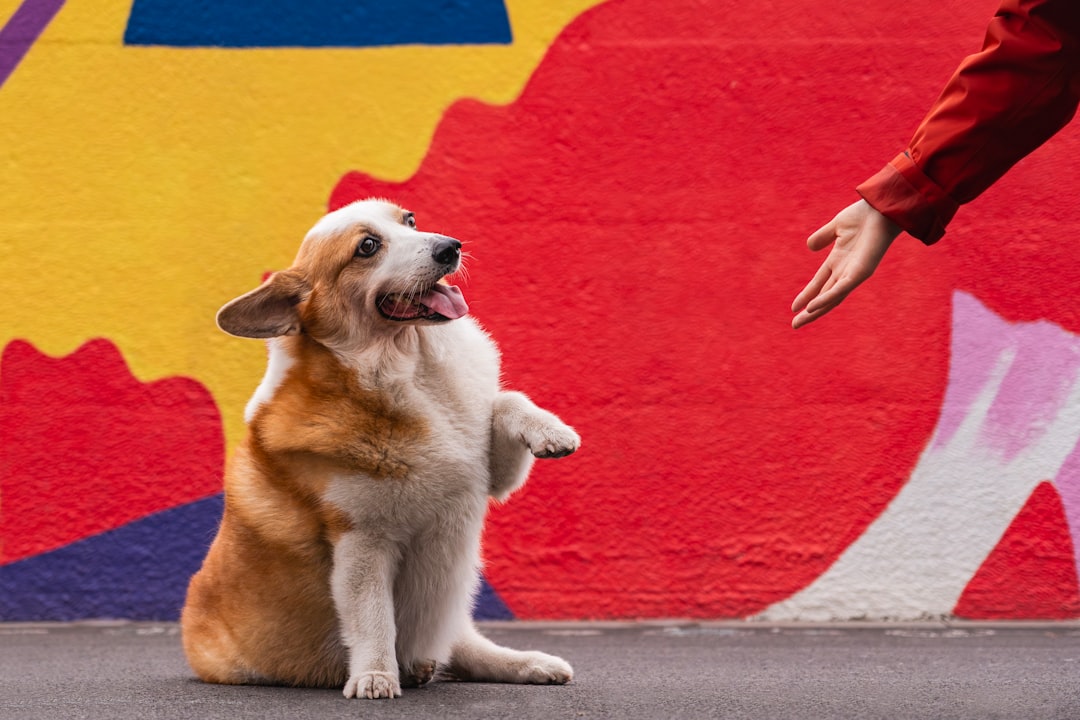

The Power of Nonverbal Cues in Dog-Human Bonds (Image Credits: Unsplash)
Dogs rely heavily on body language to express their needs, emotions, and intentions, often conveying messages through subtle gestures that humans must learn to interpret.
The Power of Nonverbal Cues in Dog-Human Bonds
Experts long emphasized that dogs communicate primarily through visual signals rather than words, a trait rooted in their evolutionary history as pack animals. This form of expression helps them navigate social interactions with other dogs and their human companions. Misinterpreting these signals can lead to frustration on both sides, while understanding them fosters trust and strengthens relationships. For instance, a dog’s posture or facial expression often provides immediate insight into its mood. Veterinary behaviorists noted that owners who pay attention to these cues report fewer behavioral issues in their pets. Recent studies reinforced this by showing how dogs adjust their signals based on human responses, highlighting the bidirectional nature of communication. Ultimately, recognizing these behaviors turns everyday interactions into opportunities for deeper connection.
Body language remains a cornerstone of canine expression, encompassing everything from tail movements to ear positions. Dogs evolved these signals over millennia to avoid conflict and convey cooperation within groups. In modern homes, these same instincts play out, sometimes clashing with human expectations. Owners who ignore them risk overlooking signs of discomfort or joy. Training programs increasingly incorporate body language education to improve pet welfare. This awareness not only prevents misunderstandings but also enhances the overall quality of life for dogs and their families.
Everyday Signals of Joy and Affection
A loose, wagging tail held at mid-height often indicates happiness or excitement, especially when accompanied by a relaxed body and open mouth. Dogs display this during playtime or greetings, signaling they feel safe and engaged. However, the speed and direction of the wag matter; a broad, circular motion typically means enthusiasm, while a stiff one might suggest uncertainty. Play bows, where a dog lowers its front end with hindquarters raised, invite interaction and show playful intent. These behaviors encourage positive responses from owners, reinforcing the dog’s trust. Veterinary resources highlighted how such signals reduce anxiety in social settings. Owners who reciprocate with gentle petting strengthen these joyful exchanges.
Head tilts during conversations reveal curiosity or attentiveness, as dogs process sounds and visuals. This endearing gesture often appears when owners speak in a soothing tone, prompting the dog to focus intently. Soft eye contact, unlike a hard stare, conveys affection and bonding. When dogs lean into touches or follow owners around the home, they express contentment and attachment. These subtle actions build emotional security over time. Studies on human-dog interactions confirmed that mirroring these signals improves mutual understanding. Such moments remind owners of the profound, wordless companionship dogs offer.
Warning Signs of Stress and Discomfort
Yawning in dogs frequently signals stress rather than tiredness, serving as a calming mechanism during tense situations like vet visits. Lip licking or swallowing excessively indicates unease, often preceding avoidance behaviors. Ears flattened against the head or tucked back suggest fear or submission, urging humans to give space. A stiff body posture with raised hackles along the back warns of arousal, whether from threat or overstimulation. Paw lifting can mean hesitation or appeasement, as dogs attempt to de-escalate potential conflicts. Behavior specialists observed these patterns in various environments, stressing the need for immediate intervention. Ignoring them risks escalating to growls or snaps.
Avoiding eye contact or turning the head away communicates a desire to diffuse tension, a common appeasement signal in canine social dynamics. Whining or pacing reveals anxiety, particularly in unfamiliar settings. Tail tucking between the legs clearly denotes fear, prompting protective actions from owners. These discomfort cues evolved to maintain pack harmony, now translating to household peace. Research from animal welfare organizations showed that early recognition prevents long-term behavioral problems. Owners trained in these signs create safer, more empathetic homes for their pets.
Key Behaviors to Decode at a Glance
Understanding your dog’s nonverbal vocabulary requires observing clusters of signals rather than isolated actions. Here is a list of 10 common behaviors and their typical meanings, drawn from established canine communication principles:
- Tail Wag (Loose and Mid-Height): Excitement or friendliness.
- Yawning: Stress relief or calming signal.
- Play Bow: Invitation to engage in fun activities.
- Head Tilt: Interest or confusion in response to sounds.
- Lip Licking: Nervousness or appeasement.
- Ear Flattening: Fear or submission.
- Raised Hackles: Alertness to potential threats.
- Paw Lift: Uncertainty or polite request.
- Avoiding Eye Contact: Desire to avoid confrontation.
- Leaning In: Affection and comfort-seeking.
These behaviors vary by individual dog and context, so consistent observation proves essential. Combining them with vocalizations like barks or whines offers a fuller picture. Professional trainers recommend journaling these signals to track patterns over time.
Key Takeaways
- Observe multiple signals together for accurate interpretation.
- Respond calmly to stress cues to build trust.
- Positive reinforcement enhances joyful behaviors.
Mastering these canine signals transforms routine interactions into meaningful dialogues, ensuring dogs feel heard and valued in their human world. As you watch your pet’s next gesture, consider how small adjustments in your response can make a big difference. What behaviors have you noticed in your dog lately? Share in the comments below.

- Urban Coyotes Show Remarkable Adaptability, Learning to Thrive in City Environments - July 22, 2026
- Beavers Are Nature’s Engineers, Creating Vital Habitats for Other Wildlife Species - July 21, 2026
- The Recovery of the California Condor Offers Hope for Other Critically Endangered Birds - July 21, 2026