
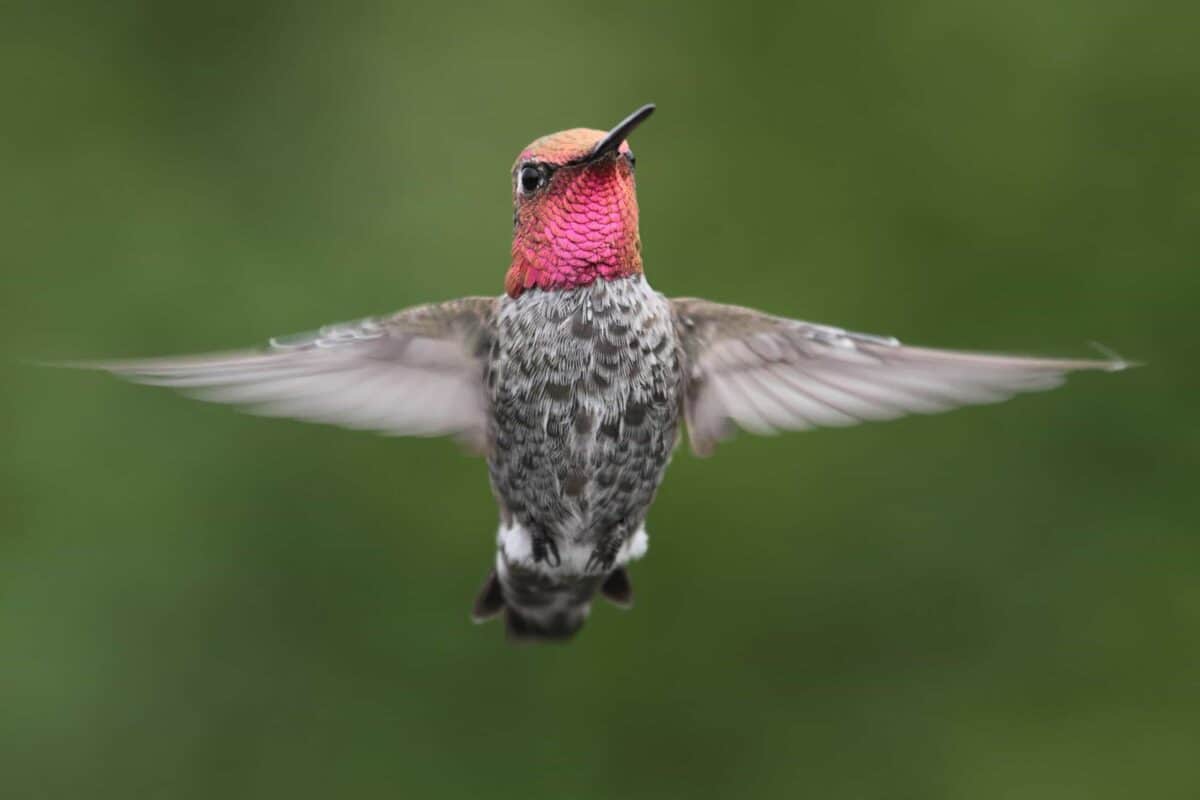
Hummingbirds are among the most delightful visitors to any garden, admired for their shimmering plumage and remarkable agility. One of the most effective ways to entice these tiny avian wonders into your backyard is by incorporating specific flowers that cater to their tastes. Not only do these flowers provide essential nourishment, but they also add vibrant beauty to your garden. Read on to discover the best flowers that can turn your outdoor space into a hummingbird haven.
Understanding Hummingbird Preferences

Understanding what attracts hummingbirds is key to designing a garden that invites their presence. Hummingbirds are primarily attracted to bright colors, particularly reds and pinks, although they are also drawn to purples, oranges, and yellows. These birds rely on nectar as a significant part of their diet; thus, flowers rich in nectar are crucial. Additionally, the shape of the flowers matters. Tubular flowers, which are perfectly suited to the hummingbird’s long, slender beak, are ideal.
Top Flowers That Entice Hummingbirds
Bee Balm (Monarda)
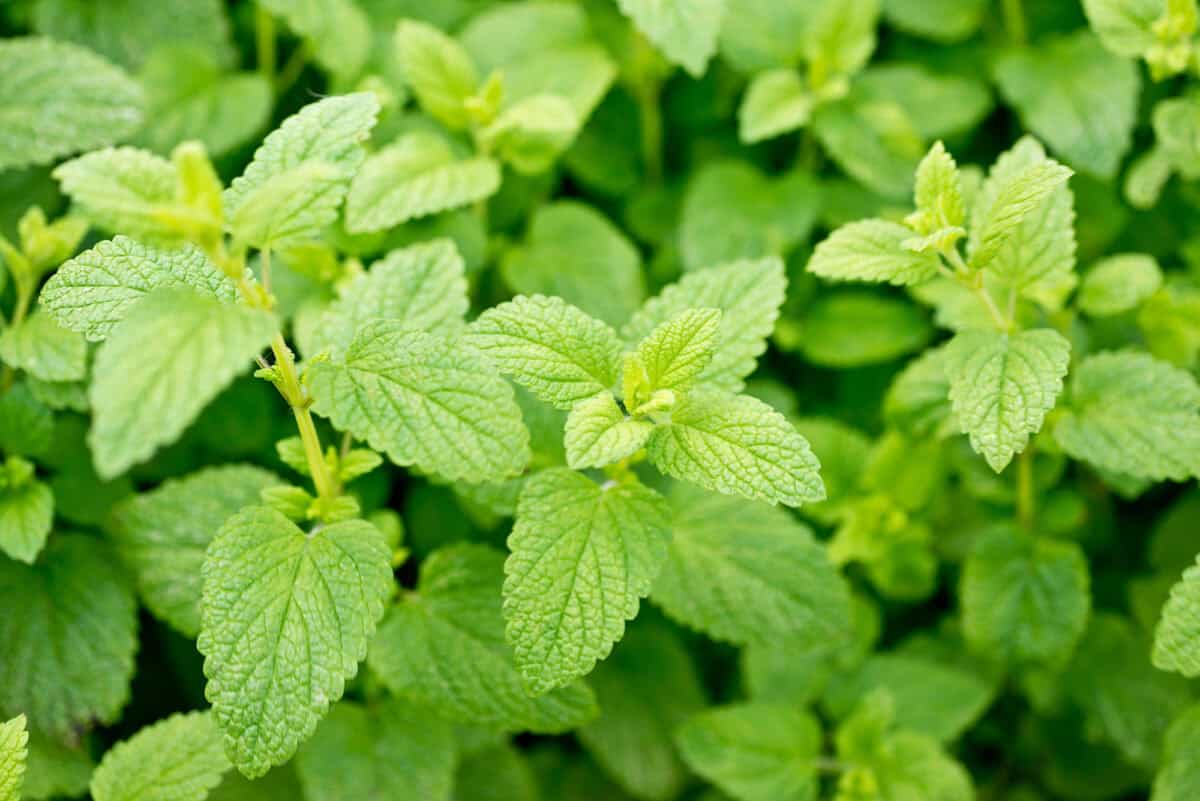
Bee Balm is a perennial favorite among gardeners not only for its striking appearance but also for its ability to attract hummingbirds. The vibrant clusters of tubular flowers come in various shades of red, pink, and purple, offering a nectar-rich feast for hummingbirds. Additionally, Bee Balm is easy to grow and can thrive in diverse climates.
Columbine (Aquilegia)
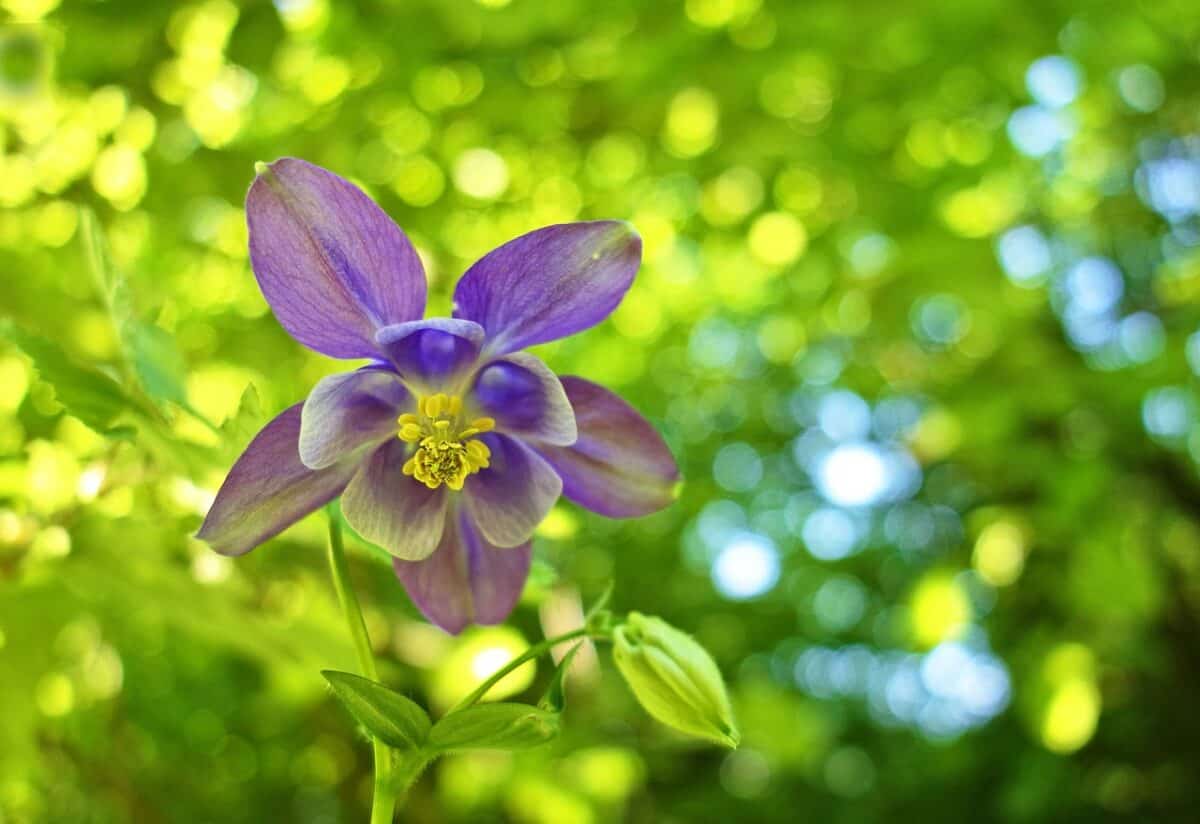
The uniquely shaped Columbine flowers are another excellent choice for attracting hummingbirds. Their intricate blossoms are not only visually enticing but also provide ample nectar. The flowers typically bloom in late spring to early summer, coinciding with the hummingbird’s arrival in many regions.
Salvia
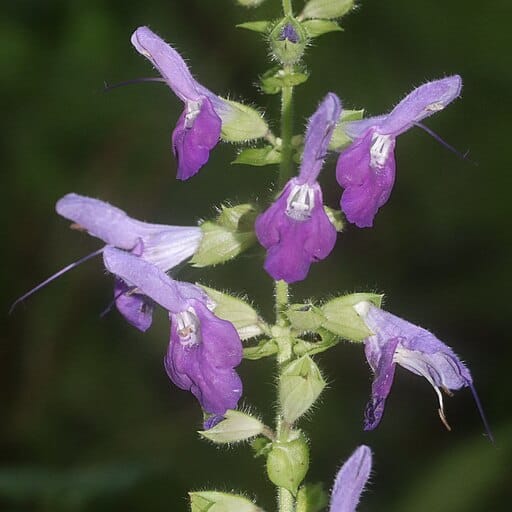
Salvia species, including annuals and perennials, are favored by hummingbirds. Known for their tubular blossoms in shades of red, pink, and purple, Salvias bloom from late spring through fall, ensuring a long-lasting food source. Varieties such as Salvia coccinea, often called Scarlet Sage, are particularly appealing.
Trumpet Vine (Campsis radicans)
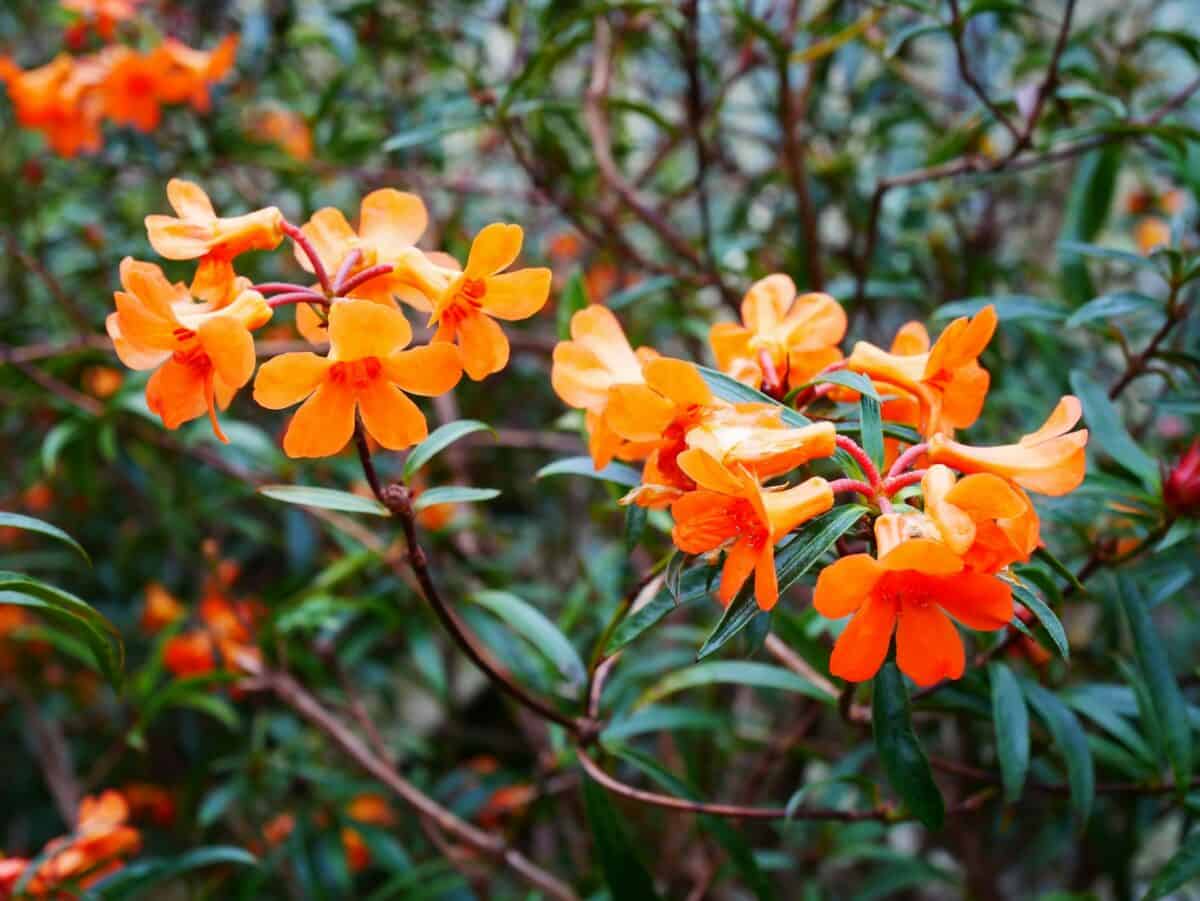
This vigorous vine, known for its large, trumpet-shaped flowers, is a nectar-rich plant that draws hummingbirds consistently. The orange and red blooms provide both nectar and a splash of color to any garden. It’s important to manage its growth as Trumpet Vine can become invasive if not controlled.
Fuchsia
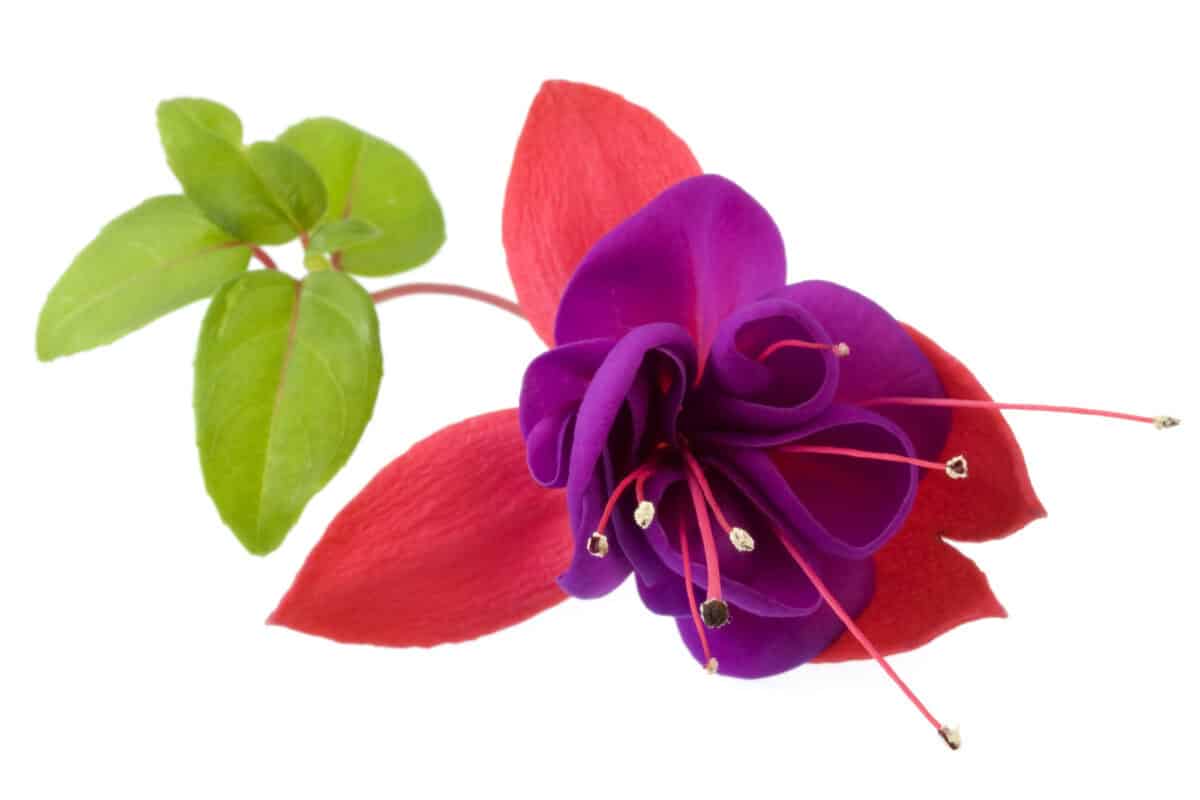
Fuchsia plants offer delicate, pendulous blossoms that are simply irresistible to hummingbirds. Available in vibrant shades of pink, purple, and red, Fuchsias are perfect for hanging baskets and shaded areas, adding a vertical dimension to your hummingbird-friendly garden.
Maintaining a Hummingbird-Friendly Garden

Maintaining a garden that continuously attracts hummingbirds requires some planning. Planting a variety of flowers that bloom at different times will ensure there is always something to attract these tiny visitors. Furthermore, avoiding pesticides is crucial, as chemicals can harm hummingbirds and repel them from your garden. Consider adding a hummingbird feeder as a supplementary nectar source, but remember to keep it clean and filled with a suitable homemade sugar solution.
Conclusion: Creating a Vibrant Ecosystem
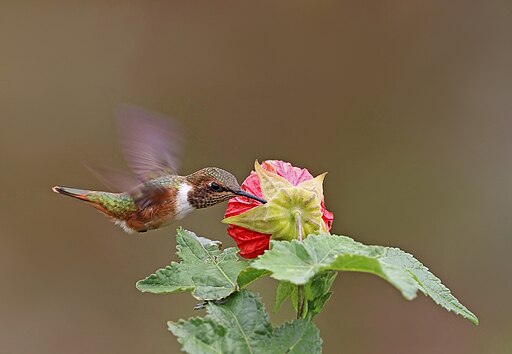
By selecting the right flowers, you can transform your garden into a vibrant ecosystem that supports not only hummingbirds but other pollinators as well. The effort put into planning and maintaining this space pays off in the form of frequent visits by these dazzling creatures, turning your backyard into a lively and enchanting retreat. With the right combination of color, nectar, and care, you are well on your way to enjoying the mesmerizing beauty of hummingbirds right at your doorstep.
