

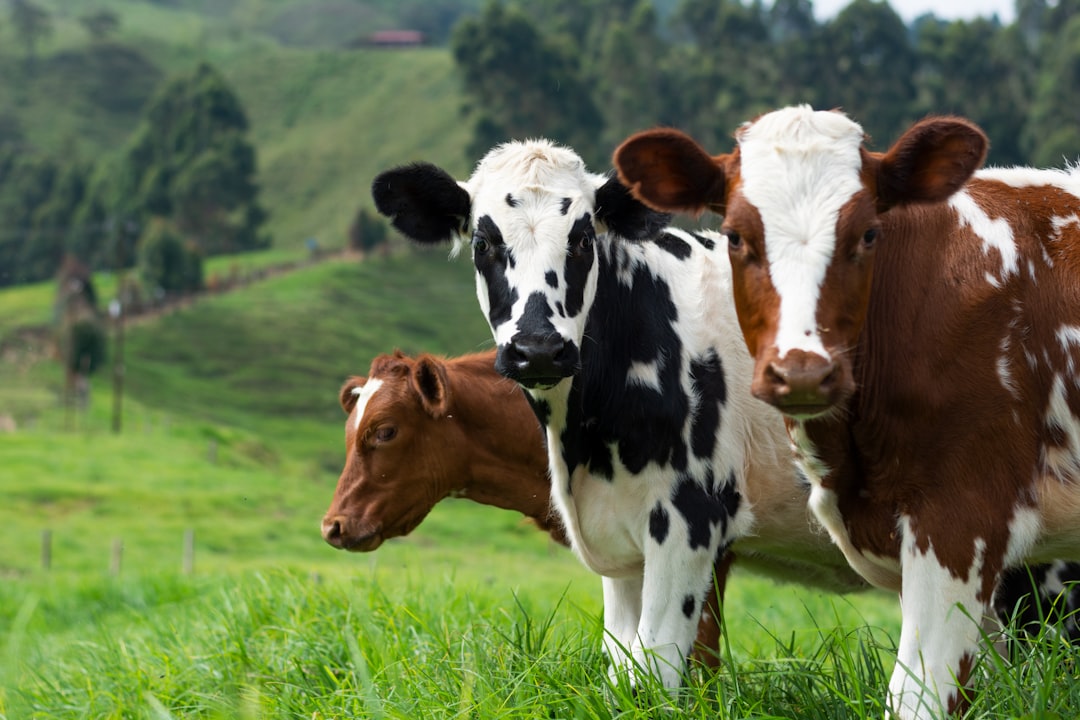
A second type of bird flu has been identified in dairy cows within the United States. This discovery was reported by the U.S. Department of Agriculture’s Animal and Plant Health Inspection Service (APHIS). The emergence of this virus in cattle raises a series of questions about its implications for both animal and public health. With the backdrop of this information, the country faces a new set of challenges in managing the spread of avian influenza beyond its traditional hosts.
The Rise of H5N1 in Cattle

The H5N1 strain of bird flu, a broad subtype with a complex lineage, has been a known threat among birds. However, its recent detection in cattle is unprecedented. Since 2024, the virus has been circulating among U.S. dairy cows, with the first cases identified in March of the previous year. Nearly 960 herds have been affected across the nation. The Centers for Disease Control and Prevention (CDC) has provided the latest statistics, highlighting the extent of the outbreak and the necessity for continued vigilance.
Understanding the B3.13 Genotype

The H5N1 virus has various genotypes, one of which, the B3.13 genotype, has been infecting U.S. cows. This particular genotype belongs to clade 2.3.4.4b. While primarily affecting cattle, it presents a broader concern due to its potential to cross species barriers. The intricate nature of the virus’s family tree makes it a formidable opponent in the realm of infectious diseases, necessitating ongoing research and monitoring efforts.
The Emergence of D1.1 Genotype

Another genotype, D1.1, has been spreading among wild birds and poultry in the U.S. and Canada. Unlike its counterpart, D1.1 has also been found to infect humans. Recent cases include poultry workers in Washington state and a teenager in British Columbia. These instances ranged from mild to severe, with the latter requiring intensive care. The occurrence of human infections underscores the potential risks associated with this genotype.
First Detection in Nevada Dairy Cows

For the first time, the D1.1 genotype has been detected in dairy cows in Nevada. APHIS announced this revelation in a statement, marking a significant development in the virus’s progression. The genotype D1.1 has become the predominant strain in North American flyways over the past fall and winter. Its presence in dairy cattle indicates a spillover from wild birds and domestic poultry, highlighting the interconnectedness of ecosystems and the complexities of disease transmission.
Tracing and Testing Strategies

The confirmation of D1.1 in dairy cattle resulted from state-level tracing and investigation. This process followed an initial detection during silo testing under the USDA’s National Milk Testing Strategy (NMTS) in Nevada. The USDA has been proactive in testing raw milk samples from dairy farms to track the spread of bird flu. This testing occurs before pasteurization, which inactivates the virus, ensuring that the disease can be identified early in the supply chain.
Current State of Milk Testing

As of mid-January, the NMTS program had enrolled 36 states, covering approximately two-thirds of the nation’s commercial milk supply. This extensive testing initiative is crucial for understanding the spread of the virus and implementing control measures. By identifying infected herds, authorities can take steps to mitigate the risk and protect both animal and human health.
Expert Insights on the Situation

Michael Osterholm, an epidemiologist from the University of Minnesota, weighed in on the situation. He noted that the significant activity in waterfowl across the United States should have prepared us for potential spillovers into cattle. Osterholm emphasized that the virus is not going away, reinforcing the need for continued monitoring and preparedness. His insights underscore the importance of vigilance in the face of evolving infectious threats.

As a little kid, I fell in love with nature, wildlife, and animals. Living in the USA, South Africa, Italy, China and Germany gave me the opportunity to discover the world's Wildlife. My favorite animals are Mountain Gorillas, Siberian Tigers, and Great White Sharks.
I'm a certified PADI Open Water Diver, went to Everest Base Camp and Trekked Gorillas in Uganda. I hold a Master of Science in Economics and Finance.
Please send any feedback to feedback@animalsaroundtheglobe.com
- Top 20 Spots for Birdwatching in the U.S. - July 20, 2026
- 13 Secrets Behind the Bald Eagle Hunting Style - July 20, 2026
- Top 10 Reasons the Amur Leopard is Racing Against Time - July 20, 2026