


Garden birds bring beauty, joy, and a sense of life to our outdoor spaces. However, many species face challenges due to habitat loss, climate change, and human disturbances. One way to support these avian visitors is by providing safe nesting spaces. This not only aids in their ability to thrive but also enriches our gardens with their presence. Building safe nesting spaces is a rewarding endeavor that benefits both the birds and the garden environment as a whole.
Understanding Bird Nesting Needs

Before setting out to build nesting spaces, it’s important to understand the diverse needs of different bird species. Each bird has its own preferences for factors like nest location, size, and materials. While some birds, like robins, prefer open-fronted nest boxes, others, such as blue tits and sparrows, favor enclosed spaces with small entry holes. Identifying the bird species visiting your garden will guide you in creating customized and effective nesting options.
Selecting the Right Materials

Building materials play a crucial role in the safety and comfort of bird nests. Natural, untreated wood like cedar or pine is ideal for constructing nest boxes, as it provides insulation and is resistant to weather changes. Avoid using metal or plastic, which can overheat or retain moisture. Ensure that your chosen materials are free of harmful chemicals or pests that could threaten the birds.
Designing the Nesting Space

Designing a bird-friendly nesting space involves more than just building a box. Key features include a sloped roof to prevent water accumulation, ventilation holes to maintain air circulation, and drainage holes at the base. Ensure the entrance hole is appropriate for the target bird species; too large, and predators might gain access; too small, and the birds may be unable to enter. It’s also wise to include a rough interior surface to help fledglings exit the nest when it’s time to fly.
Location, Location, Location
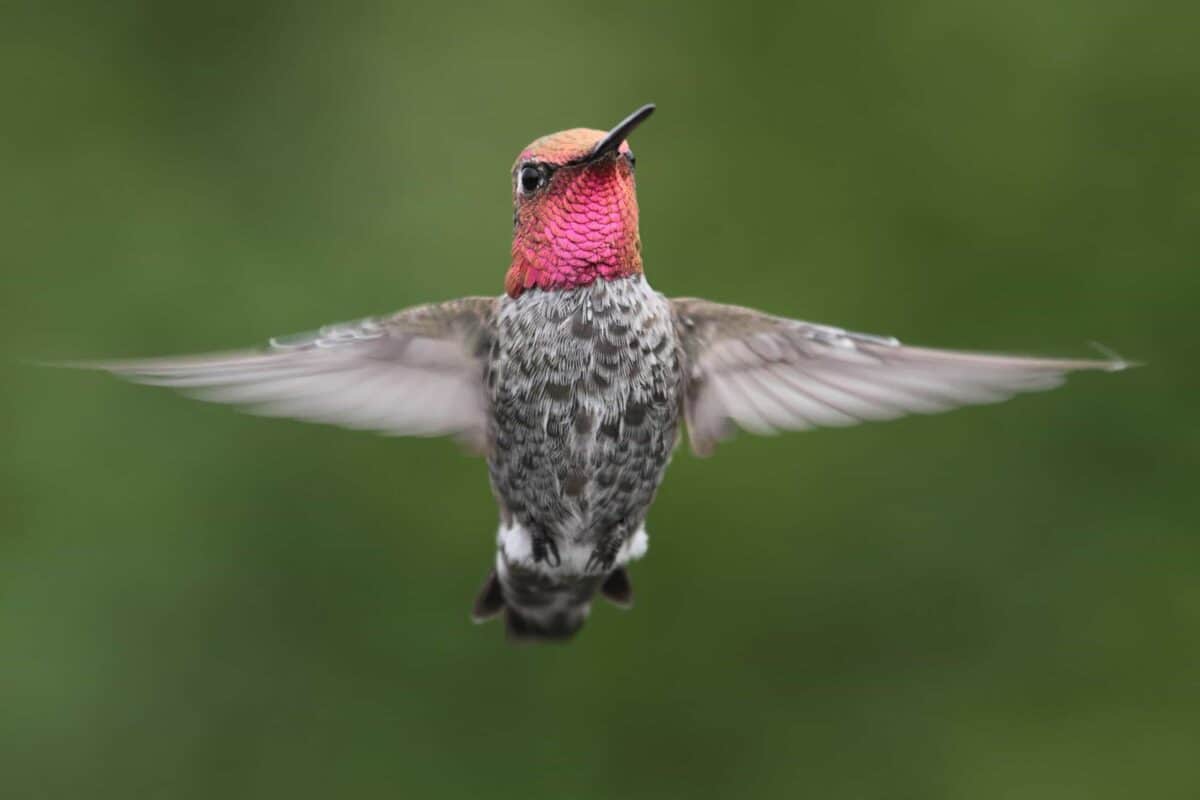
Placing the nesting space in the right location is vital for both safety and attractiveness to birds. Position the nest box in a quiet, sheltered area away from direct sunlight and prevailing winds. Mount the box at least 5 to 12 feet off the ground to deter ground predators. Avoid placing nests too close to feeders or birdbaths, as this could increase traffic and disturbance from other birds and animals. Use a secure fixing to ensure stability and avoid swing in the wind.
Maintaining Nesting Spaces

Maintenance of nest spaces is essential for continued use and safety. After the breeding season ends, typically in late autumn, clean out old nesting material to prevent parasites and disease. Wear gloves and a mask to protect yourself from potential allergens or harmful organisms. Regularly inspect the box for damage or rot, and repair or replace it as necessary to ensure it remains a safe environment for resident birds. A well-maintained nest box can provide a home to multiple generations of birds.
Keeping Predators at Bay

Predators such as cats, squirrels, and larger birds can pose a serious threat to nesting birds and their young. To mitigate risks, consider using nest boxes with predator guards that prevent access to the entrance and install baffles on trees or poles to deter climbing predators. Keeping the area around the base of the nesting space clear of dense foliage can also help prevent surprise attacks. Providing a safe and peaceful environment encourages nesting birds and increases their chances of survival.
The Benefits of Supporting Garden Birds

Providing safe nesting spaces for birds offers numerous benefits. Besides contributing to the conservation of bird populations, it provides a unique opportunity for birdwatching and education. Birds also aid in pest control by consuming insects and can help with seed dispersion, contributing to garden biodiversity and health. A thriving bird population is a sign of a healthy ecosystem, and creating safe nesting environments is a significant step in achieving this balance.
Getting Started with Your Bird-Friendly Garden
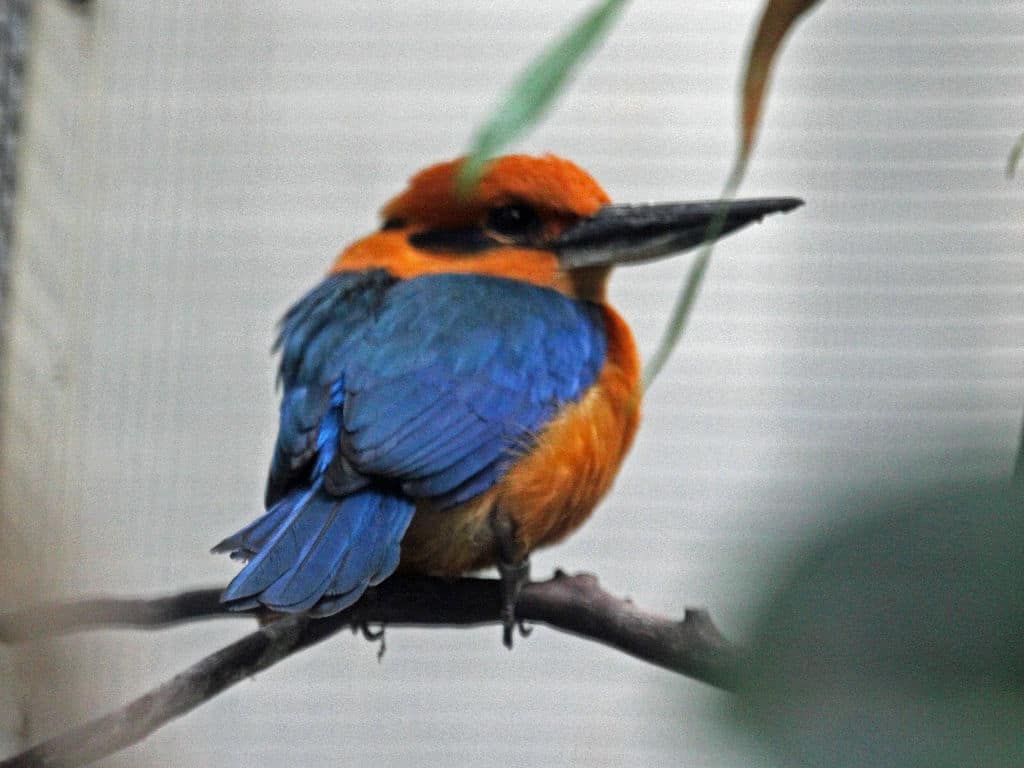
Building and maintaining safe nesting spaces for garden birds is a positive action step towards supporting local wildlife. Start small by identifying the bird species already visiting your garden and research their specific nesting requirements. Gather the right materials and tools for your project, and remember that even modest efforts can have a significant impact. With patience and attention to detail, you’ll soon find your garden chirping with grateful visitors.

As a little kid, I fell in love with nature, wildlife, and animals. Living in the USA, South Africa, Italy, China and Germany gave me the opportunity to discover the world's Wildlife. My favorite animals are Mountain Gorillas, Siberian Tigers, and Great White Sharks.
I'm a certified PADI Open Water Diver, went to Everest Base Camp and Trekked Gorillas in Uganda. I hold a Master of Science in Economics and Finance.
Please send any feedback to feedback@animalsaroundtheglobe.com
- 12 Rare Creatures Spotted in the Amazon - July 14, 2026
- The Largest Snake Ever Found in a US Swamp And It Is Still Growing - July 14, 2026
- 11 Predators Smaller Than Their Prey - July 14, 2026