


Lizards are fascinating creatures that have intrigued humans for centuries. With their diverse appearances and unique behaviors, they make intriguing pets. But a question often pondered by many reptile enthusiasts is whether lizards can actually recognize their owners. This article seeks to explore this intriguing topic, delving into the cognitive abilities and social behaviors of these reptilian companions.
Understanding Reptile Cognition

🔥 Would you like to save this?
We'll email this post to you, so you can come back to it later!
Reptiles, including lizards, have vastly different brain structures compared to mammals and birds. Their cognitive capabilities are not as well understood, partly because they’ve been less studied. However, growing research suggests that reptiles are capable of more complex behaviors than previously thought, raising the question of whether these behaviors extend to recognizing individual humans.
The Social Nature of Lizards

🔥 Would you like to save this?
We'll email this post to you, so you can come back to it later!
While many lizards are solitary creatures, some species exhibit social behaviors, particularly during mating or territorial disputes. Social interactions in these scenarios show their ability to recognize other lizards. However, these interactions do not necessarily translate to human recognition, but they do suggest lizards possess a degree of social awareness.
Visual and Olfactory Cues

🔥 Would you like to save this?
We'll email this post to you, so you can come back to it later!
Lizards primarily rely on visual and olfactory cues to navigate their environment and identify other creatures. These senses are essential for recognizing threats, prey, mates, and potentially, humans. Each lizard species and individual may have varying reliance on these senses, influencing their response to an owner’s presence.
The Role of Conditioning in Recognition

🔥 Would you like to save this?
We'll email this post to you, so you can come back to it later!
Conditioning plays a significant role in how lizards react to their environment. Through repeated positive experiences, such as feeding or gentle handling, lizards may learn to associate their owner with positive experiences. Over time, this conditioning can lead to a form of recognition where lizards show less stress or aggression around their owner.
Signs of Recognition in Lizards

🔥 Would you like to save this?
We'll email this post to you, so you can come back to it later!
Some lizard owners report behaviors that suggest recognition, such as approaching the owner when they enter the room, displaying less fear, or becoming more active when handled. These actions, while not definitive proof of recognition, indicate familiarity and comfort with the owner.
Species that Display Owner Recognition

🔥 Would you like to save this?
We'll email this post to you, so you can come back to it later!
Certain lizard species, such as bearded dragons and iguanas, are reported by owners to exhibit behaviors suggesting recognition. These species might be more social or responsive to interaction, leading to a stronger association with humans. The personality and individual differences within species also play a crucial role.
Comparing Lizards to Other Pets

🔥 Would you like to save this?
We'll email this post to you, so you can come back to it later!
Unlike dogs or cats, reptiles are not domesticated to the same extent and have not evolved alongside humans. As such, their behaviors related to human interaction differ significantly. Their capacity for recognition, while present, may not be as overt or reliable as it is in more traditional pets.
The Influence of Captivity on Behavior
🔥 Would you like to save this?
We'll email this post to you, so you can come back to it later!
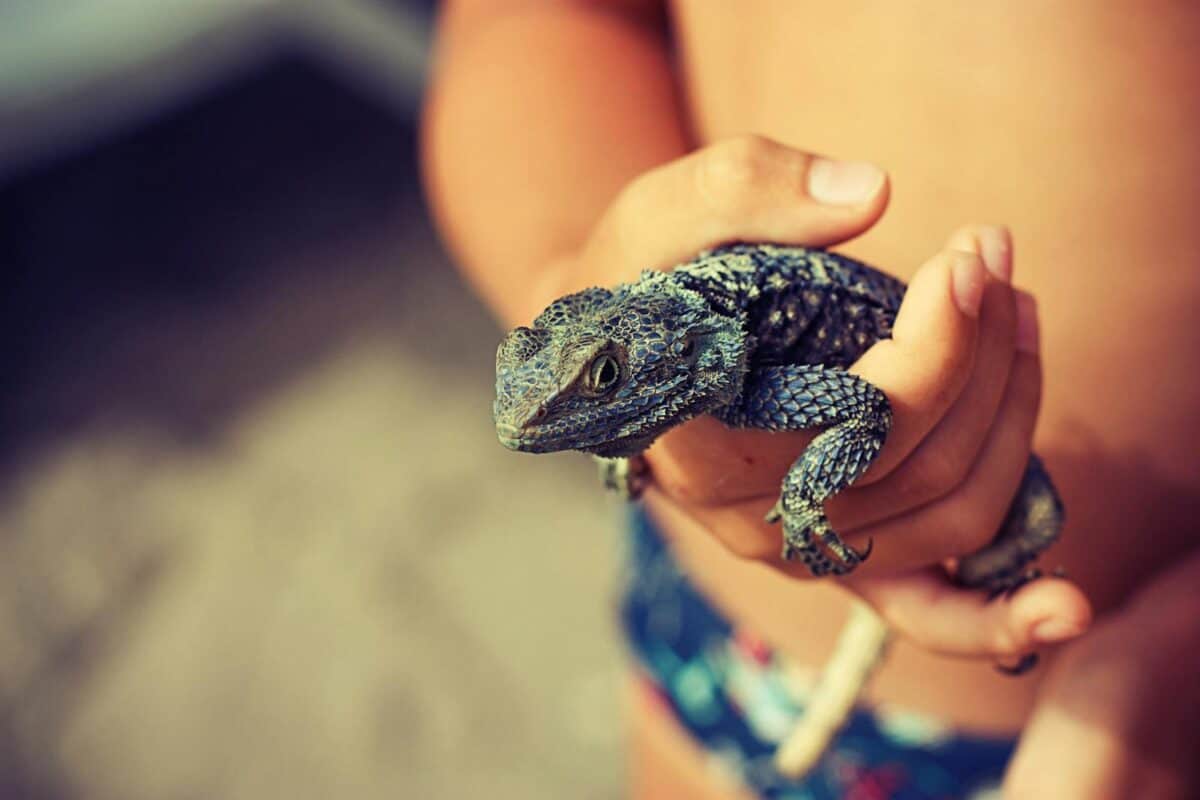
Lizards in captivity live in controlled environments, often with limited interaction with other animals. This environment can lead them to pay more attention to the humans they encounter daily, possibly enhancing their ability to recognize their owner’s presence through familiarity and routine.
Scientific Studies on Reptile Recognition

🔥 Would you like to save this?
We'll email this post to you, so you can come back to it later!
While research is ongoing, studies have shown that some lizards can differentiate between familiar and unfamiliar humans. These findings are preliminary but offer exciting insights into the cognitive abilities of reptiles, suggesting a rudimentary form of recognition.
The Importance of Bonding with Your Lizard

🔥 Would you like to save this?
We'll email this post to you, so you can come back to it later!
Building a bond with a pet lizard requires patience, consistency, and understanding of the species’ specific needs. Regular handling, feeding, and interaction can enhance your lizard’s comfort with you, potentially leading to stronger associations and recognition.
Factors Affecting Recognition Abilities
🔥 Would you like to save this?
We'll email this post to you, so you can come back to it later!
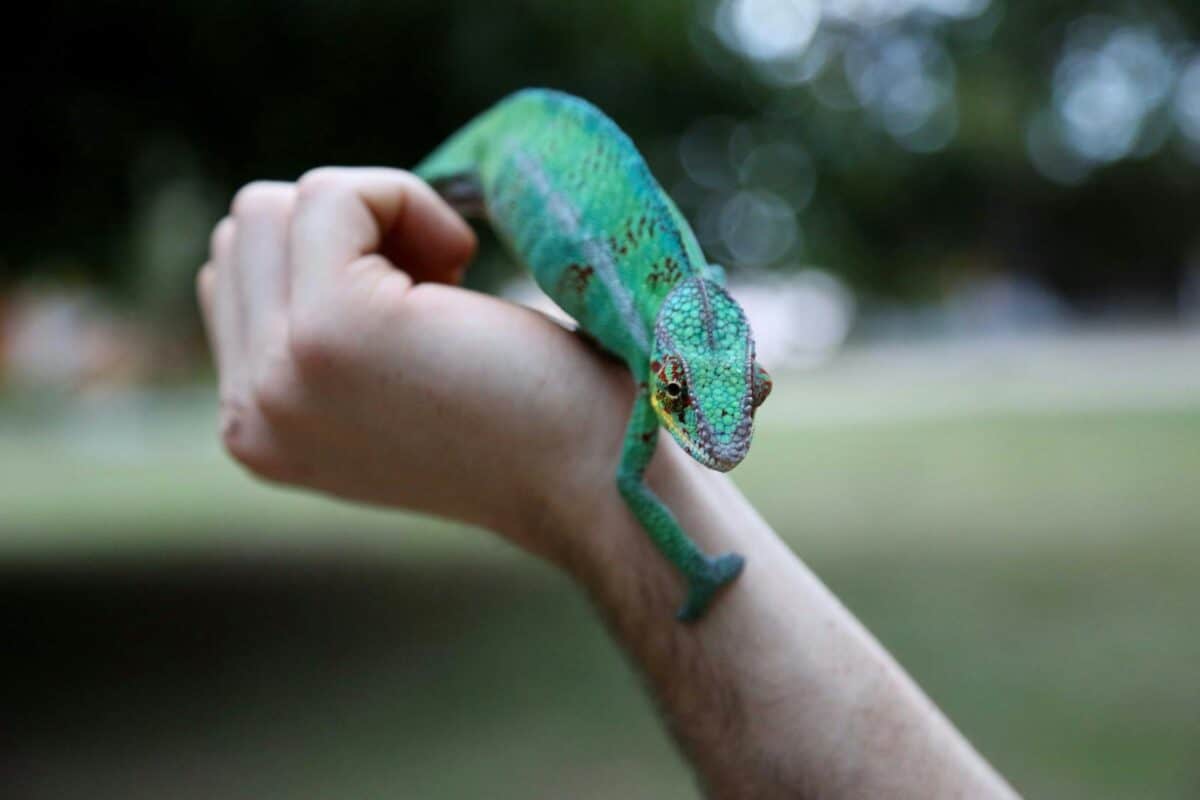
Various factors can influence a lizard’s ability to recognize its owner, including the species, age, past experiences, and even individual personality traits. Stressful environments, inconsistent handling, or negative experiences can inhibit this ability.
Practical Tips for Enhancing Recognition
🔥 Would you like to save this?
We'll email this post to you, so you can come back to it later!
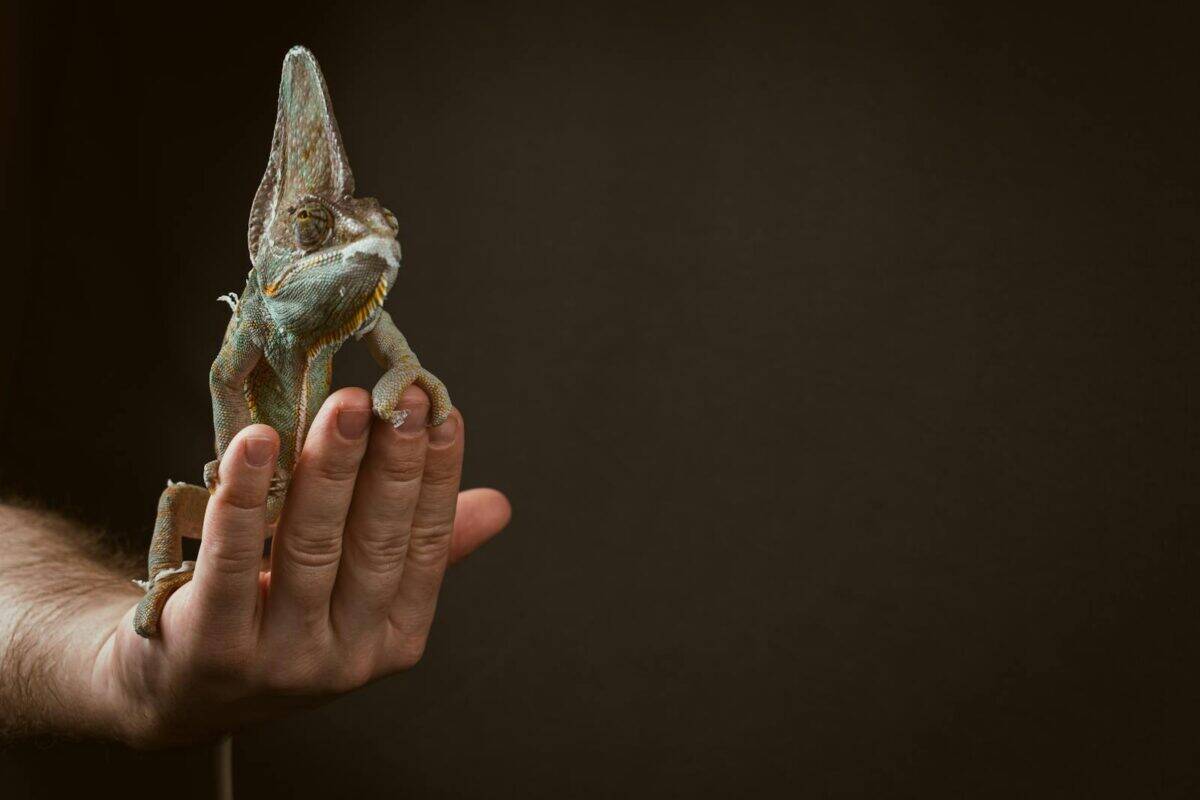
To foster recognition, owners should maintain regular interaction schedules, handle their lizards gently, and provide positive reinforcement during interactions. Recognizing the unique characteristics of your lizard species can also aid in understanding and enhancing your bond.
Lizards, while not as socially complex as mammals, can develop forms of recognition with their owners. This recognition is largely dependent on species, individual behavior, and the nature of interactions. Whether or not they truly ‘recognize’ owners in the way we understand, these reptiles can certainly form comfort and familiarity with human companions, leading to rewarding pet-ownership experiences.

- How Koalas Survive on a Diet of Toxic (To Humans) Eucalyptus Leaves - November 5, 2026
- The Largest Python Ever Captured in Florida’s Everglades - November 5, 2026
- The Largest Sea Turtle Ever Rescued Off North Carolina - November 5, 2026