

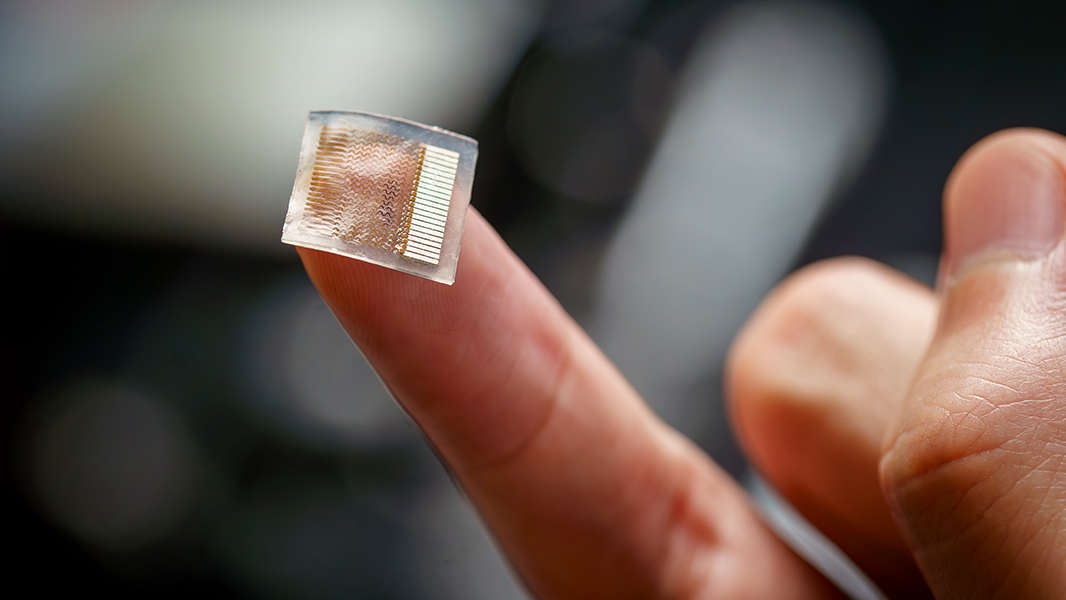
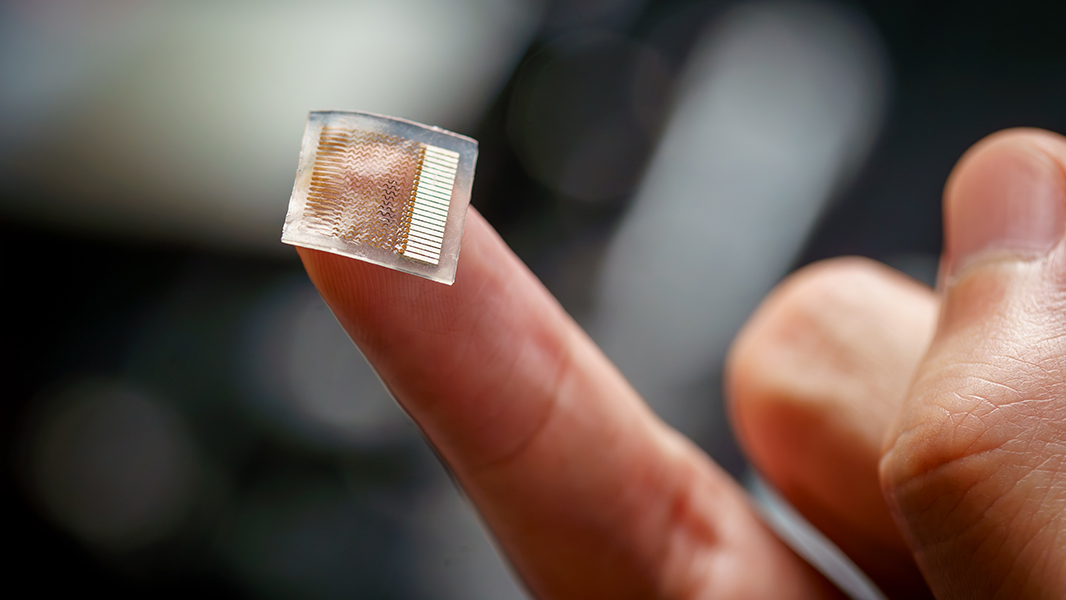
The Boom in Wearables and Its Hidden Costs (Image Credits: Images.nature.com)
Wearable health devices have transformed personal monitoring, yet their unchecked expansion poses growing environmental challenges that demand innovative solutions.
The Boom in Wearables and Its Hidden Costs
Researchers revealed a stark projection last year: global use of wearable health technology could surge 42-fold by 2050, driven by demand for devices like smartwatches, glucose monitors, and cardiac trackers. This rapid adoption promises enhanced medical outcomes but amplifies resource consumption and waste generation. Studies highlighted how these gadgets, once niche tools, now form a burgeoning sector with substantial economic potential. However, the environmental toll – from mining rare metals to disposing of obsolete units – threatens to undermine their benefits. Experts emphasized that without intervention, carbon emissions and electronic waste could escalate dramatically. The findings underscored a critical need for balance between health innovation and planetary health.
This growth mirrors broader trends in consumer electronics, where convenience often overshadows long-term consequences. As adoption scales, the cumulative impact on ecosystems becomes harder to ignore. Policymakers and manufacturers now face pressure to integrate sustainability from the outset.
Unveiling the Life-Cycle Footprint
A comprehensive model developed by scientists quantified the full environmental impact of wearable health electronics, from raw material extraction to end-of-life disposal. The analysis showed that these devices contribute significantly to global emissions, particularly through the use of critical metals like copper and rare earth elements. Circuit design emerged as another major factor, with complex components driving up energy demands during production. The framework incorporated life-cycle inventories to map interactions with social and environmental systems, revealing gaps in prior research focused solely on materials. By 2050, unchecked proliferation could lead to e-waste volumes rivaling those of larger electronics categories. These insights provided a roadmap for assessing similar technologies.
The study’s holistic approach marked a shift from isolated improvements to systems-level evaluation. It highlighted how everyday health aids connect to broader ecological networks, urging a reevaluation of design priorities.
Critical Factors Fueling the Impact
Critical metals dominated the eco-footprint in the model, accounting for a large share of emissions due to energy-intensive mining and processing. Circuit complexity followed closely, as intricate layouts required more resources and generated higher manufacturing waste. Battery components, essential for portability, added to the burden through lithium and cobalt sourcing. Recycling inefficiencies exacerbated the problem, with low recovery rates leading to persistent pollution. The research identified these elements as leverage points for reduction, emphasizing that targeted changes could yield outsized gains.
Global supply chains amplified these issues, with transportation and assembly phases contributing unexpectedly high footprints. Still, the model demonstrated that regional variations in energy sources could mitigate some effects.
Effective Strategies for Reduction
To curb the environmental toll, experts recommended redesigning circuits for simplicity and modularity, allowing easier upgrades without full replacements. Adopting biodegradable materials for non-essential parts could lessen disposal impacts, while enhancing battery recyclability promised to reclaim valuable metals. Manufacturers might prioritize renewable energy in production to slash carbon outputs. Policymakers could incentivize extended producer responsibility, ensuring devices last longer through durable builds. The study outlined these approaches as feasible within current technology, potentially halving the footprint by mid-century.
Consumer habits played a role too, with education on proper maintenance extending device lifespans. Collaborative efforts between tech firms and researchers accelerated progress in sustainable innovations.
- Simplify circuit designs to reduce material use.
- Integrate recyclable batteries for better resource recovery.
- Shift to green manufacturing processes powered by renewables.
- Promote modular upgrades to avoid total device obsolescence.
- Encourage global standards for e-waste management.
Key Takeaways
- Wearable health tech’s eco-impact stems mainly from critical metals and complex circuits, but targeted redesigns can cut emissions significantly.
- Projections show a 42-fold usage increase by 2050, necessitating urgent sustainability measures to manage e-waste and carbon.
- Life-cycle assessments reveal opportunities in recycling and renewable production to align health benefits with environmental protection.
As wearable health devices continue to empower individuals, their environmental legacy hinges on proactive choices today. By embracing these strategies, the sector can deliver health advancements without compromising the planet’s future. What steps do you think manufacturers should prioritize? Share your views in the comments.

- Urban Coyotes Show Remarkable Adaptability, Learning to Thrive in City Environments - July 22, 2026
- Beavers Are Nature’s Engineers, Creating Vital Habitats for Other Wildlife Species - July 21, 2026
- The Recovery of the California Condor Offers Hope for Other Critically Endangered Birds - July 21, 2026