
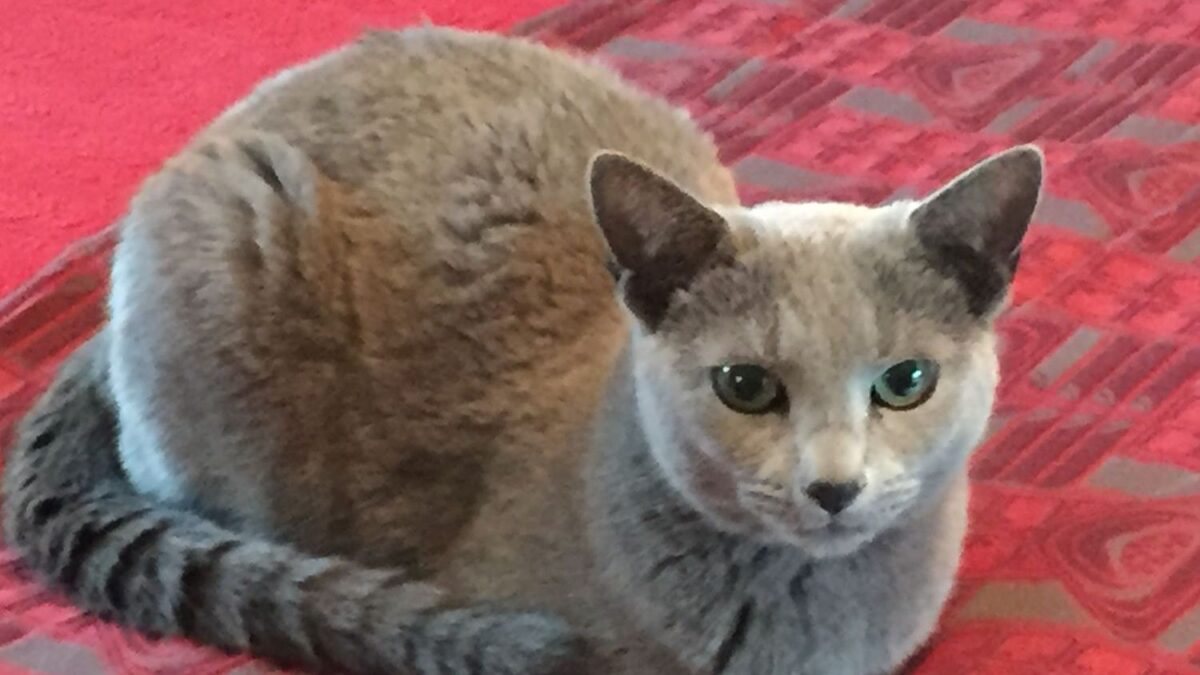
You’re sitting on the couch, gently petting your cat, when suddenly that tail starts swishing back and forth. Is she happy? Annoyed? About to pounce on your hand? Most cat owners have been there, frozen in that moment of uncertainty, completely unsure what the signal means. Here’s the wild part – that tail is actually talking to you. Loudly.
A cat’s tail holds a complex language all its own. Every swish, wag, flick, and curl contains a hidden message, and understanding cat tail positions and movements can give you deeper insight into your cat’s personality and feelings. The trick is knowing how to read it – because not every swish means the same thing. Let’s dive in.
The Tail Is Your Cat’s Most Expressive Feature
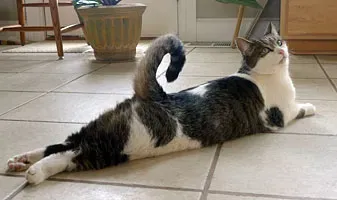
Think of a cat’s tail as a mood ticker, one that runs constantly in the background whether your cat realizes it or not. Cats use their tail movements, along with their eyes, ears, and body postures, to communicate. It’s a full-body language system, and the tail is often the loudest part of it.
The tail is an extension of the spine. While the human spine stops at the pelvis, in animals including cats, the spine continues backward for another 18 to 23 small bones. That’s not just anatomy trivia – it means the tail is deeply connected to your cat’s nervous system, capable of expressing subtle emotional shifts you might miss at first glance.
Most movement is voluntary, but some aspects of a cat’s tail body language are involuntary. For example, the cat’s tail puffing out is caused by the sympathetic nervous system and is involuntary. That’s fascinating, honestly. Your cat isn’t always choosing to show you how she feels. Sometimes her body just does it for her – like a human blush, but fluffier.
Reading the tail language of a cat can also help you identify illness and pain more readily. So this isn’t just a cute party trick to show your friends. Understanding tail signals could genuinely help you catch something serious early.
The Slow Swish vs. The Fast Thrash: Two Very Different Messages
Here’s where most people get confused, and honestly I don’t blame them. A swish is a swish, right? Wrong. The speed and intensity of the movement changes everything.
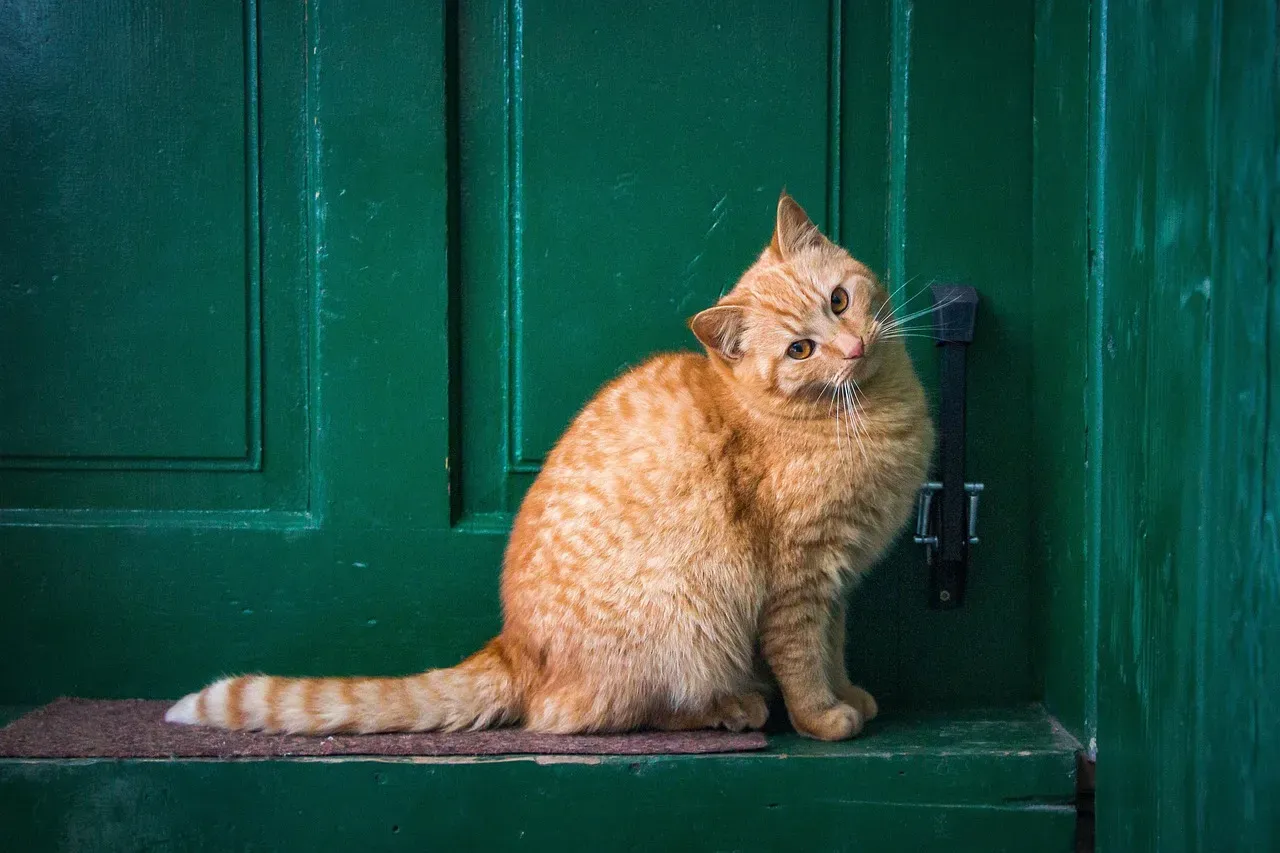
When a cat’s tail is in motion and looks fluid and soft, it’s “swishing.” Generally, this indicates a cat who’s relaxed or calmly interested in what’s happening. They may be alert but aren’t worried or concerned about anything around them. Think of it like a person drumming their fingers on the table while reading a book. Present, but unbothered.
When your cat slowly swishes their tail from side to side, they may be intently focused on something like a toy, another animal in the home, or something outside. They may be about to pounce! It’s that locked-in hunter mode, pure concentration, like a chess player right before a decisive move.
Unlike a slowly swaying tail, when your cat thrashes their tail back and forth, you’ve got an annoyed and/or angry cat on your hands, and it may be about to become aggressive. That’s a completely different story. The fast thrash is not playful. It’s a warning, and a pretty clear one at that. A fast, forceful tail lash or thump is one of the clearest “stop” signals in cat tail language.
So next time you’re petting your cat and that tail starts picking up speed, pay attention. She’s telling you something important.
What a Raised, Curled, or Tucked Tail Is Really Saying
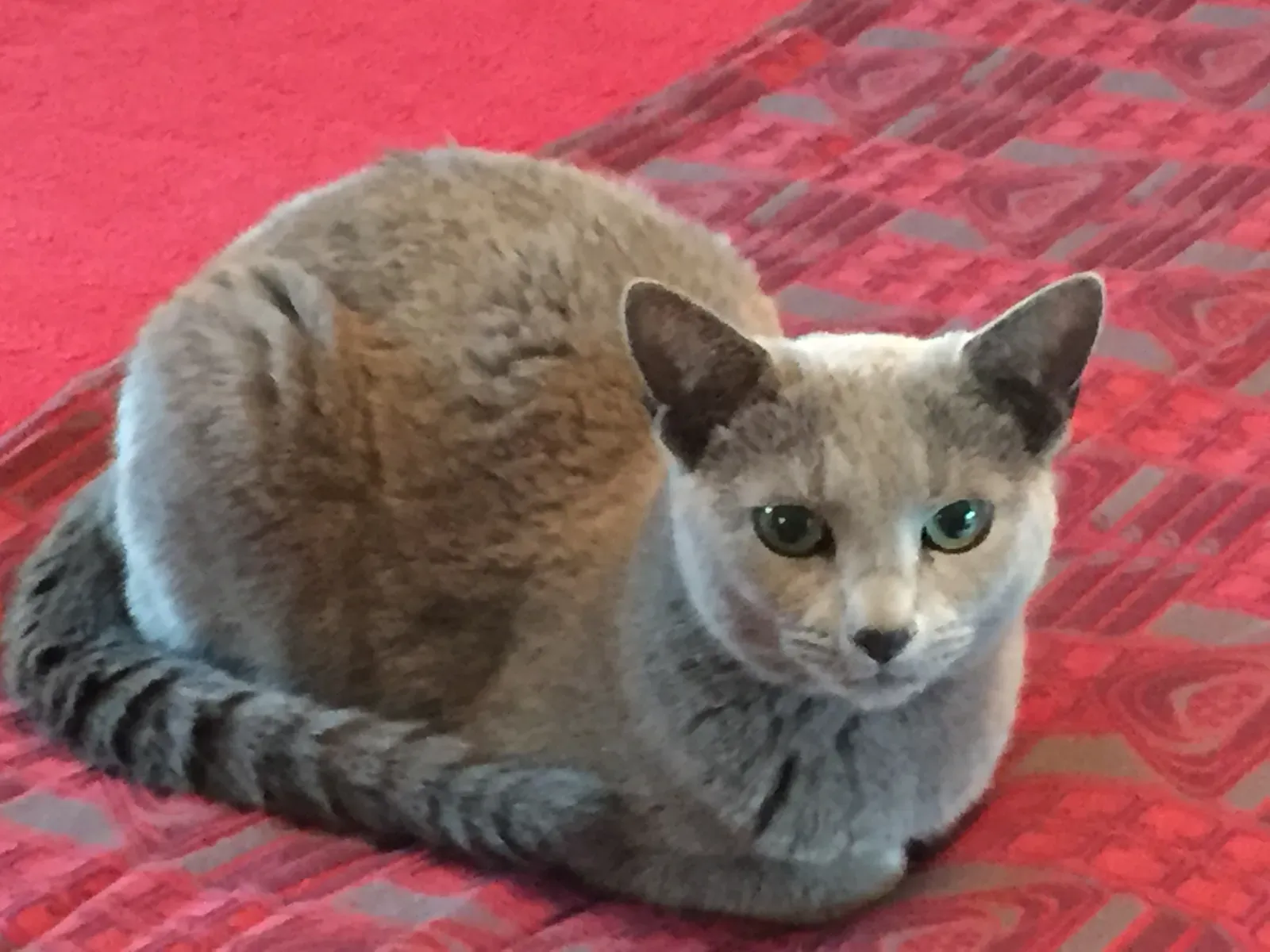
Beyond the swish, the actual position of the tail tells you just as much about your cat’s inner world. And some of these positions are surprisingly sweet when you understand them.
When a cat’s tail is upright, they are feeling social and confident, and are approaching in a friendly manner. This cat tail language indicates a friendly greeting between cats, and it’s how kittens greet their mothers. So when your cat struts toward you with her tail held high, that’s basically a hug in feline language.
If your cat bends their tail into the shape of a hook or question mark, this is a very positive sign. According to veterinary behaviorists, “question mark tail” is a pro-social behavior. It’s your cat saying, “Hey, I like you, let’s hang out.” Respond accordingly. Give them some attention.
Similar to dogs, a lowered tail can mean your cat is feeling uncomfortable or scared. In fact, the closer the tail is to the cat’s body, the less comfortable your cat is feeling. When a cat feels afraid, they attempt to pull in vulnerable parts like their tail. It’s a self-protective instinct, and it’s worth giving your cat space when you notice it.
If your kitty wraps their tail around you, they are probably showing trust and security. I think this one is especially beautiful. In a way, it’s the equivalent of someone gently laying their hand on your arm during a conversation. It’s quiet affection.
When the Puffed Tail Appears – and Why It Matters
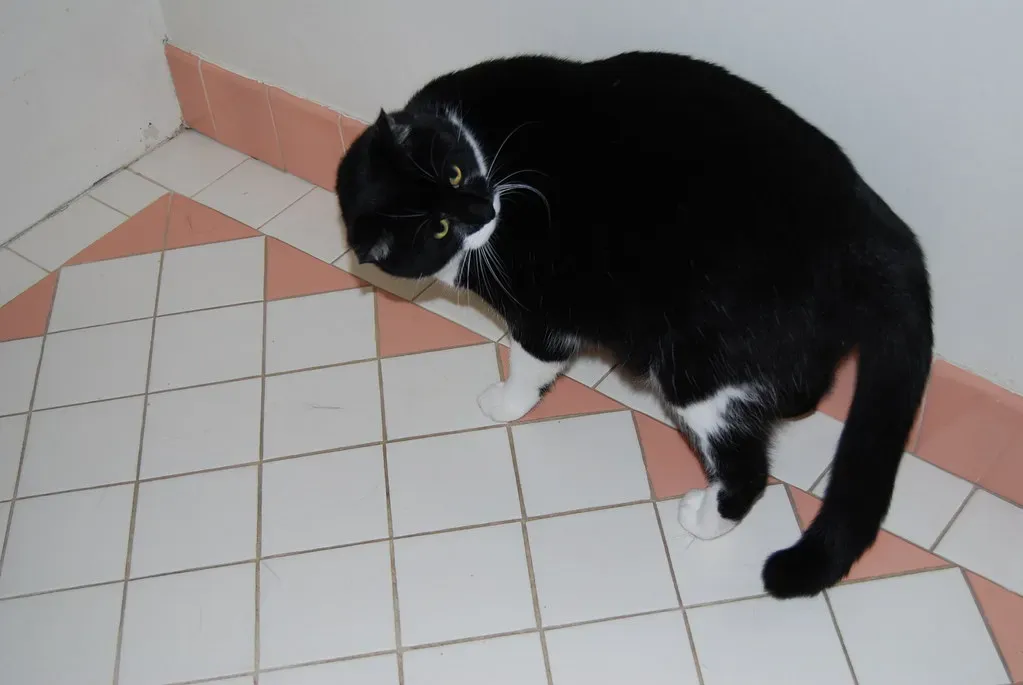
If you’ve ever seen a cat transform into what looks like a bottlebrush on legs, you’ve witnessed one of the most dramatic tail signals in the feline playbook. It’s startling, it’s instinctive, and it tells you a lot about your cat’s state of mind.
A puffed-up tail is a classic indicator that your cat feels frightened or threatened. This dramatic display makes your cat appear larger to ward off potential threats. A frightened cat may also arch its back and puff out its fur in response to a perceived danger.
Your cat is trying to make itself appear larger to scare predators away. Stress hormones in response to a “fight or flight” situation contract the tail muscles, making their fur stand on end and appear twice its size. It’s involuntary, purely biological, a survival mechanism that goes back thousands of years.
Now, here’s where it gets interesting. A puffed tail isn’t always a red flag. Sometimes a playful or energetic cat will have a puffed-up tail in response to heightened emotional arousal. So context, as always, is everything with cats. A puffed tail in the middle of a playful zoomies session is very different from a puffed tail near a stranger or loud noise.
This defensive reaction is often triggered by feeling threatened by other animals in the yard, dogs approaching, visitors in the home, or sudden noises. Removing the inciting triggers can decrease your cat’s stress. If you try to interact with your cat when their hair is standing up, they may perceive your approach as a threat and become aggressive. Best advice: give them room, and let the tail deflate on its own.
Reading the Whole Cat, Not Just the Tail
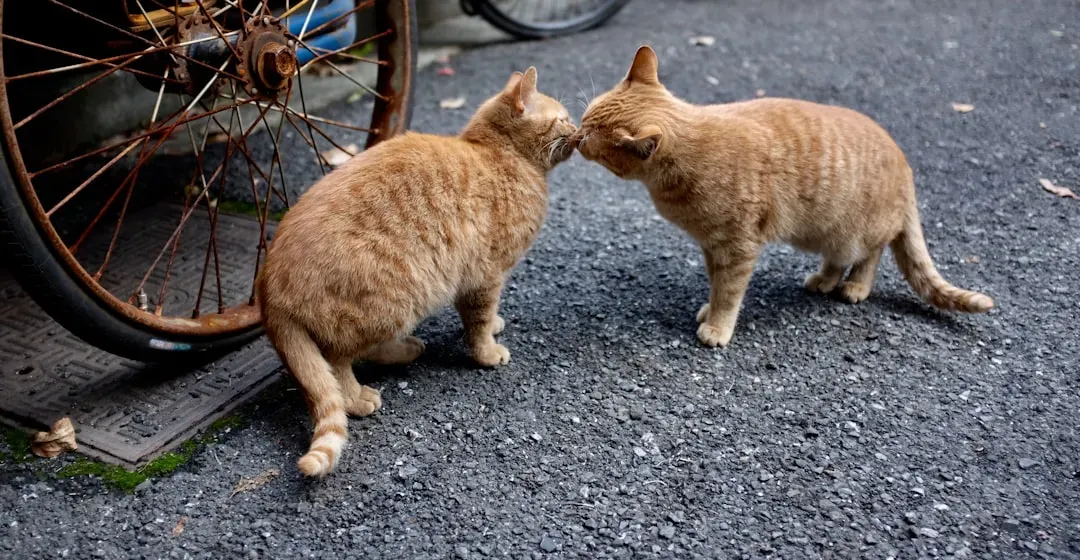
Let’s be real. Even after all of this, a single tail movement in isolation isn’t always enough. Your cat is not a simple decoder ring where one gesture equals one emotion. The real skill is reading the whole picture at once.
One tail position alone doesn’t tell the full story. For the most accurate read, always consider context and the rest of your cat’s body language, including eyes, ears, body posture, and environment. It’s almost like learning a new language, where grammar matters just as much as vocabulary.
When it comes to reading feline body language, don’t just look at the tail position. Pay attention to things like ear position, back, and full body posture to get a better idea of your cat’s current behavior and mood. Eyes are also important. For example, a slow blink is a sign of love and trust, while constricted pupils signal nervousness.
Cats are masters of non-vocal communication. The emotions they convey with their tails are excellent examples of this ability. It’s adaptive, and it helps them avoid detection by prey or predators to get their point across silently. When you think about it that way, it’s actually extraordinary. Your cat has developed an entire silent language across thousands of years of evolution.
Most of the time, cat tail language reflects mood – curiosity, playfulness, irritation, or fear. Sometimes, though, changes in your cat’s tail behavior can be an early warning sign of pain, injury, stress, or a medical issue. If your cat’s tail habits suddenly change for no obvious reason, it’s worth a call to your vet. Tail behavior that’s out of character can sometimes be the first clue something physical is wrong.
Conclusion: Your Cat Has Been Talking All Along
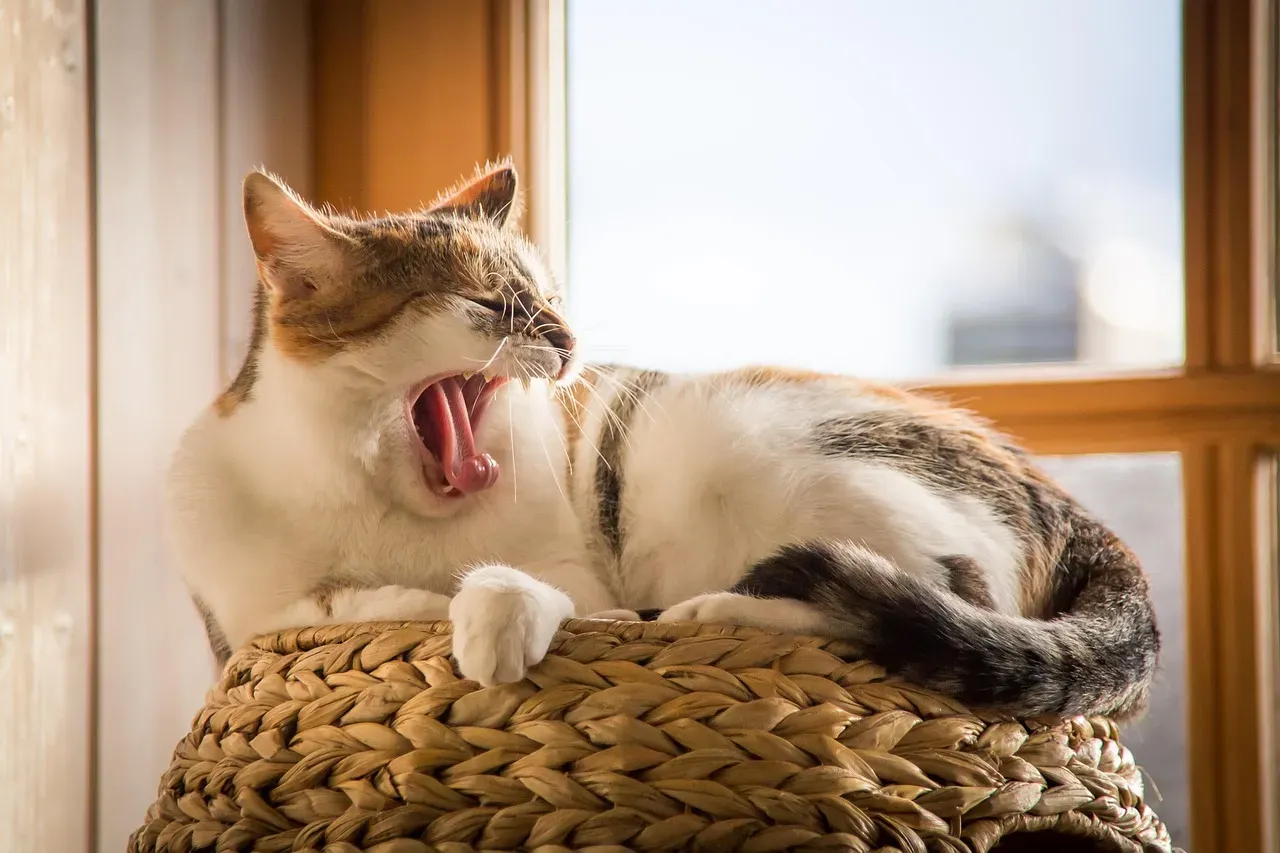
So, Honestly, yes – at least more than most people realize. The swish is not random. The curl is not coincidental. The puffed-up drama queen tail is not an overreaction. It’s all communication, layered and nuanced and very much intentional.
When you notice your cat’s tail starting to flick and you pause petting, you’re not just avoiding a scratch – you’re building trust. When you recognize a playful, upright tail and offer a short play session, you reinforce positive feelings and strengthen your bond. Over time, your cat learns that you “get it,” and many cats become even more expressive once they feel listened to.
There is something quietly wonderful about that idea. The more you pay attention, the more your cat opens up. It’s a relationship that grows through observation, patience, and a willingness to really watch and listen – even when the message comes from the tip of a tail.
Next time your cat’s tail starts moving, don’t ignore it. What do you think she’s trying to tell you?

- 10 Amazing Facts About Penguins - July 24, 2026
- 8 Ways to Create a Wildlife-Friendly Backyard Oasis for Local Critters - July 24, 2026
- How to Keep Your Pet Safe from Household Hazards - July 24, 2026