
Pack Instincts Run Deeper Than Simple Loyalty
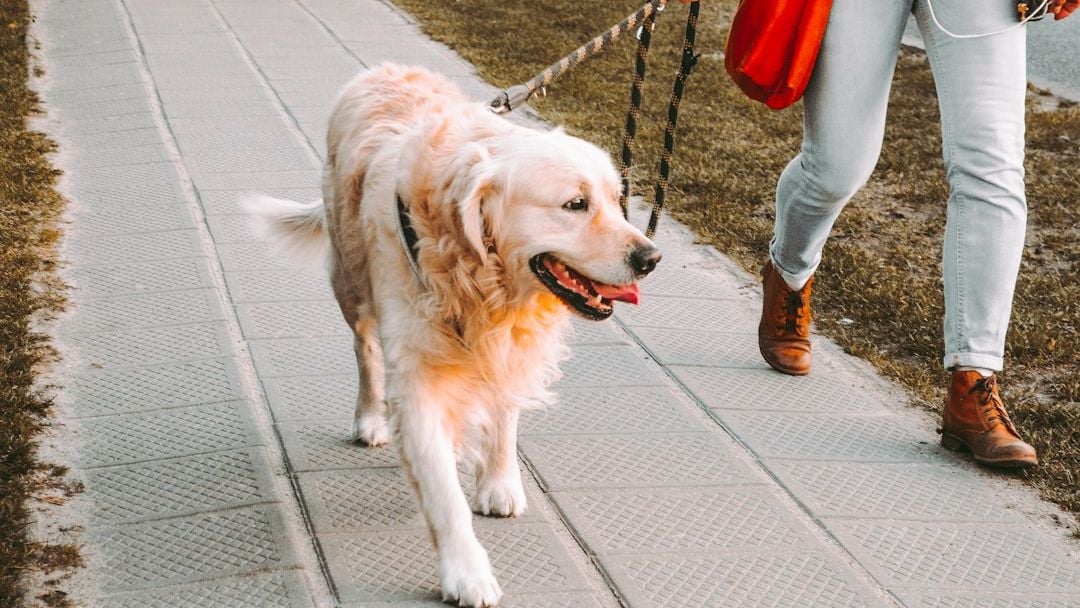
Dogs evolved as social hunters who rarely ventured far from the group. In the wild, staying together meant survival against predators and better access to resources. Your dog still carries that wiring, viewing you as the central figure in their pack.
When the bathroom door closes, it triggers an ancient response to maintain proximity. This is not conscious choice but an automatic drive for connection and security. The behavior reinforces the bond without requiring any dramatic display of emotion.
Curiosity Drives the Constant Companionship
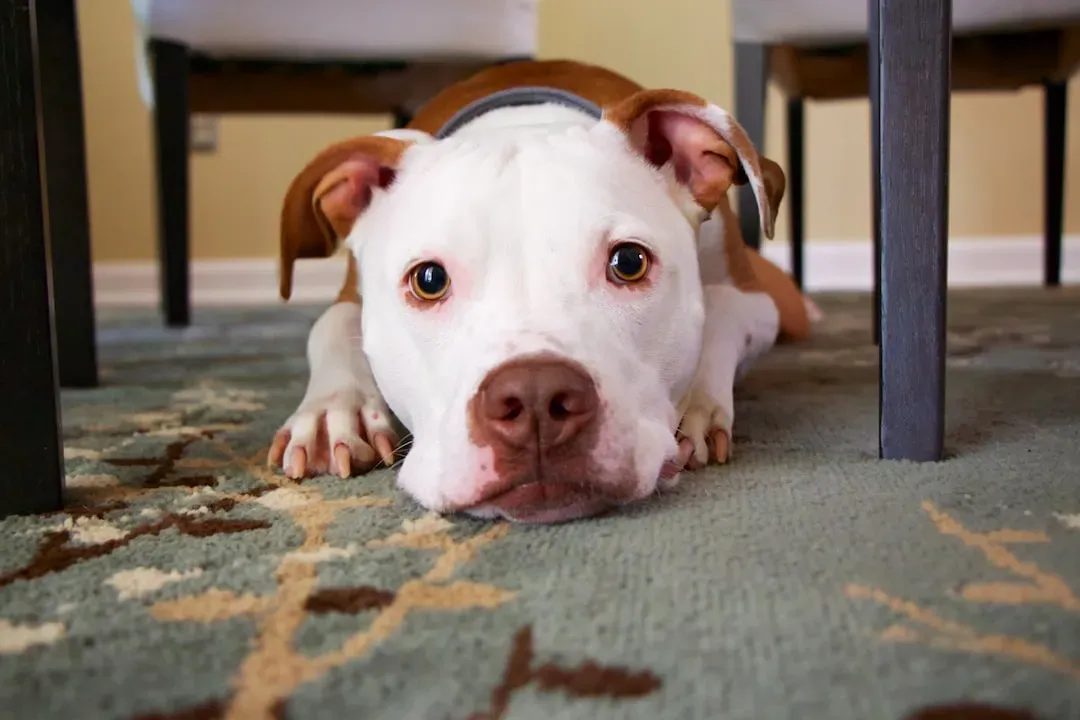
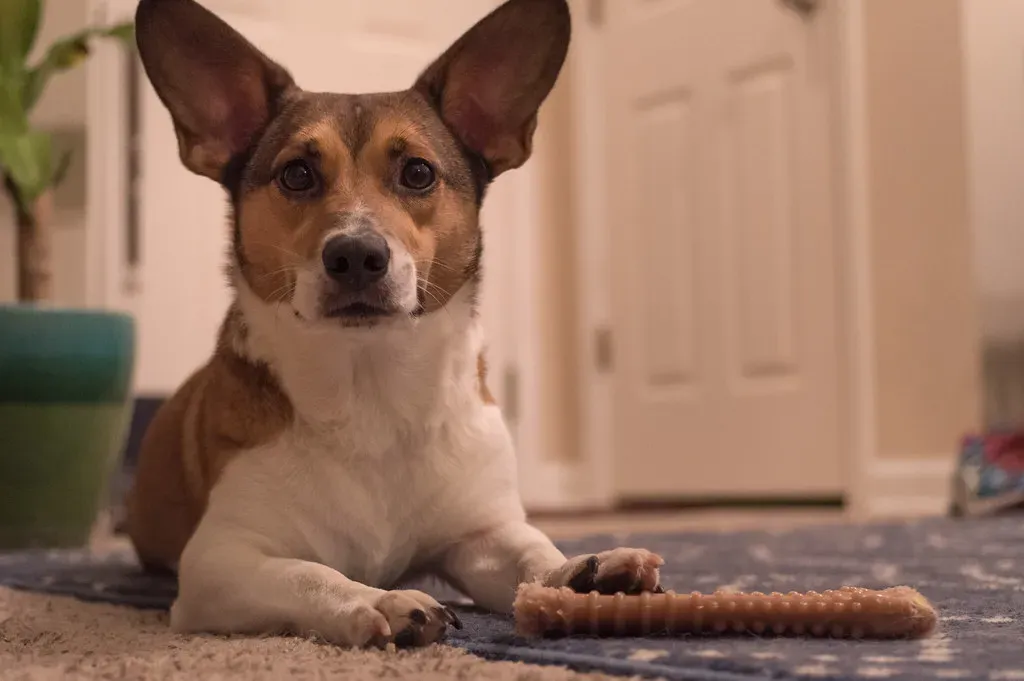
Closed doors spark immediate interest in a species wired to investigate changes in their environment. Your dog wonders what happens behind that barrier and whether it signals something worth noting. Routine movements like heading to the bathroom become predictable events they want to observe firsthand.
This inquisitive streak keeps them engaged with daily life alongside you. It turns ordinary moments into shared experiences rather than solitary ones. Over time the pattern strengthens because each instance satisfies that natural urge to know.
Separation Anxiety Can Play a Role
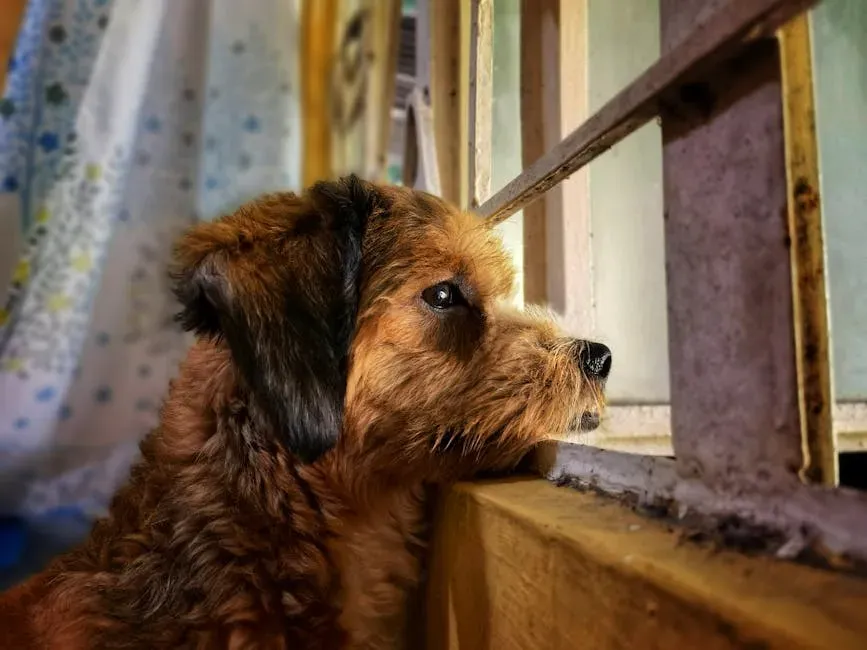
For some dogs the impulse goes beyond normal attachment and edges into distress at even brief separations. Short absences behind a door can feel unsettling if the dog has learned to associate your presence with safety. Signs include pacing or vocalizing when you disappear from view.
Canine behavior experts note that this pattern often appears alongside other clingy habits throughout the day. It reflects a deeper need for reassurance rather than casual preference. Addressing it usually involves gradual training to build confidence during alone time.
The Power of Routine and Habit
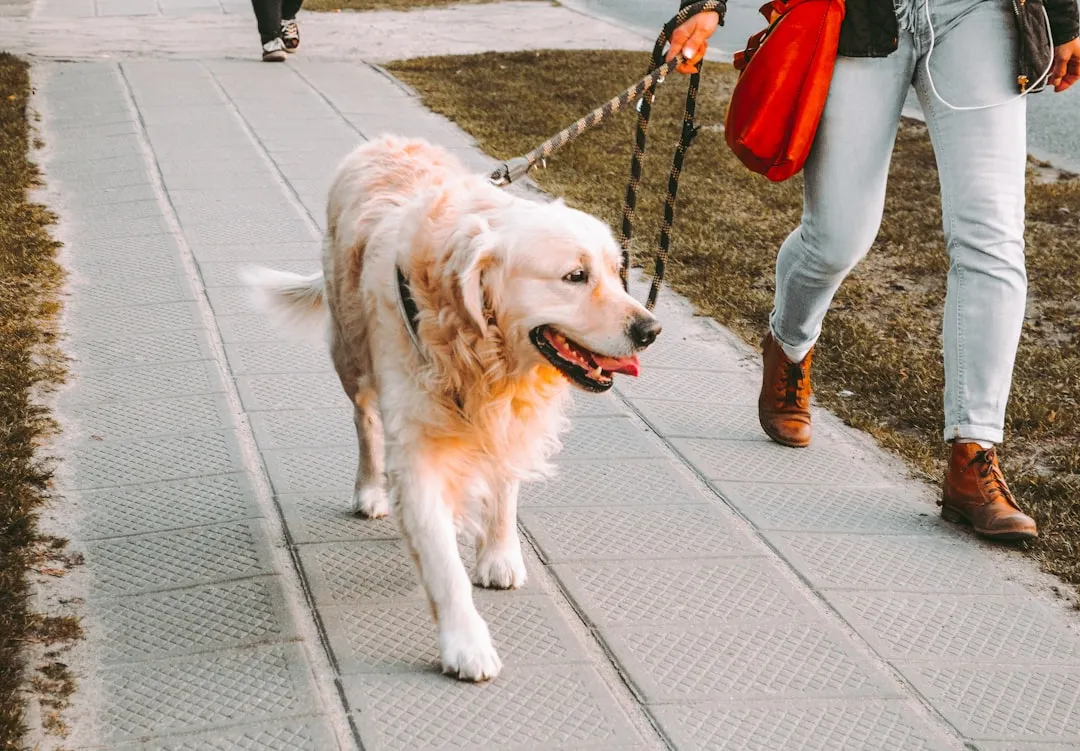
Dogs thrive on predictable sequences because they reduce uncertainty in their world. If following you to the bathroom has happened since puppyhood without correction, it simply becomes part of the expected flow. The action carries no deeper drama once established.
Positive outcomes reinforce the habit further. Your dog learns that staying close leads to continued interaction once you emerge. Small rewards like a quick pat or resumed play keep the cycle going without any deliberate training on your part.
Evolutionary Echoes in Modern Homes
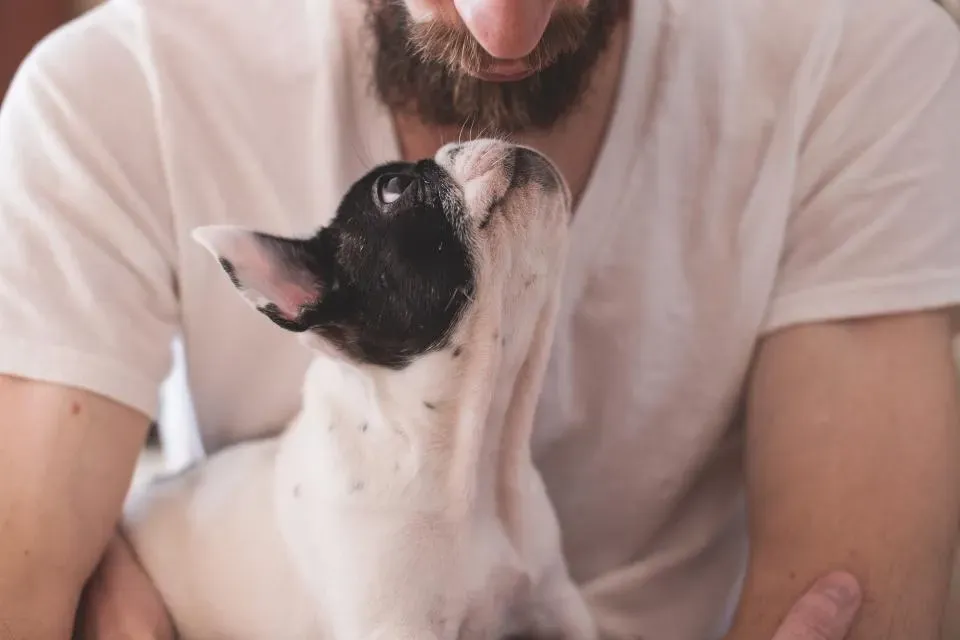
Domestic dogs descend from ancestors who coordinated every activity as a unit. Eating, resting, and even relieving themselves happened within the safety of the group. Modern living rooms and bathrooms represent the same social unit in a different setting.
Those ancient pressures still shape responses today even when physical threats have vanished. The drive persists because it once conferred real advantages. Understanding this context helps owners see the behavior as adaptive rather than merely quirky.
Reading the Signs in Your Own Dog
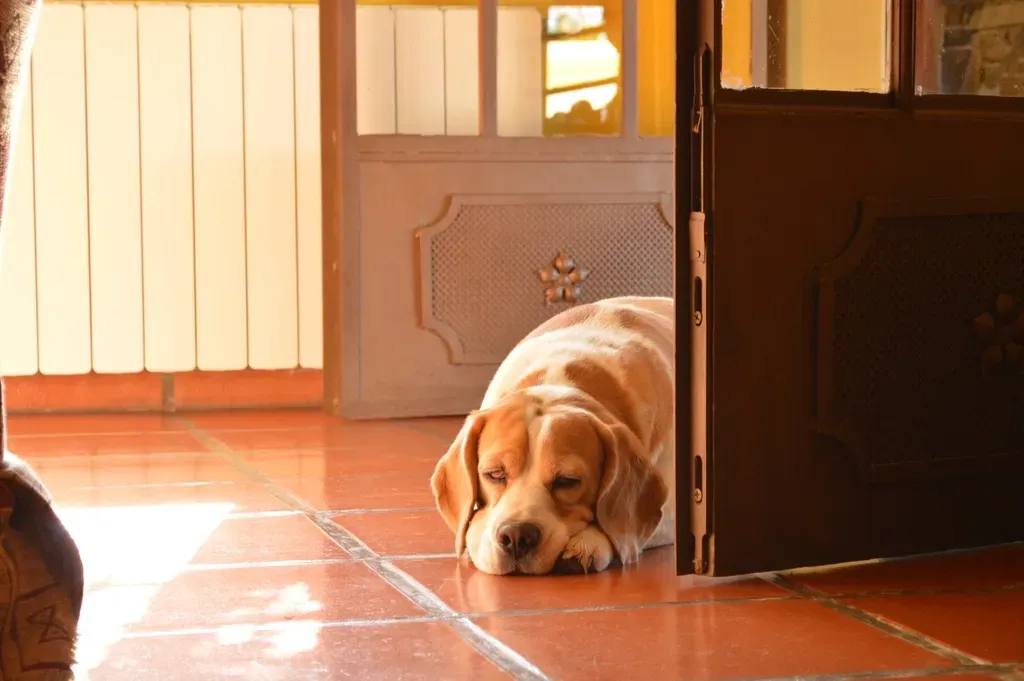
Observe whether the bathroom pursuit comes with other indicators like whining at doors or reluctance to settle when you leave the room. Context matters more than the single action itself. A relaxed dog who simply trails along differs from one showing clear tension.
Tracking these patterns over several days reveals whether the motivation leans toward anxiety or comfortable companionship. Simple adjustments like leaving the door slightly ajar can test responses without major changes. Professional guidance helps when the behavior disrupts daily life.
Seeing the Relationship Through a Wider Lens
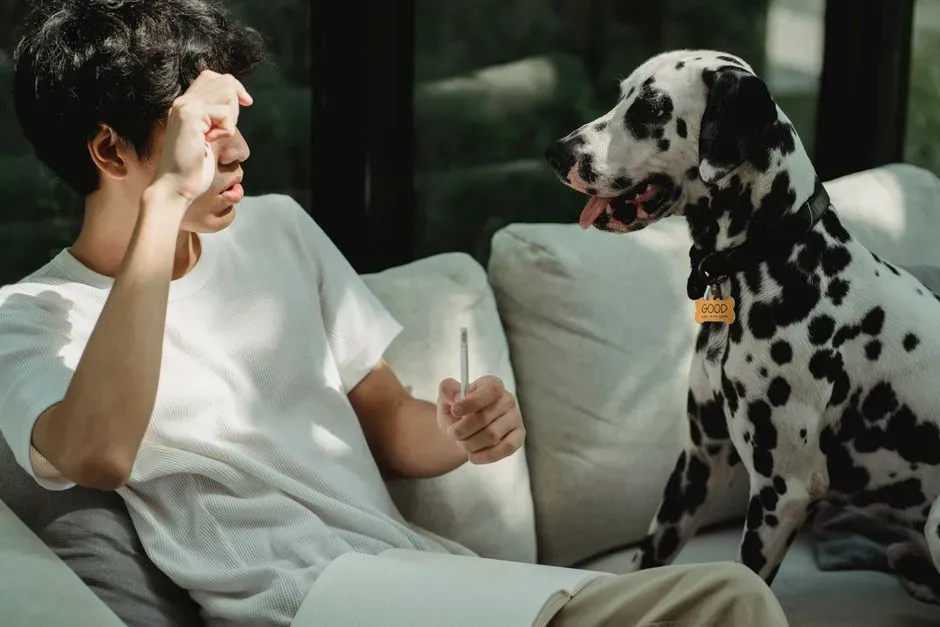
Recognizing these deeper layers shifts how owners interpret everyday moments with their dogs. What once seemed like cute loyalty now appears as a window into instinct, learning, and emotional needs. The shift encourages more thoughtful responses rather than automatic assumptions.
Ultimately the bathroom escort reminds us that dogs navigate the world through an older set of rules than we often credit. Meeting them on those terms strengthens the connection in quiet, practical ways. The result is a steadier partnership built on genuine understanding instead of surface interpretations.
