

That familiar sideways cock of the head when you call your dog’s name or mention a favorite toy has charmed owners for generations. It looks like simple curiosity or an attempt to listen more closely, yet recent observations in canine cognition point to something more deliberate happening inside those furry skulls.
The behavior appears tied to how certain dogs handle meaningful human speech, especially words they have come to associate with specific objects or actions. Rather than a random quirk, the tilt may mark a moment of active mental matching between sound and memory.
The Research That Linked Tilting to Word Recognition
🔥 Would you like to save this?
We'll email this post to you, so you can come back to it later!
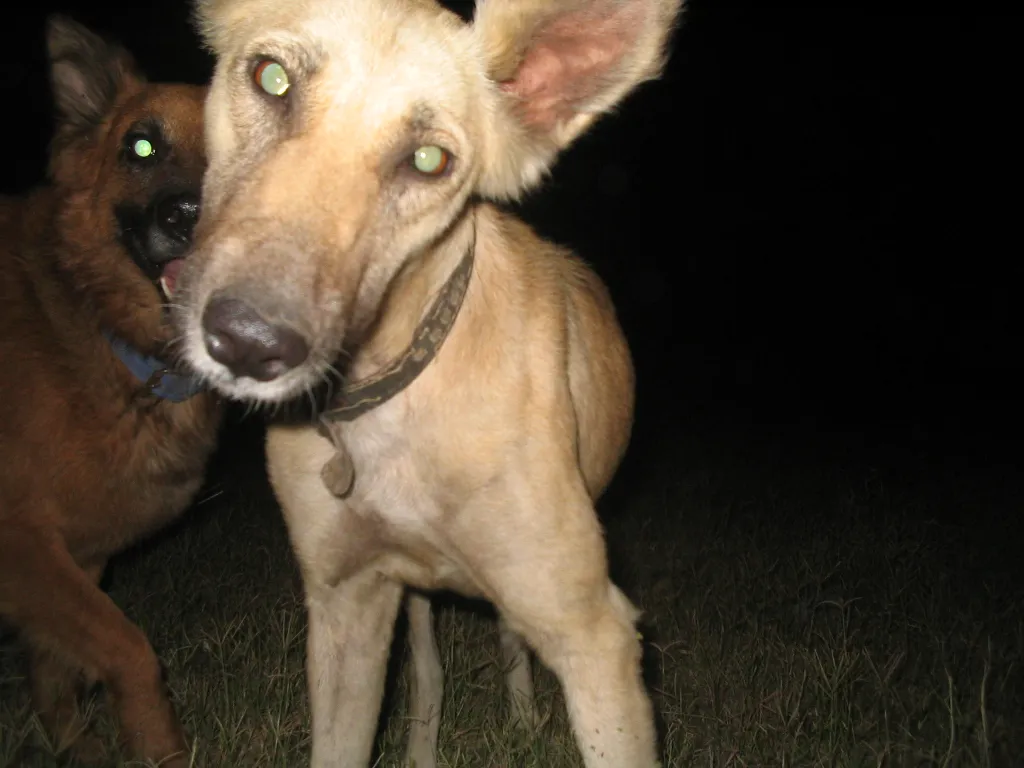
A 2021 study published in Animal Cognition examined dogs during tests where owners asked them to fetch specific toys by name. Only a small group of dogs, labeled gifted word learners, consistently succeeded at this task and showed a striking pattern in their responses.
These dogs tilted their heads in roughly 43 percent of trials when hearing a familiar toy name, while typical dogs did so in just 2 percent of the same situations. The tilt occurred after the word was spoken, during the brief window when the dog appeared to be retrieving a mental image of the requested item. Each gifted dog also favored one consistent direction across repeated tests, regardless of where the owner stood.
Why Some Dogs Excel at Learning Object Names
🔥 Would you like to save this?
We'll email this post to you, so you can come back to it later!
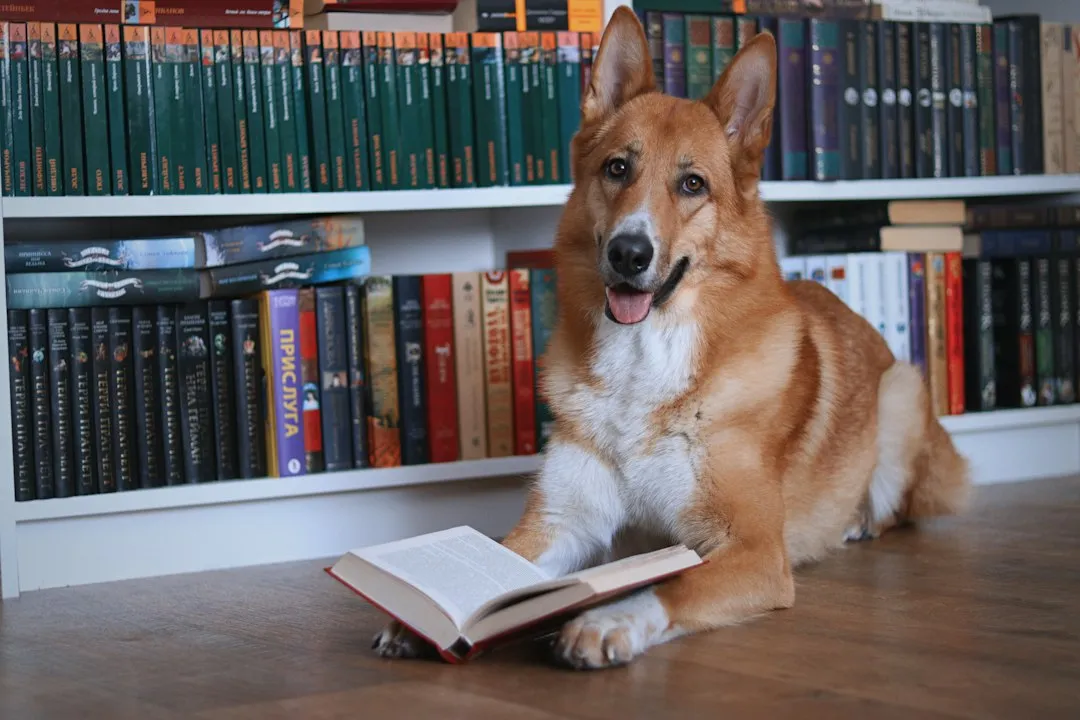
Most dogs can master a handful of basic commands, yet learning dozens of individual toy names remains rare. The gifted word learners in the study demonstrated an unusual ability to retain and retrieve these labels over months of training, far beyond what chance would predict.
Researchers noted that the head tilt emerged most reliably when the spoken word carried personal meaning for that dog. Novel or untrained words produced far fewer tilts, suggesting the movement reflects cognitive effort rather than a general reaction to any human voice. This distinction helps separate simple sound detection from deeper processing of learned vocabulary.
Brain Lateralization and the Direction of the Tilt

🔥 Would you like to save this?
We'll email this post to you, so you can come back to it later!
Dogs, like humans, show signs of hemispheric specialization when handling language. A more recent examination of over one hundred household dogs found a clear rightward bias in head tilts during familiar speech, consistent with greater involvement of the left brain hemisphere for lexical processing.
Neutered male dogs tilted more frequently than spayed females in the same conditions, echoing patterns observed in human language lateralization where males often display stronger hemispheric dominance. The consistency of direction for individual dogs further supports the idea that the tilt is not random but tied to stable neural preferences.
Alternative Explanations That Still Hold Weight
🔥 Would you like to save this?
We'll email this post to you, so you can come back to it later!
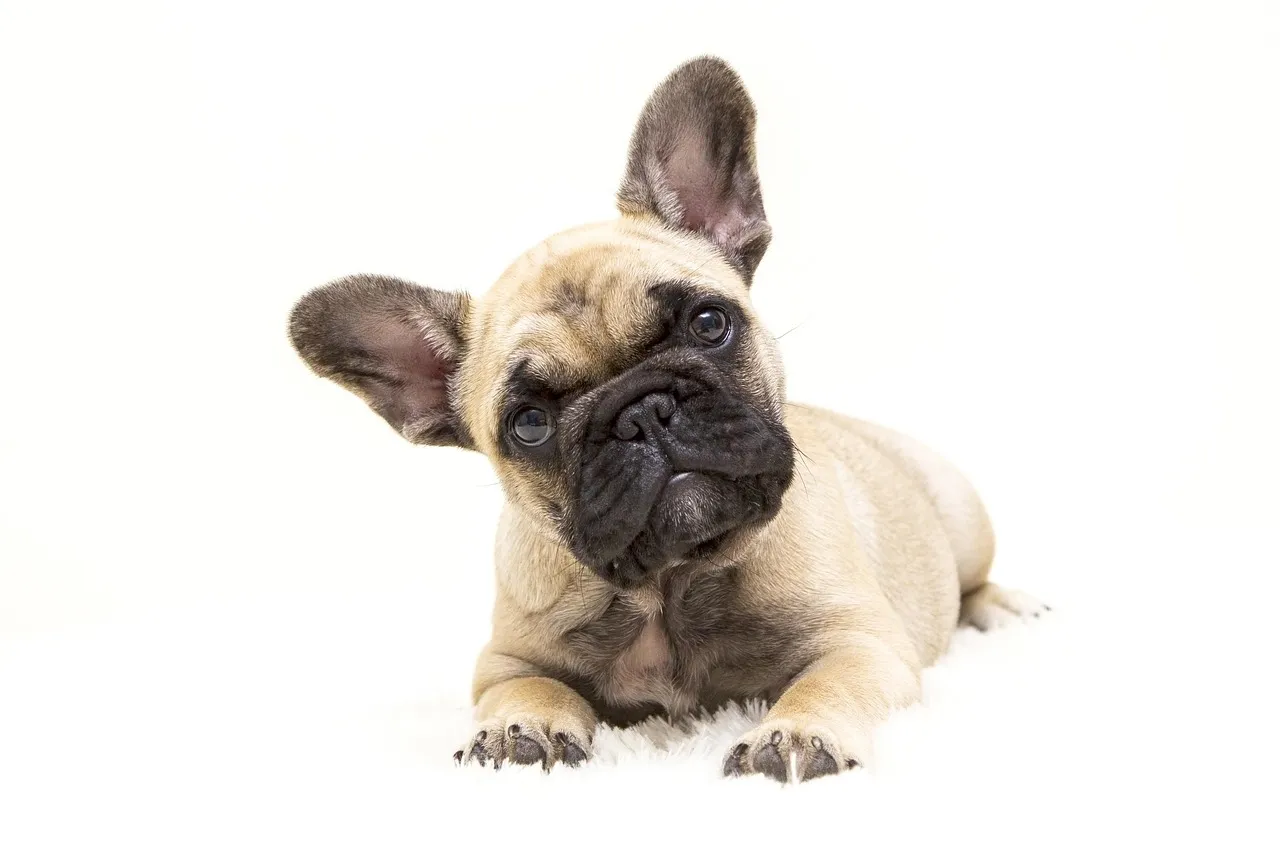
Longstanding theories suggest dogs tilt to improve hearing by adjusting their ear position or to see around their muzzle when looking up at a person. These practical advantages likely play a role in many everyday interactions, especially with dogs that have longer snouts.
Even so, the word-specific pattern observed in gifted learners indicates that cognitive factors can amplify or trigger the movement beyond basic sensory adjustments. The two explanations are not mutually exclusive; a dog might combine better auditory focus with mental word retrieval in a single fluid motion.
How Owners Might Notice This Behavior at Home
🔥 Would you like to save this?
We'll email this post to you, so you can come back to it later!
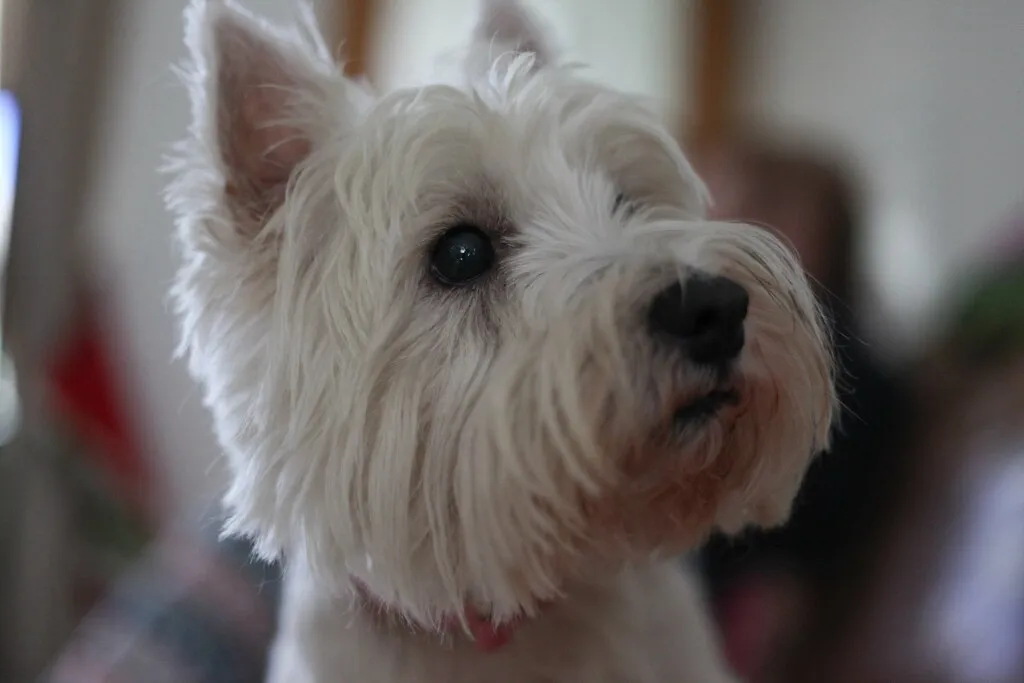
Paying attention during routine play or training sessions can reveal whether a dog tilts more often with certain phrases. Commands or labels tied to well-practiced routines, such as fetching a particular ball or preparing for a walk, tend to elicit the response in dogs that have formed strong associations.
Video recordings from multiple angles help track whether the tilt direction stays consistent over time and whether it appears only after meaningful words rather than neutral sounds. Owners who keep simple notes on context and frequency often spot patterns that align with the research findings on attention and memory matching.
Practical Ways to Support Word Learning in Dogs
🔥 Would you like to save this?
We'll email this post to you, so you can come back to it later!
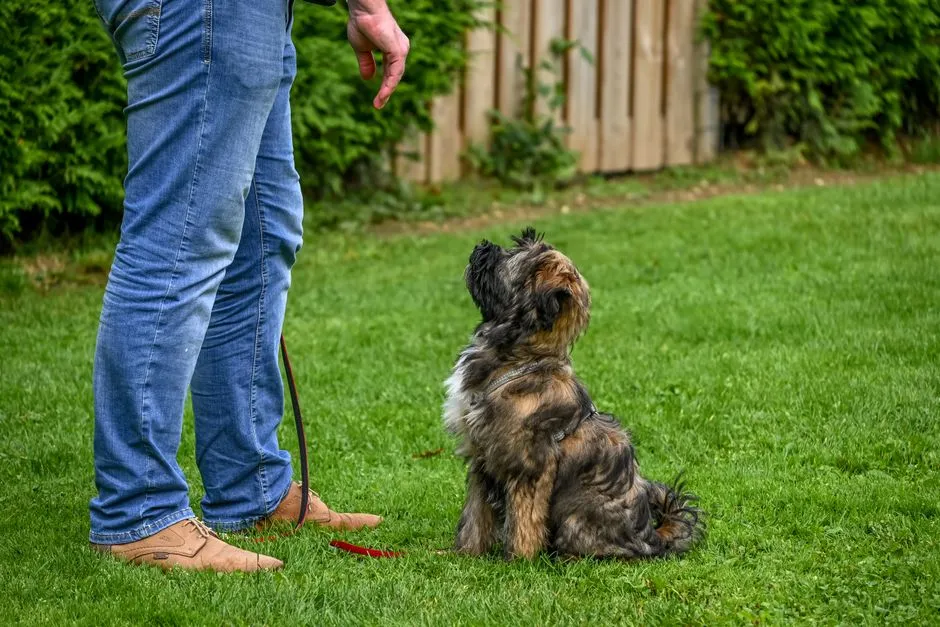
Consistent, positive repetition of object names during play builds the kind of associations that may prompt head tilting. Short sessions focused on one or two new items at a time, paired with immediate rewards for correct retrieval, mirror the training approach used in the studies.
Patience matters, since most dogs require extensive exposure before they reliably connect a spoken label to a specific item. Celebrating small successes without pressure keeps the experience enjoyable and may gradually increase the moments when a dog shows that thoughtful sideways glance.
What the Tilt Reveals About Canine Minds

🔥 Would you like to save this?
We'll email this post to you, so you can come back to it later!
The behavior offers a visible window into how dogs categorize and recall human language, highlighting individual differences in cognitive ability that parallel variations seen across other species. Gifted learners demonstrate that some dogs can handle surprisingly complex auditory-visual matching tasks.
Recognizing these moments encourages owners to view everyday interactions as opportunities for mental engagement rather than simple commands. The tilt serves as a quiet signal that the dog is actively working with the information provided.
Looking Ahead at Our Shared Understanding

🔥 Would you like to save this?
We'll email this post to you, so you can come back to it later!
Continued observation of this subtle cue deepens appreciation for the quiet intelligence dogs bring to daily life with humans. It reminds us that what appears as a charming habit may reflect genuine mental work on their part.
Paying closer attention to these signals can strengthen the bond by aligning our communication more closely with how dogs actually process the words we offer them. In the end, that small tilt keeps revealing new layers of the remarkable partnership between our two species.

- Embracing the Quiet Magic of Adopting a Senior Dog - November 5, 2026
- Scientists May Have Miscalculated Our Global Warming Timeline - November 5, 2026
- Marine Biology Says When Dolphins Suddenly Go Silent in Open Water It's Not Rest – They've Detected a Predator You Cannot See and Their Survival Strategy Reveals How They Read Danger - November 5, 2026