
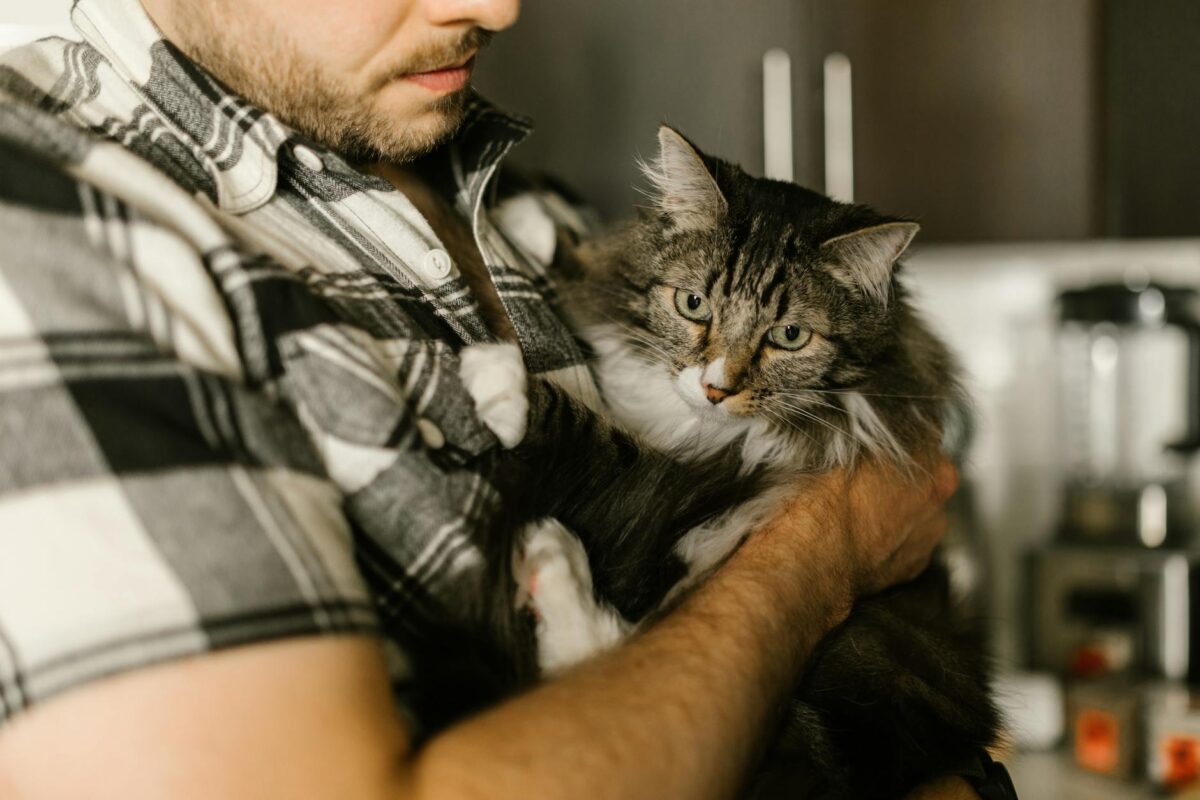
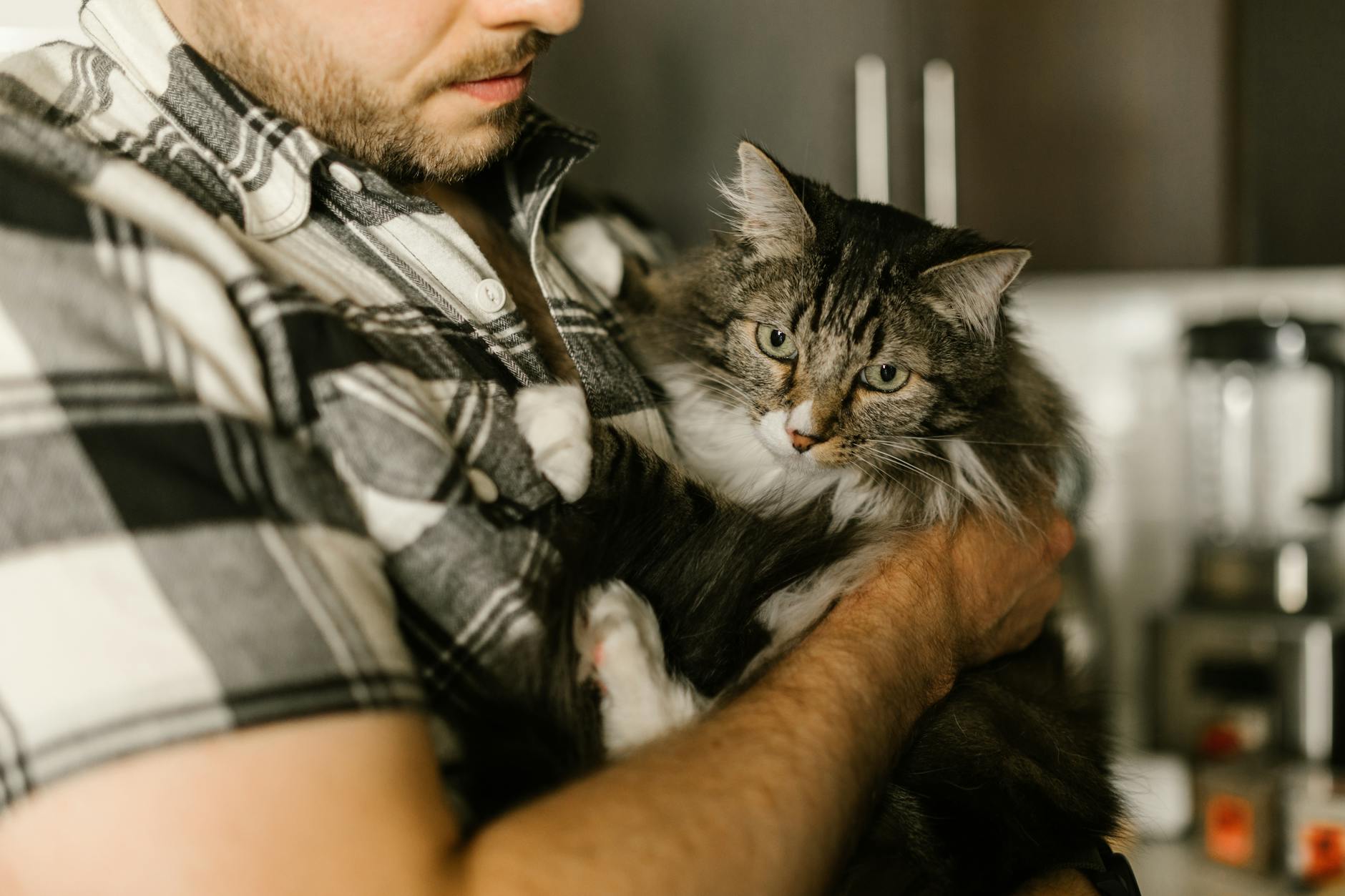
Cats Vocalize More with Male Owners (Image Credits: Littlebuddythecat.com)
Recent studies have begun to unravel long-held assumptions about how men interact with cats, revealing bonds that defy popular narratives.
Cats Vocalize More with Male Owners
A small but intriguing study highlighted how pet cats greeted male owners with more vocalizations than female caregivers. Researchers observed that felines produced twice as many meows when men entered the home compared to women. This behavior suggested cats adjusted their communication to capture attention more effectively from male companions.
Experts attributed this pattern to subtle differences in how owners respond. Men often required louder or more persistent signals to engage, prompting cats to amplify their efforts. The findings challenged the idea that cats ignored or dismissed male humans, instead portraying them as active participants in the relationship dynamic.
Participants in the study included diverse households where cats displayed consistent preferences in vocal interactions. Such observations occurred over several sessions, providing a glimpse into daily routines. The research emphasized that these interactions built mutual understanding over time.
Shifting Perceptions of Masculinity and Pet Ownership
Social media discussions have increasingly celebrated men who share their lives with cats, countering stereotypes that label them as less masculine. Posts on platforms like X described cat-owning men as patient and attuned to boundaries, qualities that mirrored positive relationship traits. One sentiment noted that earning a cat’s affection required respect and persistence, much like nurturing any deep connection.
Earlier research painted a different picture, with some findings indicating stronger bonds between cats and female owners. Cats approached women more frequently and initiated contact like lap-jumping with greater enthusiasm. However, newer insights suggested these patterns stemmed from owners’ behaviors rather than inherent feline biases.
Cultural norms played a role too. In regions where men traditionally favored dogs for their outgoing nature, cats represented a quieter companionship. This shift encouraged more men to embrace feline friendships, fostering environments where cats thrived on their terms.
Science Behind Feline-Human Attachments
Biologists explained that cats treated humans like oversized kittens, using grooming and playful gestures to reinforce ties regardless of gender. A report from European pet populations underscored cats’ global appeal, with millions forming households worldwide. These animals communicated through body language and vocal cues, adapting to their companions’ responses.
Studies from institutions like the University of Vienna revealed cats remembered acts of kindness and reciprocated accordingly. If an owner responded to a cat’s overtures, the feline often returned the favor during future interactions. This negotiation highlighted cats’ intelligence in building rapport.
Global estimates placed the cat population between 200 million and 600 million, many living as cherished pets. In Australia and Japan, cat ownership rates reflected broad acceptance across demographics. Such data illustrated how felines integrated into varied human lifestyles, including those of men seeking low-key bonds.
Practical Ways Men Strengthen Cat Bonds
Owners discovered effective strategies to enhance their relationships with cats, starting with consistent routines. Providing enrichment through toys and scratching posts encouraged interaction without overwhelming the animal’s independence. Men who respected a cat’s space often saw quicker trust-building, as felines chose when to engage.
Observation proved key. Noticing subtle tail flicks or ear positions helped interpret a cat’s mood, leading to more responsive care. Regular play sessions, lasting just 10-15 minutes daily, boosted affection and reduced stress for both parties.
- Respect boundaries: Allow the cat to approach first, avoiding forced cuddles.
- Use vocal cues: Respond to meows with calm acknowledgment to reinforce communication.
- Offer varied perches: High spots give cats security, making them more open to interaction.
- Maintain health checks: Routine vet visits ensure a happy, active companion.
- Share quiet moments: Sitting nearby without demands builds comfort over time.
Key Takeaways
- Cats adapt their meows to male owners, showing intentional engagement.
- Stereotypes overlook the patience required for true cat bonds.
- Science confirms mutual benefits in these human-feline relationships.
As research continues to illuminate these dynamics, men and cats emerge as compatible pairs in modern homes. The evolving narrative invites more people to reconsider preconceptions and embrace the unique companionship felines offer. What experiences have you had with cats in your life? Share in the comments below.

- 6 US States With the Most Wild Turkey - July 29, 2026
- The World’s Deepest Oceans Harbor Creatures with Unbelievable Survival Skills - July 29, 2026
- 12 Dog Breeds That Stay Healthy Well Into Old Age - July 29, 2026