

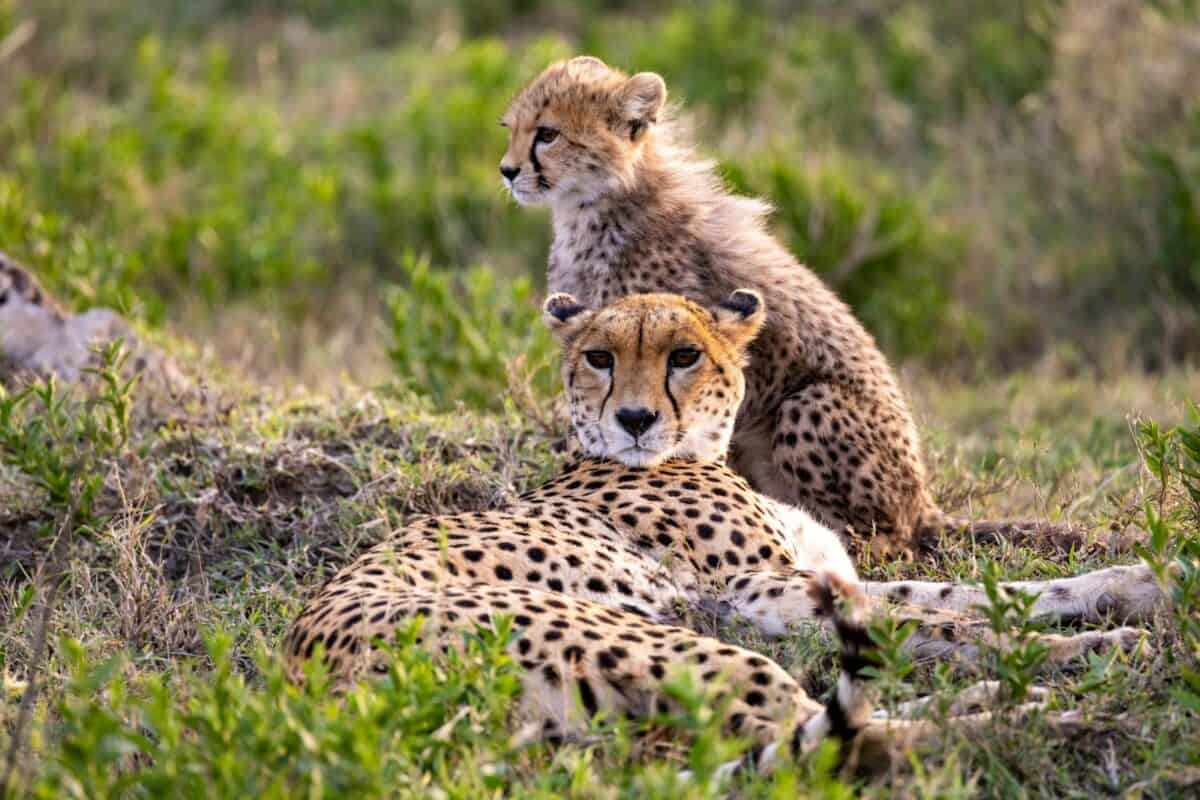
In the golden grasslands of the African savanna, cheetah mothers engage in what appears to be playful games with their cubs, but these interactions serve a crucial purpose beyond mere entertainment. These seemingly lighthearted activities are actually sophisticated teaching moments, carefully designed to impart essential hunting skills that will determine the cubs’ future survival. Unlike many other big cats, cheetahs rely almost exclusively on their mother’s guidance to develop the specialized hunting techniques required for their unique high-speed predation style.
Research conducted by the Cheetah Conservation Fund has shown that cubs who engage in more frequent play-learning sessions with their mothers have significantly higher survival rates once independent. These interactive teaching sessions typically begin when cubs are around three weeks old and continue until they leave their mother at approximately 18 months of age. During this critical learning period, a mother cheetah will dedicate up to 70% of her interactions with cubs to some form of skill development, highlighting the importance of these playful yet purposeful games.
Understanding the Cheetah’s Unique Hunting Style
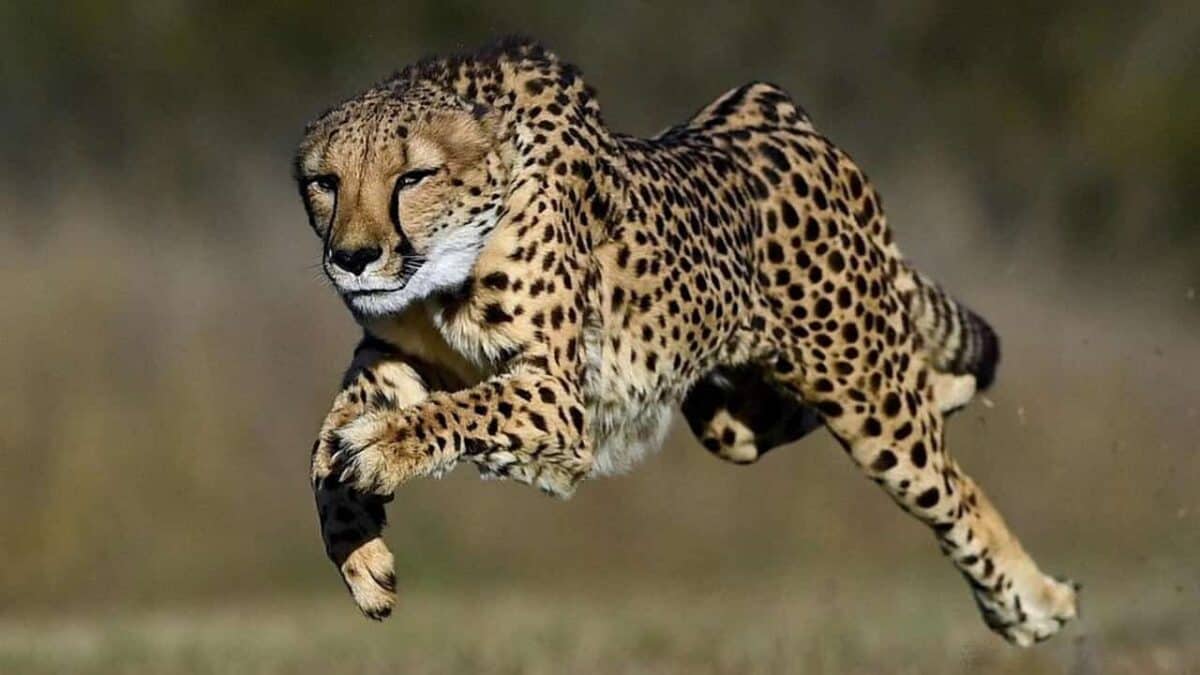
Cheetahs employ a hunting strategy unlike any other big cat, making specialized maternal teaching especially crucial. As the fastest land animals on Earth, capable of reaching speeds up to 70 mph (113 km/h) in just three seconds, cheetahs rely on explosive acceleration, precise timing, and exceptional maneuverability to capture prey. This high-speed chase strategy is fundamentally different from the ambush techniques used by lions or leopards, requiring a unique set of skills that must be carefully developed during cubhood.
The cheetah’s slender body, specialized semi-retractable claws that function like cleats, enlarged heart, expanded lungs, and oversized nasal passages all contribute to their remarkable sprinting abilities. However, these physical adaptations alone aren’t enough to guarantee hunting success. The technical skills needed to effectively deploy these natural advantages must be learned through observation and practice. Studies by wildlife biologists have documented that young cheetahs without adequate maternal training show significantly lower hunting success rates (below 20%) compared to properly trained individuals who achieve success rates of 40-50% in adulthood.
The Stalk-and-Pounce Game
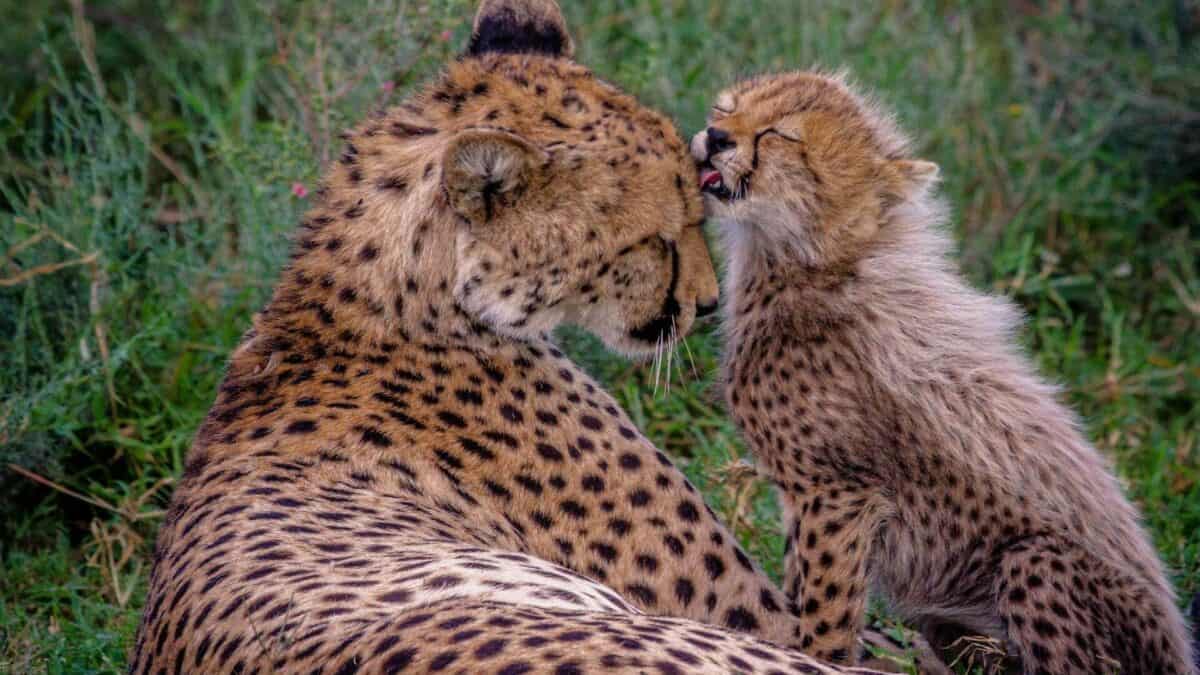
One of the most fundamental games cheetah mothers play with their cubs is the stalk-and-pounce exercise. This activity begins when cubs are approximately six weeks old and helps develop their ability to approach prey undetected. The mother initiates this game by crouching low in the grass, demonstrating the proper stalking position with her body parallel to the ground and head held low. She then slowly advances toward an object or sometimes even a distant prey animal, showing her cubs how to move silently and remain undetected.
After demonstrating, the mother encourages her cubs to mimic her actions through a series of soft chirping calls. Cubs eagerly participate, practicing the distinctive stop-start movement pattern that characterizes cheetah hunting approaches. Researchers from the Serengeti Cheetah Project have observed that mothers will deliberately exaggerate their movements during these teaching sessions, making their actions more obvious and easier for cubs to replicate. The mother will provide immediate feedback through body language and vocalizations, correcting cubs who move too quickly or make too much noise during their approach.
The Chase Game: Developing Speed and Agility

Perhaps the most visually dramatic of all cheetah teaching games is the chase exercise, which helps cubs develop their extraordinary speed and agility. Starting when cubs are around three months old, mothers initiate high-speed running games across open terrain. These activities typically begin with the mother suddenly sprinting away from her cubs, encouraging them to follow at maximum speed. She deliberately adjusts her pace to challenge but not completely outrun her offspring, creating an appropriate learning environment.
Wildlife biologists studying cheetahs in Namibia’s Etosha National Park have documented how these chase games increase in complexity as cubs mature. Initially, the mother runs in relatively straight lines, but as cubs develop better coordination, she introduces sharp turns, sudden stops, and direction changes—all crucial maneuvers for actual hunting scenarios. These games help cubs develop the muscular strength and cardiovascular capacity needed for high-speed pursuits, while simultaneously teaching them how to maintain control at extreme velocities. By six months of age, cubs participating regularly in these games can reach approximately 60% of adult maximum speed.
The Trip-and-Grab Technique

One of the most technically challenging skills that cheetah cubs must master is the trip-and-grab technique used to bring down prey animals often larger than themselves. This specialized takedown method requires precise timing and coordination, as the cheetah must strike a running prey animal’s hindquarters to unbalance it while simultaneously avoiding injury from hooves or horns. Mother cheetahs teach this dangerous but essential skill through a progression of increasingly realistic games.
The training begins with simple play-fighting between siblings, where cubs practice swiping at each other’s legs. As cubs grow stronger, around four to five months of age, the mother introduces more structured lessons by dragging objects like branches or small prey items, encouraging cubs to chase and attempt the tripping motion. Zoologist Dr. Sarah Durant, who has studied cheetah behavior for over two decades, notes that mothers will often deliberately slow down during mock hunts to give cubs the opportunity to practice the trip-and-grab maneuver at reduced speeds before attempting it at full chase velocity. This methodical progression reduces the risk of injury while building the precise motor skills needed for successful hunting.
Live Prey Introduction: A Crucial Teaching Moment
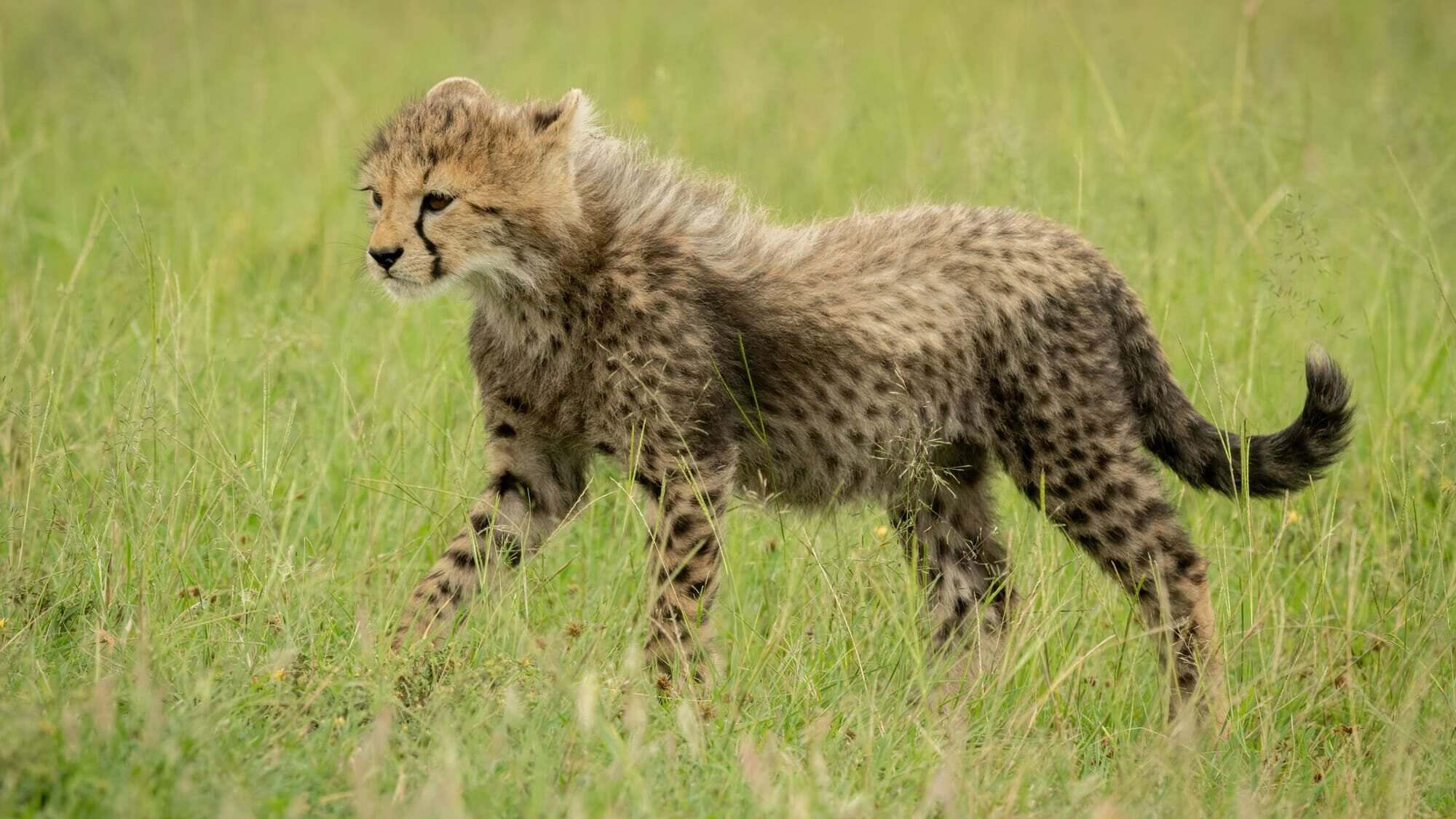
Perhaps the most dramatic phase of a cheetah cub’s education comes when the mother introduces live prey into the training regimen. This typically occurs when cubs reach approximately six to eight months of age. During these sessions, the mother will carefully select smaller or younger prey animals that present less danger to inexperienced cubs. She captures the prey animal but deliberately avoids killing it, instead releasing it near her cubs and encouraging them to complete the capture through a series of encouraging vocalizations.
Wildlife filmmaker and naturalist Kim Wolhuter, who has documented this behavior extensively, describes these moments as “critical turning points in cub development.” Initially, cubs often appear confused or hesitant when faced with live prey, but the mother’s persistent demonstrations help overcome this uncertainty. If cubs repeatedly fail in their attempts, the mother will recapture the prey and demonstrate proper killing techniques, often by holding the animal down while allowing cubs to practice the suffocating throat bite that cheetahs use to dispatch prey. These sessions gradually increase in complexity until cubs can successfully complete all hunting phases independently.
The Role of Sibling Play in Skill Refinement
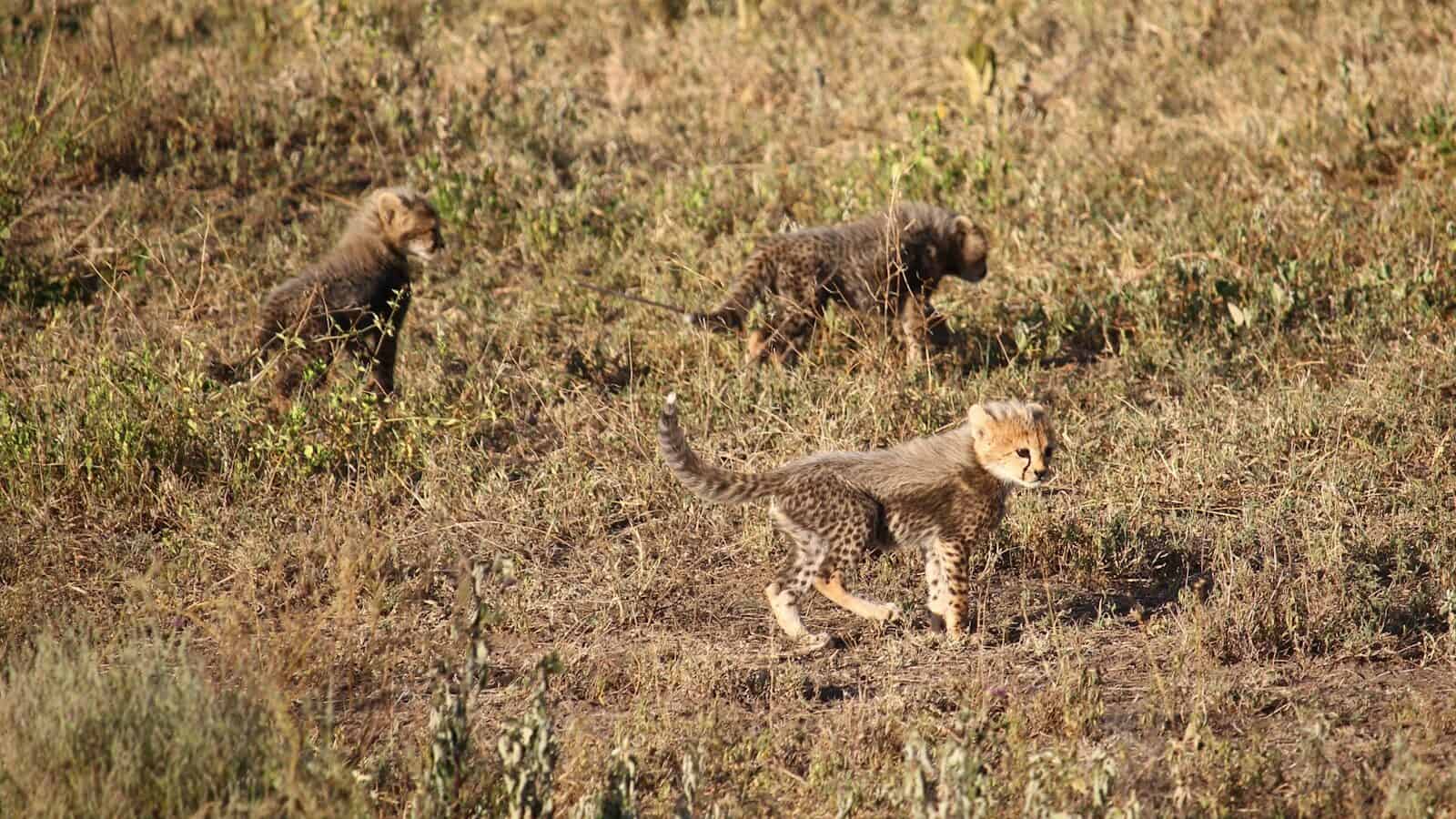
While the mother cheetah serves as the primary instructor, interactions between siblings play an equally important role in refining hunting skills. Littermates engage in frequent wrestling matches, chase games, and mock ambushes that reinforce lessons taught by their mother. These sibling interactions allow cubs to practice techniques repeatedly without the energy expenditure required for actual hunting, creating a safe space for trial and error learning.
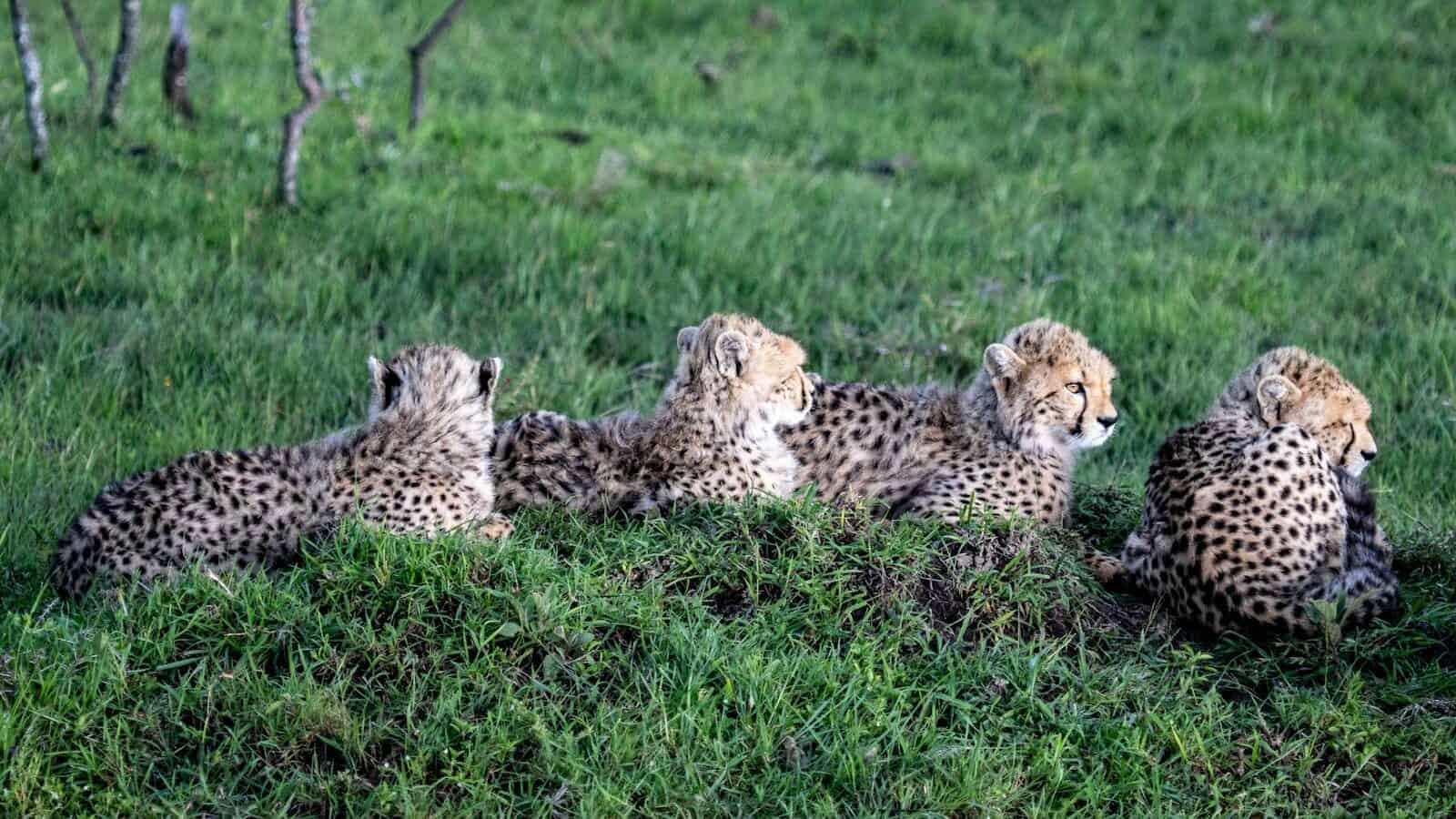
Research conducted at Kenya’s Maasai Mara National Reserve has shown that cheetah cubs from larger litters (3-5 cubs) typically develop hunting proficiency faster than those from smaller litters, highlighting the importance of this peer-to-peer learning. Siblings naturally create competitive scenarios that push each cub to improve their skills. They take turns playing both predator and prey roles, helping develop perspective on prey behavior patterns. Wildlife behaviorist Dr. Elena Chelysheva notes that during these play sessions, cubs often exhibit surprising creativity, developing individual variations on hunting techniques that can become signature moves in their adult hunting style.
Teaching Prey Selection and Hunting Strategy
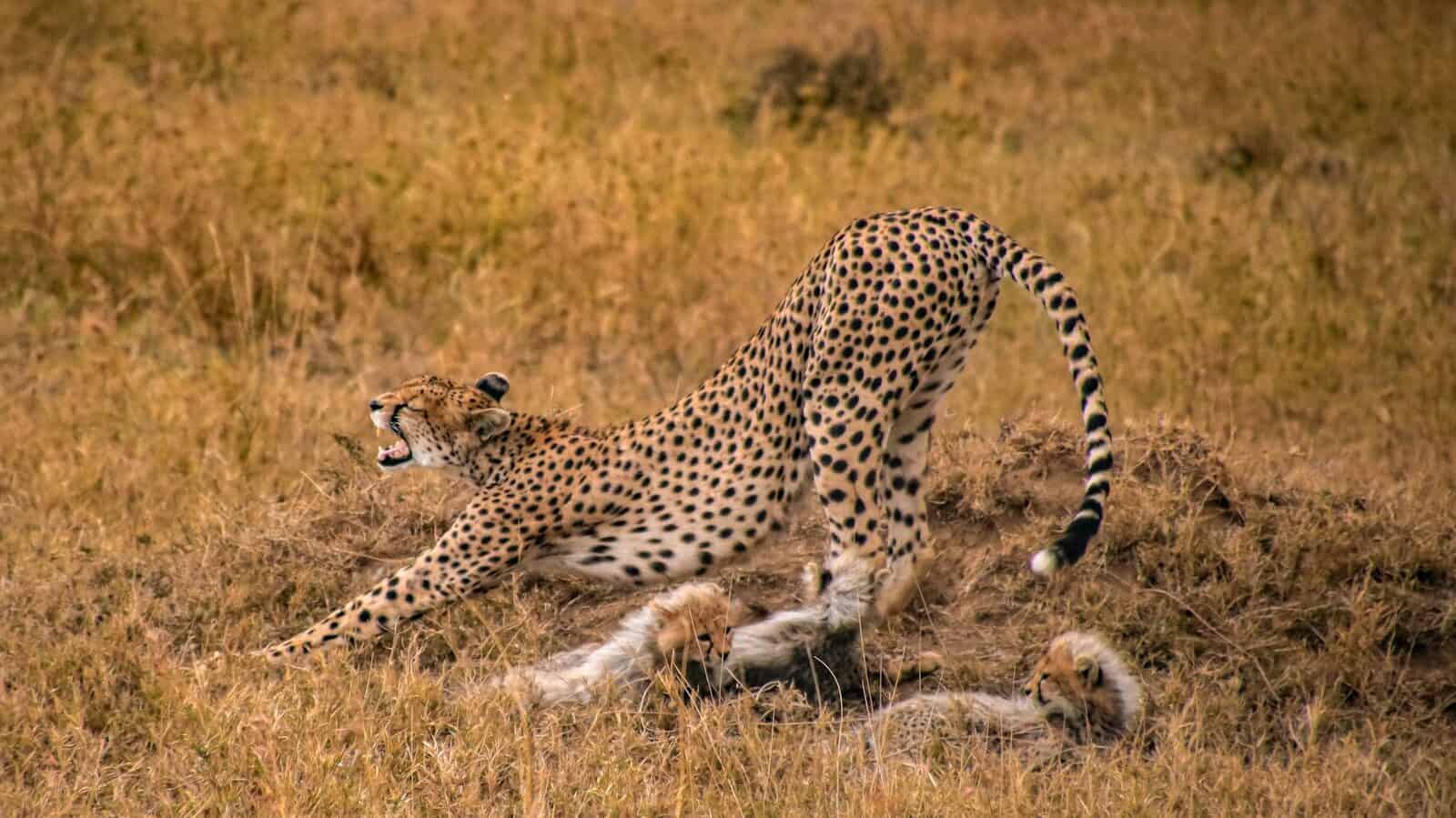
Beyond physical techniques, cheetah mothers teach their cubs sophisticated decision-making skills related to prey selection and hunting strategy. Through careful observation during hunts, cubs learn which prey species offer the optimal balance of nutritional reward versus risk of injury. Mothers demonstrate how to assess factors like herd composition, identifying vulnerable individuals such as young, old, or injured animals that make easier targets.
Researchers from the University of Minnesota’s Lion Research Center, which also studies cheetahs, have documented how mothers use different hunting approaches based on terrain and prey species, effectively teaching cubs to adapt their strategies to specific circumstances. For example, when hunting gazelles in open grassland, mothers demonstrate the value of using termite mounds or slight elevations to spot distant prey. When pursuing prey in more covered areas, they show how to use vegetation for concealment during the approach. This contextual learning helps cubs develop the flexible hunting intelligence needed to succeed across the varied landscapes within a cheetah’s territory.
Vocalizations as Teaching Tools
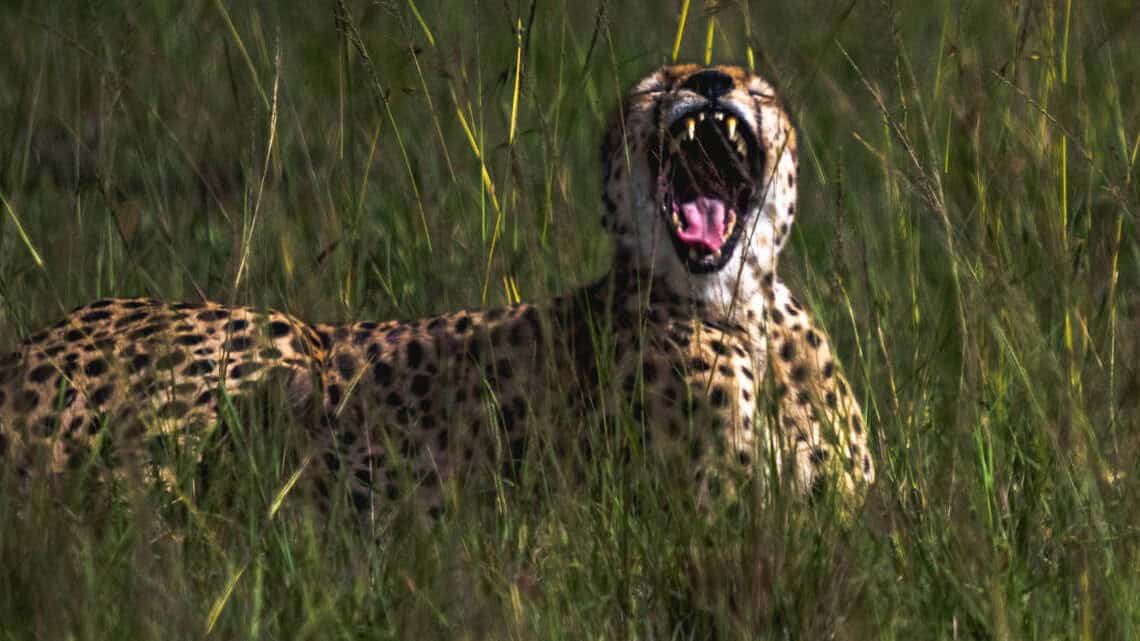
Cheetah mothers utilize a diverse vocal repertoire during teaching sessions, with each sound conveying specific instructions or feedback to their cubs. Unlike the roars of lions or the growls of leopards, cheetahs communicate primarily through chirps, chirrrups, and purrs that function as a sophisticated teaching language. A mother’s high-pitched chirping often signals cubs to follow her during stalking demonstrations, while a distinctive stuttering call indicates they should freeze in position.
Acoustic analysis conducted by bioacoustics experts has identified at least twelve distinct vocalizations used specifically in teaching contexts. Perhaps most interesting is the “excitement chirrup”—a rapidly repeated call that mothers make only when prey is present, helping cubs associate this sound with hunting opportunities. Cubs learn to respond appropriately to each vocalization, creating a complex communication system that allows for coordinated family hunting once they reach adolescence. This vocal dimension of teaching helps maintain group cohesion during hunts and allows mothers to direct their cubs’ attention to specific learning opportunities even at a distance.
Gradual Progression to Independence
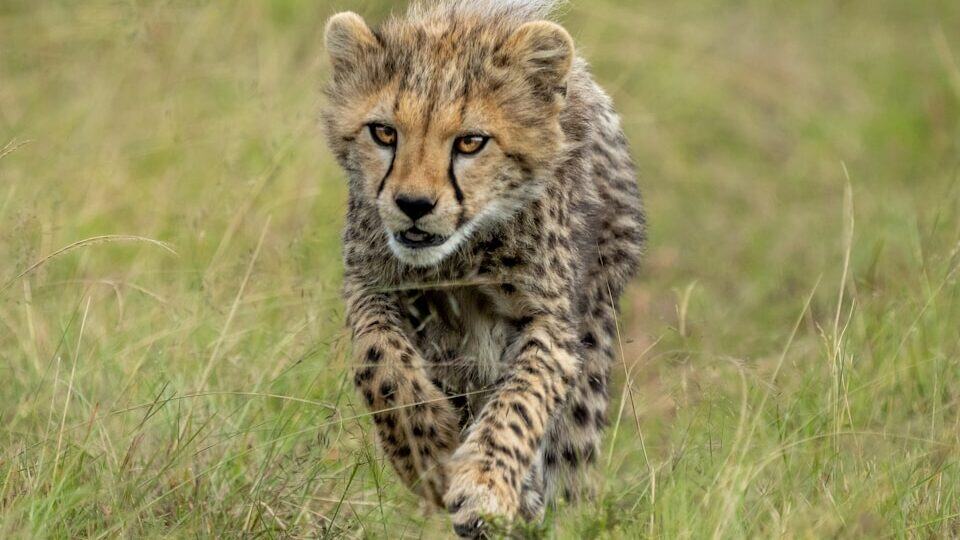
The teaching relationship between cheetah mothers and cubs follows a carefully calibrated progression toward independence. In the early phases (3-6 months), the mother provides nearly 100% of the food while focusing instruction on basic movement patterns and coordination. By 8-12 months, cubs begin participating actively in hunts, though the mother still makes the actual kills. Between 12-15 months, mothers allow cubs to attempt complete hunts while supervising closely and intervening only when necessary.
During the final phase of training (15-18 months), mother cheetahs begin deliberately separating from their cubs for increasing periods, forcing them to attempt hunting independently while still providing a safety net. Wildlife ecologist Dr. Laurie Marker, founder of the Cheetah Conservation Fund, describes this period as “critical for building hunting confidence.” Research tracking young cheetahs through this transition period has shown that those whose mothers implemented this gradual independence phase had significantly higher survival rates during their first year of solitary life compared to cubs separated abruptly due to the mother’s death or other circumstances. This methodical progression ensures cubs are fully prepared for the challenges of independent survival.
Regional Variations in Teaching Techniques
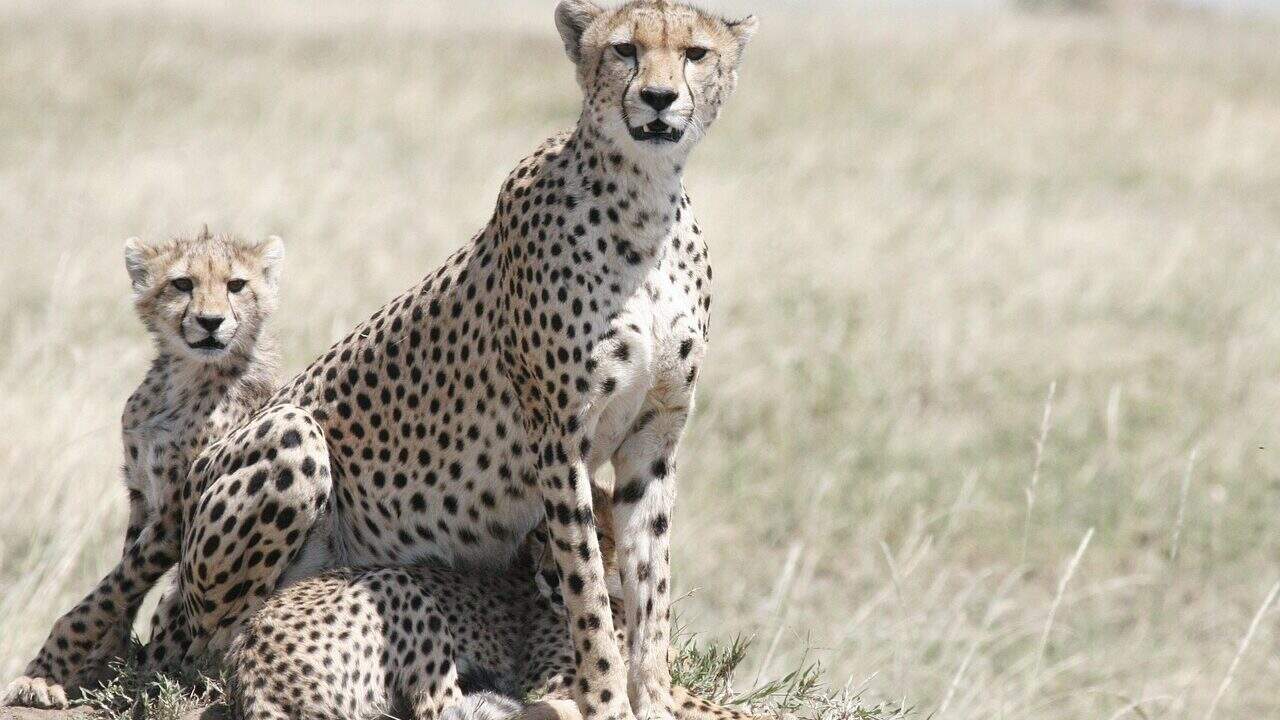
Fascinatingly, cheetah researchers have documented distinct regional variations in the teaching techniques employed by mothers across different parts of Africa. These differences appear to be cultural transmissions—learned behaviors passed down through generations rather than instinctive variations. For example, cheetah mothers in Namibia’s more arid regions place greater emphasis on teaching water conservation behaviors, demonstrating how to extract moisture from prey blood and tissues when free water is scarce.
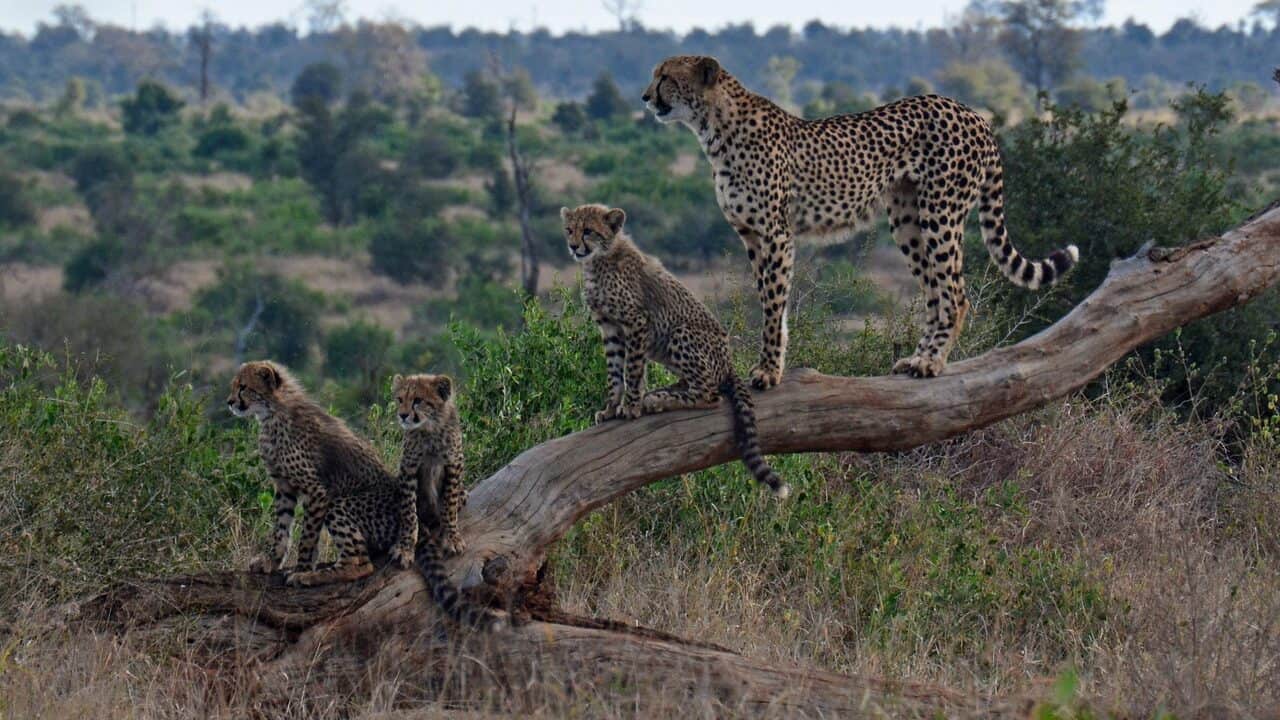
In Tanzania’s Serengeti ecosystem, where cheetahs face intense competition from lions and hyenas, mothers devote significantly more training time to vigilance behaviors and rapid eating techniques that reduce the risk of kill theft. Meanwhile, in South Africa’s Kruger National Park, where vegetation is denser, mothers spend more time teaching stealth approaches rather than relying purely on speed. These regional teaching variations highlight the remarkable flexibility of cheetah maternal education and its adaptation to local ecological challenges. Conservationists note that these specialized teaching traditions make cheetah reintroduction programs particularly challenging, as captive-raised cheetahs lack access to these regionally-appropriate learning experiences.
Conservation Implications of Maternal Teaching
Understanding the sophisticated teaching relationship between cheetah mothers and cubs has profound implications for conservation efforts. Unlike some wildlife species that can be successfully reintroduced to the wild after being raised in captivity, cheetahs face significant challenges without proper maternal education. Captive-raised cheetahs released into the wild without exposure to maternal hunting instruction show dramatically reduced survival rates, with some studies indicating less than 20% success compared to wild-raised individuals.
Conservation organizations like the Cheetah Conservation Fund have developed innovative programs that attempt to address this challenge. Their “Model Farm” approach pairs orphaned cubs with experienced adult females who can provide some aspects of natural teaching, while their “Hunting Camp” uses mechanical lures and specialized training to simulate some elements of maternal instruction. While these efforts show promise, conservationists emphasize that protecting wild cheetah mothers and their teaching relationships remains the most effective strategy for ensuring the species’ survival. This understanding has led to increased focus on creating protected corridors between cheetah populations, allowing the continuation of these sophisticated teaching traditions across generations.
The Remarkable Legacy of Cheetah Maternal Education
The elaborate games and teaching methods employed by cheetah mothers represent one of nature’s most sophisticated educational systems, a multi-year curriculum perfectly tailored to develop the unique skills needed by Earth’s fastest land predator. These teaching relationships highlight the remarkable intelligence and social complexity of cheetahs, challenging older views that dismissed big cat behavior as purely instinctual. Modern research reveals that successful cheetah hunting involves a complex integration of learned techniques that must be cultivated through years of maternal guidance.
As cheetah populations face mounting pressure from habitat loss and human conflict, preserving these teaching lineages becomes increasingly crucial for the species’ survival. Each cheetah mother carries not just genetic information but generations of accumulated hunting knowledge that she transmits to her cubs through these seemingly playful yet profoundly educational games. In the intricate dance between mother and cubs across the African savanna, we witness not just the preparation of individual hunters but the continuation of an ancient and irreplaceable tradition of knowledge transfer that has enabled cheetahs to thrive as specialized predators for millions of years.

- This Lizard Can Breathe Underwater - July 22, 2026
- The Wild Horses of North Carolina’s Coast - July 22, 2026
- These Creatures Can Freeze Themselves to Survive - July 22, 2026