

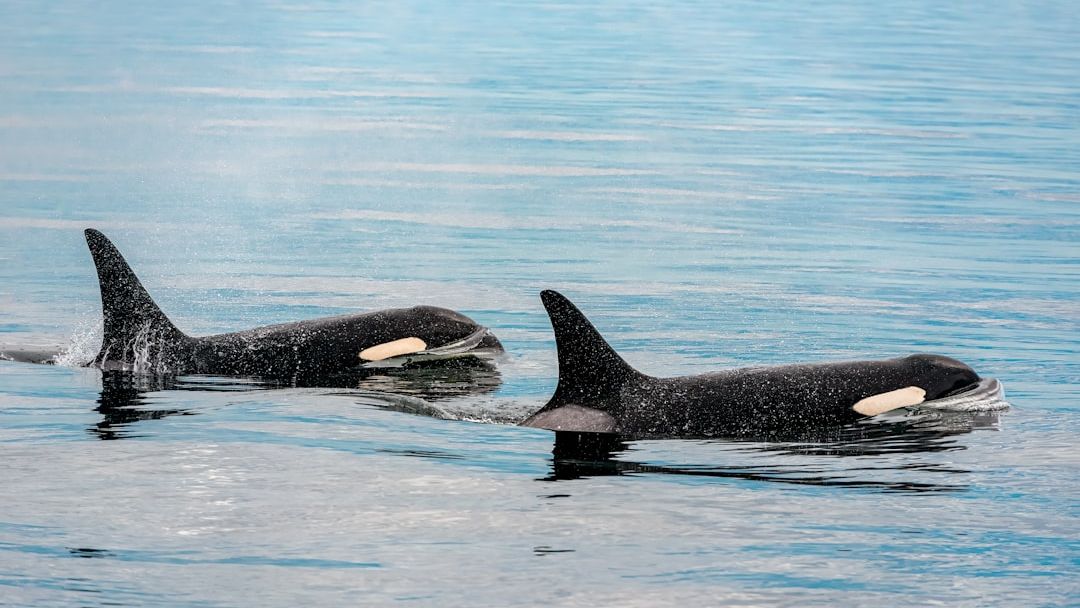
When severed, partially devoured orca fins started washing ashore on a remote Russian beach, most people’s first reaction was probably something between confusion and genuine horror. These are apex predators we’re talking about. The ocean’s most sophisticated hunters. So what exactly was going on?
The discovery sent researchers scrambling for answers, and what they found is honestly one of the most fascinating – and unsettling – windows into orca social behavior ever documented. This story goes far deeper than a few chewed-up body parts on a beach. It touches on grief, survival, dominance, and the strange, complex inner lives of killer whales. Let’s dive in.
The Discovery That Shocked Researchers
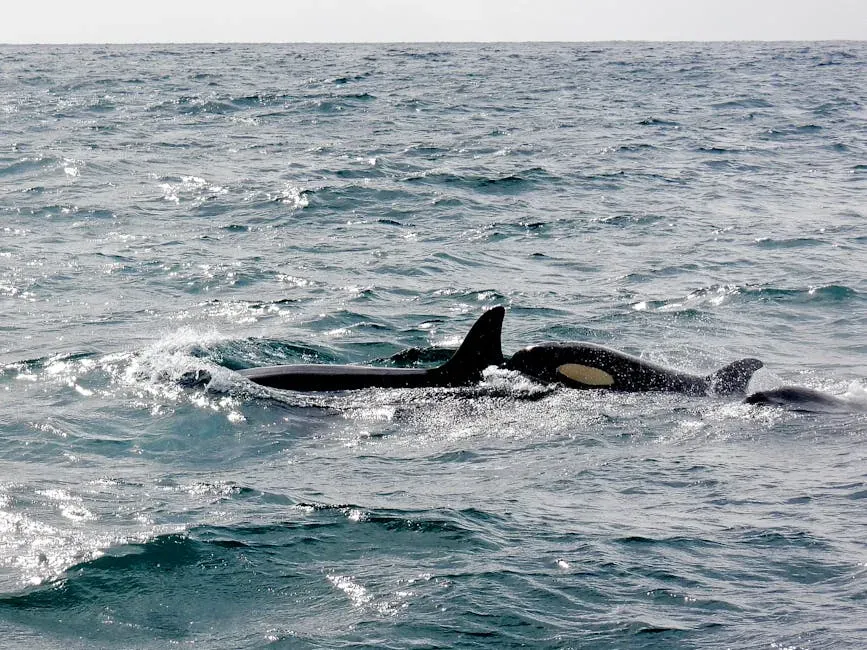
Picture a cold, grey Russian coastline. Waves rolling in. Silence. Then, scattered along the shore, the unmistakable remnants of orca fins, not just detached but visibly gnawed. Scientists who examined the fins noted clear bite marks consistent with orca teeth, which immediately pointed the investigation in one very specific direction.
The find was made along the Russian Far East coast, a region already known for hosting dense populations of killer whales. Researchers were initially puzzled because strandings of orca body parts are rare, let alone ones showing evidence of consumption by their own kind. Once the evidence was analyzed, the conclusion became increasingly difficult to dismiss: these fins belonged to orcas, and other orcas had been feeding on them.
What Cannibalism Among Orcas Actually Looks Like
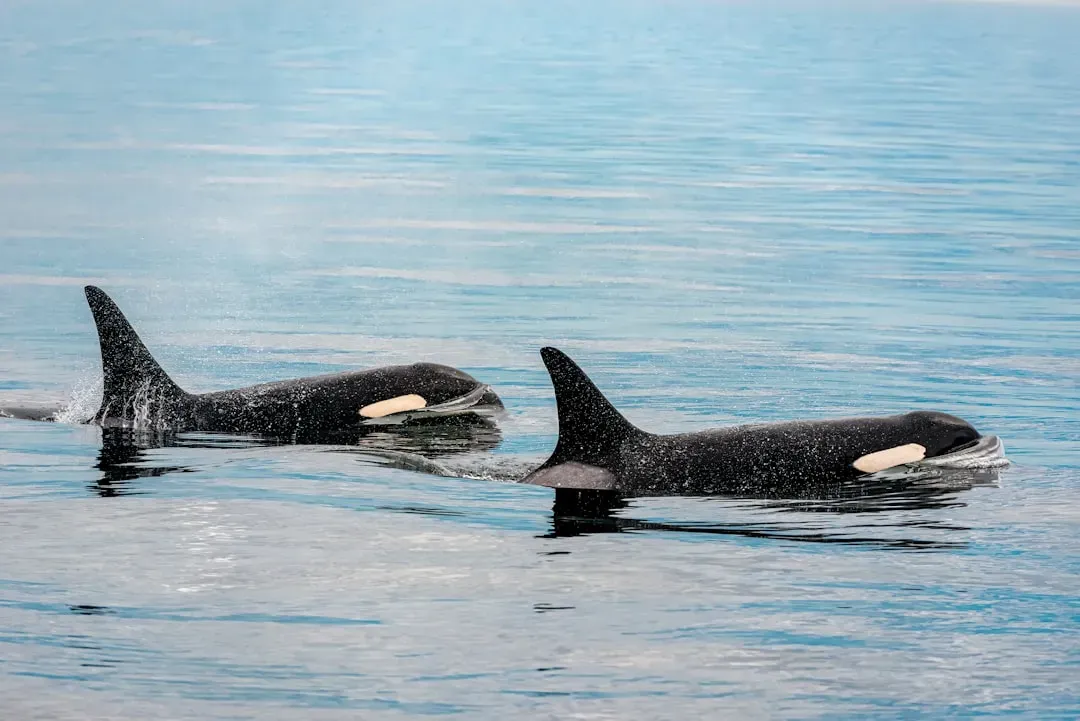
Here’s the thing about orca cannibalism – it’s not like they’re hunting each other for sport in some violent, chaotic free-for-all. The evidence suggests something far more calculated and socially layered. Researchers believe the feeding likely occurred after death, meaning this is more accurately described as scavenging on deceased members of rival or unrelated groups, rather than active predatory killing.
Honestly, that distinction matters enormously. There’s a world of difference between killing a pod member and opportunistically consuming a rival that has already died. The bite patterns and the condition of the recovered fins suggest the latter, though scientists are careful to note they can’t rule out all possibilities. It’s hard to say for sure without direct observation, but the evidence leans strongly toward post-mortem feeding.
The Social Structure Connection Scientists Didn’t Expect
This is where the story gets genuinely mind-bending. Researchers proposed something that sounds almost philosophical: the existence of cannibalistic behavior – or at least the threat of it – between rival groups may actually be one of the driving forces behind why some orca pods are so extraordinarily tight-knit. Think of it like this. If outsiders pose a potential threat even after death, staying close to your own group isn’t just emotionally comforting. It becomes a survival strategy.
Orcas are already well known for their deeply bonded matrilineal pods, where offspring often stay with their mothers for their entire lives. Scientists now believe that inter-group tension and competition, including competition over food and territory, may reinforce these bonds even more intensely over generations. The tighter the pod, the safer each individual within it. It’s almost like a mutual protection economy built on loyalty.
Why the Russian Far East Is a Hotspot for These Behaviors
The Russian Far East coastline, particularly around Kamchatka and the surrounding waters, is one of the most productive marine environments on the planet. It’s teeming with salmon, marine mammals, and the kind of food abundance that attracts large concentrations of orcas from different populations. Where resources are rich, competition is fierce, and where competition is fierce, social dynamics get complicated fast.
Different ecotypes of orcas coexist in these waters, including resident populations that primarily eat fish and transient populations that hunt marine mammals. These groups don’t exactly socialize warmly. They occupy overlapping ranges, and encounters between them can be tense. Scientists believe this ecological pressure cooker is exactly the kind of environment where unusual behaviors like cannibalistic scavenging are more likely to emerge and, over time, shape the social architecture of entire populations.
What Bite Marks Can Tell Scientists About Orca Society
Forensic analysis of animal remains might sound like something from a crime drama, but for marine biologists, it’s an increasingly powerful tool. The bite marks on the recovered fins weren’t random. Their size, spacing, and depth were carefully measured and cross-referenced with known orca dentition patterns. The results pointed clearly to adult orca jaws, and the feeding appeared deliberate rather than incidental.
What’s striking is how much information a single gnawed fin can carry. It’s a little like reading a diary entry written in bone and tissue. Researchers can infer which group might have been responsible, roughly how large the individuals were, and whether multiple animals participated. Each data point adds a layer to our understanding of how these animals interact with each other and with death itself, something we’re really only beginning to scratch the surface of.
Grief, Ritual, and the Question of Orca Emotions
Orcas have been documented carrying their dead calves for days, sometimes weeks, in what many researchers describe as mourning behavior. So the question that naturally arises here is complicated: how do we reconcile that kind of apparent grief with evidence of feeding on deceased members of other groups? The answer might lie in the same place it does for humans – context, relationship, and identity.
An orca pod is a family. A rival pod is not. The emotional and social rules that govern behavior within the family don’t necessarily extend outside of it. This may sound uncomfortable, but nature rarely accommodates our need for moral tidiness. What this discovery potentially reveals is that orcas operate with a sophisticated, group-specific social morality. They mourn their own, and they may exploit their rivals. The two aren’t necessarily contradictory.
What This Means for How We Understand Killer Whales Going Forward
For decades, the public image of orcas has been shaped heavily by captive animals in theme parks and by nature documentaries showing coordinated hunts and playful interactions. That image, while not entirely wrong, has always been incomplete. Discoveries like this Russian beach finding force a more honest, more complex portrait of what killer whales actually are.
The implications reach beyond just orcas. Understanding how cannibalistic or scavenging behaviors influence social bonding in apex predators could reshape how scientists think about group cohesion across many species. It might even offer indirect insight into the evolutionary pressures that shaped tight-knit social structures in other highly intelligent animals, including, when you think about it long enough, our own ancestors. The ocean keeps its secrets well. Every once in a while, a cold beach gives one of them up.
A Final Thought
What happened on that Russian beach is disturbing on the surface, no question. Chewed orca fins are not exactly a comforting image. But underneath the visceral shock is something genuinely profound: evidence that the social lives of orcas are shaped by pressures, fears, and perhaps even a kind of calculated awareness of threat that we are only just beginning to understand.
I think what unsettles people most isn’t the cannibalism itself, it’s the intelligence behind it. These aren’t mindless creatures driven purely by instinct. They’re animals that remember, grieve, cooperate, and apparently, strategize. The Russian coastline discovery doesn’t make orcas monsters. If anything, it makes them uncomfortably familiar. And maybe that’s the most surprising takeaway of all.
What do you think – does knowing this change how you see orcas? Drop your thoughts in the comments.

- Urban Coyotes Show Remarkable Adaptability, Learning to Thrive in City Environments - July 22, 2026
- Beavers Are Nature’s Engineers, Creating Vital Habitats for Other Wildlife Species - July 21, 2026
- The Recovery of the California Condor Offers Hope for Other Critically Endangered Birds - July 21, 2026