

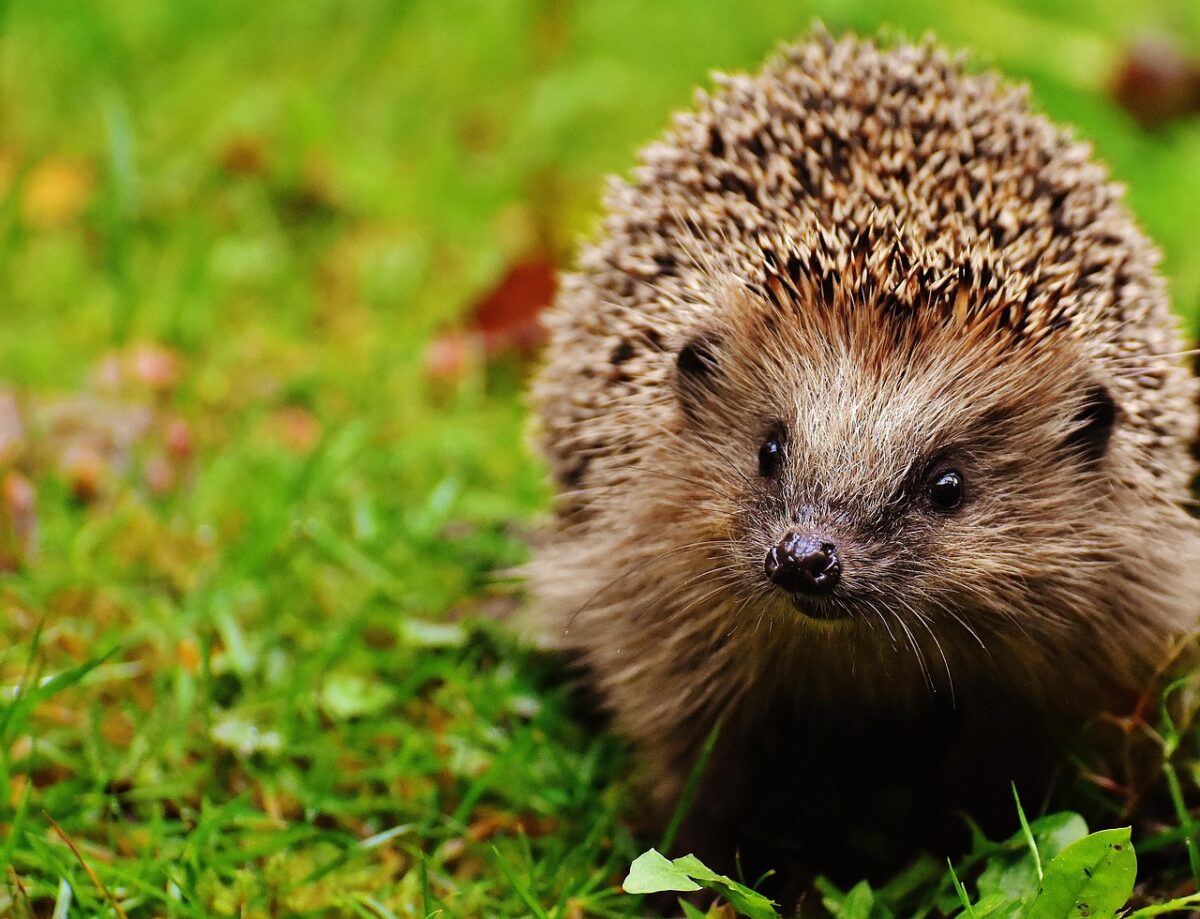

Revitalizing Urban Spaces with Targeted Plant Selections (Image Credits: Pixabay)
Cincinnati – The Cincinnati Zoo wrapped up 2025 with notable advances in landscaping practices that foster wildlife habitats amid urban challenges.
Revitalizing Urban Spaces with Targeted Plant Selections
The zoo’s horticulture team spearheaded efforts to integrate native plants into city environments, creating refuges for pollinators and birds. These initiatives drew from extensive trials that evaluated species resilience in local conditions. Officials reported that such plantings not only beautified zoo grounds but also modeled sustainable options for nearby communities.
Key to this year’s success was the emphasis on biodiversity. The team planted thousands of annuals and perennials, ensuring continuous blooms that supported insects throughout the seasons. This approach contrasted with traditional manicured lawns by prioritizing ecological benefits over aesthetics alone. Volunteers played a crucial role, contributing to large-scale installations like tulip displays that doubled as nectar sources.
Educating Communities on Homeowner-Friendly Wildlife Gardens
A standout program in 2025 involved virtual lectures tailored for residents in the Tri-state area, led by the zoo’s Director of Horticulture. Participants learned to design gardens that accommodated local wildlife while fitting small urban lots. The series covered everything from soil preparation to selecting plants that thrive in the region’s climate.
Attendees gained practical insights into creating layered landscapes with shrubs, trees, and ground covers. These elements provided shelter and food for species like butterflies and small mammals. The zoo emphasized low-maintenance natives to encourage widespread adoption. By year’s end, feedback indicated increased homeowner interest in converting lawns into wildlife corridors.
Integrating Conservation into Exhibit Expansions
The opening of an expanded Elephant Trek section highlighted how landscaping could enhance animal welfare and visitor experiences. New habitats featured mixed plantings that mimicked Asian ecosystems, housing species such as otters and gibbons alongside the elephant herd. Landscapers incorporated water features and dense foliage to promote natural behaviors.
This project extended beyond aesthetics, incorporating hydroponic systems to grow fresh produce for herbivores on-site. The setup produced hundreds of pounds of vegetation weekly, reducing reliance on external sources and minimizing transport emissions. Zoo staff noted that these innovations aligned with broader conservation goals, including the protection of endangered plants. The result was a more immersive environment that educated visitors on habitat preservation.
Aligning with Emerging Gardening Trends for Broader Impact
Throughout 2025, the Cincinnati Zoo aligned its practices with national shifts toward sustainable gardening, such as incorporating fruit trees and tech-assisted designs. These trends supported wildlife by expanding food sources in backyards. The zoo’s botanical gardens served as a testing ground, showcasing how urban plots could host diverse flora without extensive upkeep.
Efforts also tied into advocacy for policies like the Endangered Species Act, which has aided recoveries such as the bald eagle. The zoo highlighted success stories through exhibits, reinforcing the link between local actions and global conservation. Partnerships with regional groups amplified these messages, reaching thousands via workshops and online resources.
- Choose native perennials for year-round pollinator support.
- Incorporate water elements to attract amphibians and birds.
- Layer plant heights to provide multi-level habitats.
- Opt for chemical-free maintenance to protect soil health.
- Monitor local wildlife needs through community observations.
Key Takeaways from 2025:
- The zoo’s plant trials identified top performers for urban wildlife gardens.
- Educational outreach empowered over 500 homeowners to adopt eco-friendly designs.
- New exhibits demonstrated scalable habitat enhancements for endangered species.
As 2025 concluded, the Cincinnati Zoo’s work underscored the power of intentional landscaping to bolster declining wildlife populations. These efforts offer a blueprint for individuals to contribute meaningfully. What steps will you take to make your garden a wildlife haven? Share your thoughts in the comments.

- Urban Coyotes Show Remarkable Adaptability, Learning to Thrive in City Environments - July 22, 2026
- Beavers Are Nature’s Engineers, Creating Vital Habitats for Other Wildlife Species - July 21, 2026
- The Recovery of the California Condor Offers Hope for Other Critically Endangered Birds - July 21, 2026