
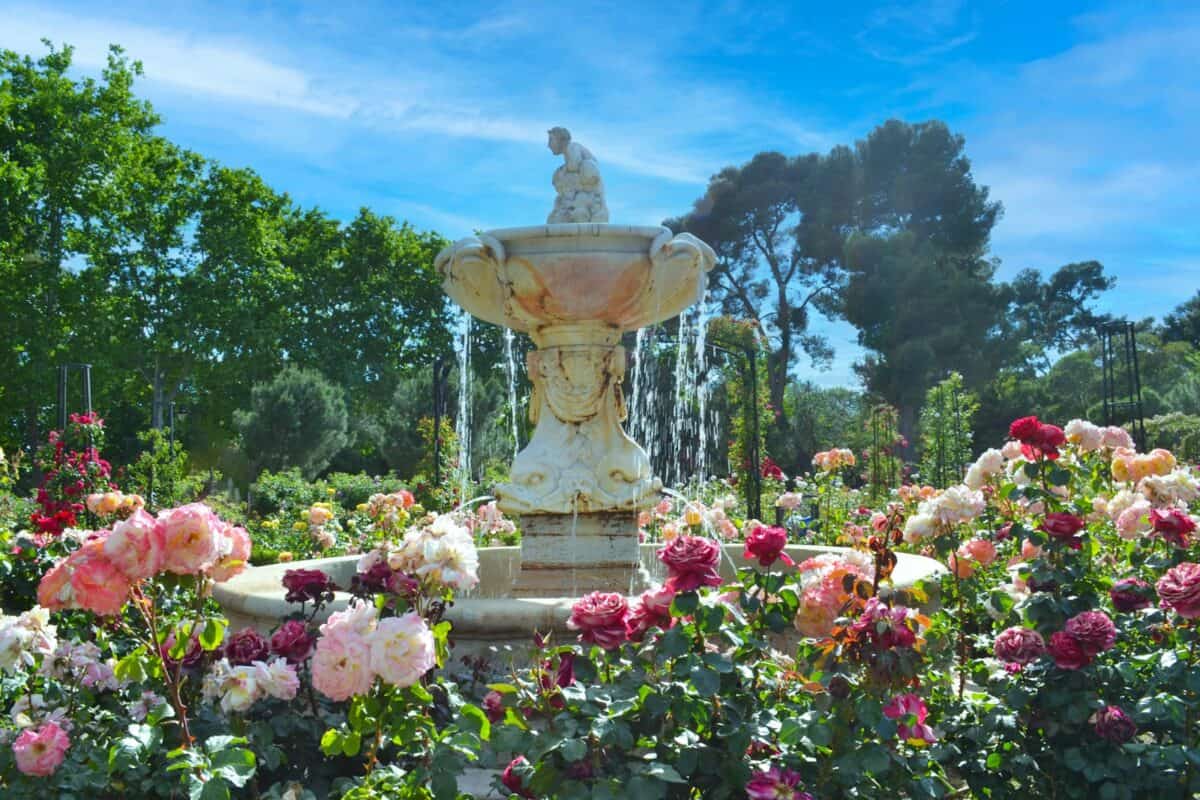
A heatwave can wreak havoc on your garden, causing plants to wilt, dry out, and even die if not properly cared for. But with the right strategies, you can keep your garden healthy and thriving, even in extreme temperatures. Here’s how to give your plants the best chance of survival when the heat is on.
1. Water Deeply and Early

Watering at the right time of day makes a big difference. The best time is early in the morning before the sun gets too hot. This allows moisture to soak into the soil before it evaporates. Deep watering encourages roots to grow deeper, making plants more resilient to drought.
2. Use Mulch to Retain Moisture

A thick layer of mulch around your plants helps the soil stay cool and moist. Organic materials like straw, bark, and compost work best. Mulch reduces evaporation and also prevents weeds from competing with your plants for water.
3. Provide Shade for Vulnerable Plants

Some plants struggle in extreme heat and need extra protection. Use shade cloth, old bedsheets, or garden umbrellas to shield delicate plants during the hottest part of the day. Position taller plants or temporary structures to provide natural shade for smaller, sensitive plants.
4. Group Potted Plants Together

Potted plants dry out faster than those in the ground. Keeping them close together creates a microclimate that helps retain moisture. Move pots to shaded areas if possible and consider using larger containers that hold more water.
5. Improve Soil with Compost

Healthy soil holds more moisture, and compost is one of the best ways to improve it. Adding organic matter increases the soil’s ability to retain water and nutrients, giving plants a better chance of surviving extreme heat.
6. Reduce Stress on Plants

Avoid pruning, transplanting, or fertilizing during a heatwave. These activities can put extra stress on plants when they’re already struggling with high temperatures. Focus on keeping them hydrated and shaded until conditions improve.
7. Use Drip Irrigation or Soaker Hoses
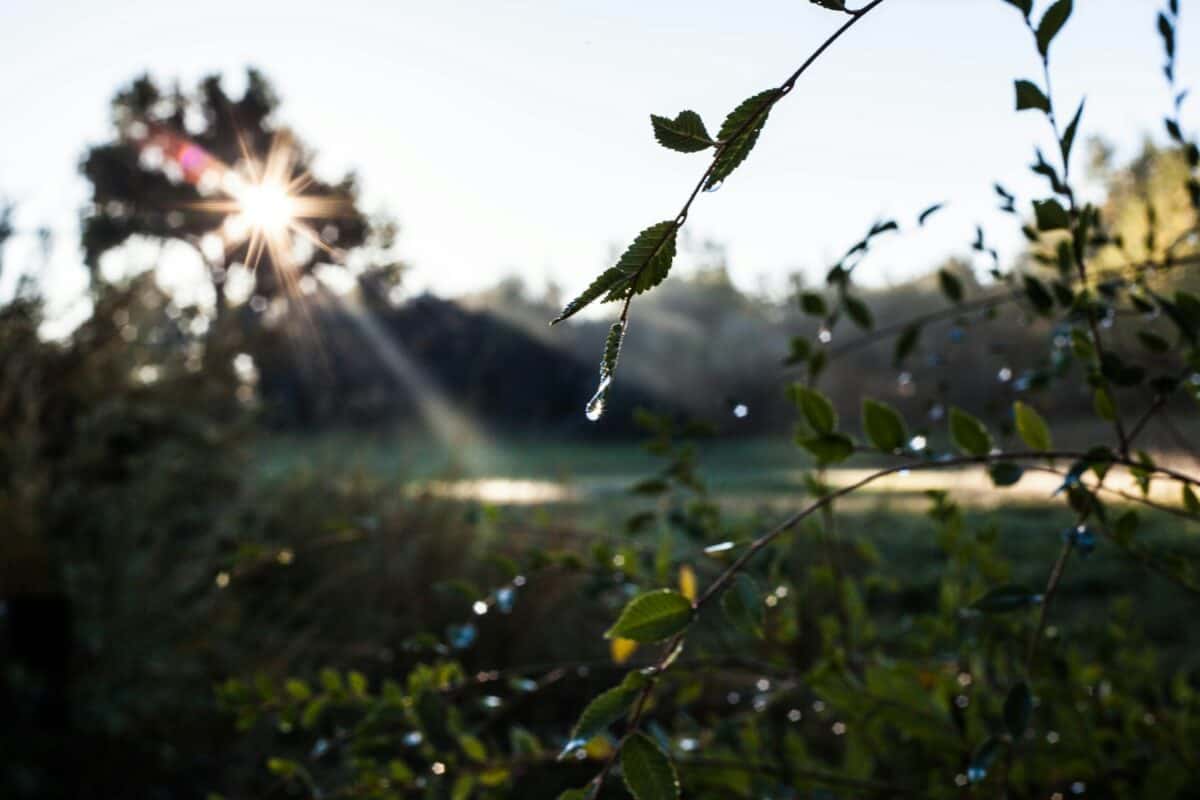
Sprinklers waste a lot of water due to evaporation. Drip irrigation and soaker hoses deliver water directly to plant roots, where it’s needed most. This method conserves water while ensuring plants get deep, consistent moisture.
8. Choose Drought-Tolerant Plants
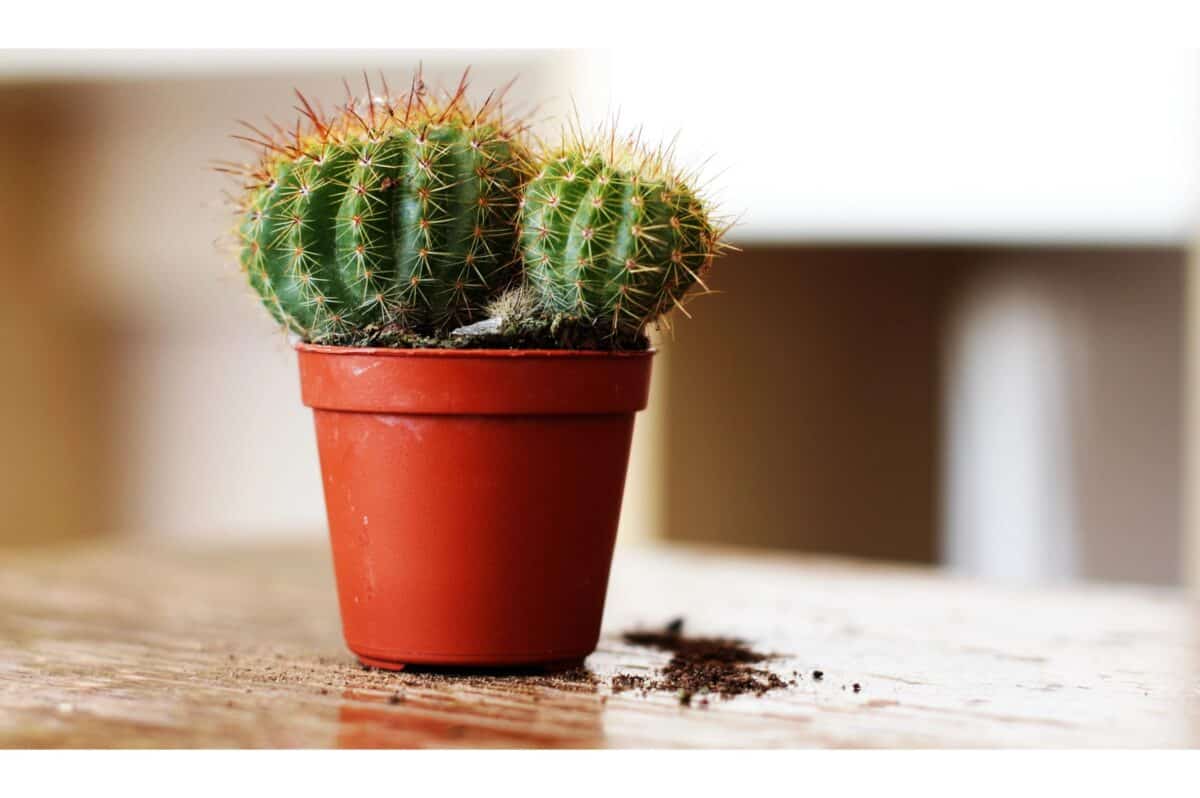
If heatwaves are common in your area, consider planting species that can handle extreme conditions. Succulents, lavender, rosemary, and certain native plants require less water and are better equipped to survive high temperatures.
9. Keep Grass Longer
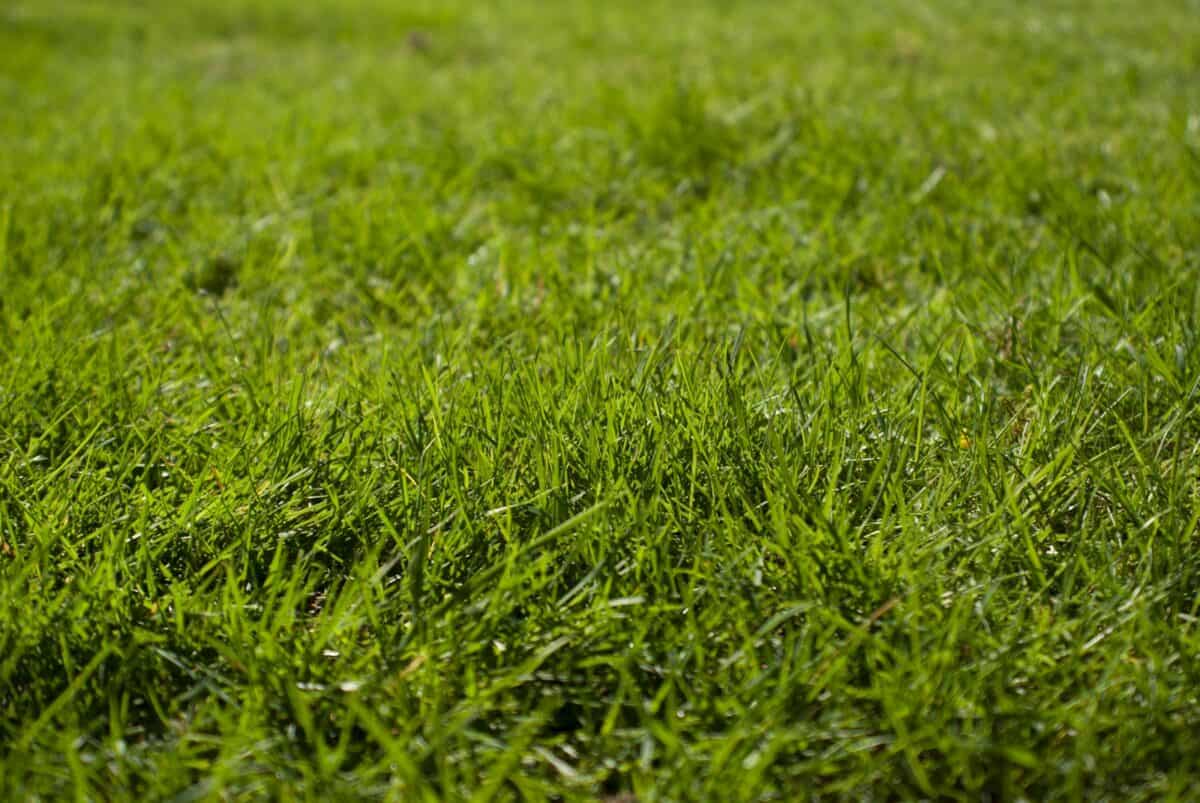
If you have a lawn, raise the height of your mower blades. Longer grass provides shade for the soil, reducing water loss. Avoid mowing during a heatwave, as this can stress the grass and cause it to turn brown.
10. Harvest Rainwater

Collecting rainwater is an excellent way to prepare for dry spells. A water butt or barrel connected to your downspout can store water for your garden, reducing the need for tap water and keeping plants hydrated during a heatwave.
Conclusion

Protecting your garden during a heatwave doesn’t have to be complicated. Water wisely, provide shade, improve soil, and choose the right plants to help your garden thrive in extreme heat. With these simple strategies, you can keep your plants healthy and resilient no matter how high the temperatures climb.

- 8 Incredible Natural Wonders You Can Find in U.S. National Parks - July 21, 2026
- The Perfect Pet for Each Zodiac Sign - July 7, 2026
- The Wild Animal That Embodies Your Zodiac Sign’s Spirit - July 6, 2026