

Oregon’s coastline stretches for 362 miles, offering some of the most diverse intertidal ecosystems in North America. When the tide recedes, it reveals a hidden world teeming with fascinating marine creatures that have adapted to life between the sea and shore. These specialized organisms survive in a challenging environment where conditions change dramatically throughout the day. From colorful sea stars to elusive octopuses, Oregon’s tide pools become natural aquariums during low tide, inviting curious explorers to witness marine life up close. This article explores the remarkable creatures that emerge when Oregon’s ocean waters pull back, highlighting their unique adaptations, behaviors, and the best places to observe them along the coast.
Understanding Oregon’s Intertidal Zones
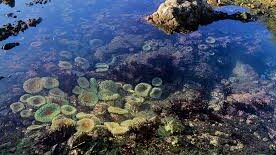
Oregon’s rocky coastline creates perfect conditions for intertidal habitats—areas that are submerged during high tide and exposed during low tide. These zones are categorized into four distinct regions: the splash zone (rarely submerged), high intertidal zone (covered only during highest tides), middle intertidal zone (exposed and submerged equally), and low intertidal zone (exposed only during the lowest tides). Each zone hosts different species adapted to specific conditions, with the greatest diversity found in the lower zones that experience less air exposure and temperature fluctuation.
The Pacific Northwest’s unique geography, influenced by the California Current and upwelling of nutrient-rich waters, creates an extraordinarily productive ecosystem. Oregon’s intertidal zones benefit from these conditions, supporting abundant marine life. Seasonal variations also affect which creatures might be visible, with spring and summer typically offering the most diverse viewing opportunities during daylight low tides. The state’s marine reserves and protected areas ensure these delicate ecosystems remain healthy for future generations to explore.
Colorful Sea Stars of Oregon’s Coast

Among the most iconic intertidal creatures along Oregon’s coast are its diverse sea stars. The ochre sea star (Pisaster ochraceus) is perhaps the most recognizable, displaying colors ranging from purple to orange to brown. These keystone predators play a crucial role in maintaining the ecological balance of tide pools by controlling mussel populations. The sunflower star (Pycnopodia helianthoides), one of the largest sea stars in the world with up to 24 arms, can occasionally be spotted in lower intertidal areas during extremely low tides. Other common species include the blood star (Henricia leviuscula) with its bright red coloration and the leather star (Dermasterias imbricata) known for its smooth texture.
Oregon’s sea star populations have faced significant challenges in recent years due to Sea Star Wasting Syndrome, a disease that caused mass die-offs along the Pacific coast beginning in 2013. This devastating condition causes sea stars to develop lesions, lose limbs, and eventually disintegrate completely. While populations of some species have begun to recover, others remain significantly reduced. Researchers continue to monitor these important animals, as their presence or absence serves as a key indicator of intertidal ecosystem health. Visitors who spot sea stars are encouraged to observe them without touching, as these animals have delicate skin that can be damaged by human handling.
Fascinating Anemones and Their Adaptations
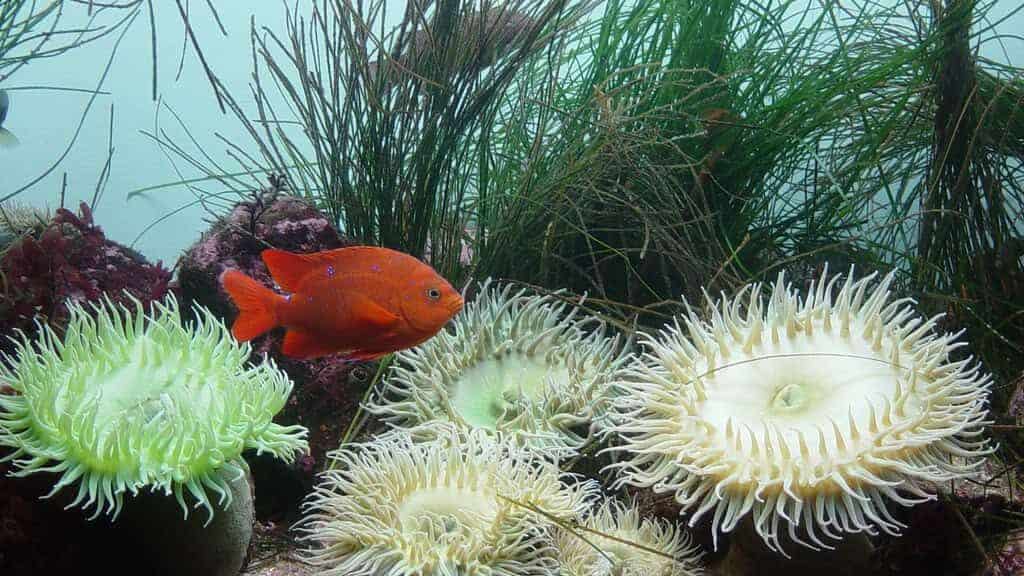
Sea anemones are among the most captivating creatures in Oregon’s tide pools, often mistaken for plants due to their flower-like appearance. The giant green anemone (Anthopleura xanthogrammica) is particularly striking, reaching up to 10 inches in diameter with brilliant green tentacles. These animals are cnidarians, related to jellyfish and corals, and use stinging cells called nematocysts on their tentacles to capture prey. Another common species is the aggregating anemone (Anthopleura elegantissima), which forms dense colonies of genetically identical individuals that defend their territory against unrelated anemones through specialized “fighting tentacles.”
Anemones display remarkable adaptations to survive exposure during low tides. When the water recedes, they retract their tentacles and contract their bodies to reduce water loss and prevent desiccation. Some species incorporate bits of shell and rock into their outer column for additional protection from sun exposure. Even more fascinating is their symbiotic relationship with single-celled algae that live within their tissues. These algae photosynthesize and provide nutrients to the anemone, while gaining protection and access to sunlight. This relationship allows anemones to supplement their diet of small fish, crabs, and other marine creatures caught by their stinging tentacles.
Shell-Dwelling Mollusks and Barnacles
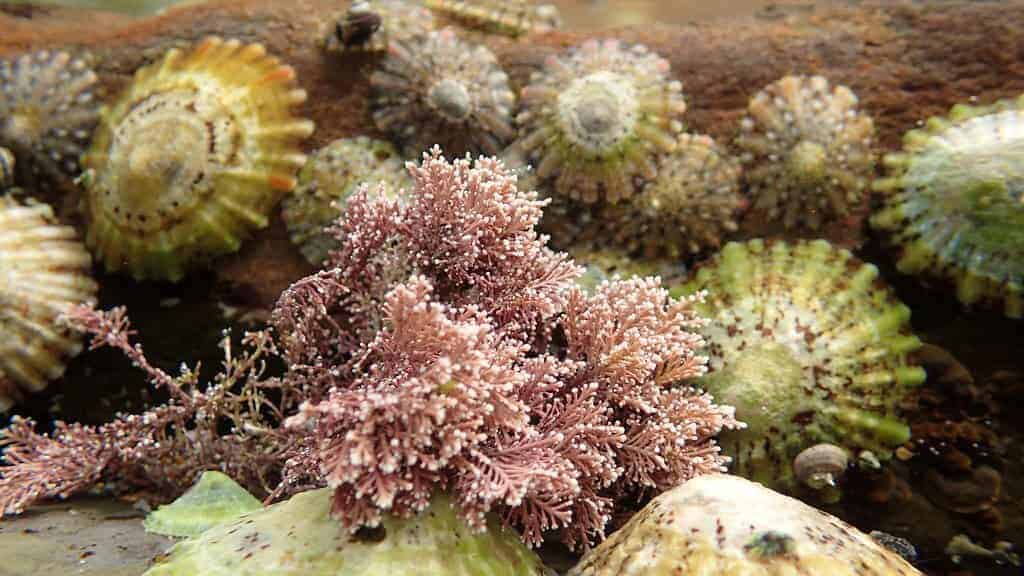
Oregon’s intertidal zones host a diverse array of mollusks that have evolved hard shells for protection against predators and desiccation during low tide. Common mussels (Mytilus californianus) form extensive beds in the middle intertidal zone, attaching to rocks with strong byssal threads that withstand powerful wave action. Limpets, with their conical shells, include species like the owl limpet (Lottia gigantea) and the shield limpet (Lottia pelta). These gastropods use a muscular foot to create a tight seal against rocks, preventing water loss during exposure. Various species of chitons—primitive mollusks with eight overlapping plates—can be found clinging to rocks, including the gumboot chiton (Cryptochiton stelleri), the largest chiton species in the world.
Barnacles, though resembling mollusks with their calcium carbonate shells, are actually crustaceans related to crabs and lobsters. Acorn barnacles (Balanus glandula) and goose barnacles (Pollicipes polymerus) are common along Oregon’s coast, often forming dense aggregations in the high and middle intertidal zones. During high tide, these filter feeders extend feathery appendages to capture plankton from the water. When exposed, they close their shell plates tightly to retain moisture. The presence and distribution of barnacle species serve as important indicators of wave exposure and environmental conditions, making them valuable subjects for ecological research and monitoring climate change impacts on coastal systems.
Crabs and Other Crustaceans
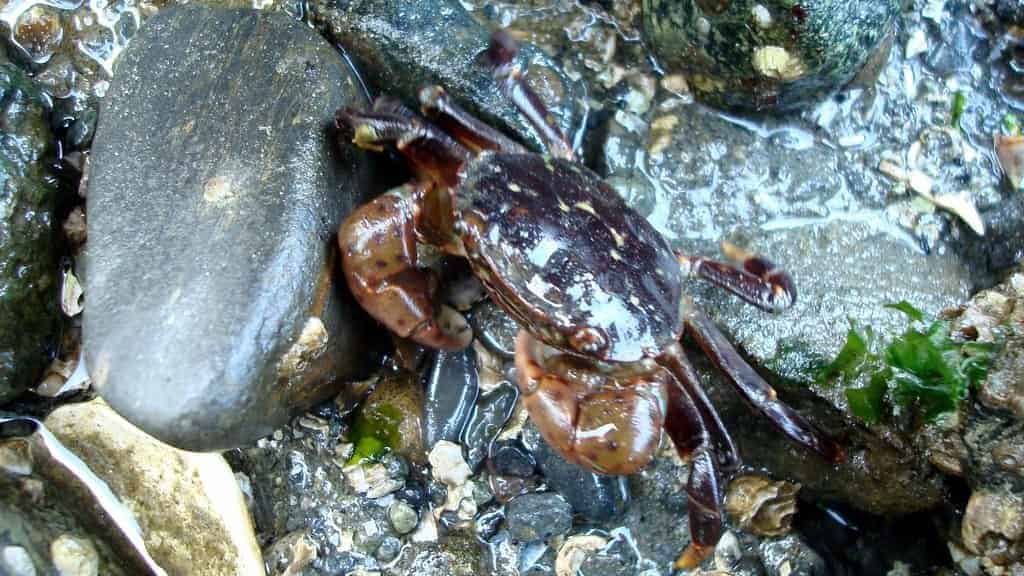
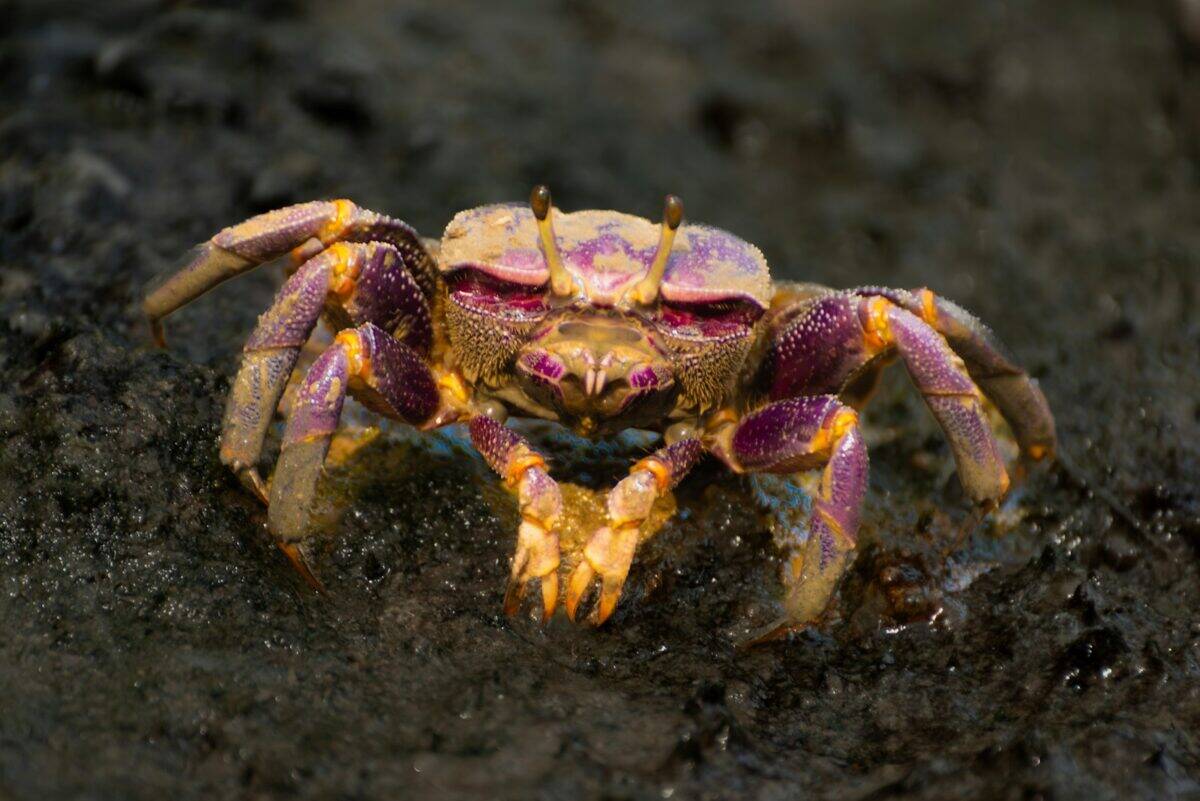
Crustaceans add movement and drama to Oregon’s tide pools, with various crab species being particularly visible during low tide. The purple shore crab (Hemigrapsus nudus) and the lined shore crab (Pachygrapsus crassipes) scuttle among rocks in the middle intertidal zone. The larger red rock crab (Cancer productus) and Dungeness crab (Metacarcinus magister) might be glimpsed in lower intertidal areas, especially during spring low tides. These opportunistic omnivores feed on algae, detritus, and smaller animals, playing important roles in nutrient cycling within the ecosystem. Hermit crabs, including the common Pacific hermit crab (Pagurus samuelis), occupy empty snail shells for protection, upgrading to larger homes as they grow.
Beyond crabs, tide pool explorers might encounter other fascinating crustaceans. Porcelain crabs (Petrolisthes cinctipes) resemble true crabs but are more closely related to lobsters. Their flattened bodies allow them to hide in narrow crevices during low tide. Small, translucent beach hoppers (Megalorchestia californiana) can be found in wrack lines of seaweed deposited at high tide. These detritivores play a crucial role in breaking down organic matter. Isopods such as the rock louse (Ligia pallasii) are also common in the high intertidal zone. Many crustaceans display remarkable adaptations for conserving moisture during air exposure, including specialized gill chambers that retain water and behaviors that minimize movement during low tide to reduce water loss.
Elusive Octopuses and Other Cephalopods
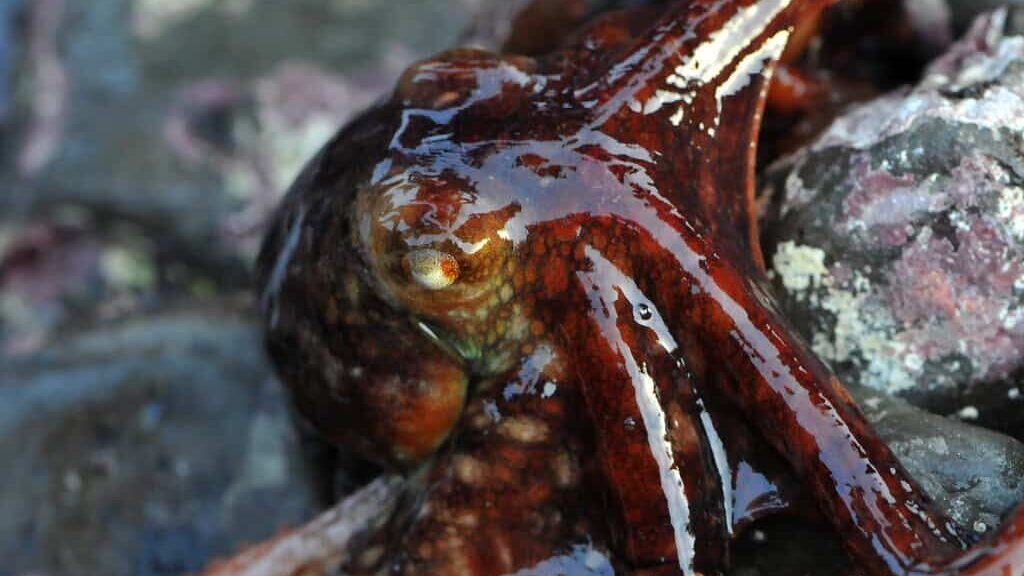
The Pacific red octopus (Octopus rubescens) represents one of Oregon’s most intelligent intertidal inhabitants, though spotting one requires patience and keen observation. These masters of camouflage can change both color and texture to blend perfectly with their surroundings. During extremely low tides, lucky observers might glimpse these remarkable creatures in tide pools or under rocky overhangs. Growing to only about 20 inches in total length, the Pacific red octopus is smaller than its deeper-water relative, the giant Pacific octopus, but shares its remarkable intelligence and problem-solving abilities. These cephalopods feed primarily on crustaceans, using their venomous beak to subdue prey.
Other cephalopods occasionally visible in Oregon’s intertidal zones include various squid species that might become stranded during unusually low tides. While adult squid typically remain in deeper waters, juveniles and smaller species can sometimes be found in tide pools. Cephalopods possess the most advanced nervous systems among invertebrates, with complex behaviors and learning capabilities. Their presence in tide pools offers a rare opportunity to observe these typically deep-water animals. Conservation efforts are particularly important for these sensitive creatures, as their populations can be vulnerable to environmental changes and human disturbance. Visitors who encounter octopuses should maintain a respectful distance and never attempt to remove them from their habitat.
Colorful Nudibranchs and Sea Slugs
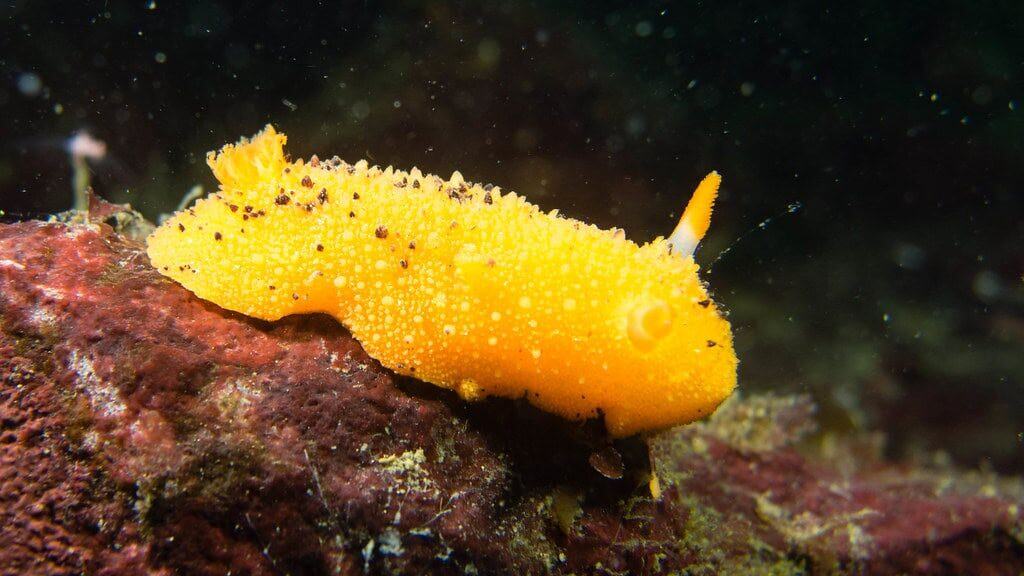
Oregon’s tide pools harbor some of the ocean’s most flamboyant creatures—nudibranchs and sea slugs. These shell-less mollusks come in extraordinary colors and patterns, often serving as warning displays to potential predators. The sea lemon (Doris montereyensis), with its bright yellow body, and the opalescent nudibranch (Hermissenda crassicornis), displaying blue, orange, and white, are relatively common in Oregon’s lower intertidal zones. The ornate nudibranch (Dirona albolineata) features dramatic cerata (finger-like projections) that aid in respiration and digestion. Unlike their shelled relatives, nudibranchs have evolved chemical defenses rather than physical protection.
What makes these creatures particularly fascinating is their ability to incorporate defenses from their prey. Several species that feed on cnidarians can store their prey’s unfired stinging cells (nematocysts) in their own tissues for defense. Others synthesize toxic compounds that make them unpalatable to predators. Nudibranchs are hermaphroditic, possessing both male and female reproductive organs, but still require a partner to mate. Their elaborate egg ribbons, spirals of thousands of eggs often laid on kelp or rocks, can sometimes be spotted during low tide. While these delicate animals face threats from pollution and habitat disruption, Oregon’s marine protected areas provide crucial safeguards for these living jewels of the intertidal zone.
Fish Adapted to Intertidal Life
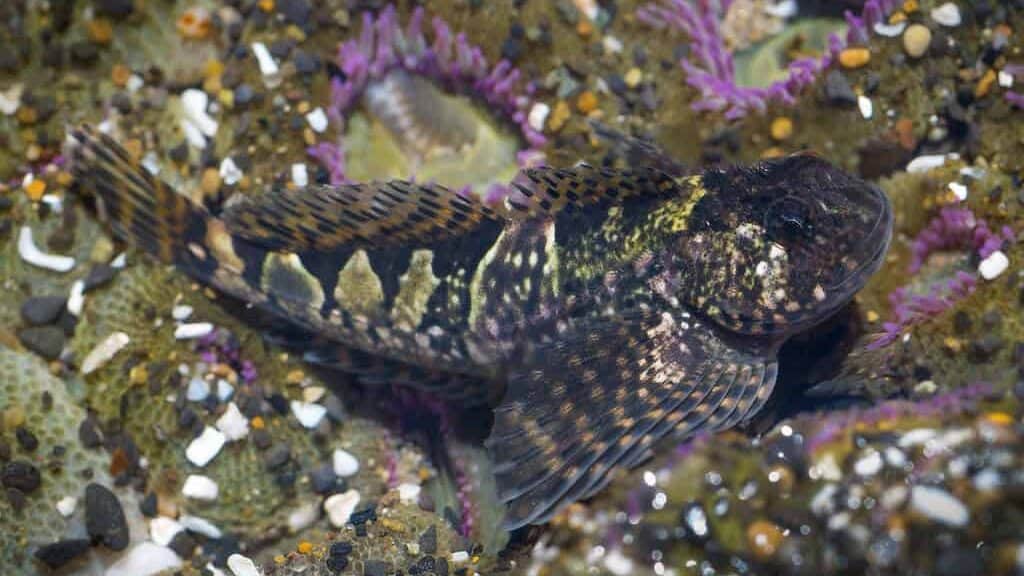
Several fish species have evolved remarkable adaptations for surviving in tide pools rather than retreating with the outgoing tide. The tidepool sculpin (Oligocottus maculosus) is perhaps the most commonly encountered, with mottled coloration that provides excellent camouflage against rocky backgrounds. These small fish can tolerate significant changes in temperature, salinity, and oxygen levels that occur in tide pools throughout the day. The northern clingfish (Gobiesox maeandricus) possesses a specialized ventral suction disc that allows it to adhere tightly to rocks even in strong wave action. This adaptation prevents them from being washed out of their intertidal homes during turbulent conditions.
Another fascinating intertidal fish is the monkeyface prickleback (Cebidichthys violaceus), which can breathe air when tide pools become oxygen-depleted. Unlike most fish that are exclusively carnivorous or herbivorous, this species transitions from eating mostly animals as juveniles to consuming primarily algae as adults. The high intertidal blenny (Hypsoblennius gilberti) can survive extended periods out of water by retreating to moist crevices and reducing its metabolic rate. These specialized fish represent evolutionary success stories, filling ecological niches that would be inhospitable to most other fish species. Their presence in tide pools provides important food sources for larger predators and helps maintain the ecological balance of these dynamic ecosystems.
Vibrant Seaweeds and Marine Plants
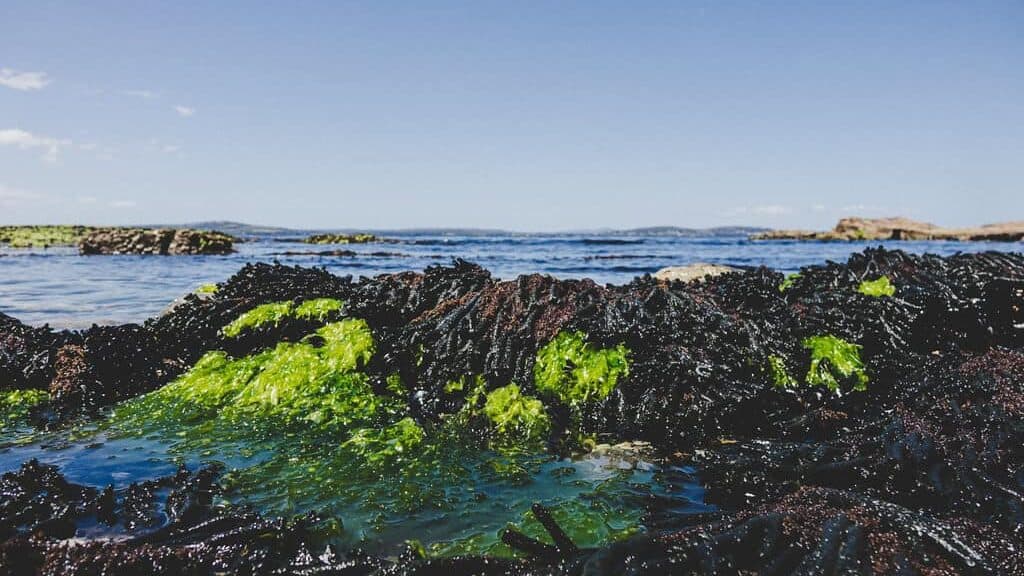
While not animals, Oregon’s diverse seaweeds and marine plants form the foundation of intertidal ecosystems and create habitat for many creatures. The coast features three main groups of seaweeds: green algae (Chlorophyta) like sea lettuce (Ulva lactuca), red algae (Rhodophyta) including coralline algae that deposit calcium carbonate in their tissues, and brown algae (Phaeophyceae) such as the impressive bull kelp (Nereocystis luetkeana) and feather boa kelp (Egregia menziesii). Each has adapted to specific intertidal zones, with green algae generally occurring higher and red algae dominating lower zones due to their light absorption capabilities at greater depths.
These marine plants display fascinating adaptations for intertidal survival, including flexible stipes (stems) that bend rather than break in wave action and holdfast structures that anchor them securely to rocks. Many produce mucilage coatings that prevent desiccation during low tide exposure. Surfgrass (Phyllospadix), one of the few true flowering plants in marine environments, creates important nursery habitat in the lower intertidal zone. The presence and health of these primary producers serve as indicators of ecosystem condition, with changes in seaweed communities often signaling environmental shifts. Beyond their ecological importance, many of Oregon’s seaweeds have traditional uses as food and medicine among coastal Native American tribes, with renewed interest in their culinary and nutritional applications today.
Best Tide Pool Locations Along Oregon’s Coast
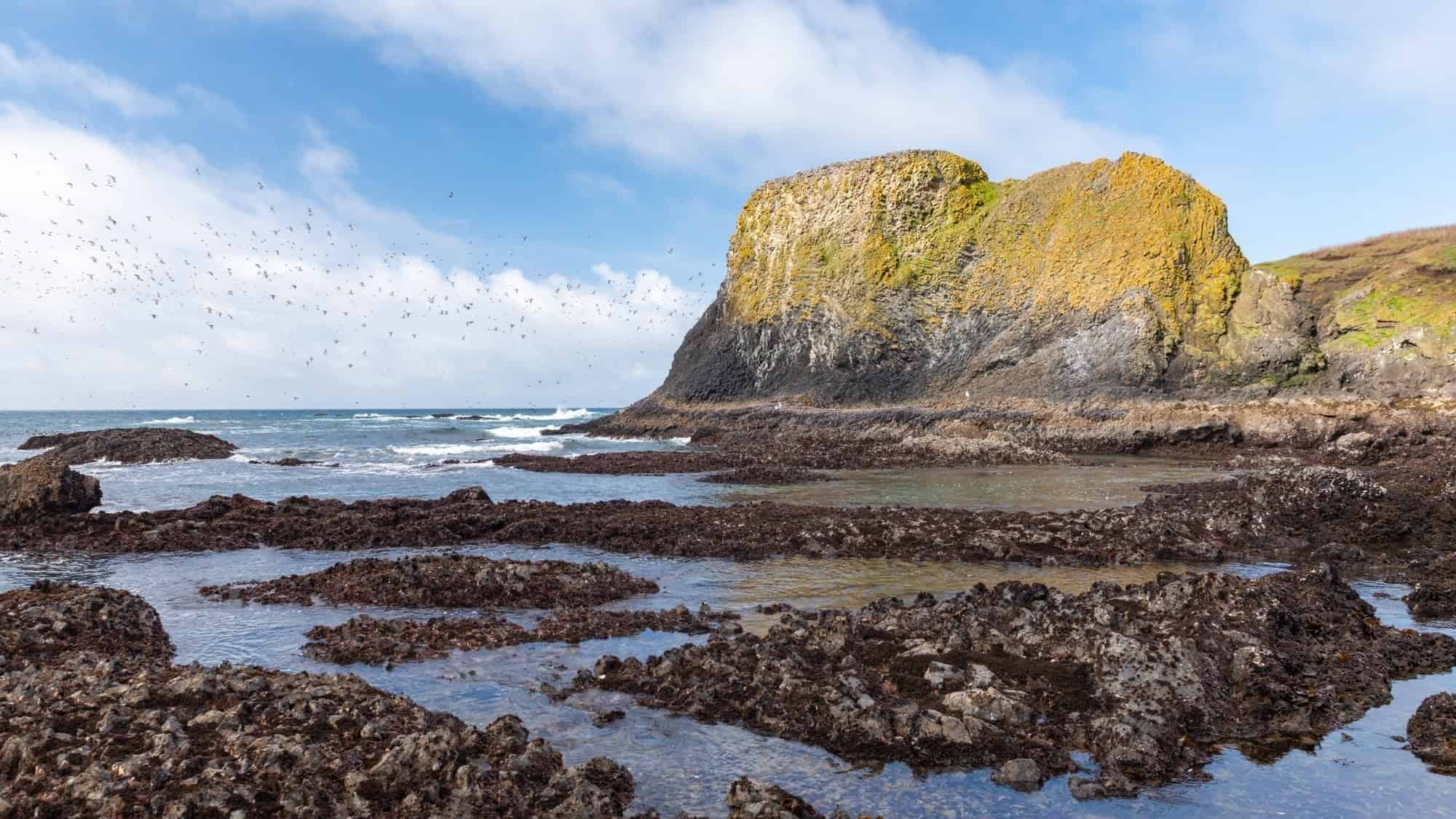
Oregon offers numerous excellent locations for tide pool exploration, with some sites providing easier access and more diverse marine life than others. Yaquina Head Outstanding Natural Area near Newport features extensive, accessible tide pools with interpretive programs offered by the Bureau of Land Management. Cape Perpetua Scenic Area south of Yachats includes Devil’s Churn and Cook’s Chasm, where dramatic intertidal formations create diverse microhabitats. Sunset Bay State Park near Coos Bay offers gently sloping tide pools that are ideal for families with children. Haystack Rock at Cannon Beach, perhaps Oregon’s most iconic intertidal site, hosts abundant sea stars, anemones, and nesting seabirds atop the 235-foot sea stack.
Other noteworthy locations include Cape Arago State Park south of Coos Bay, with three coves offering different intertidal experiences; Seal Rock State Recreation Site between Newport and Waldport, featuring extensive mussel beds and diverse invertebrate communities; and Cape Kiwanda near Pacific City, where sandstone formations create unique tide pool habitats. For the most rewarding experience, visitors should plan their explorations around negative low tides (tides below mean lower low water), which expose the richest diversity of marine life. Tide tables are available online through NOAA or at visitor centers along the coast. The best viewing typically occurs during spring and summer months when the lowest tides fall during daylight hours, though winter low tides can offer unique opportunities to observe seasonal species and behaviors.
Oregon’s intertidal ecosystems face numerous threats, including habitat destruction, pollution, invasive species, climate change, and human disturbance. Rising ocean temperatures and acidification particularly impact shell-forming organisms like barnacles, mussels, and sea stars. To address these challenges, Oregon has established five marine reserves and eight marine protected areas that limit human activities to preserve intertidal and subtidal habitats. Organizations like the Oregon Coast Aquarium, Portland State University’s Center for Life in Extreme Environments, and the Oregon Department of Fish and Wildlife conduct ongoing research and monitoring to track ecosystem health and inform conservation strategies.
Visitors play a crucial role in preserving these delicate ecosystems by practicing responsible tide pooling. Always step carefully on bare rock rather than on living organisms, even seemingly hardy barnacles and mussels can be crushed underfoot. Observe creatures without removing them from their habitats, as even brief displacement can be fatal. Turning rocks to look underneath is acceptable if they’re gently returned to their original position, as many organisms depend on the specific microhabitat created by that rock. Never collect living organisms, shells, or rocks from protected areas (collection regulations vary by location). Finally, time visits carefully to avoid being trapped by incoming tides, and always be aware of sneaker waves that can occur even during relatively calm conditions. By following these guidelines, tide pool enthusiasts can help ensure these remarkable ecosystems remain healthy for future generations to enjoy.

- Owls and Other Forest Dwellers of the Cascades - July 19, 2026
- What Happens When a Python Eats Something Too Big? - July 19, 2026
- Baby Koalas Hug Their Moms for Safety and Comfort - July 19, 2026
Leave a comment
You must be logged in to post a comment.