

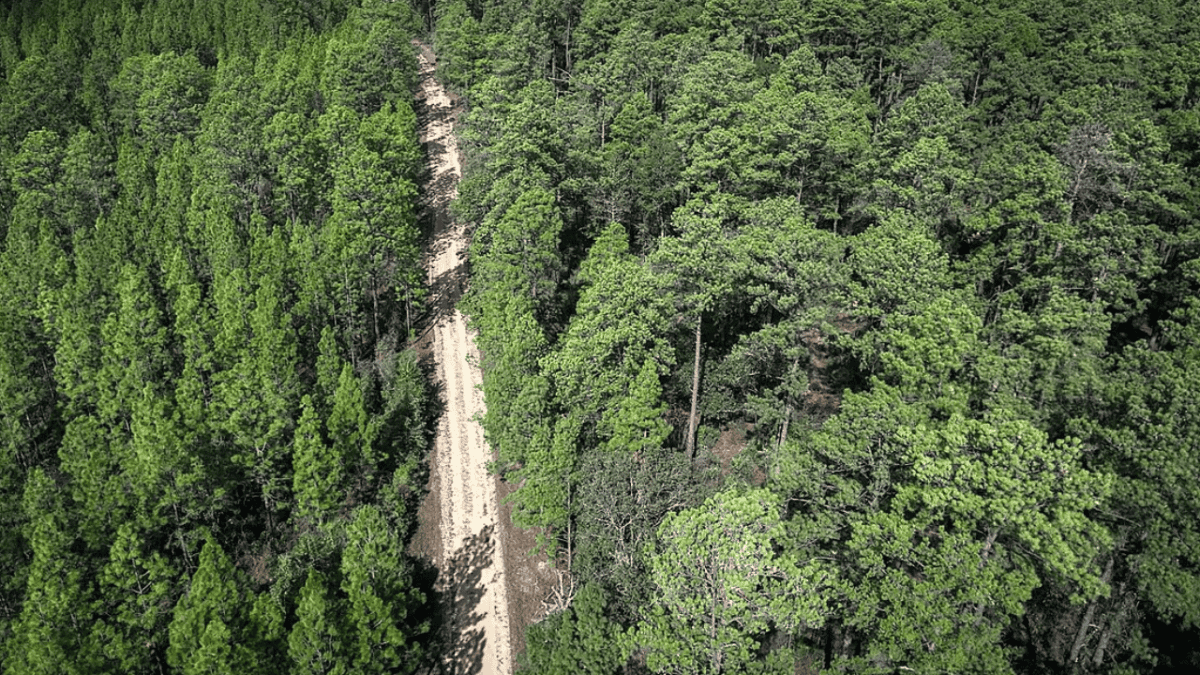
Colorado’s iconic ponderosa pine forests along the Front Range face a looming ecological crisis as pine beetles, a native bark-beetle species, are poised to decimate large swaths of trees over the coming decade, according to new federal and state forecasts. Aerial surveys found the insects spreading rapidly from Larimer County southward to El Paso County, raising alarms among scientists, forest managers and policymakers alike.
What makes this outbreak especially worrisome is its proximity to population centers and major transport corridors such as Interstate 70 and U.S. 285, where rust-colored dead trees are already visible. The Colorado government has responded with a new task force and executive actions aimed at mitigating fire risk, protecting watersheds and preparing communities, but experts say controlling the spread remains extremely difficult.
Beetles on the March: A Sudden Spike in Infestations
Recent U.S. Forest Service aerial surveys reveal a dramatic uptick in pine beetle infestations along Colorado’s Front Range, with forecasts showing the insects could kill nearly all mature ponderosa pines in affected forests within the next five to ten years.
Already, pockets of rust-tinted trees can be seen near major highways, signaling how far the outbreak has spread. This marks a shift from previous decades when similar outbreaks were mostly confined to more remote lodgepole pine forests.
Why the Beetles Are Winning
Pine beetles are native to Colorado and historically played a natural ecological role by removing diseased and dying trees. But climate change-driven warmer temperatures and prolonged drought have weakened otherwise healthy trees’ defenses, making them easier targets.
Trees under stress produce less resin — the substance that normally helps fend off beetle attacks — and fewer hard freezes allow beetle populations to survive and reproduce year-round with fewer interruptions.
The Domino Effect: Dead Forests and Fire Risk
Once infested, a pine tree quickly turns rust-colored, then gray, before dying and eventually falling. These dead trees, laden with dry needles, become ready fuel for wildfires, compounding the threats already posed by hotter, drier conditions in the West.
Colorado’s recent catastrophic wildfires — among the largest in state history — were worsened by landscapes filled with beetle-killed timber that burned hotter and spread faster, according to fire officials.
State Response: Task Force and Mitigation
In response, Governor Jared Polis issued an executive order forming the Mountain Pine Beetle Ponderosa Outbreak Task Force, bringing together federal and state agencies, utilities, timber companies, conservation groups and local stakeholders.
The governor’s planned budget recommendations include expanded wildfire and beetle mitigation programs, financial support for landowners, increased use of beetle-killed timber, and funding for research into better control strategies.
Impacts Beyond Trees: Public Safety and Water
The beetle outbreak isn’t just an ecological issue — it also poses broader public safety and economic challenges. Dead and falling trees increase hazards for hikers, cyclists and motorists in Colorado’s forests.
Moreover, changes in forest structure can affect watershed health and recreational economies, particularly in communities that depend on forest tourism and outdoor activities. Officials say comprehensive planning is needed to address these cascading impacts.
What the Future Holds
Experts warn that, while large-scale control of the beetle’s spread may be limited, long-term forest management strategies — including maintaining mixed-age stands and enhancing tree resilience — could reduce future outbreaks.
Ongoing monitoring and proactive mitigation efforts are critical, as continued climate warming and drought conditions may favour further expansion of beetle populations into new areas.
A Wake-Up Call for Forest Stewardship
Colorado’s accelerating pine beetle outbreak highlights a sobering truth: climate stress and historical forest management choices have set the stage for large-scale forest mortality. While native insects are a natural part of forest ecosystems, the scale and speed of this outbreak — now threatening areas near urban centers — should prompt a reassessment of how forests are managed in a changing climate. Policies that support diverse age forests, drought-resilient tree species and community preparedness are not optional but necessary investments.
As Coloradans witness what were once iconic green forests turn ghostly gray, the challenge goes beyond scientific monitoring — it requires sustained public engagement, funding and political will to build resilient landscapes that can withstand future ecological shocks. The task force is a start, but real progress will depend on shared responsibility and action at every level.

- Urban Coyotes Show Remarkable Adaptability, Learning to Thrive in City Environments - July 22, 2026
- Beavers Are Nature’s Engineers, Creating Vital Habitats for Other Wildlife Species - July 21, 2026
- The Recovery of the California Condor Offers Hope for Other Critically Endangered Birds - July 21, 2026