
Next time you’re standing on a beach, scoop up a handful of sand and let it run through your fingers. You’re holding thousands of grains, and each one is a tiny piece of a shoreline that stretches for miles. Now try to picture every beach, every dune field and every desert on the planet added together.
Astronomers say the stars out there would still win, and by a lot. The comparison is famous, but the story behind it is messier and more interesting than the tidy version you’ve probably heard. The numbers have moved, argued with each other and been challenged, and that’s a big part of why the story is worth telling.
Putting Sand and Stars on the Same Scale

🔥 Would you like to save this?
We'll email this post to you, so you can come back to it later!
A widely repeated estimate from researchers at the University of Hawaii put the number of sand grains on Earth’s beaches at roughly seven and a half quintillion. That’s a seven followed by eighteen zeros, give or take a few. It’s a back of the envelope figure, built from assumptions about average grain size and how much beach there is.
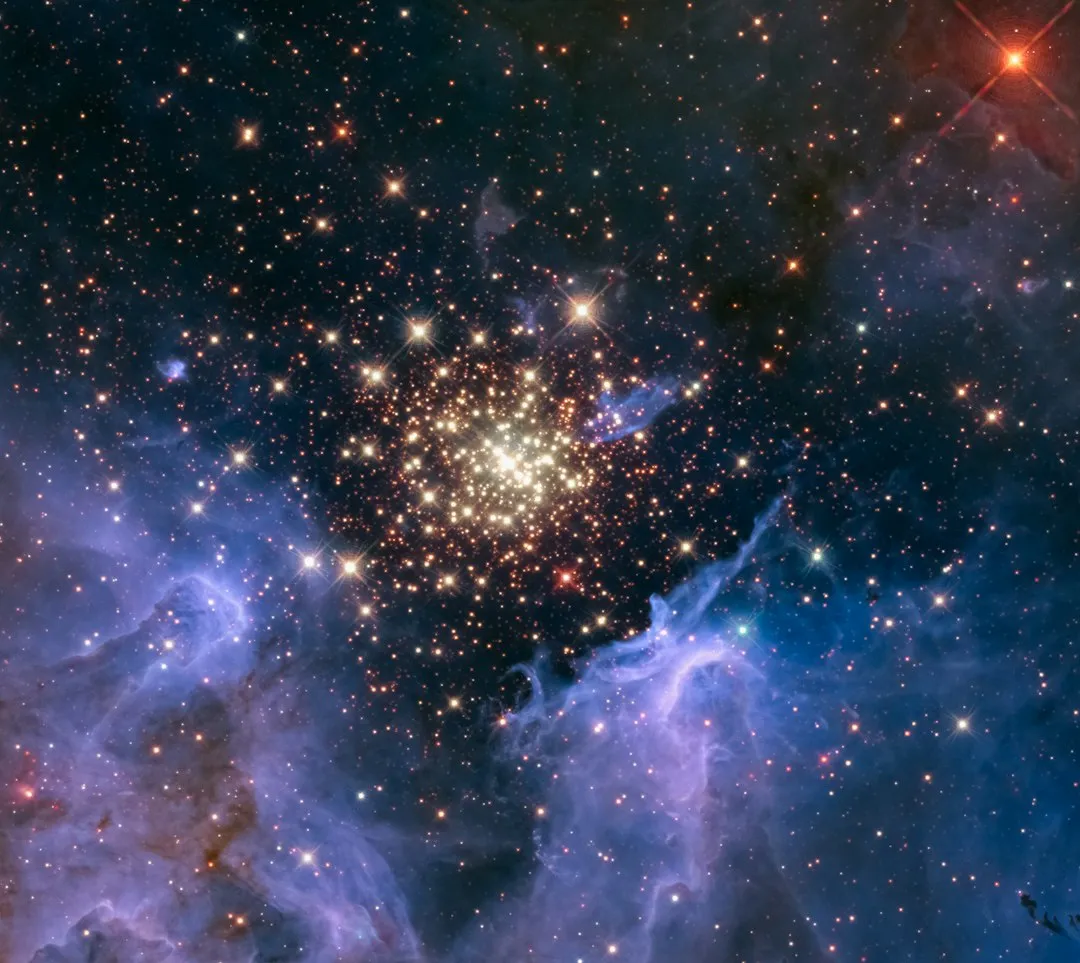
Estimates for stars in the observable universe usually land between ten sextillion and a few hundred sextillion. Even at the low end, that’s more than a thousand times the sand figure. At the high end, it’s well over a hundred thousand times larger. Add in deserts, which the original sand estimate left out, and the stars still come out comfortably ahead.
How Anyone Counts What Can’t Be Counted

🔥 Would you like to save this?
We'll email this post to you, so you can come back to it later!
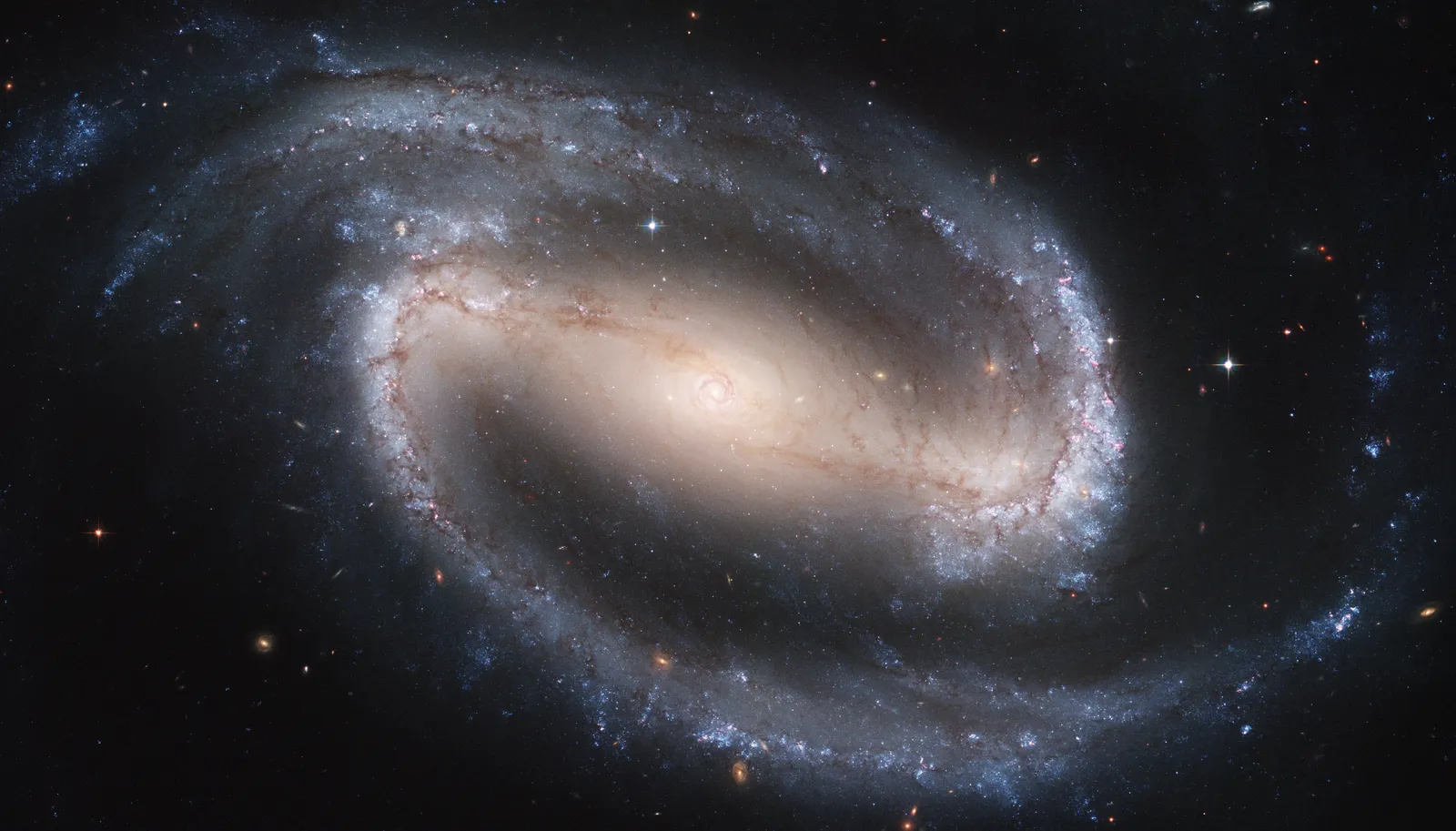
Nobody has counted the stars one by one, and nobody ever will. Astronomers use a two step shortcut instead. First they estimate how many galaxies exist in the observable universe, then they estimate how many stars sit in a typical galaxy and multiply the two.
Both steps are tricky. Deep images from telescopes like Hubble show only a small patch of sky, so researchers scale up from that sample. Our own Milky Way is thought to hold a few hundred billion stars, but galaxies range from faint dwarfs with a few million stars to giants with trillions. The average you choose changes the final answer dramatically.
The Upward Revisions, and Why the Story Isn’t That Simple
🔥 Would you like to save this?
We'll email this post to you, so you can come back to it later!
It’s true that major estimates have climbed. In 2003, an Australian team surveying nearby galaxies arrived at a figure of about seventy sextillion stars. Then in 2010, astronomers studying giant elliptical galaxies reported far more faint red dwarf stars than expected, which suggested the total could be roughly three times higher. In 2016, a separate analysis of Hubble data argued the universe holds around two trillion galaxies, many times the older figure of a couple hundred billion.
Still, “revised upward three times” is a neat summary rather than a clean official timeline. These were different studies tackling different parts of the problem, and not every researcher accepted them. Some later work argued the galaxy count was too high, so the history includes pushback as well as growth. If you see a confident claim about exactly how many revisions there have been, treat it with a little caution.
Why the Number Keeps Shifting
🔥 Would you like to save this?
We'll email this post to you, so you can come back to it later!
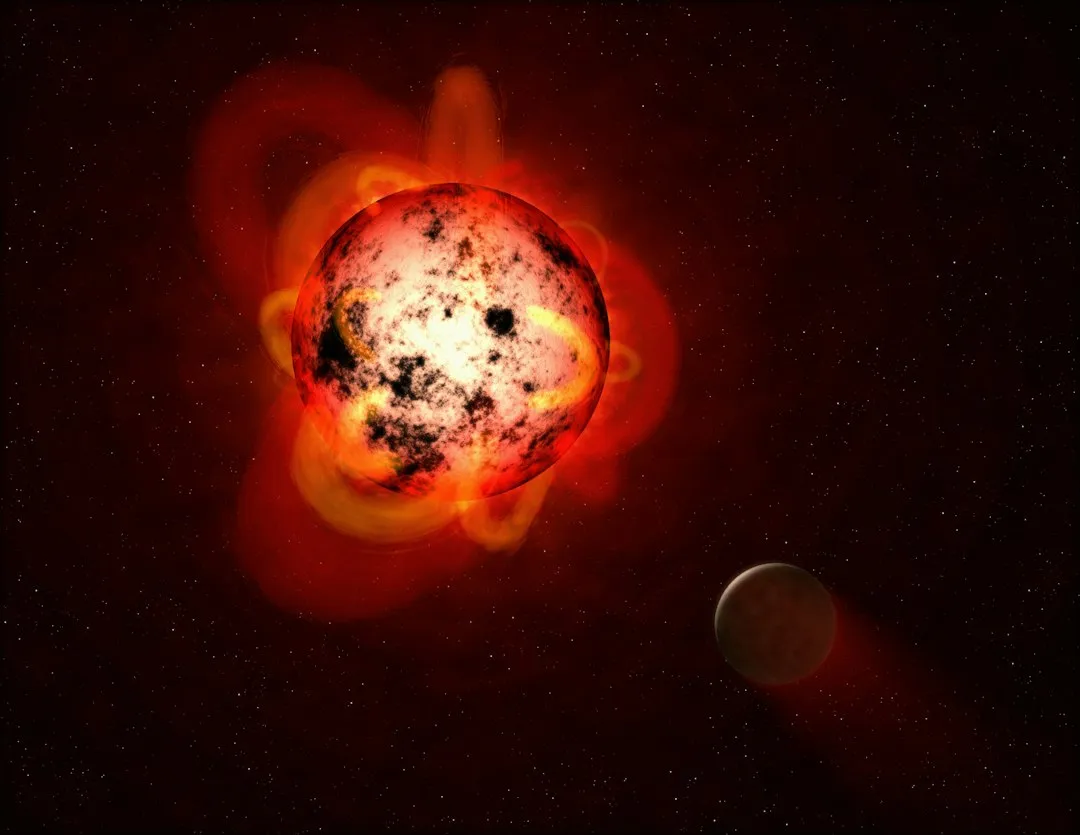
The biggest trouble is that the faintest stars are the hardest to see and the most common. Red dwarfs make up most stars in many galaxies, yet they glow so weakly that we can’t spot them in distant galaxies at all. Astronomers have to infer their numbers from nearby examples and from models of how stars form, and those models can be wrong.
Distance adds another wrinkle. Light from far away galaxies left long ago, so we see them as they were, not as they are. Small galaxies in the early universe are also too dim to detect, and some may have merged into larger ones since. Every improvement in telescopes, including the James Webb Space Telescope, brings new faint objects into view and gives researchers reasons to adjust their assumptions.
What the Comparison Really Tells Us
🔥 Would you like to save this?
We'll email this post to you, so you can come back to it later!
The sand comparison works because it turns an unimaginable number into something you can almost feel. Yet there’s an important caveat tucked inside it. The observable universe is only the part whose light has had time to reach us, and the whole universe may be far larger, possibly much larger, than that.
So the star count is really a count of our cosmic neighborhood, not of everything that exists. It’s also a reminder that science works by refining, not by announcing final answers. A number that moves as evidence improves isn’t a weakness. It’s the method doing its job.
Final Thoughts
🔥 Would you like to save this?
We'll email this post to you, so you can come back to it later!
I’ll say it plainly: the exact figure matters less than people think, and I find the argument over it more fascinating than the number itself. Whether it’s seventy sextillion or several hundred, our brains can’t truly hold it. What matters is that careful people keep checking, doubting and updating, and that they’re honest when a headline friendly claim is tidier than the evidence.
So enjoy the sand comparison, but don’t treat it as settled fact carved in stone. Treat it as a progress report from a very long project. The stars have been there for billions of years, and our counting is only just getting good enough to be properly argued about.

- 7 Everyday Habits That Can Make Your Senior Dog Happier - November 5, 2026
- 10 Enigmatic Structures That Continue to Puzzle Scientists Today - November 5, 2026
- 10 Strange Ruins in the Americas That Challenge What We Know About Early History - November 5, 2026