

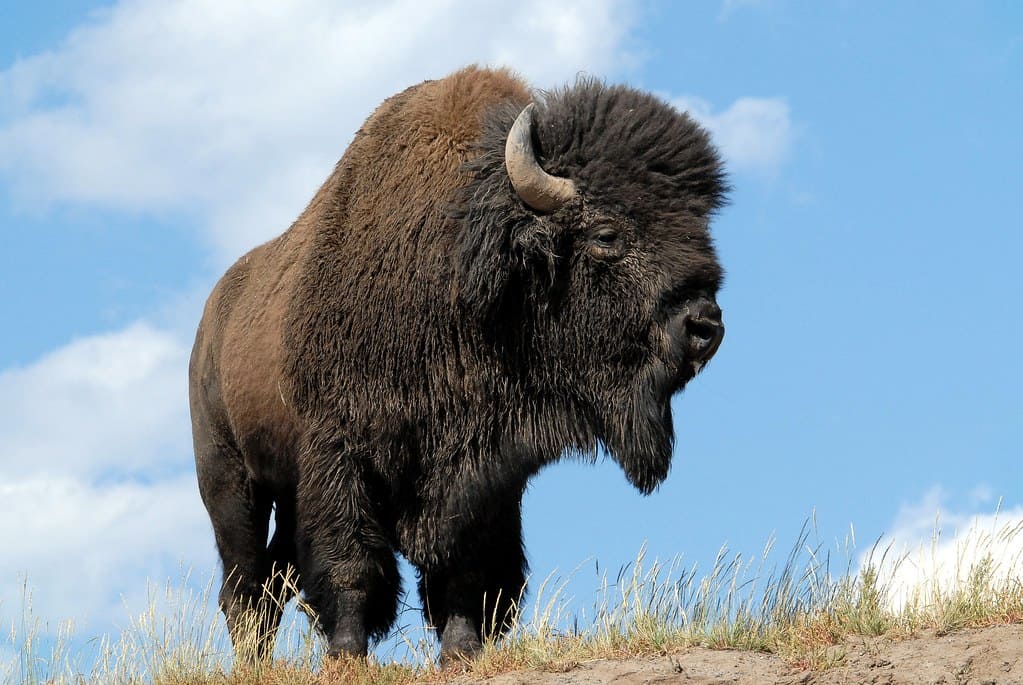
Before European settlement, an estimated 30-60 million bison roamed North America, creating one of the continent’s most impressive wildlife spectacles. These massive mammals, weighing up to 2,000 pounds, were ecosystem engineers that shaped the vast grasslands stretching from Mexico to Canada. Plains Indigenous peoples developed cultures intimately connected to bison, relying on them for food, shelter, tools, and spiritual practices. The relationship was so profound that many tribal identities were forged through their connection to these animals. When settlers moved westward in the 19th century, they encountered herds so vast they could take days to pass. The bison’s historical abundance and ecological significance established them as North America’s keystone species—one whose impact on their environment was disproportionately large compared to their abundance.
The Near-Extinction Crisis
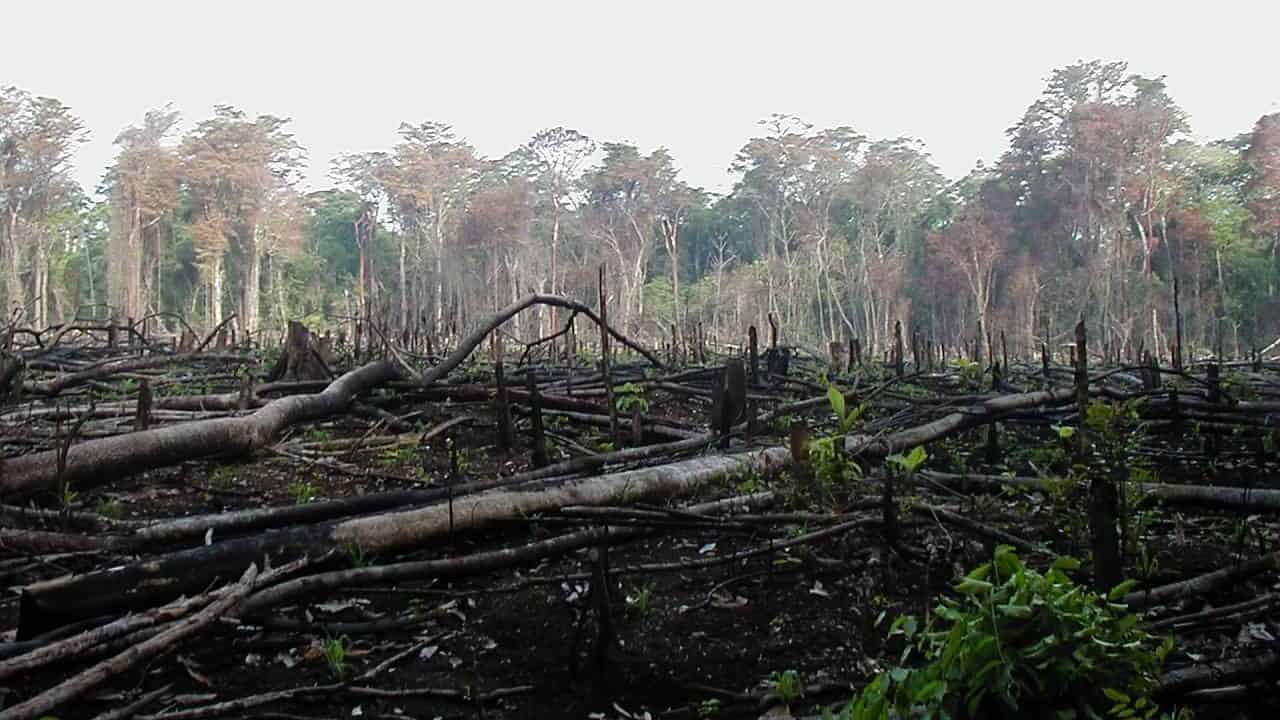
The story of the American bison represents one of history’s most dramatic population collapses. By the late 1800s, commercial hunting, government-sanctioned extermination campaigns, and habitat loss had reduced the population from tens of millions to fewer than 1,000 individuals. This devastation happened with shocking speed—approximately 50 million bison eliminated in just a few decades. The slaughter was partly strategic, as government officials recognized that eliminating bison would undermine Indigenous resistance to westward expansion. Buffalo Bill Cody alone claimed to have killed 4,280 bison in just 18 months. By 1889, only 835 wild bison remained in the United States and Canada combined. This catastrophic decline brought the species to the brink of extinction and forever altered the Great Plains ecosystem while devastating the Indigenous cultures dependent on them.
Early Conservation Efforts
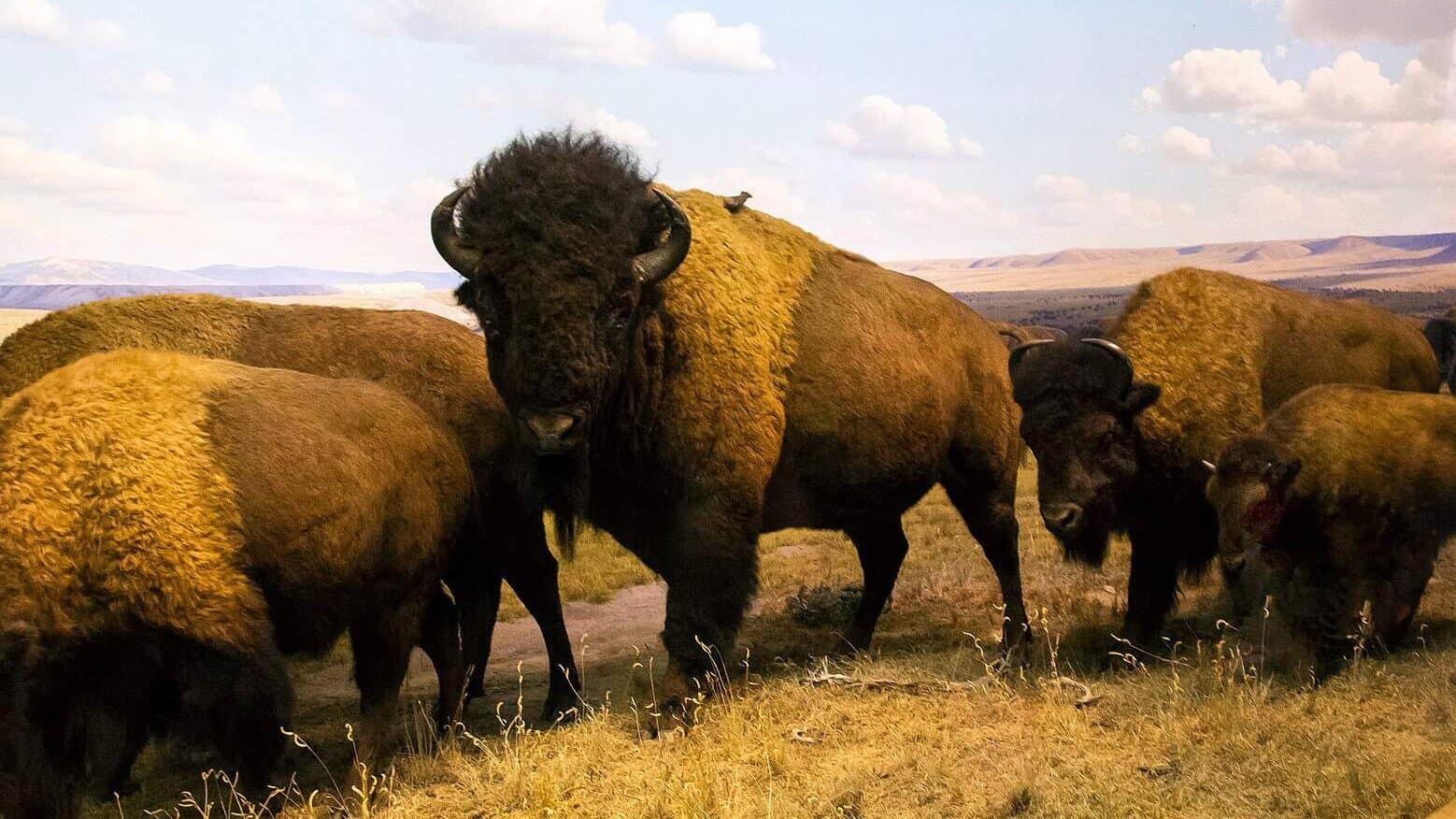
The rescue of the American bison from extinction represents one of conservation’s earliest success stories. In the late 19th century, as the species teetered on the edge of disappearance, a small group of forward-thinking individuals took action. William Hornaday, director of the Bronx Zoo, established a captive breeding program with just 15 bison. Simultaneously, private ranchers like Charles Goodnight and Frederick Dupree preserved small herds on their lands. The American Bison Society, founded in 1905 with Theodore Roosevelt’s support, worked to establish protected herds in reserves like the National Bison Range in Montana and Wichita Mountains Wildlife Refuge in Oklahoma. Perhaps most remarkably, members of the Salish, Kootenai, and Pend d’Oreille tribes pooled resources to purchase bison for the Flathead Reservation in Montana, despite facing desperate poverty themselves. These early conservation efforts saved the species from biological extinction but left a genetic bottleneck that still affects bison today.
Ecological Importance as a Keystone Species
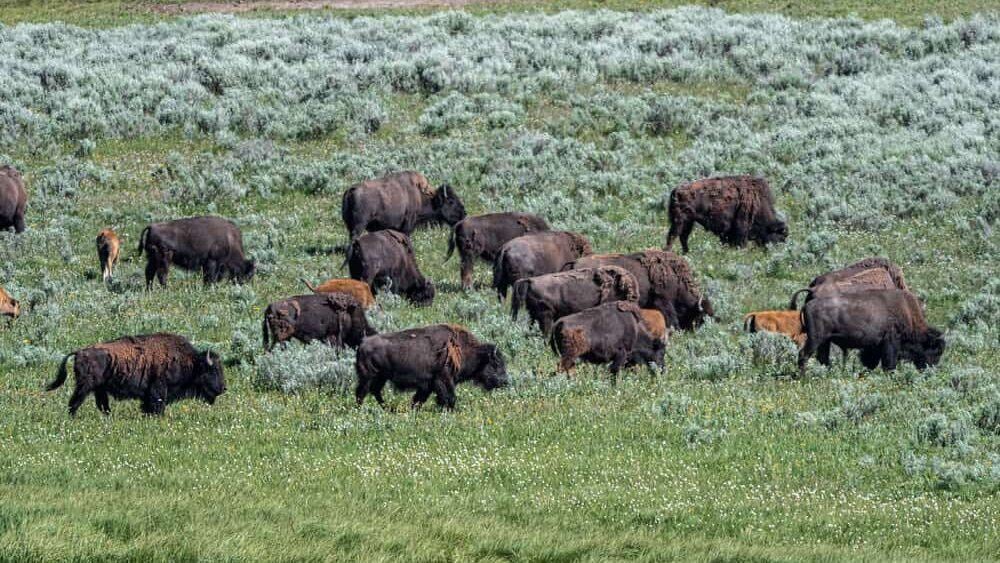
American bison function as ecosystem architects, fundamentally shaping the landscapes they inhabit. Their grazing patterns create a mosaic of vegetation heights that promotes plant diversity—research shows bison-grazed prairies can support up to 300 plant species compared to just 100 in ungrazed areas. Unlike cattle, which graze somewhat indiscriminately, bison selectively consume grasses while largely avoiding flowering plants, creating niches for diverse prairie flora. Their wallowing behavior—rolling in dirt depressions—creates microhabitats that collect rainwater and support specialized plant communities. These wallows can persist for decades, visible from satellite imagery across the Great Plains. Bison hooves disturb soil, creating germination sites for seeds, while their dung fertilizes the prairie and supports diverse insect communities that become food for birds and other wildlife. Perhaps most significantly, bison co-evolved with prairie fires, preferentially grazing recently burned areas, which helps prevent woody plant encroachment and maintains grassland ecosystems.
Cultural Significance to Indigenous Nations
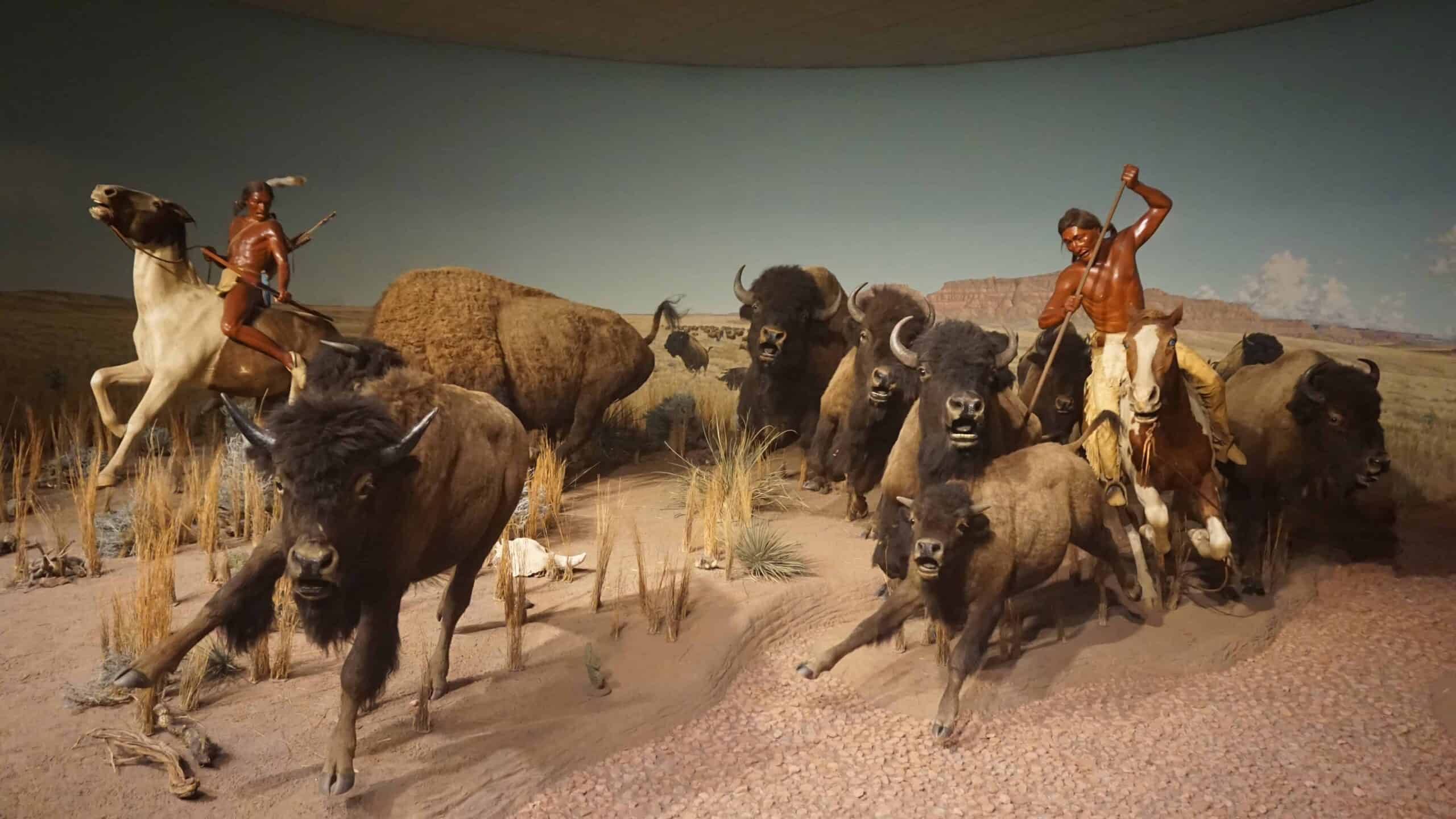
For many Indigenous peoples of North America, particularly Plains nations, the relationship with bison transcends ecological or economic connections—it is foundational to cultural identity and spiritual practice. The Lakota concept of “mitákuye oyás’iŋ” (all are related) reflects the spiritual kinship between people and bison. The Blackfeet describe themselves as “buffalo people,” with creation stories explaining how humans learned to survive by observing how bison lived on the plains. Nearly every part of harvested bison had specific uses: meat for sustenance, hides for tipis and clothing, bones for tools, sinew for bowstrings, and bladders for water containers. The Buffalo Dance remains sacred to many tribes, including the Mandan and Hidatsa, connecting modern tribal members to ancestral traditions. Today, tribally-led bison restoration efforts like the InterTribal Buffalo Council (representing 76 tribes) work to restore not just the animals but the cultural practices surrounding them. As Ervin Carlson, president of the Council, explains: “The buffalo is not just wildlife to us—they are relatives essential to our cultural revitalization.”
Current Conservation Status
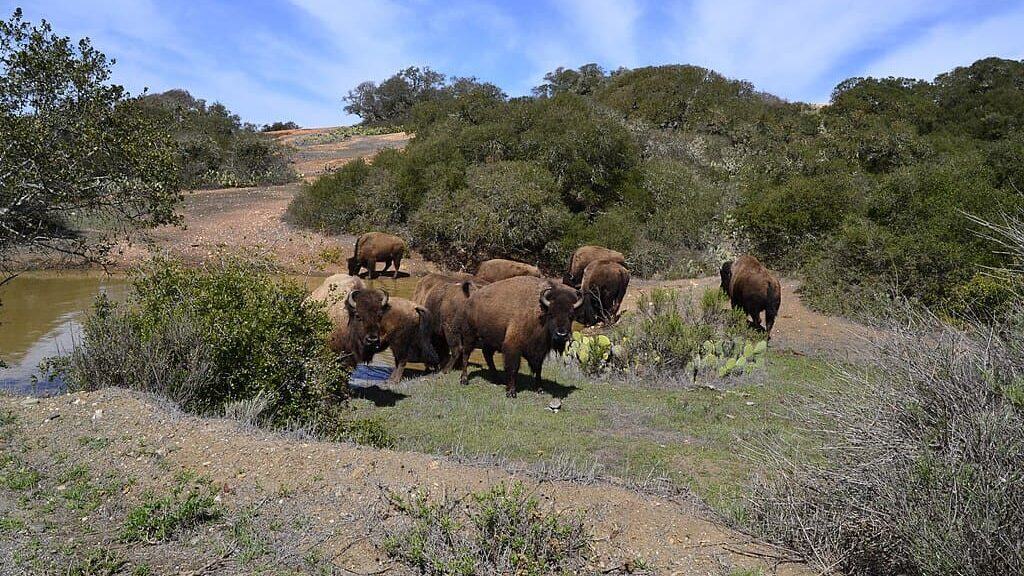
Today’s American bison population stands at approximately 500,000 individuals—a remarkable recovery from near-extinction, yet still less than 1% of their historical numbers. However, this figure requires important context. Of these half-million animals, fewer than 30,000 are managed primarily for conservation in public and private herds. The vast majority—over 95%—are raised as livestock on private ranches. Further complicating matters, genetic studies reveal that most bison carry traces of cattle DNA, the result of crossbreeding experiments in the early 20th century. Only about 8,000 plains bison are considered genetically pure, with Yellowstone National Park’s herd of 5,400 animals representing the largest conservation population that has never been crossbred with cattle. The species is no longer considered threatened with biological extinction, but ecological extinction—where bison no longer fulfill their ecosystem role across their range—remains a significant concern. The International Union for Conservation of Nature (IUCN) classifies American bison as “Near Threatened,” acknowledging both their recovery and ongoing vulnerabilities.
Challenges to Full Ecological Restoration

Despite conservation successes, numerous obstacles impede the full ecological restoration of bison across their historic range. Habitat fragmentation presents perhaps the greatest challenge—the vast, unfenced landscapes bison once roamed have been divided by roads, agriculture, and development. Even in protected areas, space limitations create management dilemmas. Yellowstone’s bison population regularly exceeds the park’s carrying capacity, but when animals migrate outside park boundaries, they face hostility from neighboring landowners concerned about disease transmission to cattle. Brucellosis, a bacterial infection that can cause abortion in cattle, remains present in some wild bison herds and drives much of the conflict. Political and social resistance also complicates restoration efforts, with ranching associations often opposing bison reintroduction based on concerns about competition for grazing lands and property damage. Additionally, climate change threatens the grassland ecosystems bison depend on, with shifting precipitation patterns and increased drought frequency already affecting prairie health throughout the Great Plains.
Iconic Potential: Bison vs. Bald Eagle

The bald eagle has long held the position of America’s foremost conservation symbol, with its recovery from the brink of extinction serving as a powerful testament to the effectiveness of the Endangered Species Act and the banning of DDT. However, the American bison possesses unique qualities that could elevate it to even greater iconic status. Unlike the bald eagle, which primarily represents patriotic symbolism, the bison embodies ecological restoration, cultural reconciliation, and landscape-scale conservation. While the eagle’s recovery primarily required eliminating specific threats rather than active ecosystem management, bison restoration necessitates reconnecting landscapes, restoring ecological processes, and reconciling complex human conflicts. The bison’s story also confronts America’s historical treatment of Indigenous peoples and wildlife in ways the eagle’s narrative does not. Both species appear on currency and in national imagery, but the bison’s presence on the buffalo nickel (1913-1938) and as the national mammal (designated in 2016) reflects its deeper cultural significance. Importantly, the bison story isn’t about preserving a species in isolated pockets but about restoring a keystone species that actively shapes and maintains entire ecosystems.
Success Stories in Bison Restoration

Despite significant challenges, several successful bison restoration projects demonstrate what’s possible when science, policy, and collaboration align. The American Prairie Reserve in Montana represents one of the most ambitious efforts, having assembled over 450,000 acres with the goal of creating a 3.5-million-acre landscape where bison can roam freely alongside other native wildlife. Their herd, started with just 16 animals in 2005, now numbers over 800. In South Dakota, Badlands National Park partnered with the World Wildlife Fund and the Oglala Sioux Tribe to expand bison territory in the park’s wilderness area, creating one of the largest conservation herds in the National Park System. Perhaps most significant are tribally-led initiatives, with the Fort Peck Assiniboine and Sioux Tribes in Montana establishing a cultural herd that now exceeds 350 animals descended from Yellowstone’s genetically pure bison. In Canada, Banff National Park successfully reintroduced bison in 2017 after a 140-year absence, with the herd now reproducing naturally and reestablishing their ecological role in the landscape. These projects demonstrate that with sufficient space, resources, and community support, bison can once again become functional components of North American ecosystems.
Economic Benefits of Bison Restoration
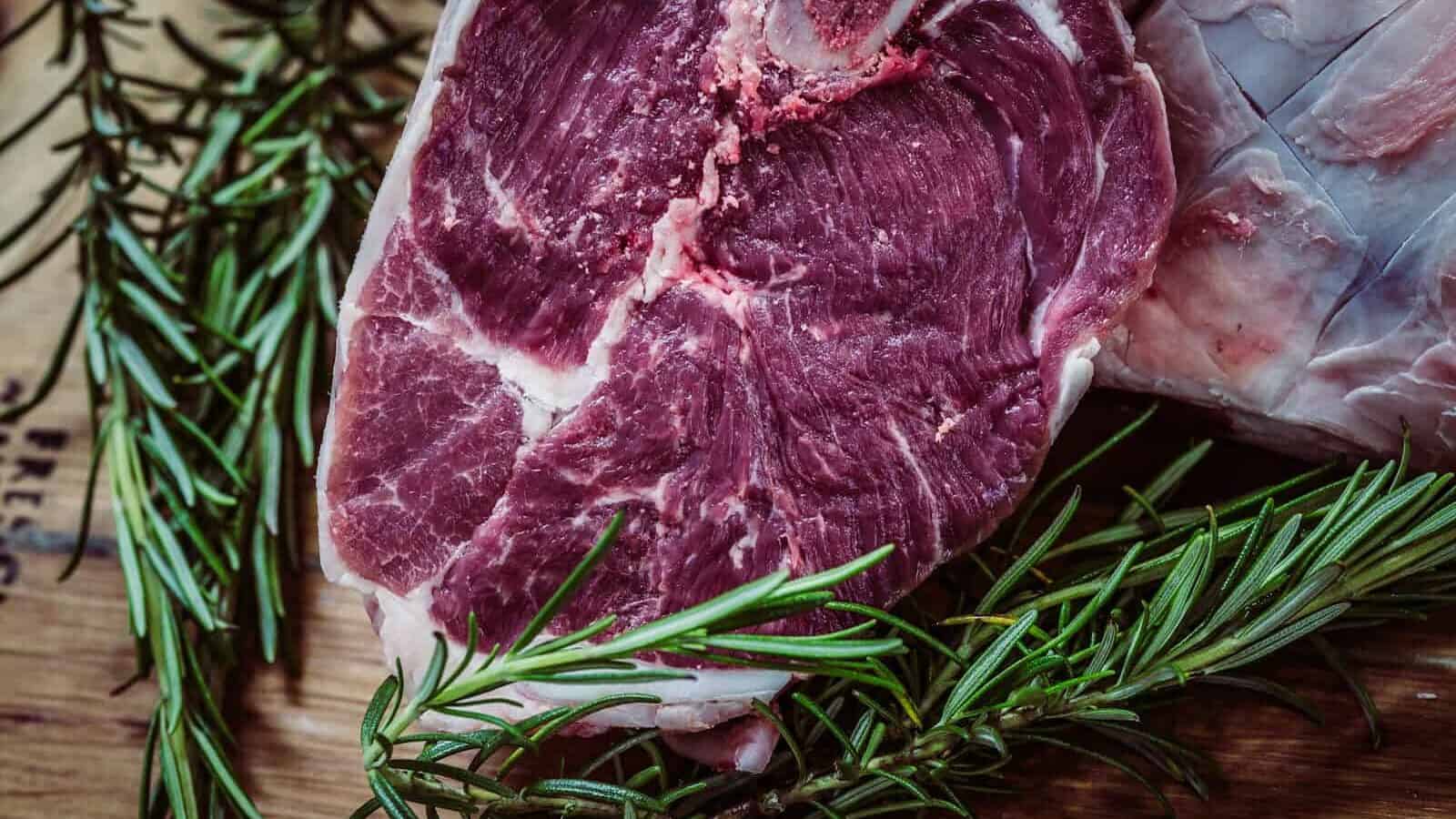
Bison restoration offers substantial economic advantages beyond ecological and cultural benefits. Wildlife tourism centered around bison generates significant revenue for communities near restoration sites. Yellowstone National Park, where bison serve as a premier attraction, contributes over $642 million annually to local economies, supporting nearly 7,000 jobs. The growing market for bison meat, valued at over $350 million annually, provides economic opportunities for ranchers transitioning from cattle. Unlike beef production, bison ranching requires minimal inputs—the animals thrive on native grasses without supplemental feed, antibiotics, or hormones. Their natural adaptation to North American climates means they require less water and can withstand extreme weather conditions better than cattle. Conservation organizations have developed innovative approaches like the Wild Sky program, which pays ranchers for implementing wildlife-friendly practices compatible with bison restoration. For tribal nations, bison restoration creates jobs in management, tourism, and meat processing while providing sustainable food sources. The InterTribal Buffalo Council estimates that every 100 bison restored to tribal lands creates five full-time jobs while providing cultural and nutritional benefits that address health disparities in Native communities.
The Role of Public Lands in Bison Conservation
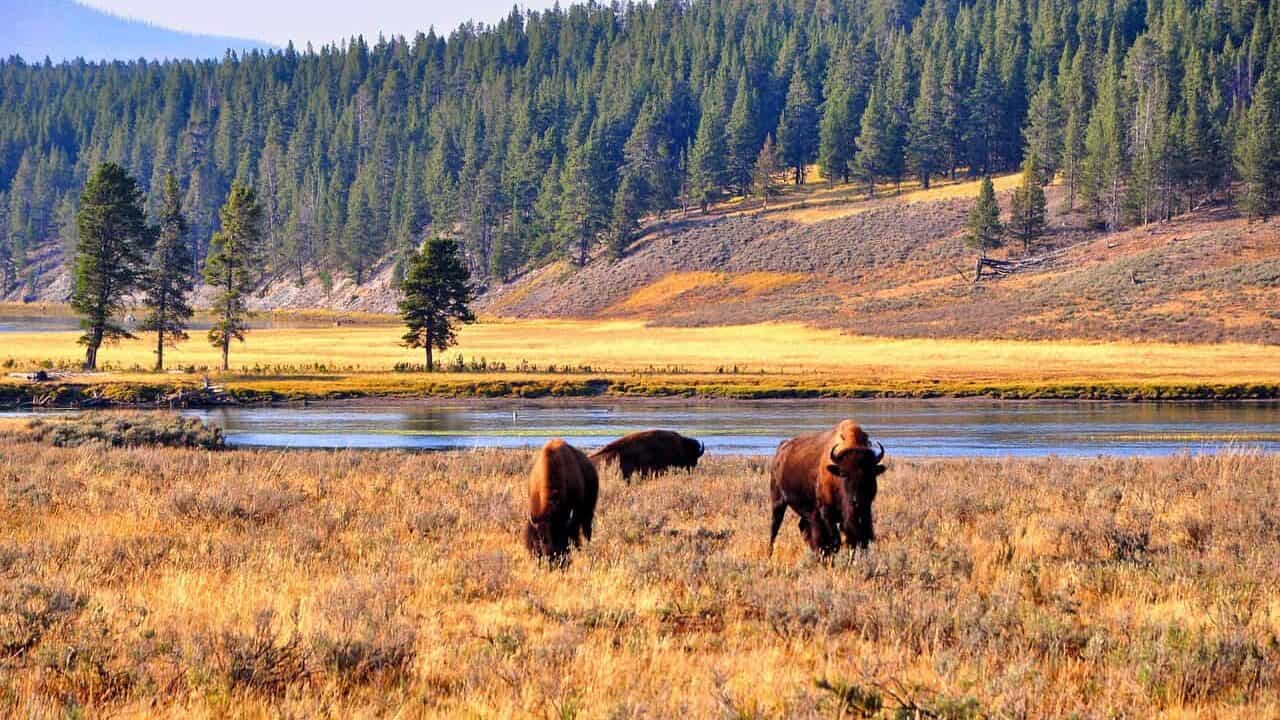
America’s public lands system offers the greatest potential for large-scale bison restoration. The federal government manages approximately 640 million acres—nearly 28% of the nation’s land area—much of it within the bison’s historical range. National parks like Yellowstone, Grand Teton, and Theodore Roosevelt already maintain significant bison populations, but many other suitable public lands remain without bison. The Bureau of Land Management oversees 245 million acres, including vast grasslands where bison once thrived, yet currently manages fewer than 400 bison nationwide. The U.S. Forest Service administers 193 million acres, including many former bison habitats, but has been slow to incorporate bison into management plans. Charles M. Russell National Wildlife Refuge in Montana represents one promising opportunity—its million acres could potentially support thousands of bison with minimal conflict with agricultural interests. However, expanding bison onto public lands requires navigating complex political and regulatory challenges, including grazing permit systems that prioritize livestock. Recent policy innovations, such as the Department of Interior’s Bison Conservation Initiative, aim to coordinate restoration efforts across agencies and develop best practices for managing bison on public lands. Strategic use of these lands could create connected habitats allowing bison to resume natural migration patterns and ecological functions.
Future Vision: What Successful Bison Recovery Looks Like
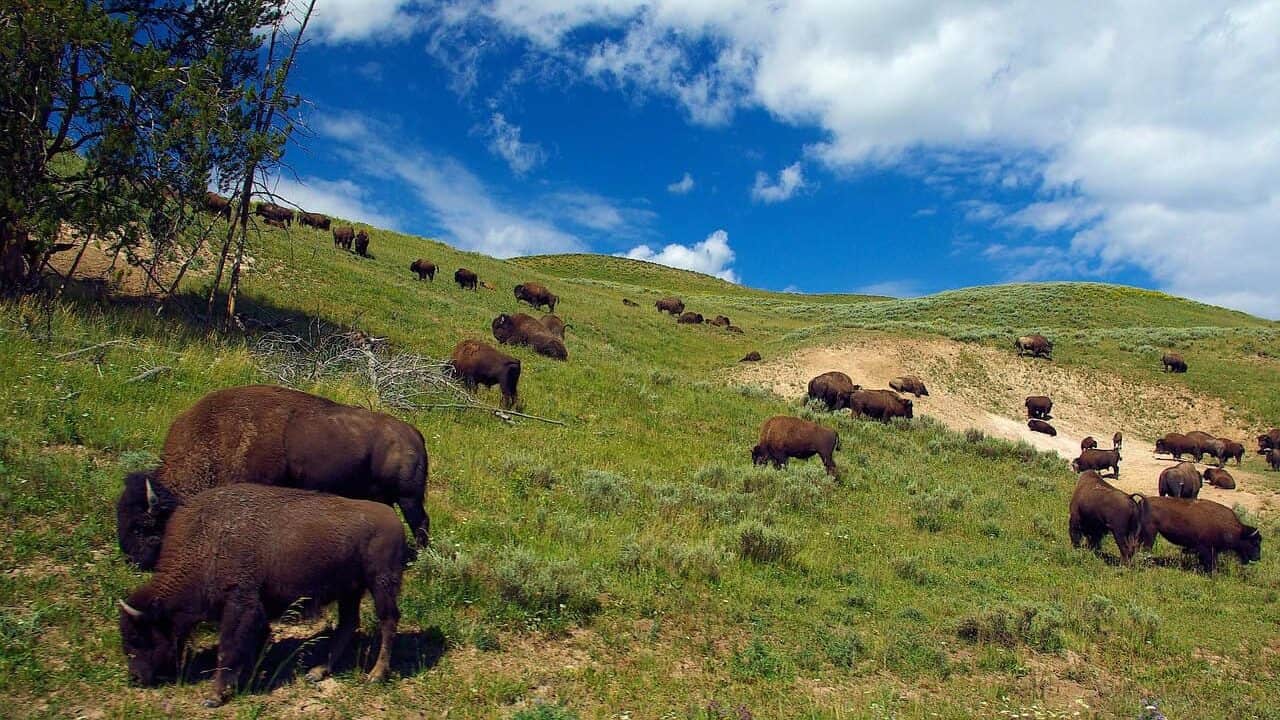
A fully realized bison recovery would transform America’s conservation landscape. Rather than isolated herds in enclosed reserves, success means connected populations moving across large landscapes according to seasonal patterns. The most ambitious vision comes from initiatives like the Buffalo Commons, which proposes restoring bison to millions of acres across the Great Plains. While complete restoration to pre-European numbers is unrealistic given current land use, conservation biologists suggest that establishing approximately 10-15 herds of at least 1,000 animals each, with genetic exchange between populations, would ensure the species’ long-term viability. These core conservation areas would be surrounded by buffer zones where bison ranching provides economic benefits while maintaining landscape connectivity. Indigenous-led conservation would be central to this vision, with tribal nations managing significant herds on sovereign lands. Success also means addressing genetic issues through careful breeding programs that reduce cattle gene introgression while maintaining genetic diversity. The ultimate measure of recovery isn’t simply population numbers but the restoration of ecological processes—fire patterns, plant communities, and wildlife associations that evolved with bison over millennia. This vision requires a fundamental shift in how Americans perceive landscapes, moving from seeing the Great Plains primarily as agricultural land to recognizing its potential as one of the world’s great grassland ecosystems.
The American bison stands at a crossroads—rescued from biological extinction but still far from fulfilling its ecological and cultural potential across the landscape. As the United States confronts urgent conservation challenges including climate change, biodiversity loss, and ecosystem degradation, bison restoration offers a compelling model for landscape-scale thinking that addresses multiple priorities simultaneously. Unlike single-species conservation approaches, bison recovery inherently involves ecosystem restoration, cultural reconciliation, climate resilience, and economic development. The path forward requires innovative policies that incentivize public-private partnerships, respect tribal sovereignty, and prioritize connectivity between protected areas. Most importantly, elevating the bison as America’s premier conservation icon would acknowledge the complex history of the nation’s relationship with the natural world and Indigenous peoples while creating a forward-looking vision for ecological restoration. The bison’s journey from tens of millions, to fewer than a thousand, and now back to recovery represents both one of conservation’s greatest failures and one of its most promising opportunities for redemption.

- What’s Hiding in the Forests of the Pacific Northwest - July 21, 2026
- Tarsiers: The Tiny Primates with Giant Eyes - July 21, 2026
- Are Zoos Still Ethical in 2025? - July 21, 2026