

Throughout history, pet owners have shared countless stories of their dogs acting strangely before earthquakes hit. These tales often describe dogs barking frantically for no apparent reason, pacing restlessly, or displaying unusual anxiety just minutes, hours, or even days before the ground starts shaking. While scientists remain cautious about definitive conclusions, recent research suggests there might be more truth to these observations than we once thought.
The idea that our canine companions possess some mysterious ability to predict seismic events has captured the attention of researchers worldwide. Studies from various countries are beginning to piece together how dogs might actually detect earthquakes before humans even realize what’s happening. So let’s dive in and explore whether this fascinating phenomenon is based on real science or simply wishful thinking.
The Ancient Connection Between Animals and Earthquakes

The earliest reference we have to unusual animal behavior prior to a significant earthquake is from Greece in 373 BC. Rats, weasels, snakes, and centipedes reportedly left their homes and headed for safety several days before a destructive earthquake. This ancient observation marks the beginning of documented cases linking animal behavior to seismic activity.
As far back as 373 B.C.E., there have been reports of animals behaving strangely in advance of an earthquake. You’ve likely heard stories of dogs acting in unusual ways anywhere from seconds to days before an earthquake strikes. In fact, a recent study of an earthquake in a region of Siberia noted that a small, but significant number of dogs showed anxious behaviors, including barking for no reason, howling, whining, and running around, minutes to hours before the earthquake occurred. These historical accounts laid the foundation for modern scientific inquiry into this intriguing phenomenon.
The Haicheng Success Story

Perhaps the most compelling evidence comes from a remarkable event in Chinese history. Perhaps the most compelling evidence of animals sensing earthquakes comes from a 7.3 magnitude earthquake that struck the City of Haicheng on February 4, 1975. After observing abnormal behavior, the government evacuated the city hours before the quake. The earthquake decimated 90% of the town, but the evacuation spared roughly 90,000 lives.
In China and Japan animals are considered to be an integral part of their national earthquake warning systems. One early indication of their usefulness occurred in 1975, when officials in the Chinese city of Haicheng were alarmed by odd and anxious behaviors of dogs and other animals. These observations led them to order 90,000 residents to evacuate the city. Only a few hours later a 7.3 magnitude earthquake destroyed nearly 90 percent of the city’s buildings. This success story demonstrates how animal behavior observations can potentially save thousands of lives when taken seriously.
Dr. Stanley Coren’s Groundbreaking Research
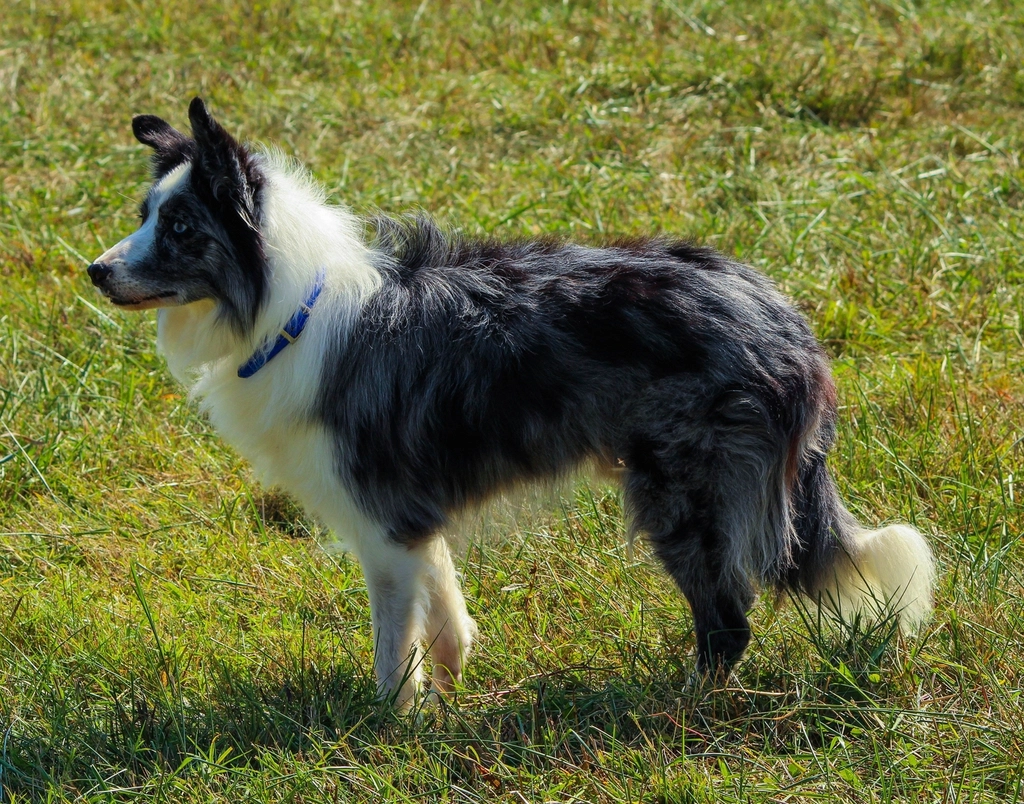
A serendipitous discovery by psychologist Dr. Stanley Coren provided some of the most compelling scientific evidence to date. By chance, I had captured data on the day before a 6.8 earthquake shook the Pacific Northwest. The quake’s focus was not far from Vancouver, Canada, and it shook my city with enough intensity to cause damage to some structures. Given the unexpected changes in the behavior of the dogs I was monitoring I began to wonder if they were somehow aware of the earthquake that was building up and would occur some hours later.
According to Dr. Coren’s research, a significant percentage of dogs showed notably higher activity levels and increased anxiety before the earthquake. The results were striking and provided measurable data rather than just anecdotal evidence. Dr. Coren’s study became a cornerstone for understanding how dogs might actually detect impending seismic events through their superior sensory abilities.
The Science of Superior Hearing

Dogs possess remarkable hearing abilities that far exceed human capabilities. Dogs have an exceptional hearing range. They can pick up frequencies between 40 Hz and 60,000 Hz, while humans typically hear from about 20 Hz to 20,000 Hz. Before an earthquake, rocks deep underground grind and crack, releasing high-frequency and low-frequency sound waves that humans cannot hear. Dogs, however, might detect these faint vibrations or sounds, prompting their sudden alertness or barking.
Dr. Coren suspected they were hearing the high-pitched, underground seismic activity of rocks grinding and scraping together that happens before an earthquake. This theory gains support from the fact that Fourteen of the dogs in his study had hearing impairments, and all but one of them didn’t show the increased activity and anxiety of the other dogs. Perhaps they were unable to detect what was bothering their fellow canines. The evidence strongly suggests that auditory cues play a crucial role in dogs’ earthquake detection abilities.
Head Size and Ear Shape Matter

Fascinating research reveals that physical characteristics significantly influence a dog’s ability to detect earthquake precursors. Mammals with smaller heads can hear higher frequencies better than mammals with larger heads, so those dogs with smaller heads should have sensed more of the earthquake predictor sounds. In fact, the dogs with the smallest head sizes tended to show a far greater increase in activity and anxiety levels before the quake, compared to the dogs with the largest head sizes. This provides further potential evidence that it’s high-frequency seismic sounds that are alerting dogs to an upcoming earthquake.
Dr. Coren also looked at ear shape because ear flaps, like those seen in floppy-eared dogs, partially block incoming sounds. He divided the dogs in his study into those with prick ears and those with floppy ears. The dogs with prick ears showed more increase in activity and anxiety the day before the earthquake than those with floppy ears, possibly because they were able to hear more of the seismic activity. These findings suggest that breed characteristics might influence earthquake sensitivity, with some dogs being natural early warning systems.
P-Waves: The First Clue

Scientists have identified a potential mechanism for dogs’ earthquake detection abilities through primary waves, or P-waves. Before humans feel any shaking, a dog might already sense the subtle seismic waves that travel faster than the ones we feel. These waves, known as primary waves (P-waves), arrive seconds before the destructive secondary waves (S-waves) that cause visible shaking. Since dogs can detect these P-waves through the ground, they may start reacting before the actual earthquake hits.
Very few humans notice the smaller P wave that travels the fastest from the earthquake source and arrives before the larger S wave. But many animals with more keen senses are able to feel the P wave seconds before the S wave arrives. This scientific explanation provides a logical foundation for understanding how dogs might detect earthquakes, though it doesn’t fully account for reports of dogs sensing earthquakes hours or days in advance.
Modern Research and Limitations
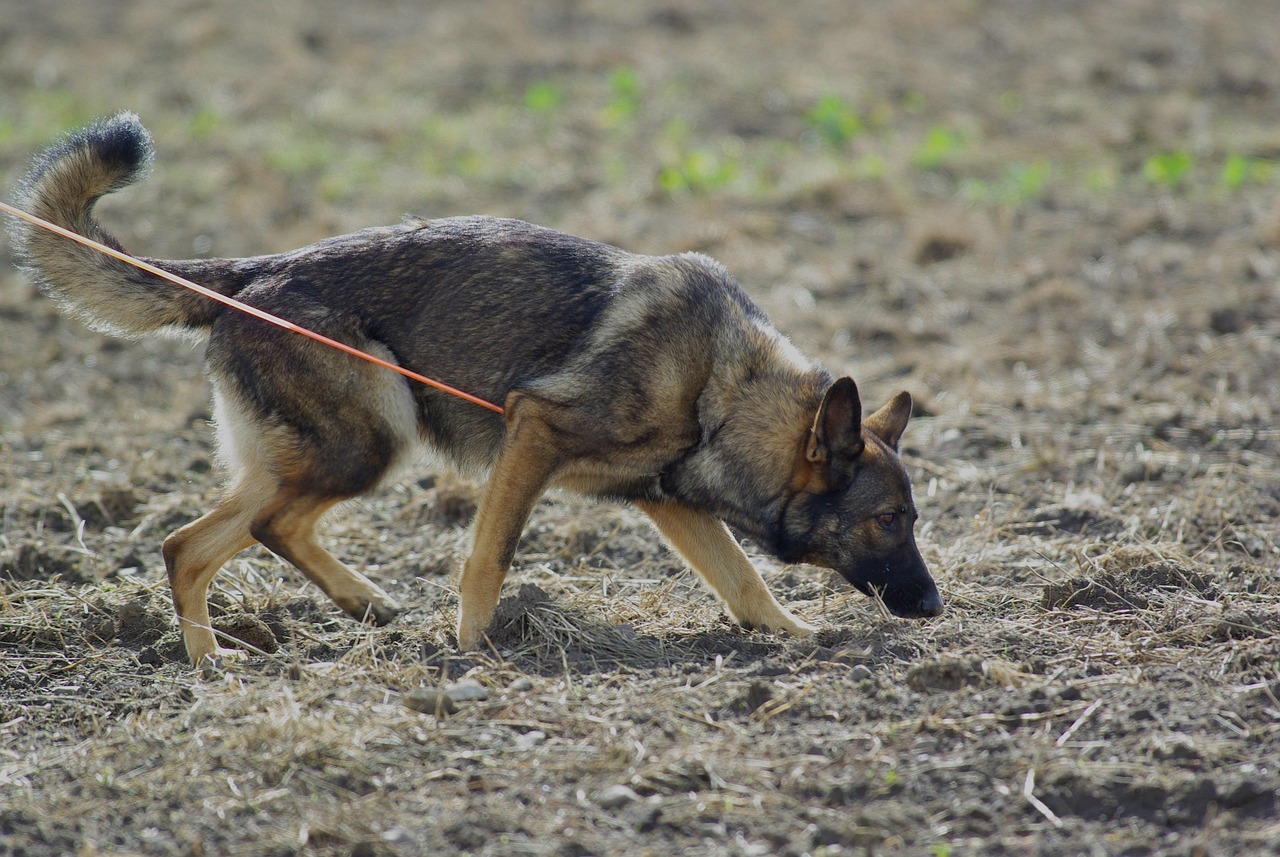
Contemporary studies continue to investigate this phenomenon with mixed but intriguing results. During separate periods totaling about four months in 2016 and 2017, they attached these biologgers and GPS sensors to six cows, five sheep and two dogs living on a farm in an earthquake-prone area of northern Italy. A total of more than 18,000 tremors occurred during the study periods, with more seismic activity during the first one – when a magnitude 6.6 quake and its aftershocks struck the region.
However, scientists emphasize important limitations. Unfortunately, there’s no conclusive scientific evidence yet that dogs can predict tremors. And we still don’t know what dogs and other animals might be reacting to, even if they could warn us with their actions. Dr. Julia Albright, a veterinary behaviorist at the University of Tennessee, said there’s no solid scientific data proving dogs can predict seismic activity. “I have no data to show that they do, other than a collection of stories, and that is now how scientists work,” Albright said. The challenge lies in distinguishing genuine earthquake prediction from coincidental anxious behavior.
Conclusion

The question of whether dogs can sense earthquakes before they strike remains one of nature’s most captivating mysteries. While we don’t have definitive proof, the evidence is mounting that our canine companions possess sensory abilities that allow them to detect subtle environmental changes we cannot perceive. From ancient Greek observations to modern scientific studies, the pattern of unusual dog behavior preceding earthquakes appears too consistent to dismiss entirely.
The combination of superior hearing, sensitivity to vibrations, and possible detection of P-waves provides plausible scientific explanations for these observations. Though more research is needed before we can confidently rely on dogs as earthquake predictors, their remarkable senses continue to amaze and potentially protect us in ways we’re only beginning to understand.
What do you think about it? Tell us in the comments.

- The Secret Lives of Nocturnal Animals: What Happens After Dark - August 10, 2026
- 12 Incredible Facts About Monarch Butterflies and Their Migration - August 10, 2026
- Why the World is Obsessed with This Iridescent Spider: The Psychedelic Earth Tiger - August 10, 2026