

The ethical debate surrounding animal testing has intensified in recent decades, leading to significant policy changes across the globe. As consumers become increasingly conscious of the ethical implications behind the products they purchase, governments worldwide have responded by implementing restrictions or outright bans on animal testing for cosmetics and other consumer products. This shift represents not just a victory for animal rights advocates but also reflects broader societal changes in how we view animal welfare and scientific progress. Let’s explore which countries have taken decisive action against animal testing, what these bans actually entail, and what the future might hold for animal welfare in scientific research.
The Evolution of Animal Testing Legislation

Animal testing has been practiced for centuries, with formal regulations beginning to emerge in the mid-20th century. Initially, these regulations focused on preventing unnecessary suffering rather than questioning the practice itself. The first significant shift came in 1959 with the introduction of the “3Rs principle” (Replacement, Reduction, and Refinement) by Russell and Burch, which aimed to minimize animal suffering in scientific research while acknowledging that some testing might still be necessary.
By the 1990s and early 2000s, however, growing ethical concerns combined with scientific advancements in alternative testing methods began to change the conversation. The European Union led the charge, with individual member states like the United Kingdom and Germany implementing initial restrictions before a EU-wide cosmetic testing ban was gradually introduced between 2004 and 2013. This progression demonstrates how animal testing legislation has evolved from regulating a widely accepted practice to increasingly questioning its fundamental necessity and ethics.
The European Union’s Pioneering Ban
The European Union stands as the most significant early adopter of comprehensive animal testing bans. The process began in 2004 with a ban on testing finished cosmetic products on animals, followed by a ban on testing ingredients in 2009. By March 2013, the EU implemented its complete ban, which not only prohibited all cosmetic animal testing within EU borders but also banned the marketing of cosmetic products tested on animals anywhere in the world. This marketing ban was particularly impactful, as it effectively forced global companies to adapt their practices if they wished to sell within the lucrative European market.
The EU’s approach represents what many consider the gold standard for animal testing legislation, as it addresses both production and importation. The ban affects all 27 member states and has served as a model for many other countries developing their own legislation. Additionally, the EU has invested significantly in developing alternative testing methods through initiatives like EU-ToxRisk and the European Union Reference Laboratory for Alternatives to Animal Testing (EURL ECVAM), demonstrating a commitment to advancing science while protecting animal welfare.
India’s Groundbreaking Stance

India became the first country in Asia to ban animal testing for cosmetics in 2013, marking a significant milestone for animal rights in the region. The ban came after extensive campaigning by organizations like PETA India and was implemented through changes to the Drugs and Cosmetics Rules. In 2014, India strengthened its position by also prohibiting the importation of cosmetics tested on animals elsewhere, adopting a similar approach to the EU’s comprehensive ban.
What makes India’s ban particularly notable is that it occurred in a developing economy with a rapidly growing cosmetics market. The country faced pressure from both international companies and domestic manufacturers, yet prioritized ethical considerations over potential economic concerns. India’s Bureau of Indian Standards has since been actively involved in approving alternative testing methods, demonstrating the country’s commitment to balancing scientific advancement with ethical standards. This has established India as a leader in animal welfare legislation among developing nations and influenced neighboring countries to consider similar measures.
Israel’s Comprehensive Approach

Israel implemented one of the world’s most comprehensive bans on animal testing in 2013. The Israeli legislation prohibits the testing of cosmetics, household products, and their ingredients on animals. Additionally, it bans the marketing, sale, and importation of products that were tested on animals anywhere in the world after the ban’s effective date. This approach makes Israel’s ban particularly robust, as it addresses both domestic production and international trade.
What distinguishes Israel’s approach is its extension beyond just cosmetics to include household products, an area where many other countries still permit animal testing. The ban emerged from years of advocacy work led by the organization “Behind Closed Doors” and received unanimous support in the Knesset (Israeli parliament), reflecting strong public consensus on the issue. Israel has also invested in alternative testing methods, establishing dedicated research facilities at major universities and offering grants for companies developing cruelty-free testing technologies, demonstrating a holistic approach to eliminating reliance on animal testing.
South Korea’s Gradual Transition
South Korea, home to a booming cosmetics industry and the popular K-beauty trend, took a more gradual approach to banning animal testing. The country began implementing restrictions in 2017, with a complete ban on testing finished cosmetic products on animals. This was followed by a ban on testing ingredients in 2018. What makes South Korea’s approach unique is the careful phasing and collaboration with industry to ensure a smooth transition. The Korean government worked closely with cosmetics manufacturers to develop and validate alternative testing methods before implementing the bans.
South Korea’s transition was particularly significant given the country’s status as a global beauty industry powerhouse. The K-beauty market, valued at billions of dollars annually, has enormous influence on global beauty trends. By committing to cruelty-free practices, South Korea has helped normalize ethical considerations in an industry often driven primarily by profit and innovation. The country continues to invest in alternatives through the Korean Center for the Validation of Alternative Methods (KoCVAM) and has become a leader in developing artificial skin models and in vitro testing systems that can replace animal tests.
Australia and New Zealand’s Coordinated Efforts

Australia and New Zealand have taken somewhat different but coordinated approaches to animal testing bans. Australia implemented its Industrial Chemicals Act in 2019, which effectively banned new cosmetic ingredients from being tested on animals. The legislation took effect in July 2020 and prohibits data from animal tests in product safety assessments. New Zealand, meanwhile, passed the Animal Welfare Act Amendment in 2015, which banned animal testing for cosmetic products within the country.
What’s notable about the Oceania approach is the regional coordination and focus on innovation. Both countries have established programs to promote the development and validation of alternative testing methods. Australia’s National Industrial Chemicals Notification and Assessment Scheme (NICNAS) has been particularly active in developing regulatory frameworks that enable the use of alternative methods. While critics point out that neither country has implemented a complete ban on the sale of animal-tested products (unlike the EU and India), advocates highlight that these measures represent significant progress in a region where economic interests have historically taken precedence over animal welfare concerns.
Latin America’s Growing Movement
Latin America has seen significant progress in recent years, with several countries implementing bans on animal testing for cosmetics. Mexico passed legislation in 2020 prohibiting cosmetic animal testing and the import or marketing of cosmetics tested on animals elsewhere. Colombia followed in 2021 with a similar ban. Brazil, the largest cosmetics market in Latin America, passed a gradual ban in 2014 that was fully implemented in 2019, prohibiting the testing of finished products and ingredients on animals when validated alternatives exist.
The Latin American movement against animal testing has been characterized by strong grassroots activism and cross-border collaboration. Organizations like Te Protejo and the Humane Society International have coordinated campaigns across multiple countries, creating momentum throughout the region. Chile, Argentina, and Uruguay are currently considering similar legislation, suggesting that the trend will continue to spread. What makes this regional movement particularly impactful is that it’s occurring in economies where regulatory frameworks for consumer products are still developing, potentially allowing these countries to leapfrog to more ethical standards without the entrenched resistance that exists in some more established regulatory systems.
Taiwan and China: Contrasting Asian Approaches

Taiwan became the first country in East Asia to ban cosmetic animal testing in 2016, prohibiting the testing of both finished products and ingredients when validated alternatives exist. The ban was fully implemented in 2019. China, on the other hand, has historically required animal testing for all imported cosmetics as part of its safety assessment process. However, in a significant shift, China amended its regulations in 2021 to eliminate mandatory animal testing for “general” imported cosmetics (those not making special function claims), though “special” cosmetics like sunscreens and hair dyes may still require animal testing.
These contrasting approaches highlight the complex interplay between animal welfare concerns, consumer safety priorities, and market access considerations. China’s partial relaxation of requirements represents a major development given the enormous size of the Chinese cosmetics market, estimated at over $60 billion annually. This change opens the door for many cruelty-free brands to enter China for the first time. However, animal rights advocates note that the exemption includes significant loopholes and does not represent a true ban. Taiwan’s more comprehensive approach aligns with global best practices but impacts a much smaller market. The tension between these approaches continues to shape industry practices throughout Asia.
The United States’ Fragmented Approach
Unlike many other developed nations, the United States has not implemented a federal ban on animal testing for cosmetics. However, several states have taken independent action. California led the way with the California Cruelty-Free Cosmetics Act, which went into effect in 2020. Similar legislation has since been passed in Nevada, Illinois, Virginia, Maryland, Maine, Hawaii, New Jersey, and New York. These state laws generally prohibit the sale of cosmetics newly tested on animals, though they often include exemptions for testing required by federal or foreign regulatory authorities.
The fragmented state-by-state approach creates a complex regulatory landscape for cosmetics companies operating in the U.S. market. The Humane Cosmetics Act, a federal bill that would ban cosmetic animal testing nationwide, has been introduced in Congress multiple times but has yet to pass. Industry groups have generally opposed comprehensive federal legislation, citing concerns about consumer safety and international trade implications. Despite these obstacles, the growing number of state bans suggests a potential tipping point that could eventually lead to federal action. Meanwhile, the FDA continues to encourage the development and validation of alternative testing methods through programs like the Interagency Coordinating Committee on the Validation of Alternative Methods (ICCVAM).
The Limitations and Exemptions of Current Bans
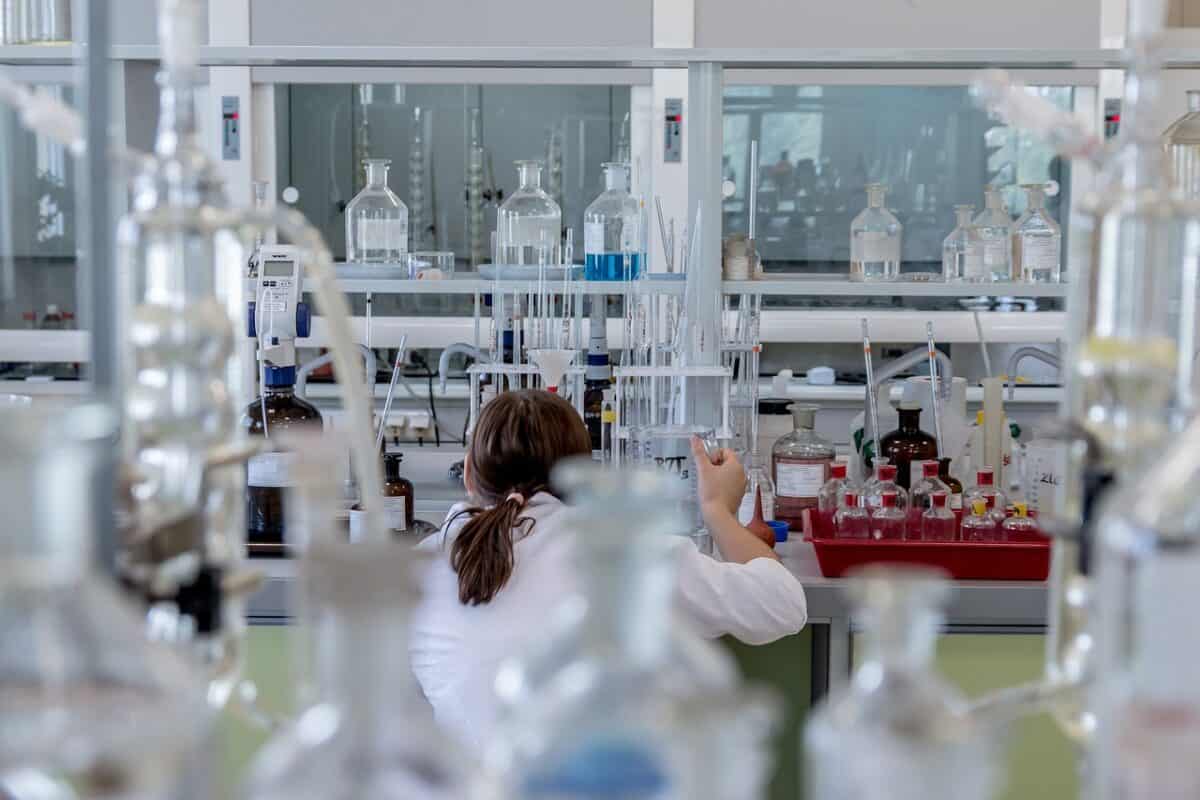
While animal testing bans represent significant progress, most contain important limitations and exemptions that animal rights advocates argue undermine their effectiveness. Nearly all bans focus exclusively on cosmetics, leaving animal testing for household products, food additives, and pharmaceuticals largely unregulated. Even within cosmetics bans, most countries include exemptions for ingredients that have multiple uses beyond cosmetics (such as those also used in pharmaceuticals or food products), effectively creating a loophole for continued testing.
Most bans also include regulatory exemptions, allowing animal testing when required by law for safety purposes or when no validated alternatives exist. Additionally, many bans apply only to new tests, meaning companies can continue using data from animal tests conducted before the ban’s implementation date. Another significant limitation is the “China exception” found in some legislation, which exempts products sold in markets where animal testing is legally required. These limitations highlight the tension between ethical considerations and practical regulatory concerns, and demonstrate that current bans, while important steps forward, represent compromises rather than absolute prohibitions on animal testing.
Alternative Testing Methods: The Scientific Revolution
The push to ban animal testing has coincided with remarkable advances in alternative testing technologies. In vitro methods using human cell and tissue cultures now allow researchers to evaluate potential skin and eye irritation without animal subjects. Computer modeling and artificial intelligence approaches, known as in silico methods, can predict how substances might affect human systems based on their chemical structures and properties. “Organs-on-chips” – microfluidic devices lined with human cells that mimic the functions of human organs – represent one of the most promising recent developments.
These technologies not only address ethical concerns but often provide more relevant data for human health. Animal models frequently fail to accurately predict human responses due to species differences, while these newer methods can utilize actual human cells. Major research initiatives like the EU’s Horizon 2020 program and the U.S. Tissue Chip for Drug Screening program continue to advance these alternatives. The OECD has validated numerous alternative test methods, making them internationally recognized for regulatory purposes. Companies like L’Oréal, Unilever, and Procter & Gamble have invested heavily in developing their own alternative testing capabilities, demonstrating that scientific innovation and ethical considerations can advance together.
The Future of Global Animal Testing Legislation
Looking ahead, several trends suggest continued expansion of animal testing bans. Countries including Canada, Chile, Argentina, Thailand, and South Africa have introduced legislation that could implement bans in the coming years. The scope of existing bans is likely to expand beyond cosmetics to include household products, as seen in the recent Mexican legislation. Additionally, we may see greater harmonization of standards through international agreements, potentially building on frameworks like the OECD Test Guidelines Program that already facilitates mutual recognition of test data between countries.
As alternative methods continue to advance, we can expect the “no alternatives available” exemption to narrow in scope, closing one of the major loopholes in current legislation. Consumer pressure continues to mount, with market research consistently showing growing preference for cruelty-free products, particularly among younger demographics. This economic incentive, combined with ethical considerations and scientific advancements, suggests that the future will likely see both broader and deeper restrictions on animal testing globally. However, significant challenges remain, particularly in harmonizing regulations across borders and addressing animal testing for pharmaceuticals, which represents the majority of animal tests conducted worldwide.
Conclusion: Beyond Bans – Toward a Comprehensive Approach

The global movement to ban animal testing represents a remarkable convergence of ethical progress, scientific innovation, and regulatory evolution. From the EU’s pioneering comprehensive ban to more recent legislation in Latin America and Asia, we are witnessing a genuine paradigm shift in how societies balance scientific advancement with animal welfare considerations. However, current bans remain limited in scope and application, with significant exemptions and variations across jurisdictions.
The future of animal testing policy will likely be shaped by continued advancements in alternative testing methods, growing consumer pressure for ethical products, and increasing international coordination. As the scientific community continues to develop and validate alternatives that provide more human-relevant data, the traditional justifications for animal testing become increasingly difficult to maintain. The ultimate goal for many advocates extends beyond bans on specific categories of testing to a comprehensive rethinking of our relationship with animals in scientific research.
Progress will require continued collaboration between scientists, policymakers, industry, and animal welfare organizations to develop approaches that protect both consumer safety and animal welfare. While complete elimination of animal testing may remain a distant goal, particularly for complex medical research, the current momentum suggests that we are moving steadily toward a future where animal testing becomes the rare exception rather than the accepted standard. This evolution represents not just a victory for animal rights but also a testament to human ingenuity and our capacity to align scientific progress with ethical values.

- The Fastest Tornado Ever Recorded in the Midwest - July 26, 2026
- Is the Loch Ness Monster Real? 5 Ancient Animals That Could Explain the Myth - July 26, 2026
- The Most Unpredictable Tornado Outbreak in U.S. Records - July 26, 2026