

Weekend Storm Delivers Heavy Blow (Image Credits: Pixabay)
Washington, D.C. area – A powerful weekend snowstorm that buried the region under several inches of snow has transitioned into a harsh, extended cold snap threatening daily life through next week.[1][2]
Weekend Storm Delivers Heavy Blow
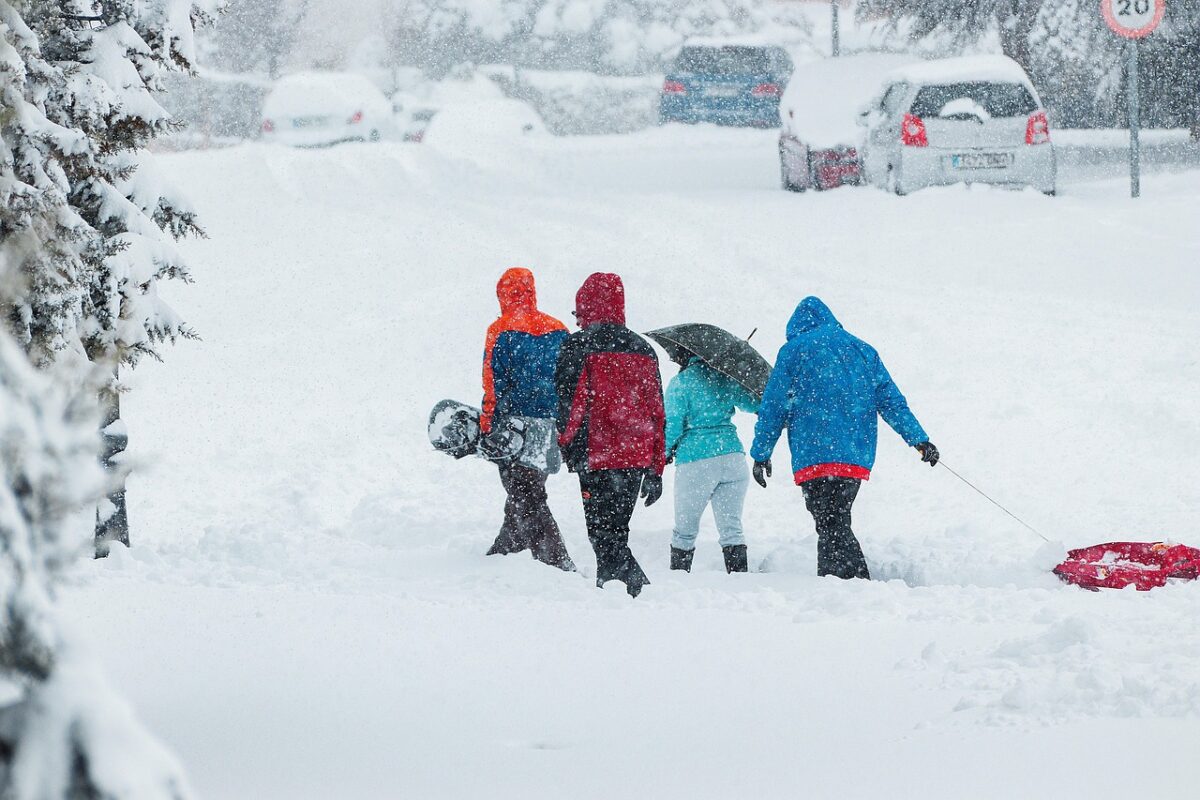
The winter storm struck the DC region over the weekend, dumping significant snowfall and sleet across Maryland, Virginia, and the District. Cleanup efforts continued into midweek as crews tackled lingering ice and snow packs.[2]
Snow totals varied by location, with Reagan National Airport recording 6.9 inches, Dulles International at 7.8 inches, and Baltimore-Washington International at 11.3 inches. The event triggered widespread disruptions, including hundreds of vehicle crashes in Virginia, power outages, and flight cancellations.[2]
| Airport | Snowfall (inches) |
|---|---|
| Reagan National (DCA) | 6.9 |
| Dulles (IAD) | 7.8 |
| Baltimore-Washington (BWI) | 11.3 |
Even the Potomac River began freezing, prompting use of an ice-cutting fireboat. Metro rail operated on a reduced weekend schedule amid service impacts.[2]
Forecast Signals Prolonged Arctic Grip
Meteorologists warned of a nine-day stretch where daytime highs stay below freezing until next Monday. Wednesday marked day five of subfreezing conditions, with highs reaching only the mid-20s.[1]
Temperatures plunged further overnight into Thursday, with lows dipping to 5-15 degrees and wind chills between zero and minus-10. Expect similar chills Thursday and Friday, highs in the low-to-mid 20s, and northwest winds at 5-15 mph gusting across the area.[1]
- Wednesday: Partly to mostly cloudy, highs 24-29.
- Thursday: Partly cloudy, highs 23-27, subzero wind chills mornings.
- Friday: Partly cloudy, highs 24-28.
Cold Weather Alerts and Safety Imperatives
A cold weather advisory took effect Wednesday night, highlighting wind chills dropping below zero and risks of hypothermia and frostbite. Additional advisories appeared likely for Thursday morning.[1][2]
7News meteorologist Eileen Whalen noted, “Snow and ice will be ‘slow to melt’ over the next few days,” urging residents to bundle in layers, cover exposed skin, and watch for refreezing on roads and sidewalks.[1] Afternoon highs remained about 20 degrees below late-January norms, echoing the region’s coldest streak since December 1989.[1]
Travel remained hazardous, with untreated roads prone to black ice. Authorities advised limiting outdoor time for pets and vulnerable groups.
Disruptions Linger Amid Cleanup Push
Schools across the DC area shuttered Wednesday and Thursday, while offices delayed openings. Metrorail aimed to ramp up service frequency, but riders faced waits of 15-30 minutes.[1]
Power restoration crews worked overtime amid outages, and major highways prioritized plowing before neighborhood streets. Pedestrian paths stayed treacherous underfoot.
Forecasters eyed another potential winter storm for the upcoming weekend, though models hinted it might track offshore.[1]
This unrelenting cold tests resilience, but preparation turns peril into manageability. Stay informed on local advisories.
Key Takeaways
- Subfreezing highs persist nine days, with wind chills near or below zero through Friday.
- Refreezing roads and sidewalks heighten slip risks; drive cautiously.
- Layer up and limit exposure to prevent frostbite in the biting winds.
What steps are you taking to battle the freeze? Share in the comments.

- Urban Coyotes Show Remarkable Adaptability, Learning to Thrive in City Environments - July 22, 2026
- Beavers Are Nature’s Engineers, Creating Vital Habitats for Other Wildlife Species - July 21, 2026
- The Recovery of the California Condor Offers Hope for Other Critically Endangered Birds - July 21, 2026