

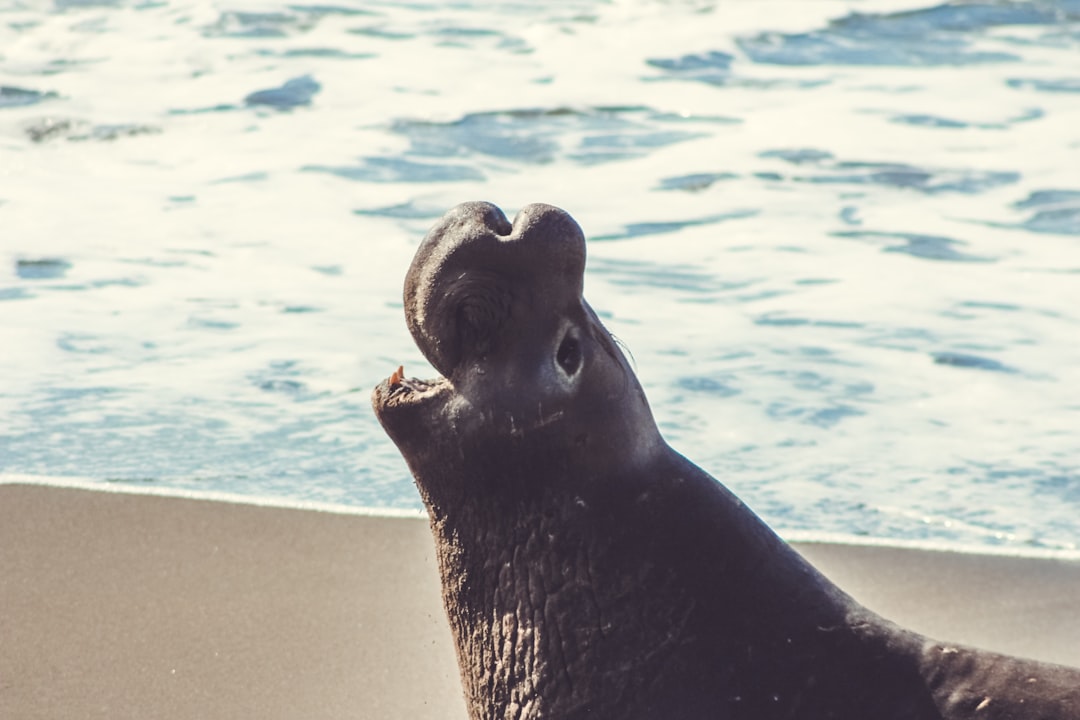
Swift Surveillance Uncovers Hidden Danger (Image Credits: Unsplash)
Año Nuevo State Park, California – Highly pathogenic avian influenza H5N1 has killed roughly 30 northern elephant seals, primarily weaned pups, in the state’s first confirmed outbreak among marine mammals.[1][2]
Swift Surveillance Uncovers Hidden Danger
Researchers spotted the outbreak early thanks to intensified monitoring efforts. Scientists from the University of California, Davis and UC Santa Cruz patrolled beaches daily during the breeding season. They noted respiratory and neurological symptoms, including weakness and tremors, in sick pups starting February 19.[1]
“This is exceptionally rapid detection of an outbreak in free-ranging marine mammals,” said Professor Christine Johnson, director of the Institute for Pandemic Insights at UC Davis School of Veterinary Medicine. Samples from seven deceased weaned pups tested positive at UC Davis laboratories before federal confirmation on February 25.[1][3]
The park typically hosts around 5,000 seals each winter, with 1,350 present when deaths began. Long-term studies spanning six decades at the site enabled quick identification of affected individuals.
Heavy Losses Among the Youngest Seals
Most victims were newly weaned pups vulnerable after mothers departed for feeding migrations. One adult male also perished. About 30 seals died over recent weeks, though the colony’s majority appeared healthy as of late February.[4]
Roxanne Beltran, a UC Santa Cruz ecology professor, noted cautious optimism. “We are cautiously optimistic, as most of the adult females had already departed the beach for their routine migrations before the outbreak began, and most seals on the colony seem healthy,” she said.[1]
Teams collected samples from sick and dead animals, screening them for influenza before advanced testing confirmed H5N1. Ongoing drone surveys and observations track further spread.
Immediate Closures Protect Wildlife and Visitors
California State Parks shut down seal viewing areas and canceled guided tours for the season. Officials aimed to minimize human disturbance and potential transmission risks.
Public health experts emphasized low human risk but stressed precautions. The virus has jumped species before, affecting mammals from mink to sea lions.
- Stay at least 150 yards from seals and marine mammals.
- Never touch live or dead wildlife.
- Keep pets leashed and away from beaches.
- Report sick or injured seals to the NOAA hotline at (866) 767-6114.
Partners including NOAA Fisheries, California Department of Fish and Wildlife, and the Marine Mammal Center coordinate responses.[4]
Echoes of South American Devastation
The same H5N1 strain ravaged southern elephant seal pups in Argentina in 2023, killing thousands and reshaping populations. That event prompted global vigilance, including U.S. coastal surveillance since 2021.
Prior U.S. marine mammal cases occurred in Maine in 2022 and Washington in 2023, linked to infected seabirds. Experts fear wider impacts but credit proactive measures for limiting the California outbreak so far.
Collaboration with wildlife agencies continues to map the virus’s path in coming weeks.
Key Takeaways
- First H5N1 cases in California marine mammals highlight surveillance success.
- Pup mortality raises concerns, but adult migration may spare breeding stocks.
- Public adherence to distance rules protects seals, pets, and people alike.
This outbreak underscores the unpredictable reach of H5N1 across wildlife. While the immediate threat appears contained, sustained monitoring remains essential to safeguard these iconic Pacific Coast residents. What steps should coastal communities take next? Share your thoughts in the comments.

- Urban Coyotes Show Remarkable Adaptability, Learning to Thrive in City Environments - July 22, 2026
- Beavers Are Nature’s Engineers, Creating Vital Habitats for Other Wildlife Species - July 21, 2026
- The Recovery of the California Condor Offers Hope for Other Critically Endangered Birds - July 21, 2026