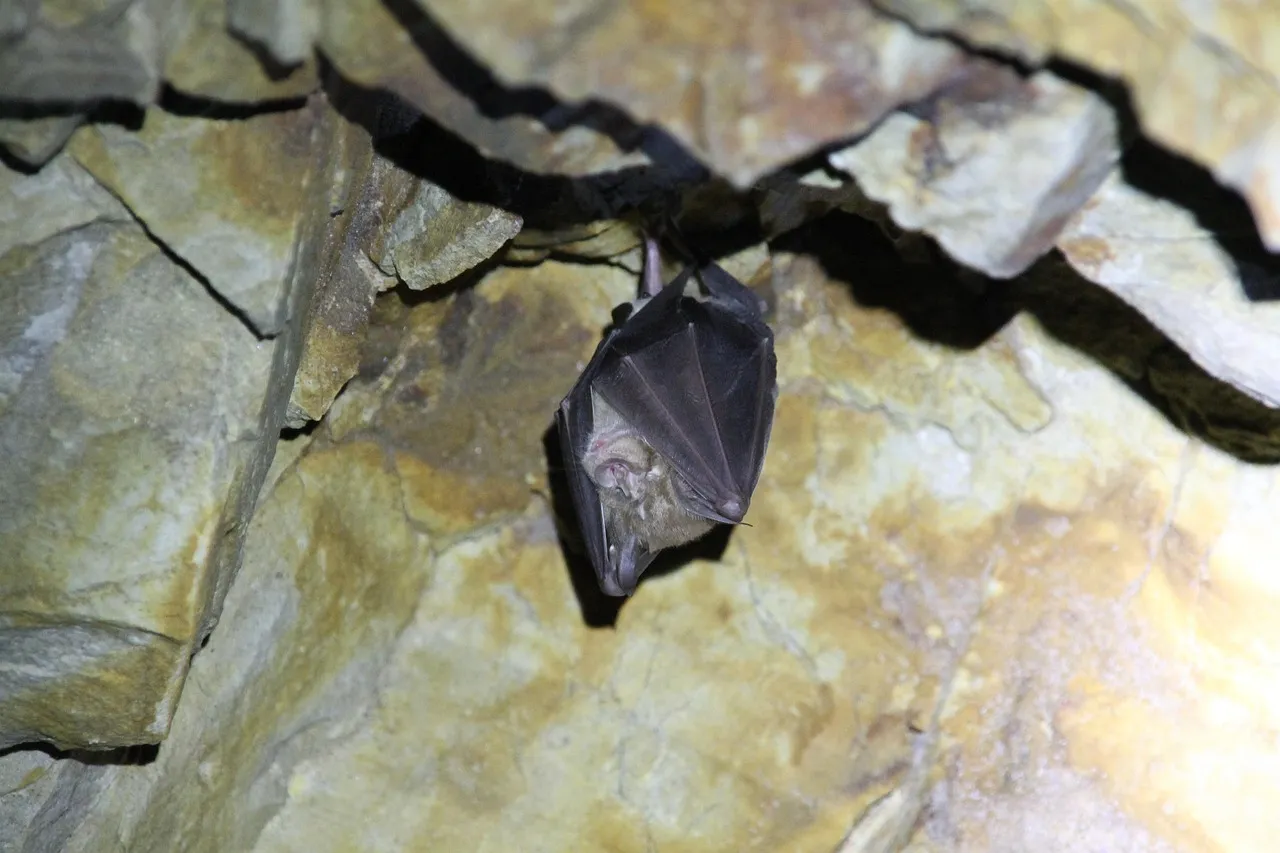
Deep-Sea Biology Says the Creatures Living in Flooded Caves Beneath Florida Have Been Isolated So Long They've Evolved Without Eyes – And They're Closer Than You Think
Image credits: Pixabay
Beneath the sun-drenched landscapes of Florida lies a shadowy world, teeming with life forms that have thrived in darkness for millennia. These creatures, hidden in the flooded caves and subterranean rivers, have undergone such profound evolutionary changes that they’ve lost their eyes entirely. What’s even more astonishing? They’re dwelling right beneath our feet.
The Hidden World Beneath Florida
The Hidden World Beneath Florida (Image Credits: Pixabay)
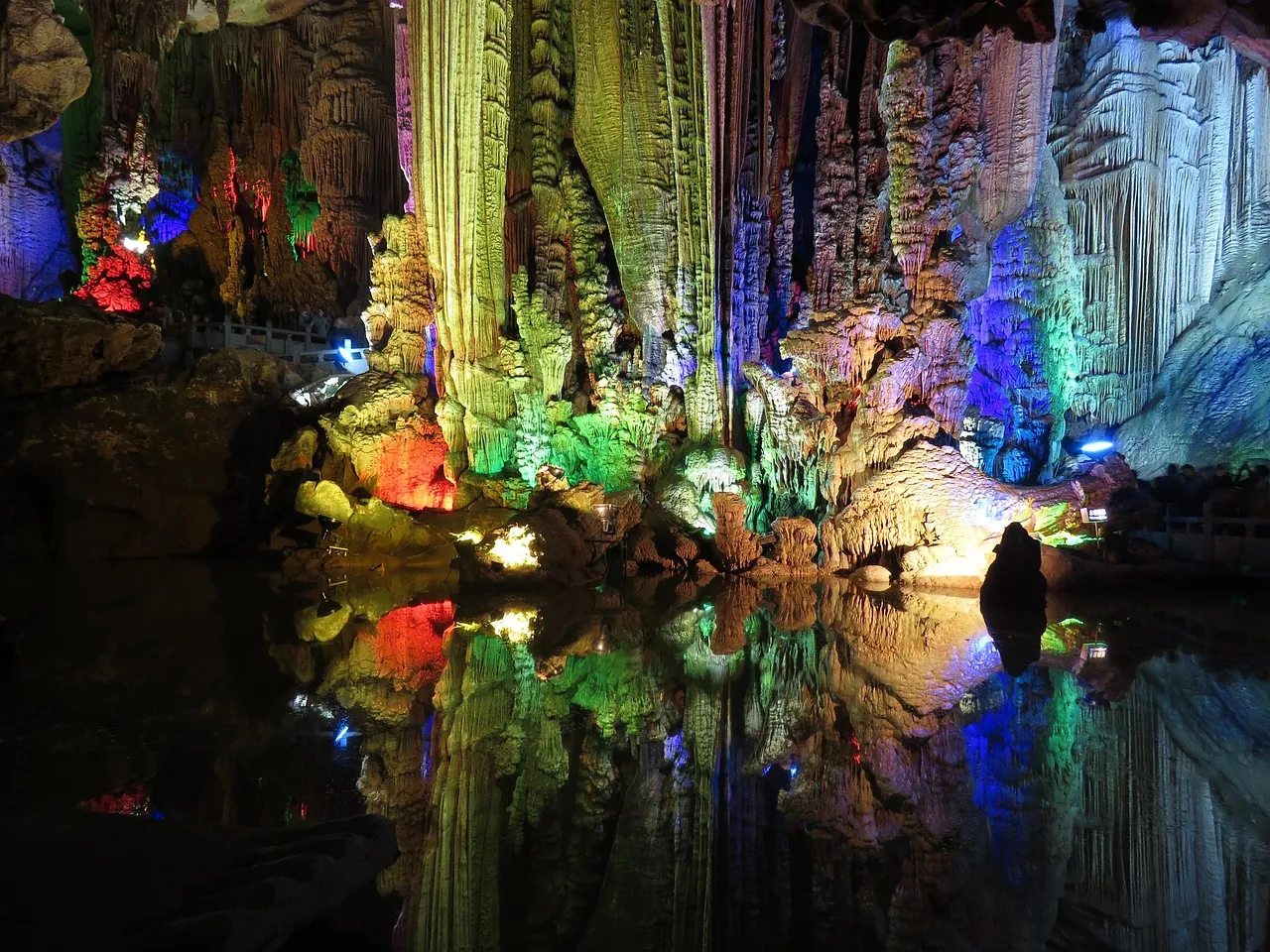
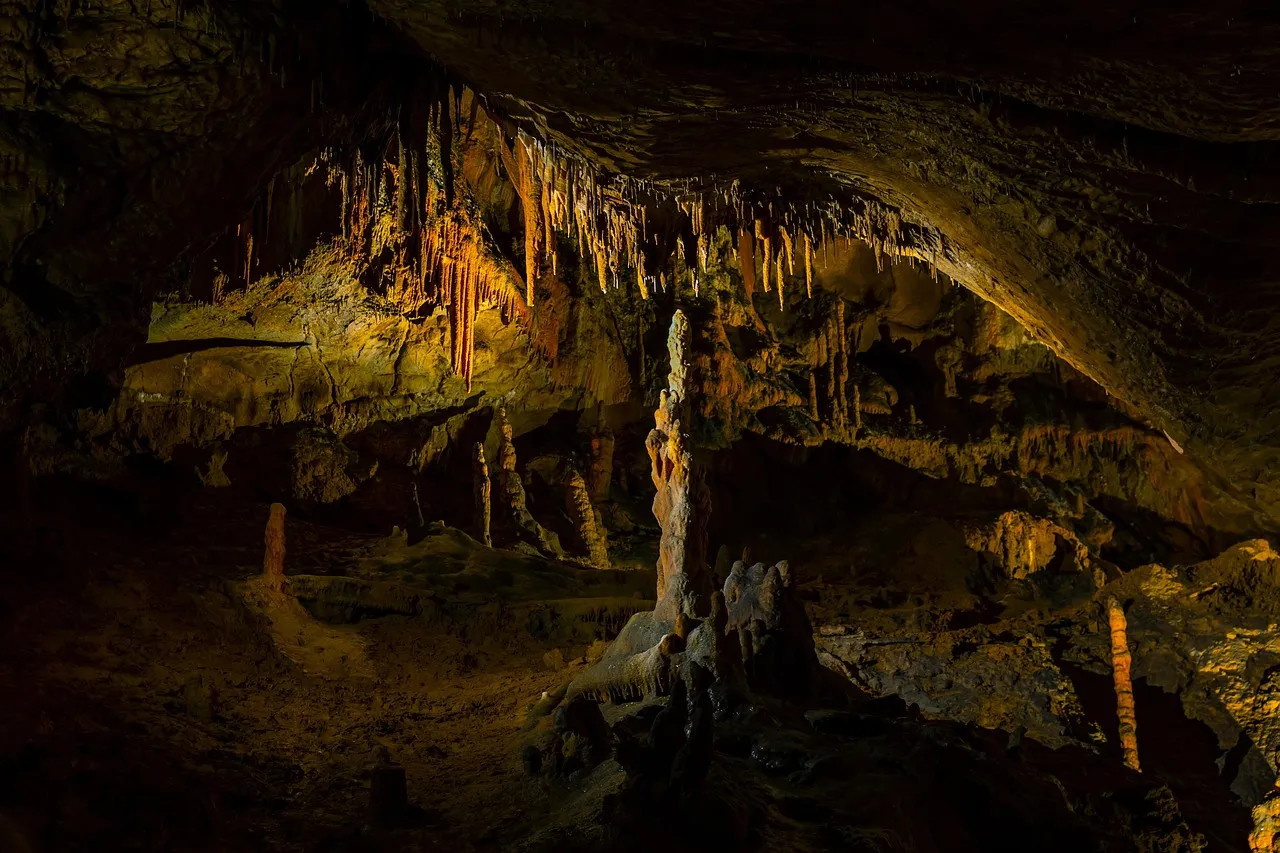
Florida’s limestone foundation is riddled with an intricate network of caves and underground rivers, known as karst systems. These submerged labyrinths have remained isolated from the surface for countless generations, creating unique habitats for specialized organisms. The absence of light in these environments has driven remarkable evolutionary adaptations among their inhabitants.
Meet the Blind Cave Creatures
Meet the Blind Cave Creatures (Image Credits: Pixabay)
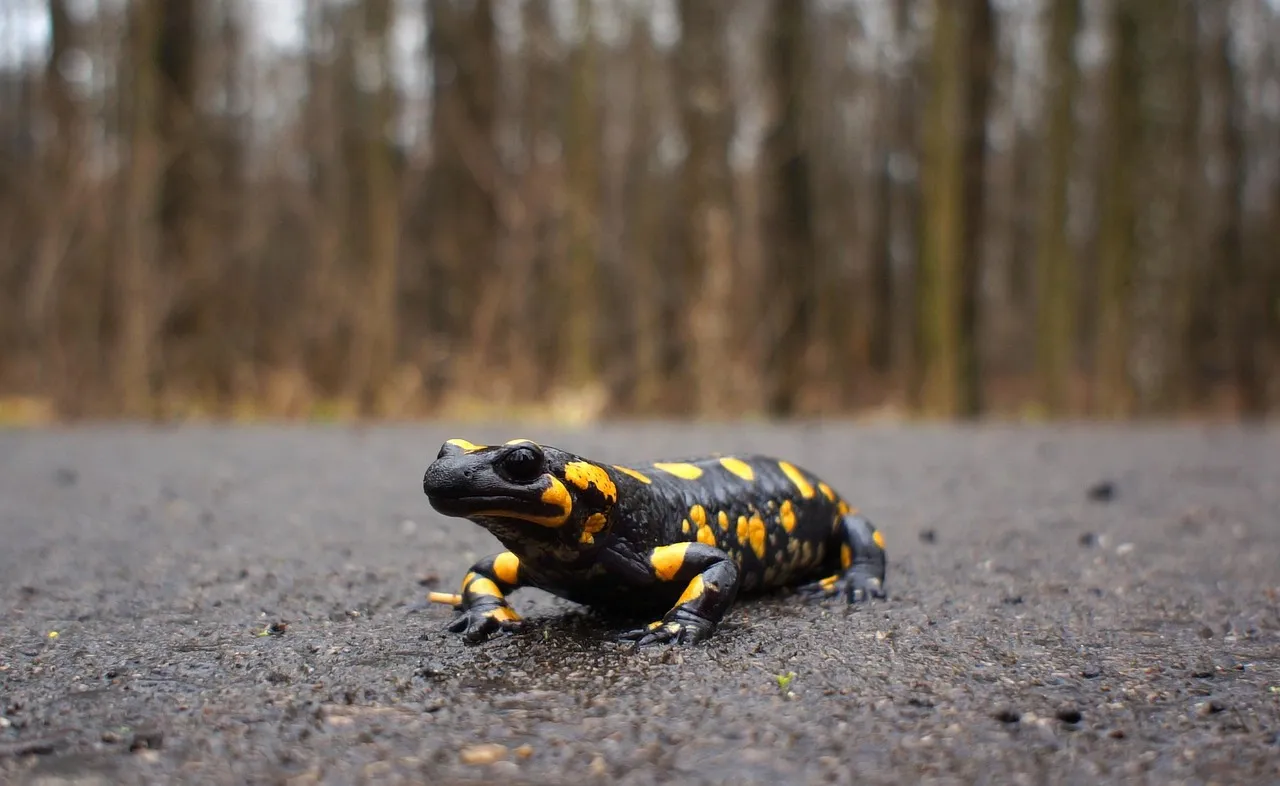
Among the most fascinating residents of these darkened realms are the blind cave creatures. Take, for instance, the blind cave salamander, a vulnerable amphibian found exclusively in select caves of Florida and Georgia. Measuring about 2.3 inches long, this eyeless, pinkish-white salamander has adapted seamlessly to its lightless environment. Similarly, the Squirrel Chimney Cave Shrimp, discovered in Alachua County, Florida, is another testament to nature’s adaptability. This translucent, blind shrimp navigates the underground waters with ease, relying on senses other than sight.
Evolution in the Dark
Evolution in the Dark (Image Credits: Pixabay)
The prolonged isolation and perpetual darkness of these caves have led to significant evolutionary changes. In the absence of light, eyes became redundant, leading to their gradual regression. Instead, these creatures have developed heightened senses of touch, taste, and smell. Enhanced antennae, specialized nerve endings, and other adaptations allow them to detect vibrations, chemical cues, and navigate their environment effectively.
Scientific Discoveries and Insights
Scientific Discoveries and Insights (Image Credits: Pixabay)
Recent studies have shed light on the fascinating adaptations of these cave dwellers. Research on blind Mexican cavefish, for example, has revealed that they become more active when exposed to light – a behavior opposite to their sighted relatives. This adaptation likely helps them avoid illuminated areas, such as cave entrances, where they might be vulnerable to predators. Such findings provide valuable insights into how evolution can repurpose existing neural circuits in response to environmental challenges.
Conservation Concerns
Conservation Concerns (Image Credits: Pixabay)
Despite their resilience, these unique creatures face threats from human activities. Groundwater pollution, habitat destruction, and the impacts of climate change pose significant risks. Protecting these subterranean habitats is crucial, not only for the survival of these species but also for maintaining the delicate balance of the entire ecosystem.
Why It Matters
Why It Matters (Image Credits: Pixabay)
Studying these blind cave dwellers offers more than just a glimpse into nature’s adaptability. It provides insights into evolutionary biology, neurobiology, and even potential applications in medicine. Understanding how organisms adapt to extreme environments can inform conservation strategies and deepen our appreciation for the intricate web of life that exists, often unseen, beneath our feet.
Conclusion
Conclusion (Image Credits: Pixabay)
The blind creatures inhabiting Florida’s flooded caves are not just biological curiosities; they are living testaments to the power of evolution and adaptation. Their existence challenges our perceptions of life and survival, reminding us of the mysteries that lie just below the surface. As we continue to explore and understand these hidden worlds, one can’t help but wonder: What other secrets does the subterranean realm hold?
Did you find this helpful? Share it with a friend who’d love it too!
Gargi is an MA in History and a B.Ed graduate from India, with a deep passion for animals and wildlife awareness. As an article writer and editor at Animals Around The Globe, she combines her love for storytelling with her dedication to educating readers about animals, conservation, and responsible pet care. A devoted dog lover, Gargi enjoys creating engaging and informative content that inspires compassion and awareness toward the natural world.