


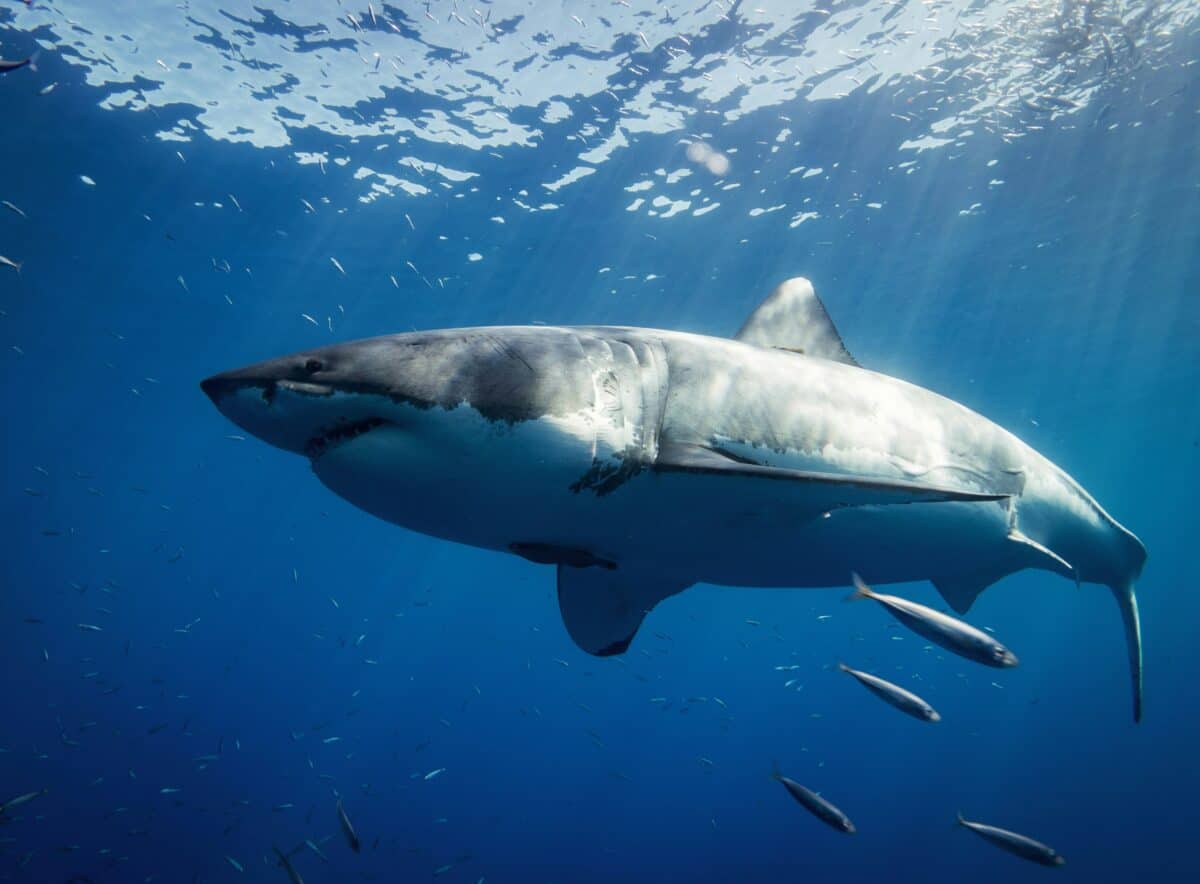
Great white sharks captivate us with their power and mystery. They glide through the ocean, commanding respect. These creatures are not just about fear; they symbolize the wild, untamed essence of the sea.
A Glimpse into Great Whites
🔥 Would you like to save this?
We'll email this post to you, so you can come back to it later!
Great whites are the largest predatory fish on Earth. They can reach lengths of up to 20 feet, though most are smaller. Their torpedo-shaped bodies and powerful tails allow them to swim swiftly, reaching speeds of over 15 miles per hour. These sharks are not just brawn; they have highly developed senses that help them track their prey with incredible accuracy.
The Diet of a Hunter

🔥 Would you like to save this?
We'll email this post to you, so you can come back to it later!
Great white sharks have a varied diet. They feast on fish, seals, and even dolphins. Their hunting technique is as fascinating as it is terrifying. They attack from below, delivering a powerful bite with their large, serrated teeth. After the initial bite, they wait for their prey to weaken, showcasing their strategic nature.
Social Creatures of the Deep

🔥 Would you like to save this?
We'll email this post to you, so you can come back to it later!
Despite their solitary image, great whites can be quite social. They communicate through body language, such as swimming patterns and fin positions. This social behavior is especially evident during feeding, where they sometimes share their catch with others. It’s a complex social structure that we’re only beginning to understand.
The Science Behind Their Bite
Great white sharks have an extraordinary feature: a movable jaw. This allows them to extend their bite beyond the fixed reach of other predators. When attacking, their jaw protrudes, giving them a better grip on their prey. This remarkable mechanism is a testament to their evolution as apex predators.
Conservation Efforts

🔥 Would you like to save this?
We'll email this post to you, so you can come back to it later!
Great white sharks are vulnerable. Overfishing and accidental catches pose significant threats. Thankfully, conservation efforts are underway globally. These include protected areas and regulations on fishing practices. By understanding these magnificent creatures better, we can appreciate the importance of their role in the marine ecosystem.
Conclusion
Great white sharks are more than just predators. They are integral to the ocean’s balance and deserve our respect and protection. Through education and conservation, we can ensure these majestic animals continue to thrive in their natural habitat.

adventuring, photography and videography. I am currently working towards a BSc in Biodiversity and Ecology at Stellenbosch University to go on to specialise in Marine Sciences one day.
Please send any feedback to Feedback@animalsaroundtheglobe.com
- 26 Most Dangerous Snakes Found in North America - October 19, 2026
- 21 Things Not to Feed Your Pet Dog - October 18, 2026
- 10 Sacred Native American Sites in North America - October 16, 2026