
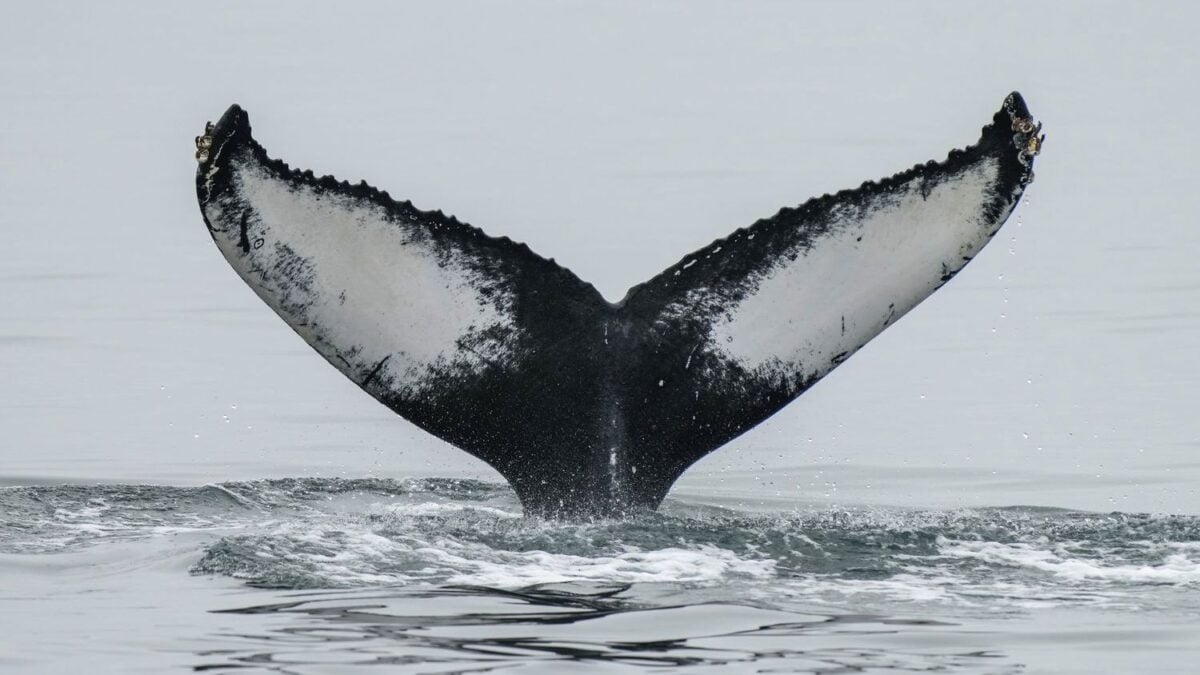
Imagine swimming thousands of miles without a map, a GPS, or a rest stop. No landmarks. No roads. Just open, dark ocean stretching endlessly in every direction. For whales, this is not some extraordinary feat – it is simply life. Every year, these giants of the deep pull off something that would seem physically impossible for most creatures on Earth.
What drives them? How do they know where to go? The answers are as fascinating as the journeys themselves. Strap in, because the story of whale migration is wilder than most people ever imagined. Let’s dive in.
The Mind-Blowing Distances Whales Actually Travel
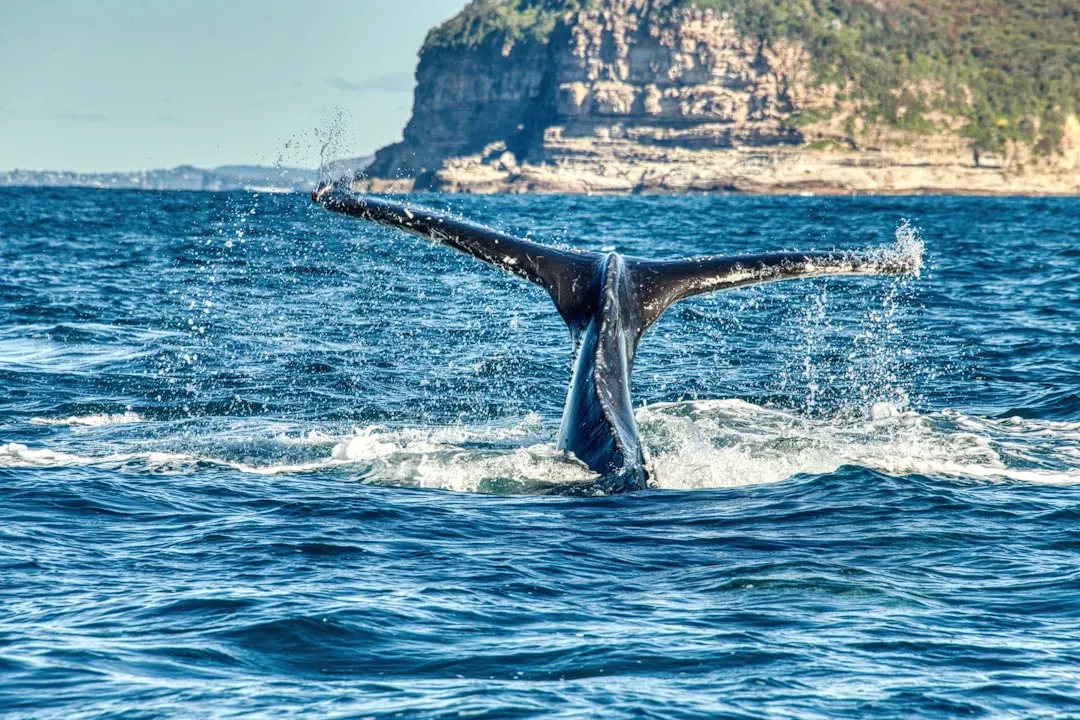
Here’s a fact that honestly stops me in my tracks every time I think about it. Gray whales hold the record for the longest migration of any mammal, traveling up to 14,000 miles round trip. That is roughly the same as flying from New York to Sydney and back again. On fins. Through open ocean.
The award for the longest recorded whale migration goes to a gray whale named Vavara. Scientists tracked her as she swam a round-trip of 13,988 miles in just 172 days, migrating between the east coast of Russia to the gray whale breeding grounds on the Pacific coast of Mexico and back again.
The Eastern North Pacific population of gray whales travels from the Bering Sea of the Arctic, around Alaska, down the west coast of Canada and the United States, and into the coastal lagoons of the Pacific side of the Baja Peninsula. It is a migration that follows coastlines like an ancient highway, one that these animals have traveled for millions of years.
Humpbacks are no slouches either. They travel great distances every year and have one of the longest migrations of any mammal on the planet, with some populations swimming 5,000 miles from tropical breeding grounds to colder, more productive feeding grounds. In the North Pacific, some humpback whales migrate from Alaska to Hawaii and can complete the 3,000-mile trip in as few as 28 days. Twenty-eight days. That is faster than many people run a half-marathon training program.
The Record-Breaking Journey That Stunned Scientists
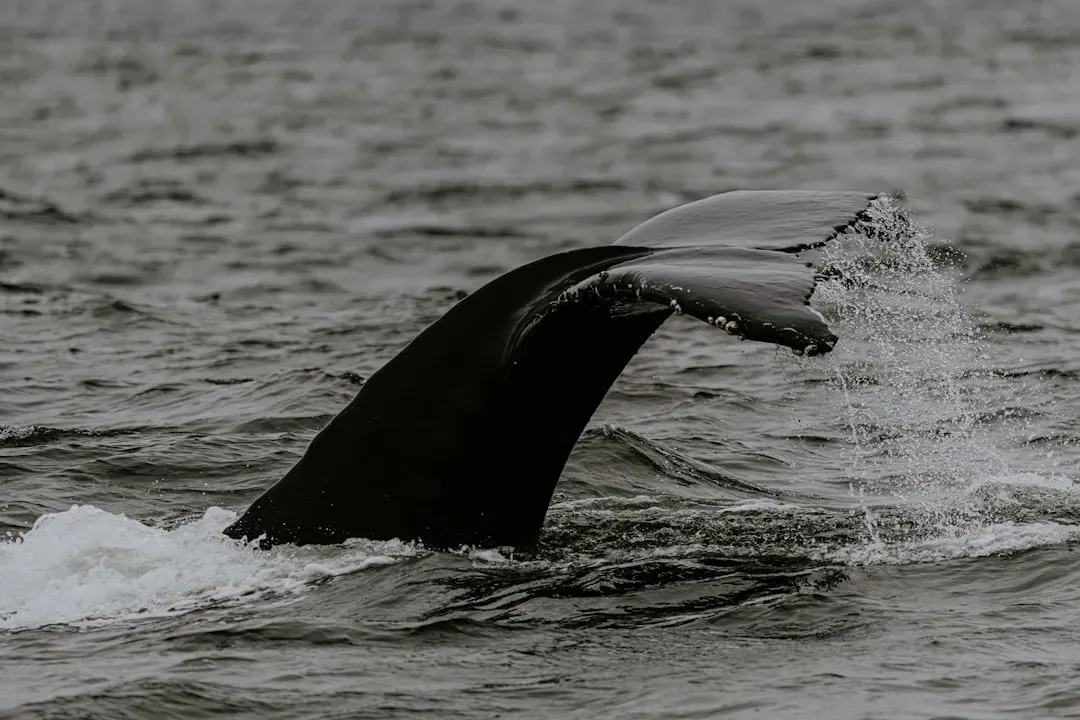
Just when researchers thought they had a handle on whale behavior, one humpback whale rewrote the rulebook entirely. A male humpback whale made an extraordinary journey from South America to Africa, traveling more than 8,106 miles, the longest migration recorded for a single whale.
Researchers first sighted this humpback whale in Colombia in 2013. Four years later, in 2017, they spotted it in Bahía Solano, roughly 48 miles from the first sighting. It was seen again in Zanzibar, east of Africa, in 2022. The sheer audacity of this whale is almost hard to comprehend.
Since there was no tracker attached to the animal, the specific route he took is unknown. Scientists believe he may have passed through Antarctica, making for an even longer journey. Think about that. The confirmed distance was already a record. The actual distance could have been far greater.
Another curious detail is that this whale was an adult male. Adults tend to repeat the same routes – but that was clearly not the case here. Researchers pointed toward mating strategies as a possible key motivation for this wayward whale. Polygyny, a mating system in which males have multiple sexual partners, is characteristic of humpback whales. In both the Pacific and Indian Oceans, this male was sighted with competition pods, in which one adult female is pursued by a group of males. So in a very real sense, love might have driven this whale halfway around the world. I know it sounds dramatic, but is it really that surprising?
How Whales Navigate Without a Map
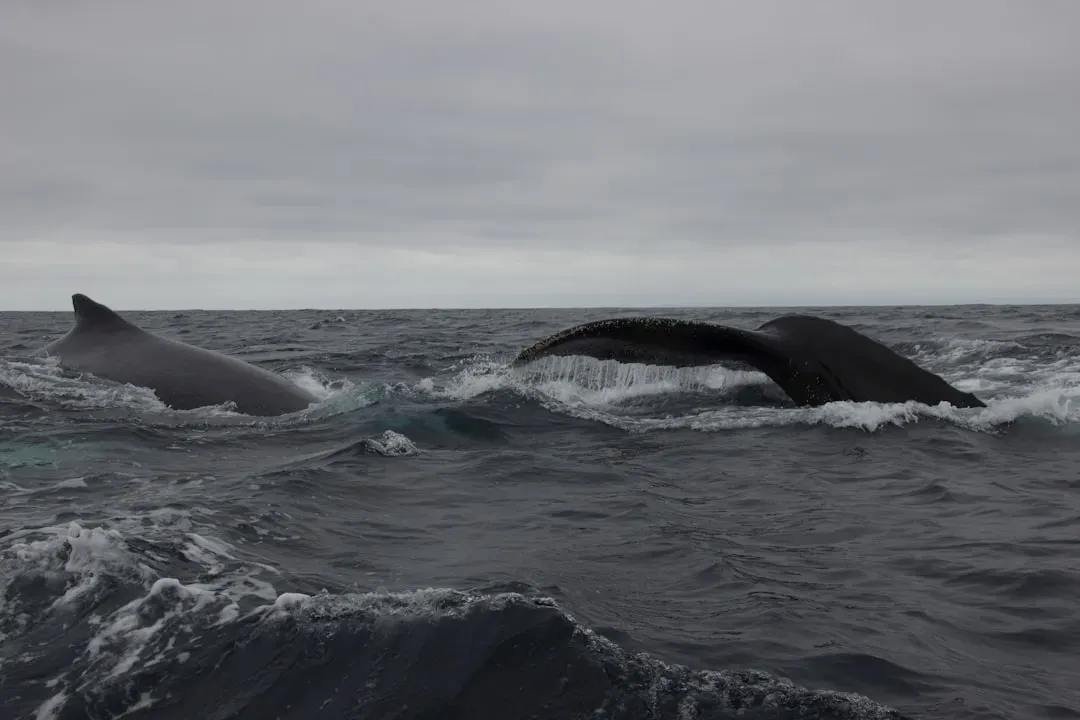
Here’s the thing that truly baffles scientists. Humpback whales commonly follow highly directional headings with extreme precision over large expanses of open ocean, despite the effects of sea-surface currents, bathymetry, and weather. We are talking about precision that, honestly, rivals a satellite navigation system.
Their migrations are impacted by various aspects, including prey availability, and research reveals that blue and humpback whales exhibit a navigation capability believed to be influenced by the directional change of ocean currents and Earth’s magnetic field. It is like having a built-in compass that responds to invisible planetary forces.
Whales make the most of what nature gives them. Changes in salt concentration and water temperature may indicate proximity to certain regions or currents. Underwater ridges and valleys may act as invisible road signs. Ocean currents fast-track whales along reliable routes. With their large olfactory bulb, whales might also partially rely on scents to orient themselves.
This deep-rooted loyalty to specific migratory routes is believed to be culturally transmitted, passed down from mother to calf in what can be thought of as a matriarchal migration map. Mothers and calves often swim side by side during migration, and researchers believe this is a key period for the young whale to learn the route. Think of it like a grandmother teaching her grandchild which back roads to take on a cross-country trip. Only the trip is 5,000 miles through the open ocean.
The Feast and Fast Cycle That Fuels These Giants
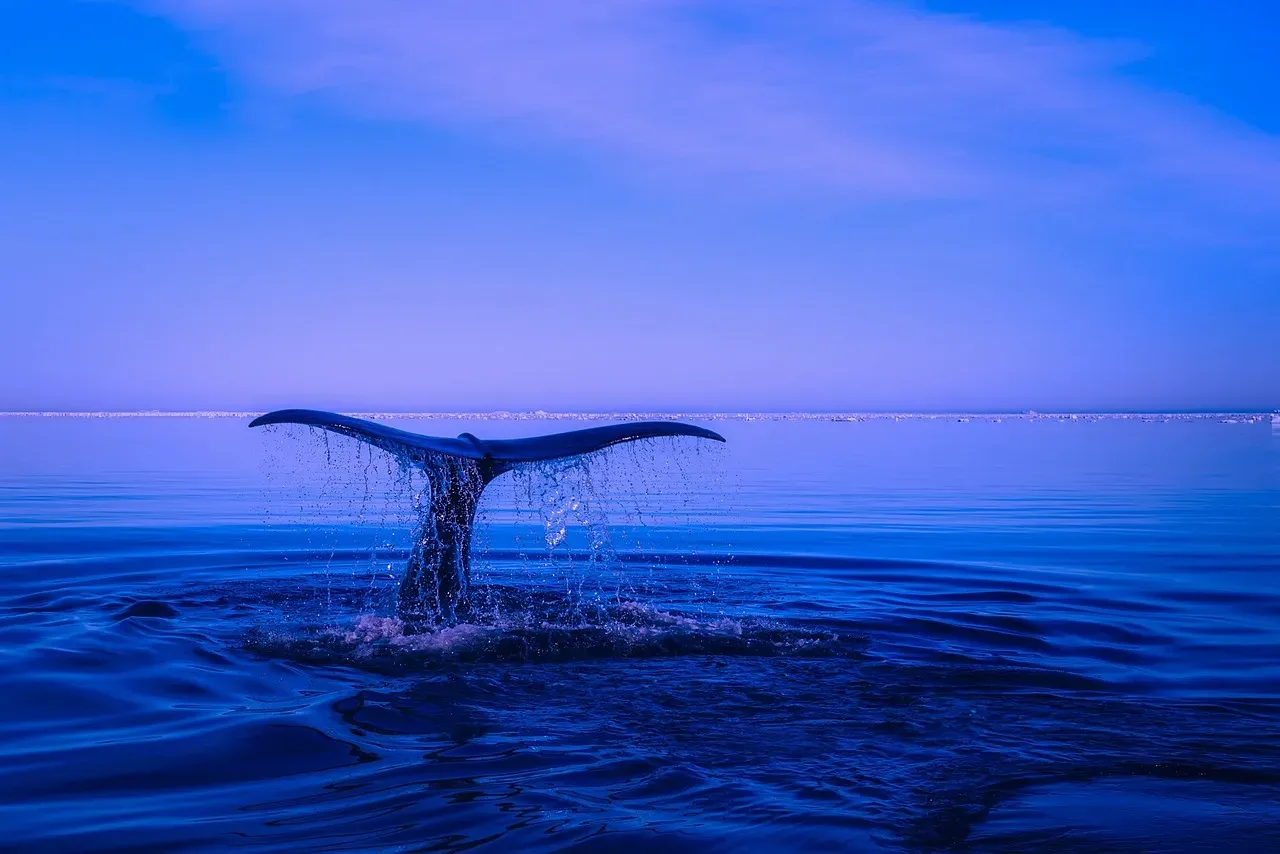
Whales migrate for various reasons, including breeding, feeding, and escaping harsh environmental conditions. Many whale species rely on specific habitats for breeding and calving in warmer waters during certain times of the year. Additionally, whales migrate to areas with abundant food sources, such as nutrient-rich feeding grounds in colder, polar regions.
What happens to a whale’s body during this journey is nothing short of remarkable. In the warmer southern waters, humpbacks stop eating entirely. They rely solely on the thick layers of blubber accumulated during their northern feeding season. These fat reserves must sustain them through the entire winter, fueling everything from long-distance swimming to raising calves. For females, the energy demand is immense, as pregnancy, birthing, and nursing all occur during this time.
During their feeding season, humpbacks gorge themselves on crustaceans and small fish to build up an excess of fat stores that will sustain them through the entire winter season. It is the ultimate binge-and-fast cycle, one that has to be executed perfectly every single year or the consequences are fatal.
Recent research reveals that whales are actually swimming even farther than previously estimated, up to roughly one fifth more distance. Using satellite data from the longest continuous humpback whale track on record, researchers compared standard surface measurements to a revised 3D estimate that factored in average dive depths and speed. The result was an additional 1,055 kilometers of distance covered. In other words, we have been underestimating these animals all along.
The Threats Closing In On These Ancient Journeys
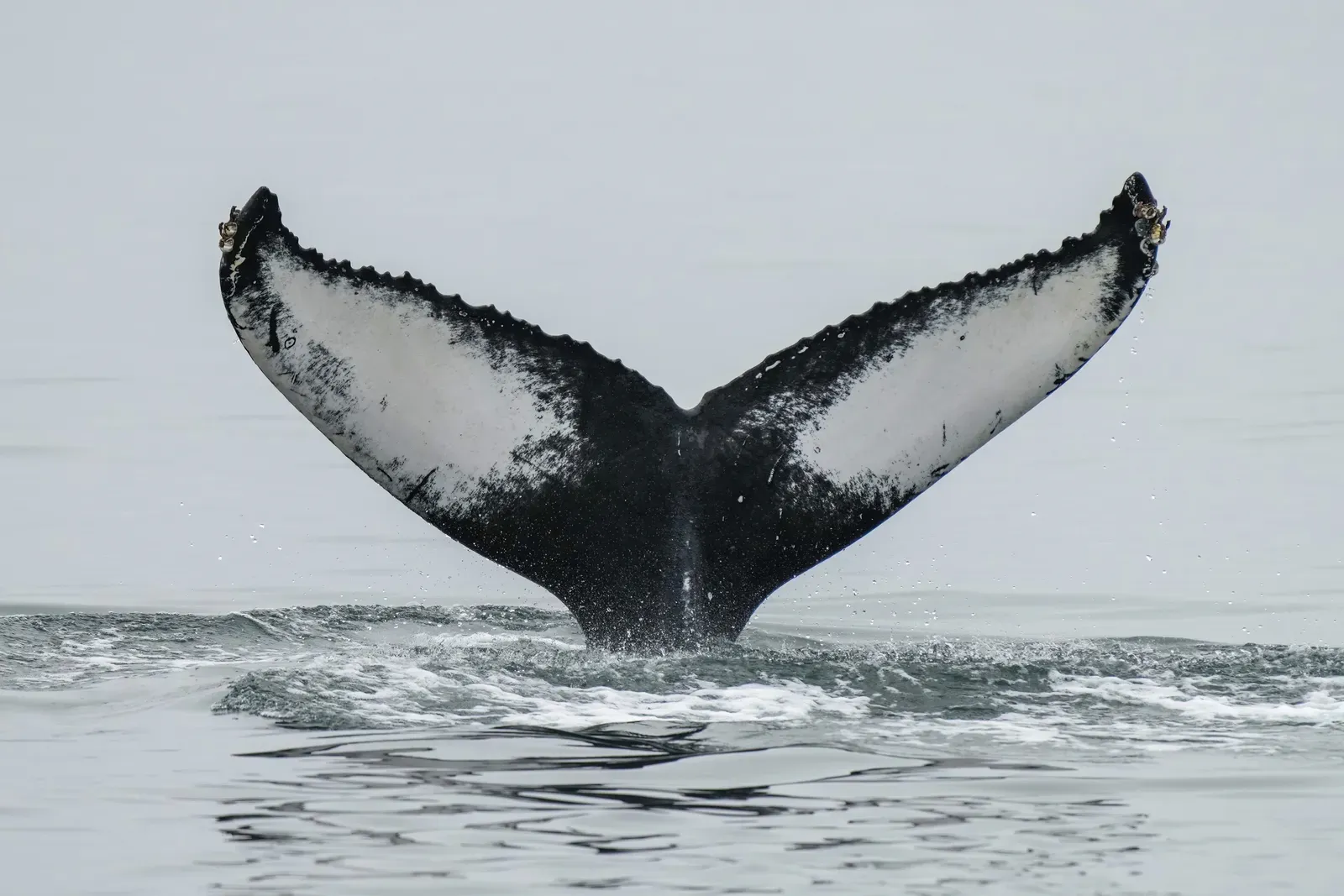
After millions of years of making these journeys safely, whales now face a different kind of ocean. As one ecologist put it, nature has finely tuned these journeys, guided by memory and environmental cues that tell whales when to move and where to go. Climate change, however, is “scrambling these signals,” forcing marine mammals to veer off course.
Ocean temperatures in West Antarctica along the Antarctic Peninsula have risen by more than 2.7 degrees since the 1970s, about five times the global rate of warming. Melting sea ice poses a grave threat to krill, which feed on phytoplankton growing beneath the ice. Antarctic krill are moving southward by as much as 440 kilometers as their suitable habitat recedes. This shift means whales have to travel further to feed, draining energy from these migrating giants.
Bycatch and entanglement in fishing gear claim the lives of an estimated 300,000 whales, dolphins, and porpoises every year. A University of Washington study assessed the global risk of whale-ship collisions for four species and suggests that ship strikes are the leading cause of death for larger whale species.
Underwater noise from shipping, drilling, and sonar can drown out the long-distance songs that some whales may use to stay oriented. In heavily trafficked areas, acoustic pollution is so intense it can mask even the loudest humpback calls. It’s a little like trying to follow a trail of breadcrumbs while someone blasts a foghorn in your ear every few minutes. The disorientation must be immense.
Humpbacks may pass through national waters belonging to as many as six countries as they migrate from Antarctica back to their tropical breeding grounds. This is the core of the problem. These animals cross political boundaries without knowing it, and protection that exists in one nation’s waters vanishes the moment the whale crosses an invisible line on a map.
Conclusion
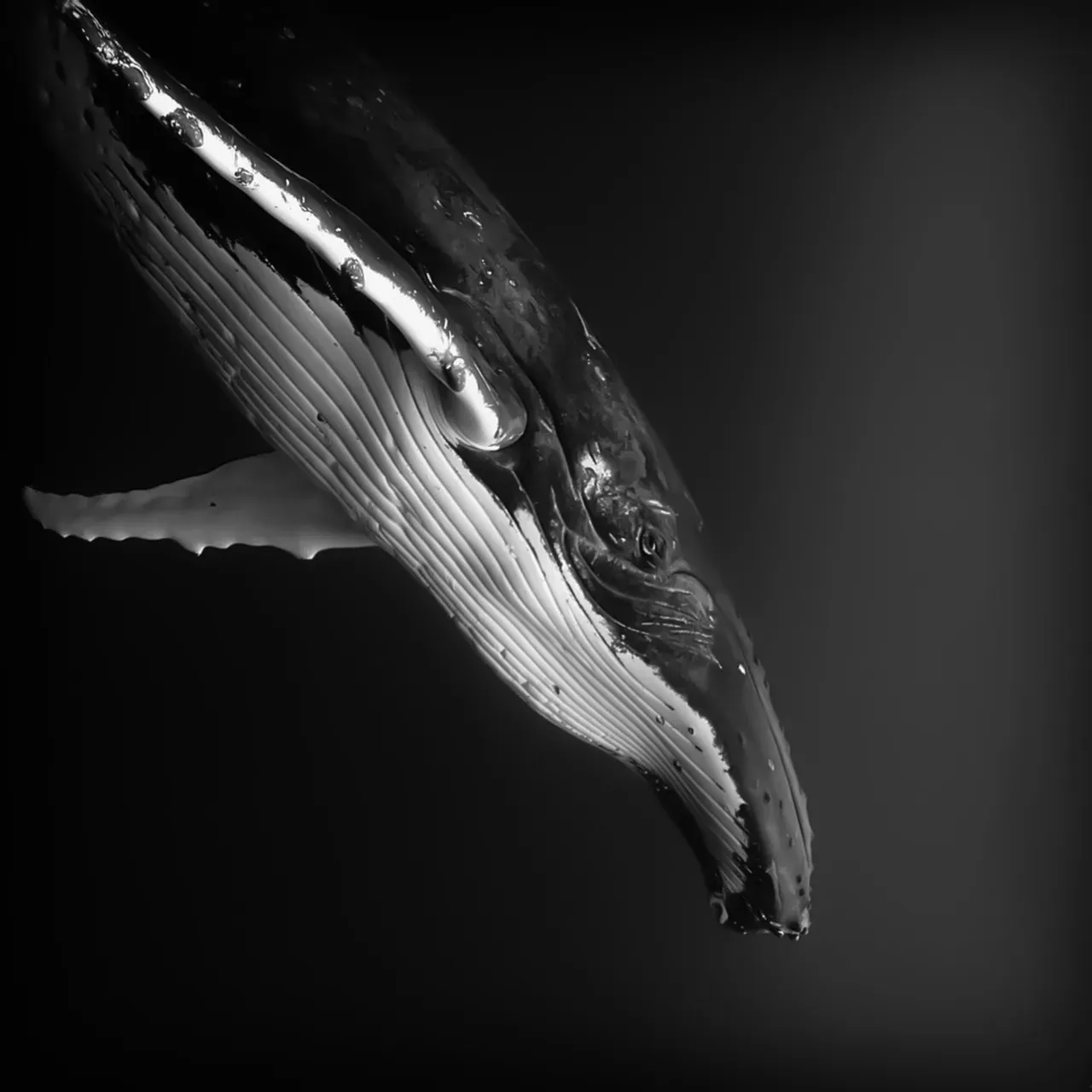
The journey of whales across our ocean is one of nature’s greatest stories. It is a tale of endurance, memory, instinct, love of a kind, and a planet-scale navigation system that science still does not fully understand. Whales play a key part in helping to combat climate change through their role in the marine ecosystem, contributing to up to half of our oxygen, combating climate change, and sustaining fish stocks. Protecting them is not just about saving a beautiful animal. It is about protecting the ocean itself.
Every new record forces scientists to redraw the mental limits of whale endurance and behavior. There are still stories out there we haven’t discovered yet, journeys made in the dark depths that no satellite tag has ever followed. That thought alone is enough to inspire a little awe.
These ancient travelers have been crossing our oceans long before the first human ever set sail. The question is not whether they deserve our wonder. The question is whether we will act in time to ensure their journeys can continue. What would it mean to live in a world where these migrations fell silent forever?

- 13 Tender Signs a Horse Is Grieving a Rider It Lost - July 28, 2026
- The Hidden Dangers of Leaving Your Dog Unsupervised in the Yard - July 28, 2026
- 11 Small Ways a Rescue Horse Shows It Has Finally Let a Human In - July 28, 2026