

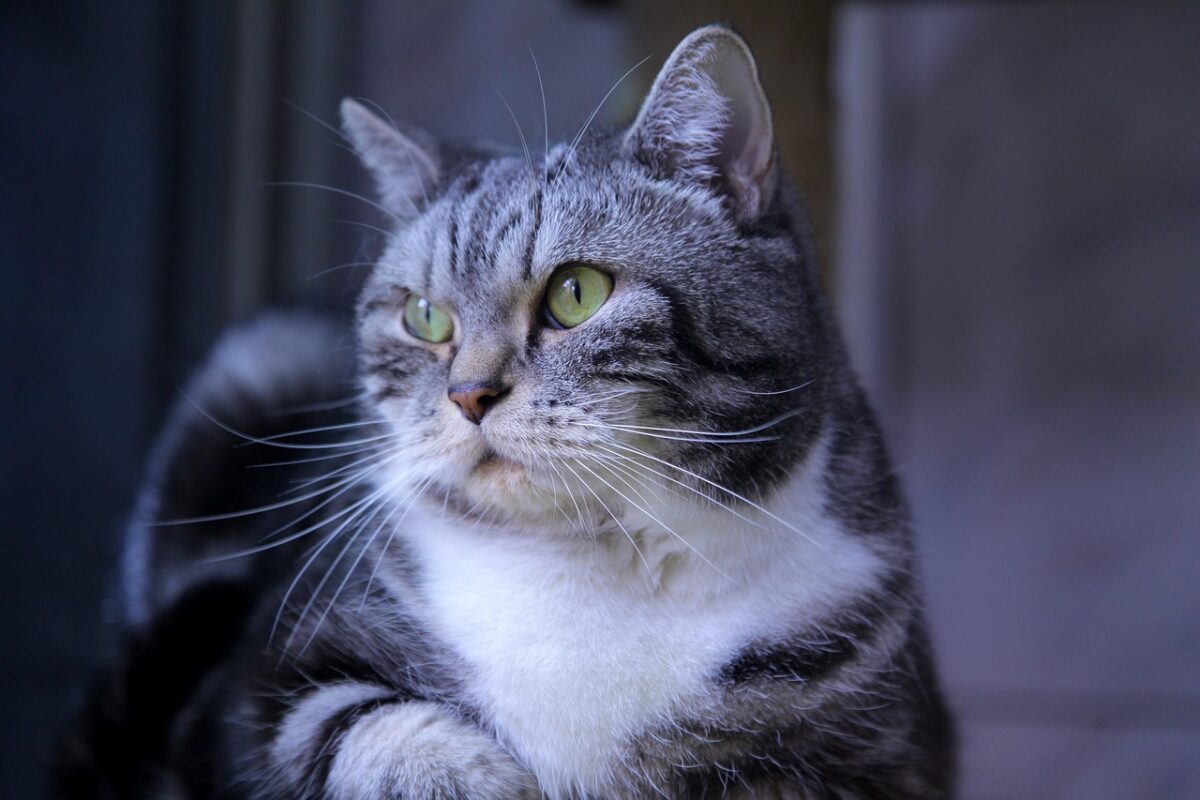

A Surprising Depth to Feline Emotions (Image Credits: Pixabay)
Cat owners often wonder if their independent companions truly notice when they step out the door for work or travel, given the pets’ reputation for self-sufficiency.
A Surprising Depth to Feline Emotions
Recent research challenges the long-held notion that cats remain indifferent to their owners’ comings and goings. Scientists have observed that many cats form strong attachments, displaying behaviors that suggest they experience separation in ways similar to more overtly affectionate animals. For instance, studies indicate cats often prioritize interaction with familiar humans over immediate needs like food during controlled experiments.
This attachment stems from early socialization and daily routines, where cats learn to associate their owners with safety and comfort. Unlike dogs, whose enthusiasm bursts forth upon reunions, cats express emotions more subtly, through quiet vigilance or altered habits. Experts note that these bonds develop gradually, influenced by consistent care and play, leading to a sense of security that persists even during absences.
How Cats Sense Time and Separation
Cats possess an innate understanding of time passages, distinguishing between brief departures and extended ones based on environmental cues and internal clocks. They might ignore a quick trip to the kitchen but react noticeably to hours away, perhaps by waiting near the door or altering their sleep patterns. This awareness arises from their evolutionary history as solitary hunters, yet domestication has woven human presence into their daily rhythms.
Behaviorists explain that while cats do not track hours like humans, they respond to the absence of routine sounds, scents, and interactions. Observations show some cats become more vocal or seek out familiar objects upon an owner’s return, hinting at an emotional undercurrent to their independence. This nuanced perception underscores why prolonged separations can disrupt their sense of normalcy.
Subtle Signs Your Cat Might Miss You
Owners frequently report changes in behavior that point to their cat’s longing during time apart, though these signals require close attention to detect. Increased meowing upon greeting, for example, serves as a vocal welcome that exceeds typical communication. Cats may also rub against legs more insistently or follow owners from room to room, behaviors that reaffirm connection after isolation.
Other indicators include heightened interest in the owner’s belongings, such as sleeping on clothing that carries a familiar scent. Research highlights that cats in multi-cat households sometimes show less overt distress, but single pets often display restlessness, like pacing or reduced appetite. These actions reflect a quiet form of attachment, where the cat seeks reassurance through proximity and touch.
- Excessive purring or kneading upon reunion, signaling comfort restoration.
- Altered grooming habits, such as over-licking to self-soothe.
- Preference for the owner’s spot on the couch or bed during absences.
- Vigilant waiting near entry points, ears perked for returning footsteps.
- Playful ambushes or sudden affection bursts, masking underlying relief.
Easing the Emotional Gap for Your Cat
To support cats through separations, owners can introduce enriching elements that mimic presence and reduce potential anxiety. Interactive toys and puzzle feeders keep minds engaged, while timed lighting or white noise machines maintain a semblance of routine. Gradual desensitization to departures, starting with short outings, helps build tolerance without overwhelming the pet.
Veterinarians recommend pheromone diffusers to promote calm, especially for cats showing stress signs like hiding or aggression. Regular play sessions before leaving strengthen bonds, ensuring the cat associates absences with positive returns. Monitoring for persistent changes, such as weight loss or lethargy, prompts timely veterinary checks to rule out health issues mimicking emotional distress.
Key Takeaways
- Cats form attachments based on trust and routine, often choosing owners over other stimuli.
- Subtle behaviors like scent-seeking reveal emotional needs during separations.
- Simple enrichments and consistent care minimize distress and foster well-being.
In the end, the evidence points to cats experiencing a genuine, if understated, sense of missing their owners, rooted in the unique companionship they share. This realization invites deeper appreciation for their quiet loyalties. What signs have you noticed in your cat during your time away? Share your stories in the comments below.

- Urban Coyotes Show Remarkable Adaptability, Learning to Thrive in City Environments - July 22, 2026
- Beavers Are Nature’s Engineers, Creating Vital Habitats for Other Wildlife Species - July 21, 2026
- The Recovery of the California Condor Offers Hope for Other Critically Endangered Birds - July 21, 2026