

Most of us grew up with a simple, comforting assumption: fish are just fish. They dart around silently in their watery world, react to things, get caught on hooks, and flop around on a boat deck – all without feeling a thing. It’s a convenient belief, especially if you enjoy fishing or a nice plate of grilled salmon. Honestly, it’s also a belief that science has been quietly dismantling for decades.
The question of whether fish feel pain sits at a fascinating and deeply uncomfortable intersection of biology, philosophy, and ethics. It forces us to ask what we really owe to creatures so different from ourselves. As researchers dig deeper and the data keeps piling up, this is becoming one of the most urgent – and most ignored – animal welfare debates of our time. Let’s dive in.
The Science Behind the Question: What We Now Know About Fish and Pain
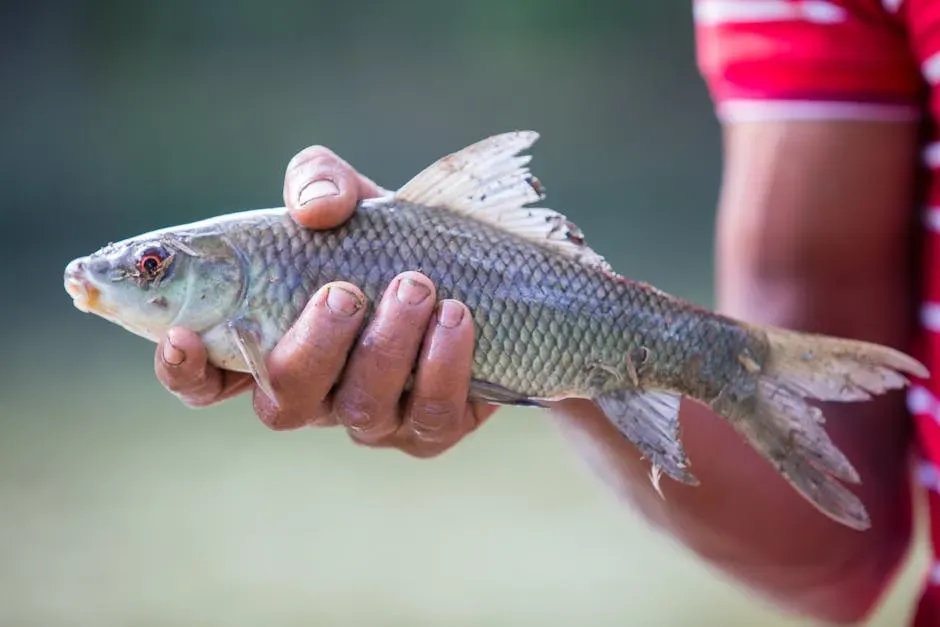
Here’s a surprising place to start: before the 21st century, virtually no one had seriously tried to figure out if fish could feel pain at all. The science of fish pain is relatively new. Before the 21st century, no one had researched whether fish have nociceptors, the signalling pathways thought to be essential for an organism to feel pain. It was not until 2003 that Lynne Sneddon, Victoria Braithwaite, and Michael Gentle revealed that fish do in fact have these transmitters.
That 2003 study was a turning point. Fifty-eight receptors were located on the face and head of the rainbow trout. Twenty-two of these could be classified as nociceptors, responding to mechanical pressure and heat above 40°C. Eighteen also reacted to acetic acid. These receptors had similar properties to those found in amphibians, birds, and mammals, including humans.
Think about that for a second. Fish mouths and heads are wired with the same type of pain-sensing hardware found across the vertebrate family tree. Fish, like “higher vertebrates,” have neurotransmitters such as endorphins that relieve suffering – and the only reason for their nervous systems to produce these painkillers is to alleviate pain.
Research shows that fish demonstrate pain-related changes in physiology and behaviour that are reduced by painkillers, and they show higher brain activity when painfully stimulated. This is not a twitch or a reflex. This is a neurological response that mirrors what happens in animals we already agree feel pain. Still, the debate refuses to quietly go away.
The Skeptics’ Case: Why Some Scientists Remain Unconvinced
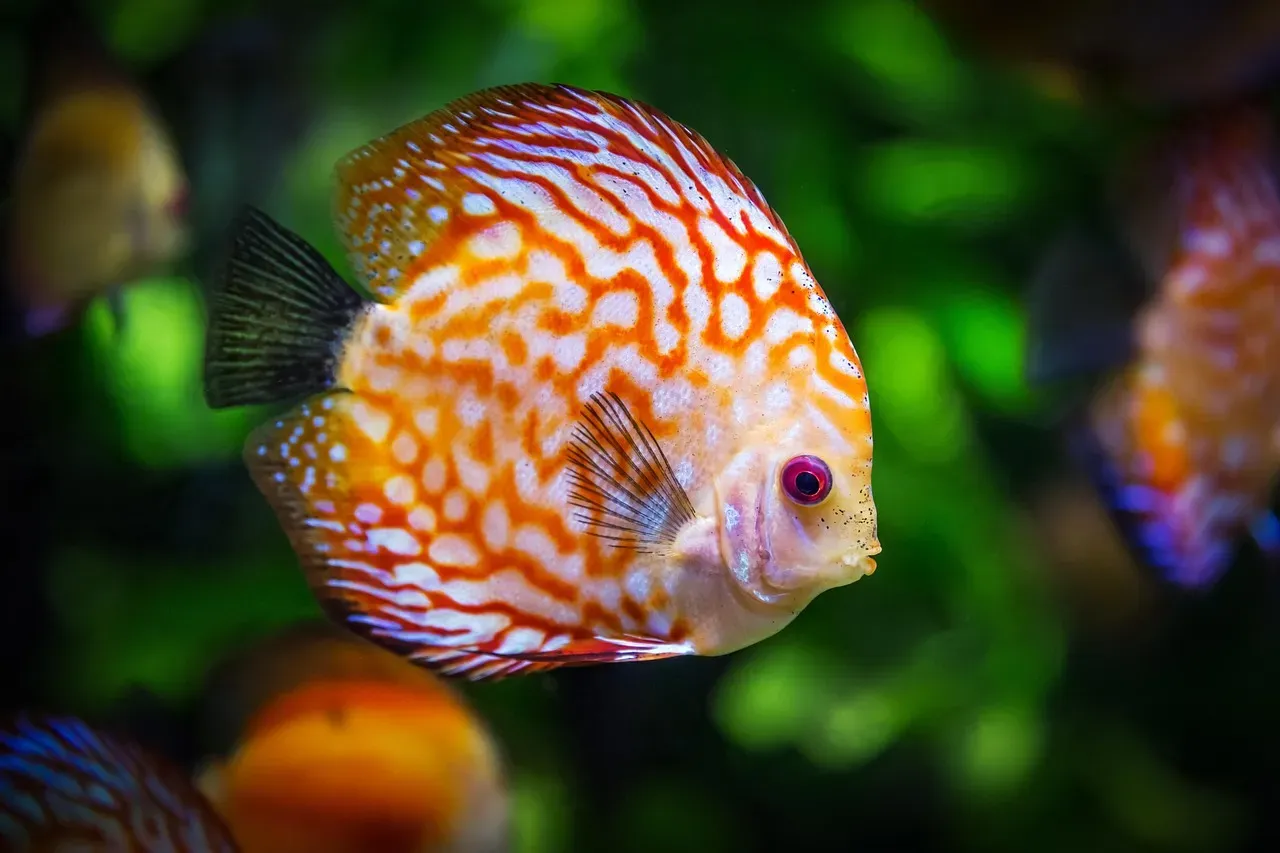
Let’s be real – science rarely speaks with a single, clean voice, and this topic is no exception. There is quite a bit of controversy on this topic, with both stances proving to be well-argued. The skeptic camp has a core argument: fish lack the right brain hardware.
It has been argued that because fish lack the neocortex responsible for pain perception in the mammalian brain, they are unable to feel pain. The neocortex is the part of the human brain associated with conscious experience and complex thought. No neocortex, the argument goes, means no real experience of suffering. Just automatic reactions.
It has also been argued that fish cannot feel pain because they do not have a sufficient density of appropriate nerve fibres. Some researchers point out that responses to stimuli are not necessarily indicative of pain, and fleeing noxious stimuli can simply be a reflex response developed in the spine, not a conscious reaction at all. It’s a bit like arguing that a knee-jerk reaction during a doctor’s visit isn’t “felt” – it just happens automatically.
What is clear is that the higher cortical regions found in humans and other mammals are not needed for pain affect. The studies done by Sneddon and others cannot be countered simply by the lack of cortical regions. This is a crucial counter-point. The assumption that you need a mammalian brain to feel pain is itself being challenged by newer research. It turns out consciousness might take many different physical forms.
Behavioral Evidence: How Fish Actually Behave When Hurt
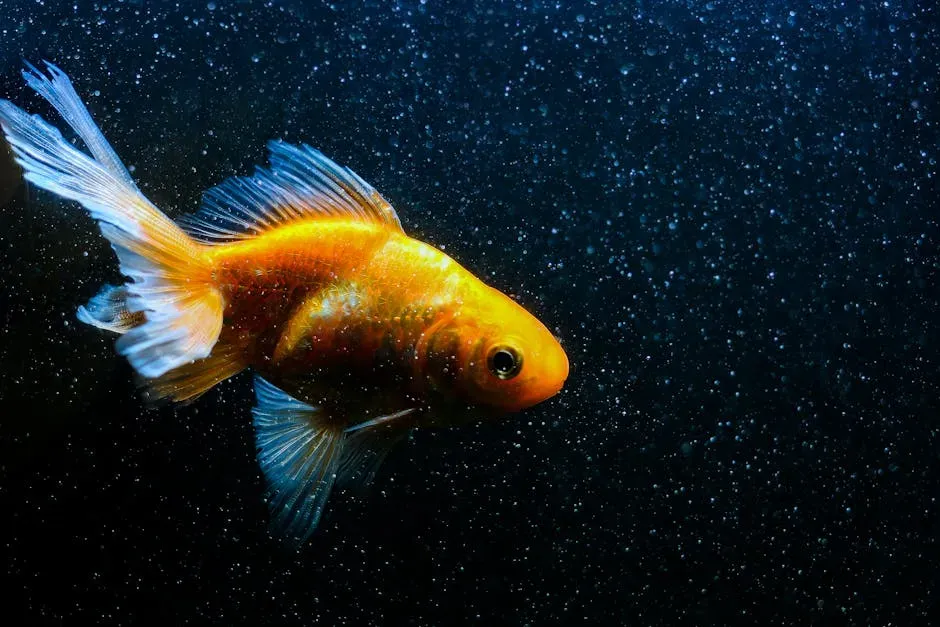
Sometimes the most compelling evidence isn’t found in a lab – it’s in how an animal actually acts when something hurts. And fish, it turns out, do some very telling things.
When a fish’s lips are given a painful stimulus, it rubs its mouth against the side of the tank, much like we rub our toe when we stub it. This is not a random movement. It’s a targeted, location-specific response to a source of pain. When Braithwaite and colleagues exposed fish to irritating chemicals, the animals behaved as any of us might: they lost their appetite, their gills beat faster, and they rubbed the affected areas against the side of the tank.
A study in the journal Applied Animal Behaviour Science found that fish exposed to painful heat later show signs of fear and wariness, illustrating that fish both experience pain and can remember it. Memory of pain is a big deal. It suggests that something beyond pure reflex is happening.
Researchers have observed that freshwater fish can learn from painful experiences. They avoid situations associated with prior injuries, indicating a capacity for memory and emotion. Think of it like a person who burned their hand on a stove and thereafter moves more carefully in the kitchen. That kind of adaptive learning implies something is being registered and stored. It implies experience.
When subjected to a potentially painful event, fish show adverse changes in behaviour such as suspension of feeding and reduced activity, changes that are prevented when a pain-relieving drug is provided. Studies have also shown that when naloxone – a drug that reverses opioid effects – is administered to fish previously given opioids, nociception becomes active again. This further cements the fact that fish have a sensitive nervous system, whereby nociception causes a pain response in the brain that is suppressed by painkillers.
The Ethical Minefield: What It Means for Fishing, Farming, and Food
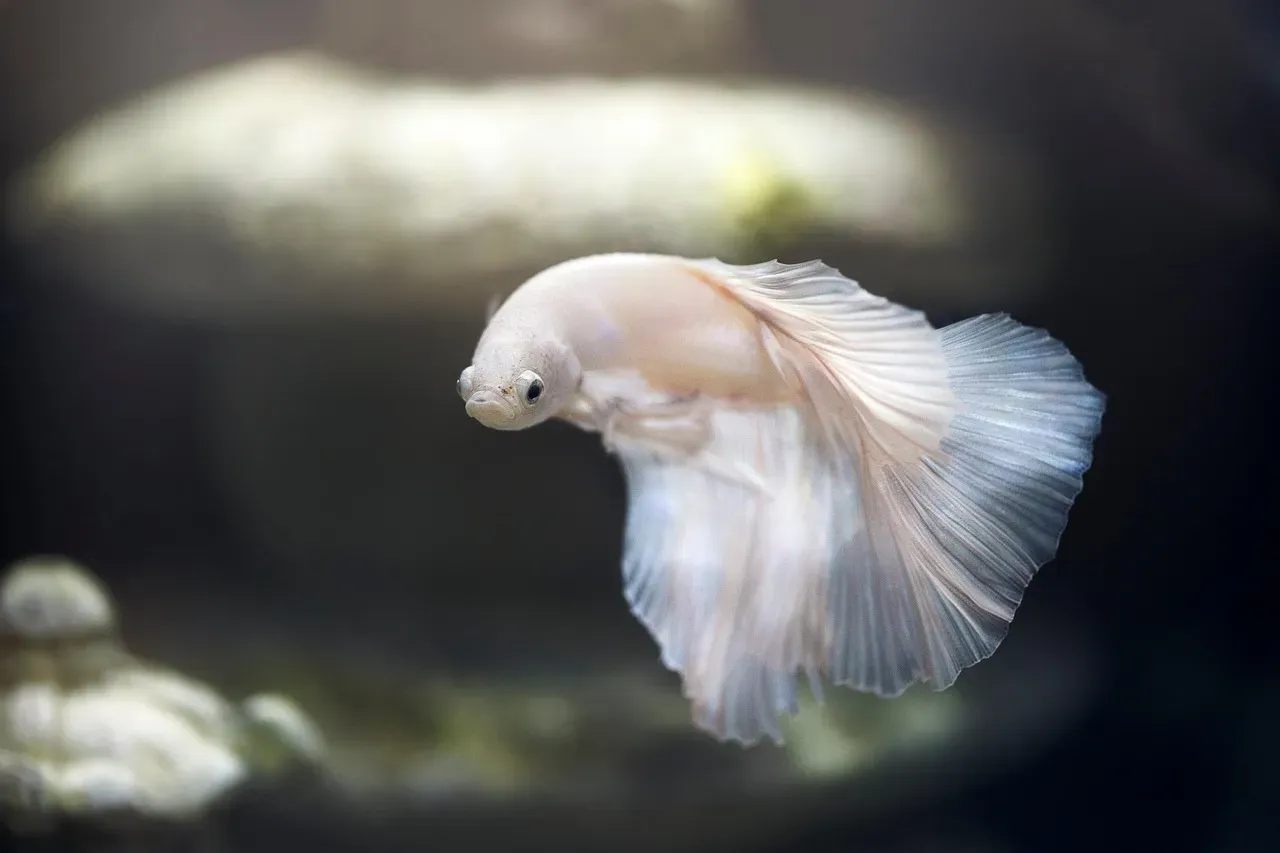
If fish feel pain, there are ethical and animal welfare implications including the consequences of exposure to pollutants, and practices involving commercial and recreational fishing, aquaculture, ornamental fish, genetically modified fish, and fish used in scientific research. The implications are staggering, and most of us would rather not sit with them too long.
Each year, up to 2.2 trillion wild fish are caught globally, with around half being ground into feed for other farmed animals. Alongside them, an estimated 171 billion farmed fish are raised and slaughtered. Those are numbers so large they almost lose meaning. But if even a fraction of that involves genuine suffering, the moral weight becomes almost unimaginable.
The slaughter methods in use today add an especially sharp edge to this debate. Researchers confirmed that fish can experience intense pain when subjected to a common slaughter method known as “air asphyxia.” Scientists at the Welfare Footprint Institute found that the average rainbow trout experiences between roughly 2 and 22 minutes of moderate to excruciating pain when suffocated in air on ice, with fish suffering for about 24 minutes per kilogram.
Despite the suffering it causes, air asphyxia remains the most common slaughter method for fish. Some are killed by chilling in ice or ice slurry, methods often perceived as more humane. But researchers say these alternatives may simply prolong the time it takes for the fish to lose consciousness, extending rather than easing their suffering.
And it is not just the moment of death. Pre-slaughter practices such as crowding and transport – often overlooked – are likely to cause even greater cumulative suffering than the slaughter itself. The scale of this problem, hidden beneath the surface of the ocean and behind the walls of fish farms, is genuinely sobering.
Laws, Protections, and the Yawning Gap Between Science and Policy
You might expect that if the science is pointing toward fish sentience, the law would follow. It hasn’t. Not fully. The gap between what research says and what governments actually protect is wide enough to swim an ocean liner through.
The American Veterinary Medical Association accepts that fish feel pain, saying that the evidence supports the position that fish should be accorded the same considerations as terrestrial vertebrates concerning relief from pain. That is a remarkable institutional acknowledgment. Yet legal protections tell a different story entirely.
No federal law related to the welfare of farmed fish currently exists in the United States. The U.S. Animal Welfare Act, which protects many other animals, also excludes farmed fish. In contrast, the Animal Welfare (Sentience) Act 2022 in the UK includes all vertebrates under its definition of sentience – a meaningful step in the right direction.
In acknowledging that fish are sentient beings with the capacity to experience pain, fear, and suffering, many countries recognise this, and the regulations surrounding welfare in aquaculture and fishing are gaining complexity and significance. Still, progress is painfully slow when measured against the billions of fish affected annually.
Research has shown that electrical stunning can prevent enormous amounts of pain per dollar invested, and the Welfare Footprint Framework enables quantitative comparison of welfare interventions and highlights overlooked suffering during pre-slaughter handling. The solutions exist. They are practical, they are measurable, and in many cases, they are cost-effective. The question is whether industry and governments have the will to implement them.
Conclusion: The Fish in the Room We Keep Ignoring
It is hard to say for sure what it feels like to be a fish. That question may never be fully answered. We cannot step inside another creature’s experience and we probably never will. But here’s the thing: we don’t need certainty to act responsibly.
Professor Donald Broom of the University of Cambridge has stated that most mammalian pain systems are also found in fish, who can feel fear and have emotions controlled in the fish brain in areas anatomically different but functionally very similar to those in mammals. That’s a careful, scientific voice saying something profound.
While fish have long been excluded from most animal welfare protections, research confirms what animal protection advocates have been saying for years: fish are sentient beings capable of feeling pain, fear, and stress. The science has moved. The ethics need to catch up. And as consumers, voters, and eaters, so do we.
The next time you watch a fish flopping on a hook or think about where your seafood comes from, maybe it’s worth sitting with a little discomfort of your own. Not guilt, necessarily. Just awareness. Because the creatures we assumed felt nothing may, in fact, feel quite a lot.
What would change in your daily choices if you truly believed they did?
