


Tarantulas are often depicted in horror movies as frightening and dangerous creatures. However, much of what we think we know about these fascinating animals is steeped in misconception and exaggeration. One common myth is that tarantulas are capable of shooting venomous hairs at their enemies as a form of attack. Let’s unravel the real story behind tarantulas and their defense mechanisms to understand these creatures better.
What Are Tarantulas?

Tarantulas belong to the family Theraphosidae, which includes hundreds of different species found all around the world. These large, hairy spiders are known for their impressive size, with some species boasting a leg span of up to 11 inches. Despite their somewhat intimidating appearance, tarantulas are generally shy and prefer to avoid confrontation.
The Truth About Tarantula Hairs
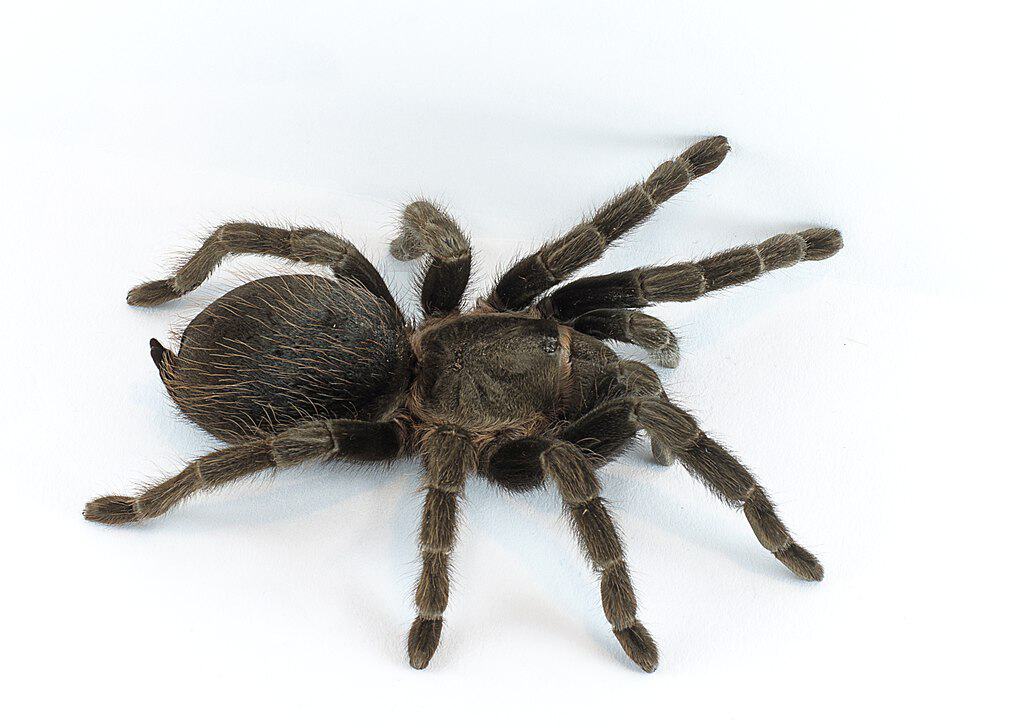
Yes, many tarantula species do have hairs, but not all of these hairs are created equal. The hairs that are of particular interest when discussing defense mechanisms are known as urticating hairs. These are not venomous, but they can cause irritation.
Urticating Hairs Not Venomous, But Effective
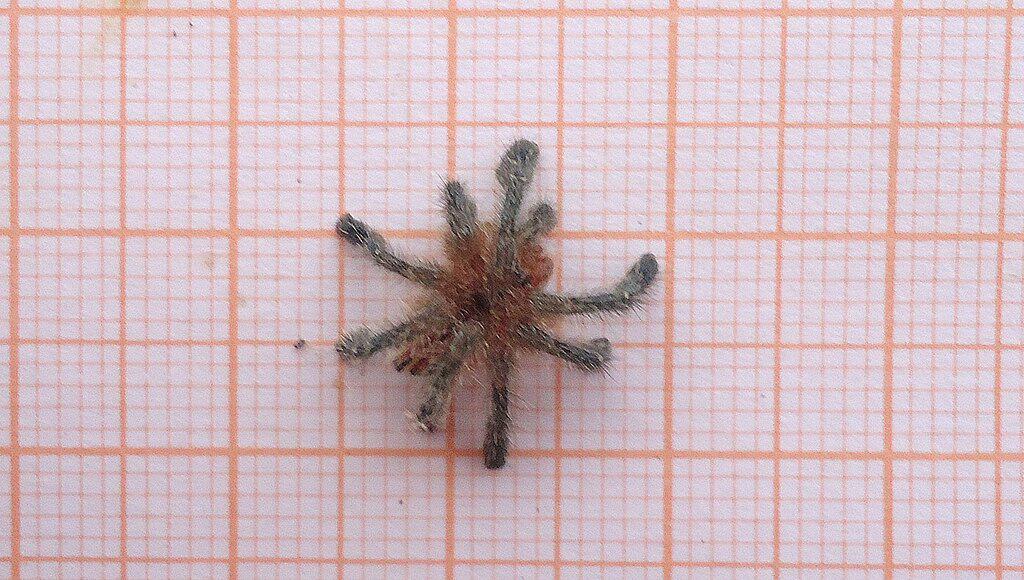
Urticating hairs are a unique feature of New World tarantulas, which are those found in the Americas. These hairs can be found on the abdomen of the tarantula and are used as a defense mechanism against predators. They are not venomous, but they can cause irritation, itching, and discomfort to potential threats.
Mechanism of Defense Releasing Not Shooting

Tarantulas do not shoot these hairs as previously believed. Instead, they release the hairs into the air by rapidly flicking their abdomen when they feel threatened. This action disperses the hairs into the vicinity of the perceived threat.
The Impact on Humans

When these urticating hairs come into contact with human skin, they can cause a range of reactions, from mild irritation to serious dermatitis, depending on the individual’s sensitivity. Furthermore, if the hairs get into the eyes or respiratory system, they can cause more significant problems.
Tarantula Venom A Separate Mechanism
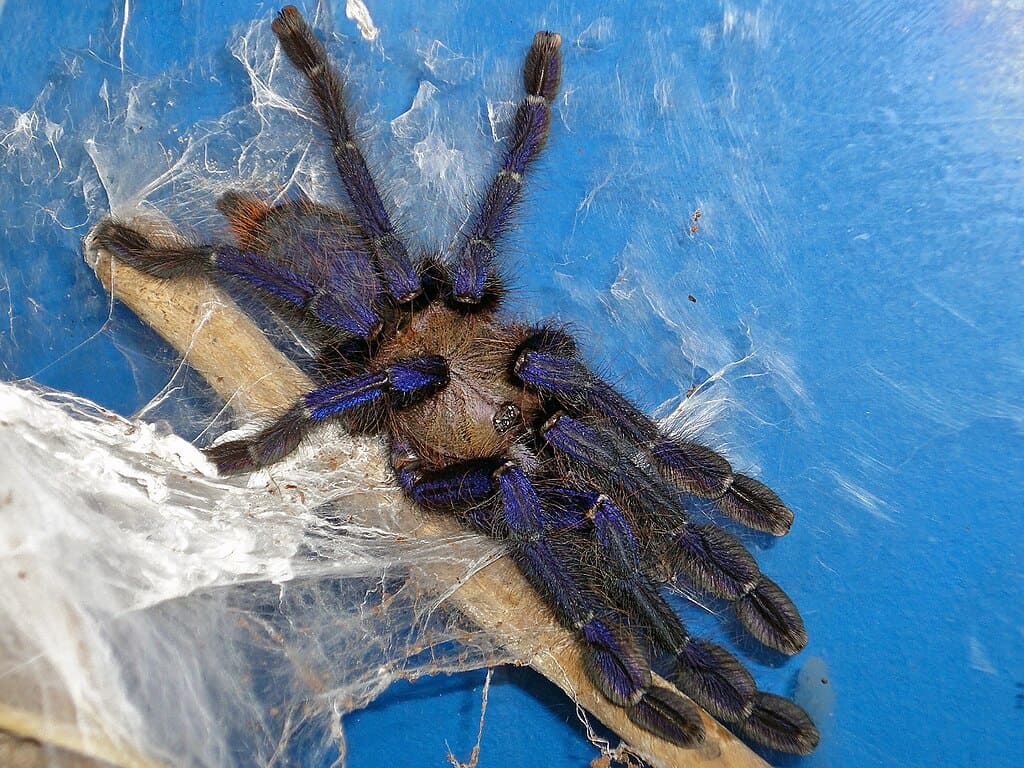
While the conversation often conflates the two, it’s crucial to distinguish between urticating hairs and venom. Tarantulas do possess venom, which they deliver through their fangs. The venom is primarily used for subduing prey, not for defense against larger threats.The Potency of Tarantula Venom
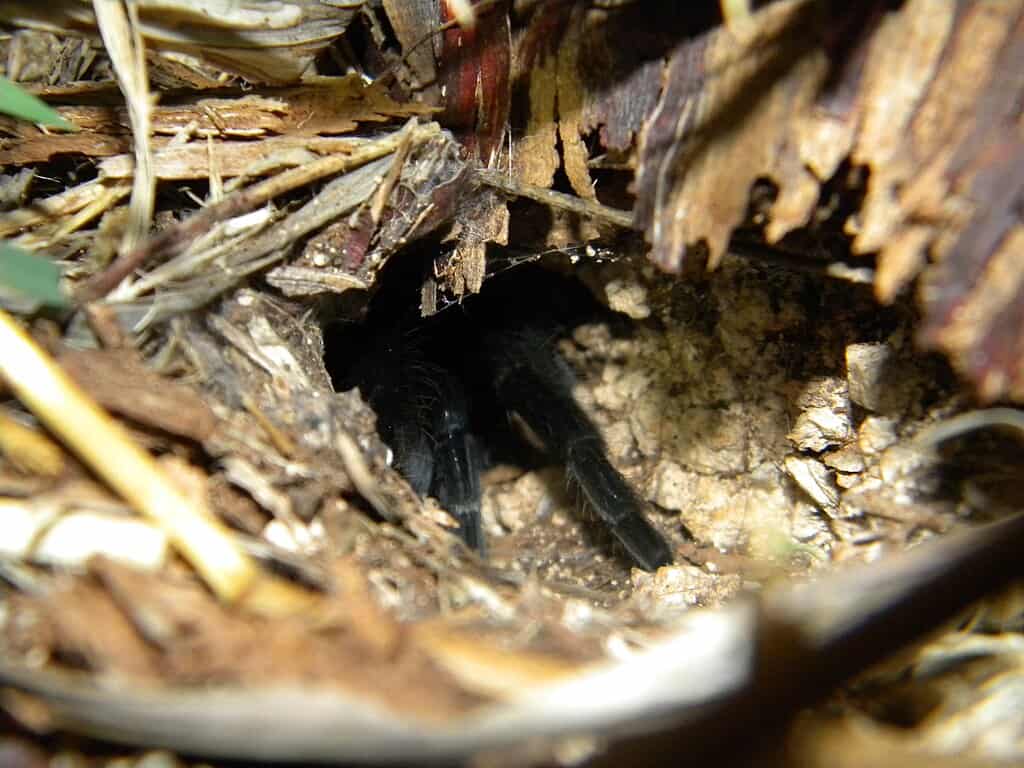
Tarantula venom varies among species in terms of its potency, but for most humans, a tarantula bite is comparable to a bee sting. It’s worth noting, however, that allergic reactions or particularly sensitive individuals might experience more severe symptoms.Tarantulas as Pets

Despite their frightening reputation, many species of tarantulas are kept as pets. Pet owners should be knowledgeable about the proper handling of these animals to avoid defensive reactions, including the release of urticating hairs.
Handling Tarantulas Safely
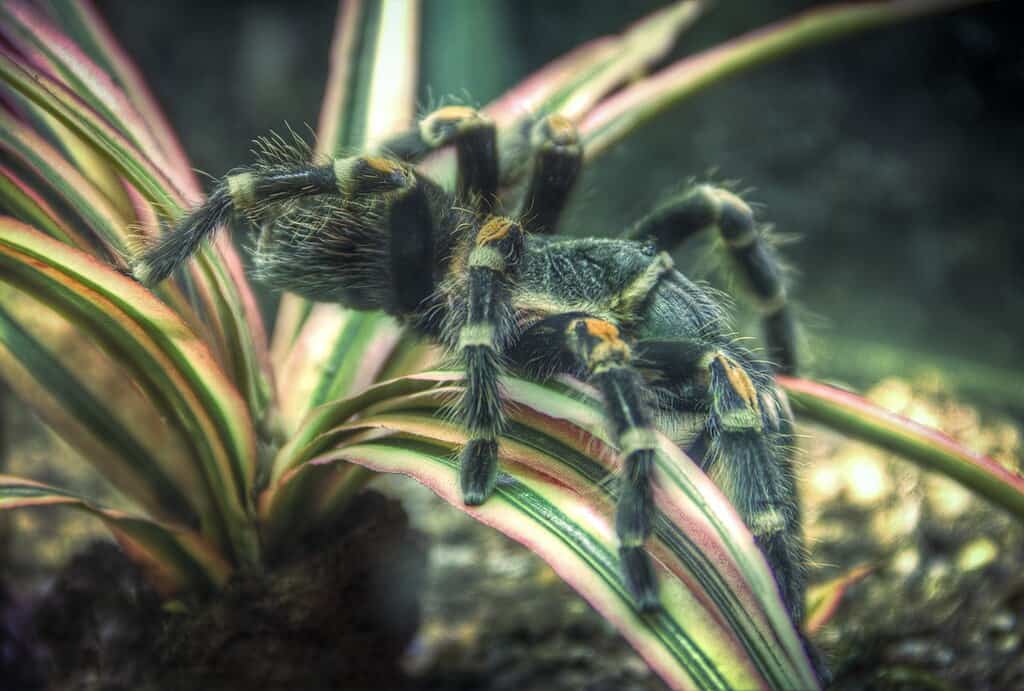
To minimize the risk of irritation from urticating hairs, pet tarantula owners are advised to handle their pets gently and as little as possible. Wearing gloves can also help prevent contact with the hairs.
The Diet of Tarantulas

Tarantulas are carnivorous, feeding primarily on insects, though larger species can take down small mammals and reptiles. In captivity, their diet consists mainly of gut-loaded insects like crickets and roaches.
Reproduction and Lifespan
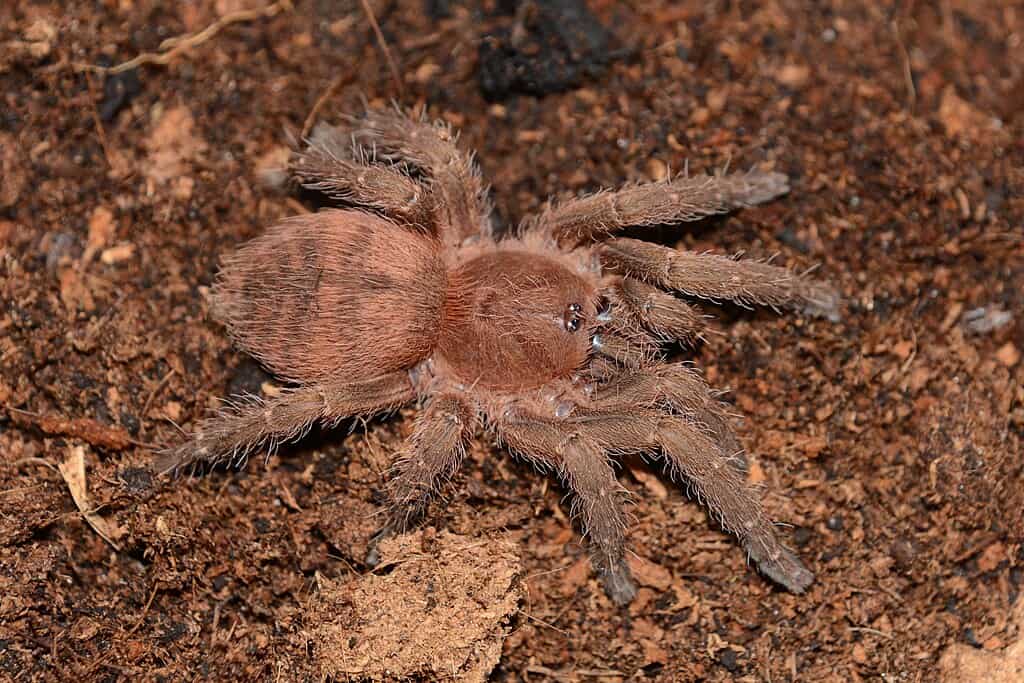
Tarantulas have fascinating reproductive behaviors, and their lifespan can vary widely among species. Some female tarantulas can live for over 20 years, while males generally have a shorter lifespan, often due to dying soon after reaching sexual maturity.
Conserving Tarantula Populations
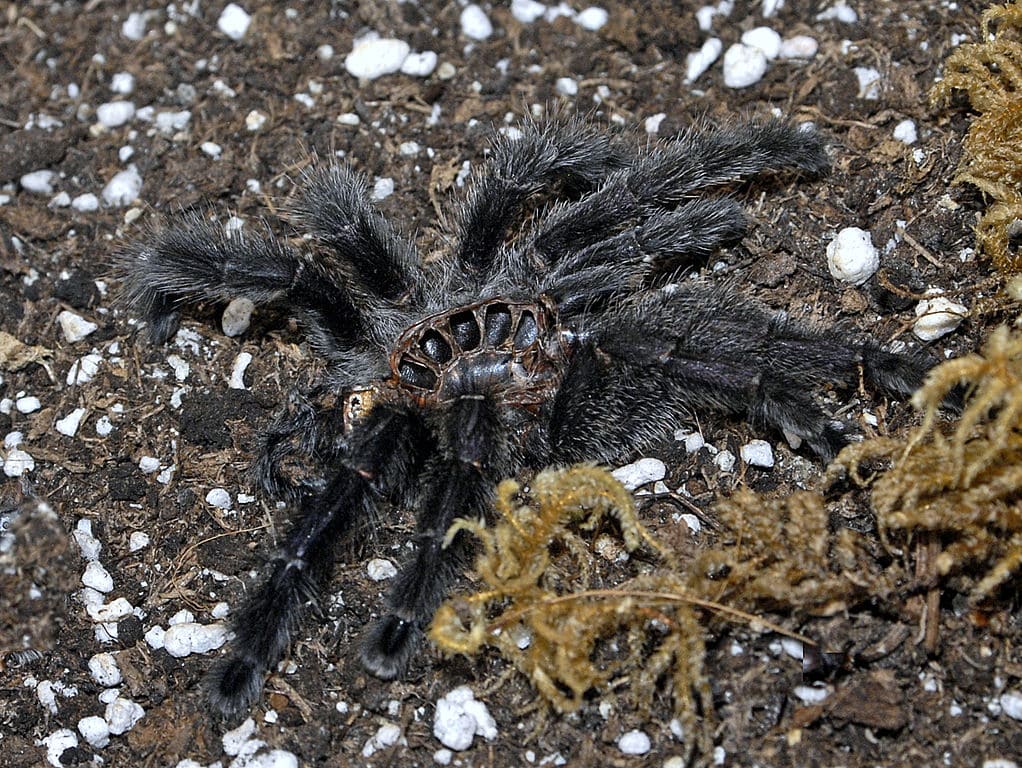
While tarantulas are plentiful in some regions, habitat destruction and the pet trade have put pressure on certain species. Conservation efforts are essential to ensure the survival of these unique creatures.
Conclusion: Respect and Understanding

Tarantulas are intriguing and complex creatures that suffer from a plethora of misconceptions. By understanding their behaviors and characteristics, we can replace fear with respect and admiration. Urticating hairs, rather than being a feature of horror, reveal the fascinating adaptations tarantulas have developed to navigate a world full of threats. Let’s approach these creatures with the curiosity and appreciation they deserve.

As a little kid, I fell in love with nature, wildlife, and animals. Living in the USA, South Africa, Italy, China and Germany gave me the opportunity to discover the world's Wildlife. My favorite animals are Mountain Gorillas, Siberian Tigers, and Great White Sharks.
I'm a certified PADI Open Water Diver, went to Everest Base Camp and Trekked Gorillas in Uganda. I hold a Master of Science in Economics and Finance.
Please send any feedback to feedback@animalsaroundtheglobe.com
- 15 Creatures That Look Like They are from Another Planet - June 12, 2026
- US States Where Black Widow Spiders Roam - June 12, 2026
- 12 Ocean Creatures That Wash Up in Unexpected Places - June 12, 2026