
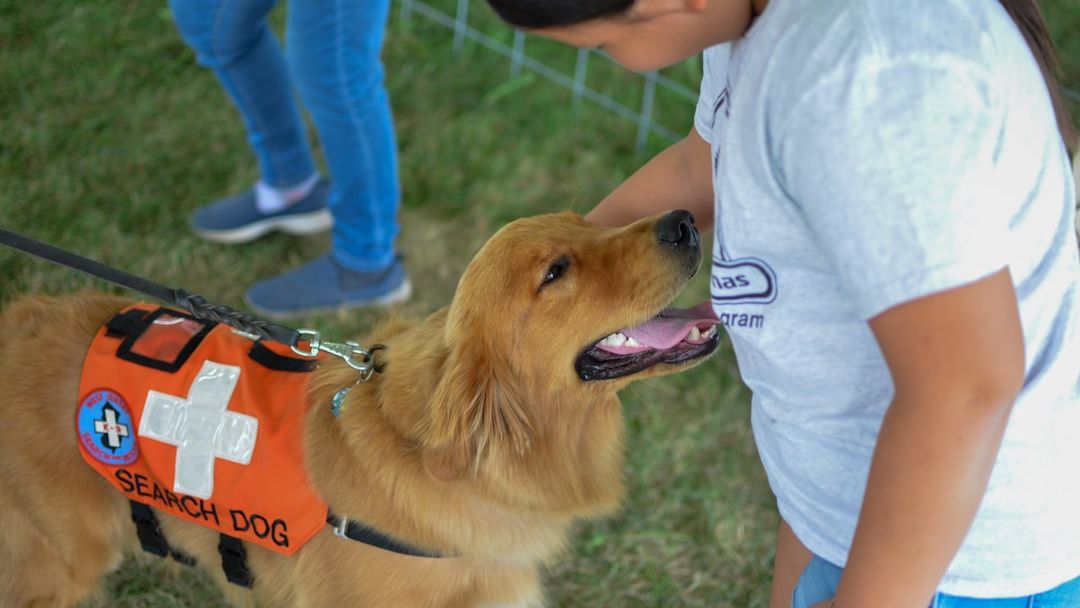
#1: The Labrador Retriever – The Workhorse of Cardiac Detection

Labrador Retrievers are among the most widely recognized medical alert service dog breeds and one of the most popular choices for this specialized role. Traditionally bred as hunting dogs, they have an ingrained ability to follow directions and readily detect changes in their environment. That working instinct, combined with a natural attentiveness to human behavior, makes them unusually well suited for cardiac alert work.
Labrador Retrievers also boast great physical durability and can accompany a handler throughout the full day without needing prolonged rest periods. This makes them especially practical for people with demanding schedules who need a reliable, patient companion at their side consistently. In cardiac service roles, that stamina isn’t a minor perk. It’s often the difference between an alert arriving in time and one that doesn’t come at all.
Research from Purdue University’s College of Veterinary Medicine highlights that Labrador Retrievers significantly enhance the psychosocial health of their handlers, offering critical support that extends well beyond purely physical assistance. Labradors possess a unique combination of physical strength, cognitive adaptability, and emotional sensitivity that allows them to excel across a range of specialized tasks.
#2: The Golden Retriever – Emotional Intelligence Meets Medical Precision
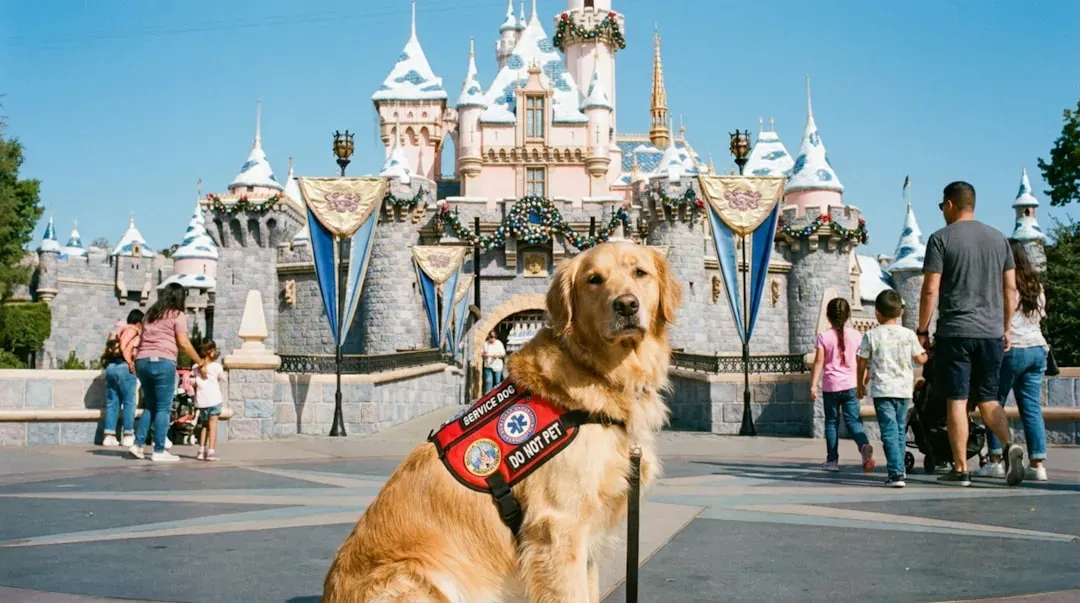
Golden Retrievers embody the quintessential service dog temperament, combining exceptional intelligence with an extraordinary capacity for empathy and emotional connection. These canines are universally recognized for their ability to form deep, meaningful bonds with their handlers. Research from Frontiers in Veterinary Science demonstrates that Golden Retrievers possess unique behavioral traits that make them ideal service companions, including low fearfulness and high social adaptability.
The breed’s psychological makeup allows them to remain calm under stress, a critical characteristic for service animals who must navigate complex environments while maintaining unwavering focus on their handler’s needs. This emotional stability enables them to perform consistently across challenging scenarios. For cardiac work specifically, that calm is essential. A dog that panics in a crisis is far less useful than one that remains composed and purposeful.
Golden Retrievers are very smart, highly motivated to work, and easy to train. Many owners are genuinely amazed by their intelligence and how quickly they acquire new skills. When that learning ability is channeled into recognizing cardiac biomarkers and executing alert behaviors, the results can be life-changing.
#3: The German Shepherd – Sharp Senses and Unmatched Focus

German Shepherds are always alert and focused on their tasks, which are ideal traits for a medical service dog. They frequently serve as police dogs precisely because of their strong sense of smell, and those same qualities translate directly into the medical detection space. Their olfactory capacity is not just powerful in absolute terms. It’s reliable under pressure and in busy, unpredictable environments.
German Shepherds are valued for their strength, intelligence, and versatility. Originally bred for herding and guarding, these traits make them excellent service dogs for those requiring physical support as well. They are often used in police and military roles, reflecting their training versatility and high level of discipline. That discipline carries over into their service work, where consistency is not optional.
Often chosen for their intelligence, discipline, and strong work ethic, German Shepherds have a long history of service work, especially in roles that require alertness and decision-making skills. When a cardiac event is building, decisiveness in a dog’s response can matter enormously. German Shepherds, more than most breeds, tend to act rather than hesitate.
#4: The Standard Poodle – The Underestimated Lifesaver

Poodles are far more than their elegant appearance suggests. They are intelligent, eager to please, and have a sharp sense of smell often used for tracking purposes. They are also hypoallergenic, which makes them ideal for people who are sensitive to dog fur and dander. For a cardiac patient who also manages allergies, that combination of traits is quietly significant.
Standard Poodles are known to be highly intelligent and are large enough to assist their handlers with mobility tasks as well. Toy Poodles carry the same intelligence in a considerably smaller frame. Poodles make excellent service dogs in part because they are hypoallergenic and relatively low maintenance in terms of grooming. That practicality reduces the daily burden on people who are already managing a serious health condition.
Poodles have even been crossbred with Labrador Retrievers and Golden Retrievers to create Labradoodles and Goldendoodles, producing some of the most effective service dog breeds available today. They are recognized as among the smartest dog breeds in the world, which only reinforces their suitability for the most demanding medical alert roles.
#5: The Great Dane – The Gentle Giant With a Cardiac Role

Cardiac Response Dogs can brace a handler’s fall, stay with them to provide comfort, call a family member for help, and bring medication on command. These dogs are generally large with a strong build precisely so they can physically support or cushion the fall of their handler. Few breeds fit that profile as naturally as the Great Dane, whose sheer size becomes a practical asset in emergency situations.
Great Danes can be highly effective service dogs. Their gentle disposition combined with their physical strength allows them to provide meaningful support for both mobility and emotional needs, while remaining attentive to their handlers. In a cardiac crisis, having a large, stable dog close by can also help prevent the secondary injuries that often occur when a person collapses unexpectedly.
Cardiac dogs are likely to use their strong sense of smell to recognize chemical alterations that occur when blood pressure or heart rate changes. These canines can also retrieve medication, pick up objects dropped during dizziness or a blackout, and physically protect the body of their handler from injuries caused by falling, using their own body as a buffer. For a breed as large as the Great Dane, that last function is more than symbolic. It’s genuinely protective in the most literal sense.
What These Dogs Actually Do When They Detect a Problem

Cardiac Alert Dogs are trained to detect changes in a person’s blood pressure and heart rate, using their keen sense of smell to pick up on chemical markers in sweat. The goal is to give their handler enough warning to seek medical attention, move to a safe location, or take medication before a crisis escalates. The window of time that early detection creates is what makes these dogs so medically relevant.
Training typically involves presenting a dog with two swab samples from their handler. The first is taken when heart rate and blood pressure are within a normal range, and the second when those metrics are not. Dogs are then trained to identify the difference and provide a signal, such as barking or pawing, to notify the owner. It’s a painstaking process, but the result is a dog that has essentially been taught to read the body in ways that most humans can’t consciously access.
Once a dog detects these changes, it’s trained to alert its companion immediately. This can be done through retrieving a specific medication, pawing, licking, barking, or leaning against the person. The dog translates its sensory detection into an intentional, trained action designed to notify its handler. Some dogs are also trained to physically guide their handler toward a chair or the floor, reducing the risk of a dangerous fall.
Although dogs cannot perform CPR, cardiac service dogs can be trained to notify emergency services. They can also retrieve life-saving medication if their owner becomes disoriented or unconscious. That capacity to act autonomously in the worst moments is what separates a cardiac service dog from a well-meaning pet.
The Science Behind the Sniff, and Its Honest Limits
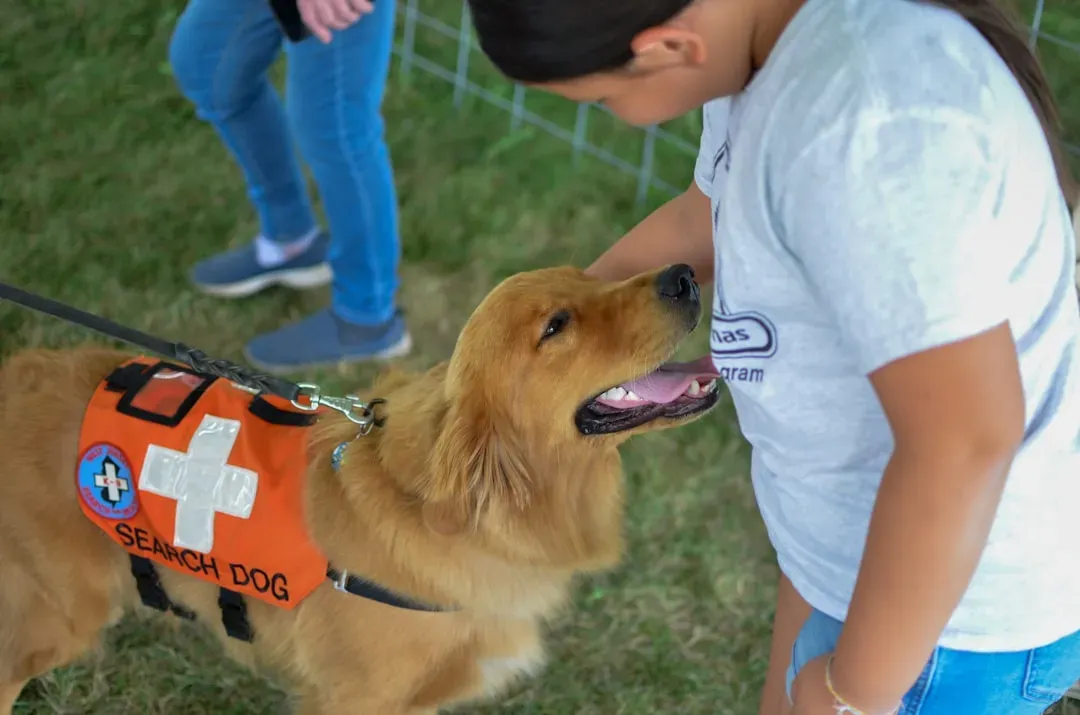
Some dogs are sensitive enough to recognize the chemical alterations that occur when a person’s blood pressure or heart rate changes. It’s also possible that they use their strong hearing skills to detect if their handler’s heart rate has shifted. These two sensory channels, smell and hearing, often work together in a trained cardiac dog, creating a more complete and reliable detection system.
Training dogs to detect medical conditions is nowhere near an exact science. Conclusive research remains limited, and even a well-trained dog may not catch every cardiac event in advance. Medical alert dogs should not be relied upon as a standalone safeguard. That honesty matters. These animals are a meaningful supplementary layer of protection, not a replacement for medical monitoring, medication, or clinical care.
Training a medical assistance dog is an intensive and specialized process, often taking up to two years. The costs for a fully trained cardiac alert dog can range from ten thousand to thirty thousand dollars, and most insurance plans do not cover this expense, though patients may find assistance through nonprofits or fundraising programs. Access to these animals remains a real barrier for many people who could genuinely benefit from one.
Conclusion
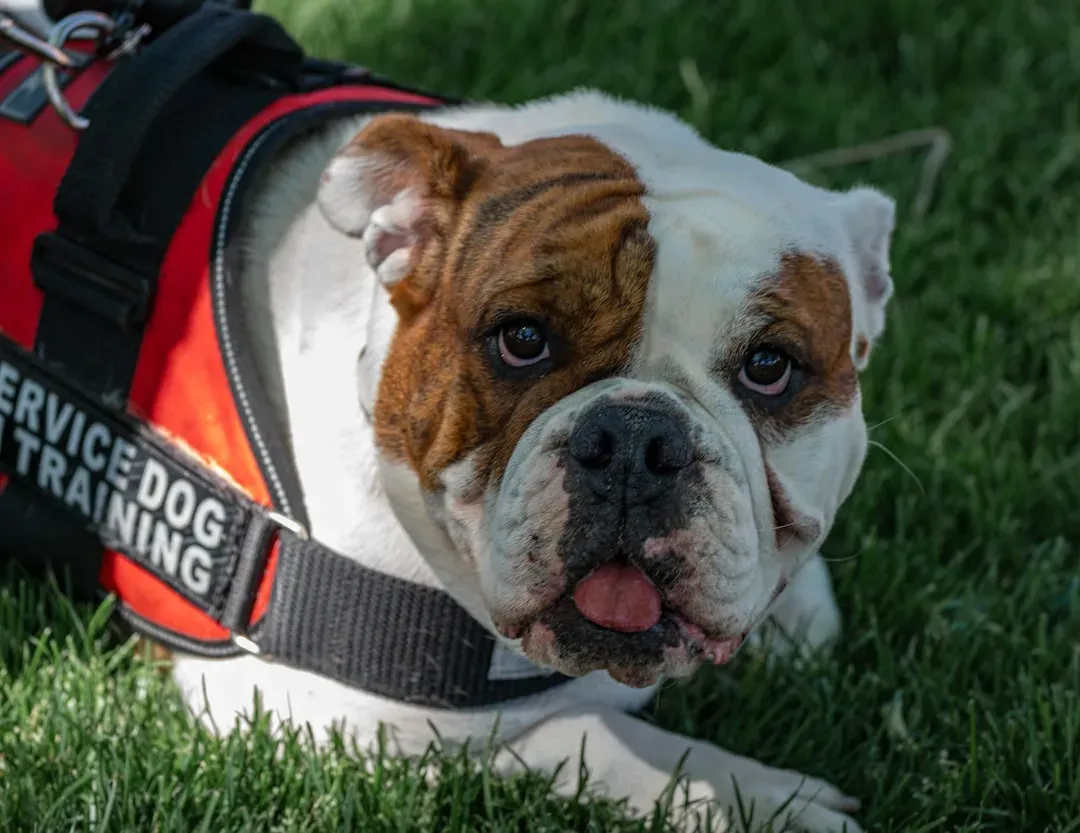
There’s something worth sitting with in all of this. Dogs have lived alongside humans for thousands of years, but only recently have we begun to formalize what many owners have quietly suspected: that these animals are paying far closer attention to us than we ever realized. They’re not reading minds. They’re reading chemistry, heartbeats, and breath patterns, all with senses that dwarf our own.
Cardiac service dogs play a crucial role in supporting individuals with heart conditions. Through their specialized training and tasks, they provide early detection, increased independence, emotional support, and enhanced safety. That’s a remarkable set of contributions from an animal that asks for nothing more complex than a consistent bond and a purpose to fulfill.
The right breed matters. The training matters. The bond matters most of all. A cardiac service dog performs best when it has a solid relationship with its owner, and obtaining the right one is not easy, but it may ultimately save your life. For anyone living with a serious heart condition, that possibility deserves serious consideration.

- The 13 Small Signs a Rescue Cat Uses to Tell You It Finally Feels Safe - July 20, 2026
- Why Veterinarians Say If Your Cat Sleeps With Their Back to You, It's the Highest Form of Trust in Feline Behavior - July 20, 2026
- The Zodiac Signs That Owls Avoid Completely (And What Folklore Says It Means About Your Energy) - July 20, 2026