

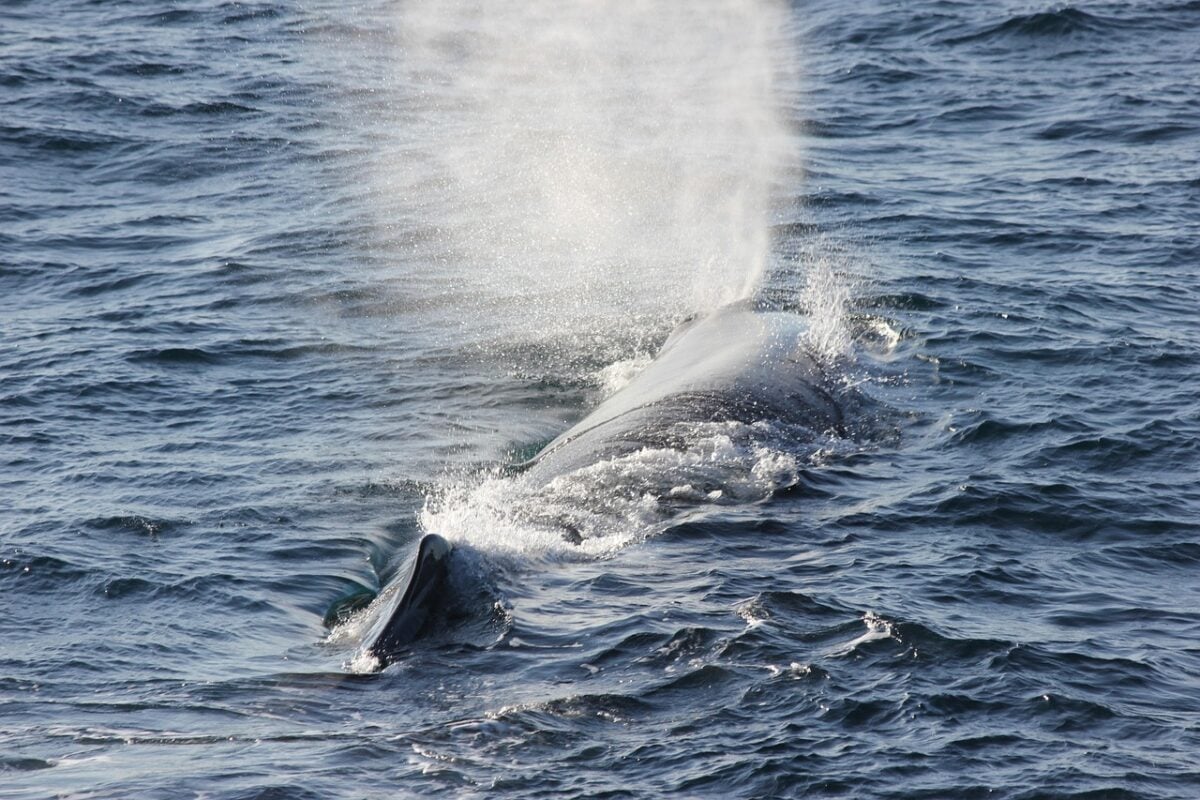

A New Frontier in Non-Invasive Wildlife Monitoring (Image Credits: Pixabay)
Northern Norway – Researchers have identified a potentially fatal virus in Arctic whales through an innovative sampling method that captures their exhaled breath.
A New Frontier in Non-Invasive Wildlife Monitoring
Scientists recently achieved a milestone by using drones to collect samples from the blow of wild whales. This technique allowed teams to detect the virus without disturbing the animals. Humpback, sperm, and fin whales in the region provided the key data. The approach marked the first such discovery in Arctic waters.
Previously, studying whale health required invasive biopsies or post-mortem examinations. Those methods often missed live insights into disease spread. Drones equipped with petri dishes flew above exhaling whales to gather airborne particles. This method proved effective in remote northern seas where traditional tools fall short.
The findings emerged from expeditions in northern Norway. Teams analyzed the breath samples for pathogens. Results confirmed the presence of a virus known to harm marine mammals. Experts hailed the technique as a game-changer for ongoing surveillance.
The Virus and Its Threat to Marine Ecosystems
The detected virus targets the respiratory, immune, and nervous systems of whales. It has caused outbreaks in other ocean regions before. In the Arctic, its arrival raises alarms about broader impacts. Melting sea ice may have facilitated its spread by connecting distant populations.
Whales play a vital role in Arctic food webs. A widespread infection could disrupt balances across species. Researchers noted that early detection offers a chance to monitor progression. The virus’s lethality underscores the urgency of protecting these vulnerable giants.
Historical data showed similar viruses in sub-Arctic areas. Climate shifts likely opened pathways for transmission. Scientists emphasized that Arctic whales now face compounded risks from warming waters and pathogens.
Advantages of Drone-Based Sampling
Drones provide a safe, efficient way to assess whale health in hard-to-reach areas. They minimize stress on animals and reduce human risk in rough seas. Collection happens quickly during natural surfacing behaviors.
The technology enables repeated sampling over time. This builds a clearer picture of disease patterns. Costs remain lower than boat-based alternatives in extreme conditions.
- Non-invasive: No physical contact with whales.
- Real-time data: Samples analyzed shortly after collection.
- Scalable: Applicable to various cetacean species.
- Environmentally friendly: Low disturbance to habitats.
- Versatile: Works in diverse weather and locations.
Broader Implications for Conservation Efforts
Discoveries like this highlight the need for international collaboration in the Arctic. Agencies now push for expanded monitoring programs. Protecting migration routes could limit virus transmission. Habitat preservation remains crucial amid environmental changes.
Experts call for integrating drone tech into global wildlife strategies. Such tools could prevent future outbreaks in other regions. Funding for research has increased following the announcement. Long-term studies will track the virus’s effects on populations.
Key Takeaways
- Drones detected a , using breath samples from humpback, sperm, and fin species.
- The pathogen affects critical systems and may spread due to melting ice.
- This method opens new doors for non-invasive health checks on marine life.
As Arctic ecosystems evolve under climate pressures, innovations in detection offer hope for safeguarding whale populations. Proactive measures today could avert larger crises tomorrow. What steps should we take next to protect these ocean sentinels? Share your thoughts in the comments.

- Urban Coyotes Show Remarkable Adaptability, Learning to Thrive in City Environments - July 22, 2026
- Beavers Are Nature’s Engineers, Creating Vital Habitats for Other Wildlife Species - July 21, 2026
- The Recovery of the California Condor Offers Hope for Other Critically Endangered Birds - July 21, 2026