
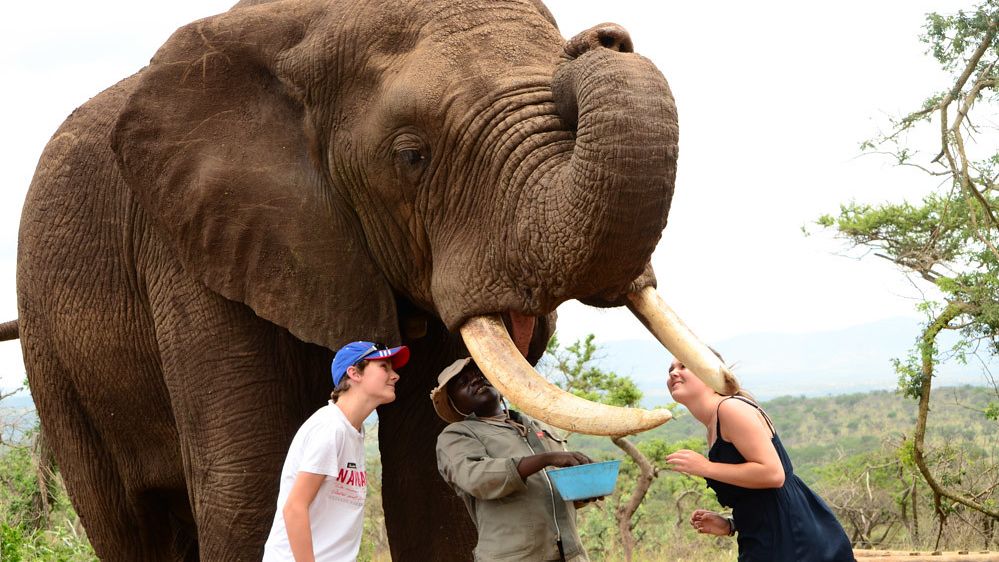
Imagine walking through the African savanna when suddenly two titans come face to face. The ground trembles beneath your feet as massive bodies square off in a primal standoff. This isn’t some Hollywood fiction. Rangers across Africa witness these encounters between elephants and rhinos more often than most people realize, and what they’ve observed challenges everything you thought you knew about these legendary giants.
These are the moments that define the wild. When over ten tons of living power meets razor-sharp determination, nature reveals its most dramatic truths. Rangers who’ve spent decades in the bush have stories that will leave you questioning which of these behemoths truly deserves the crown as Africa’s ultimate champion.
Size Showdown: When Titans Measure Up
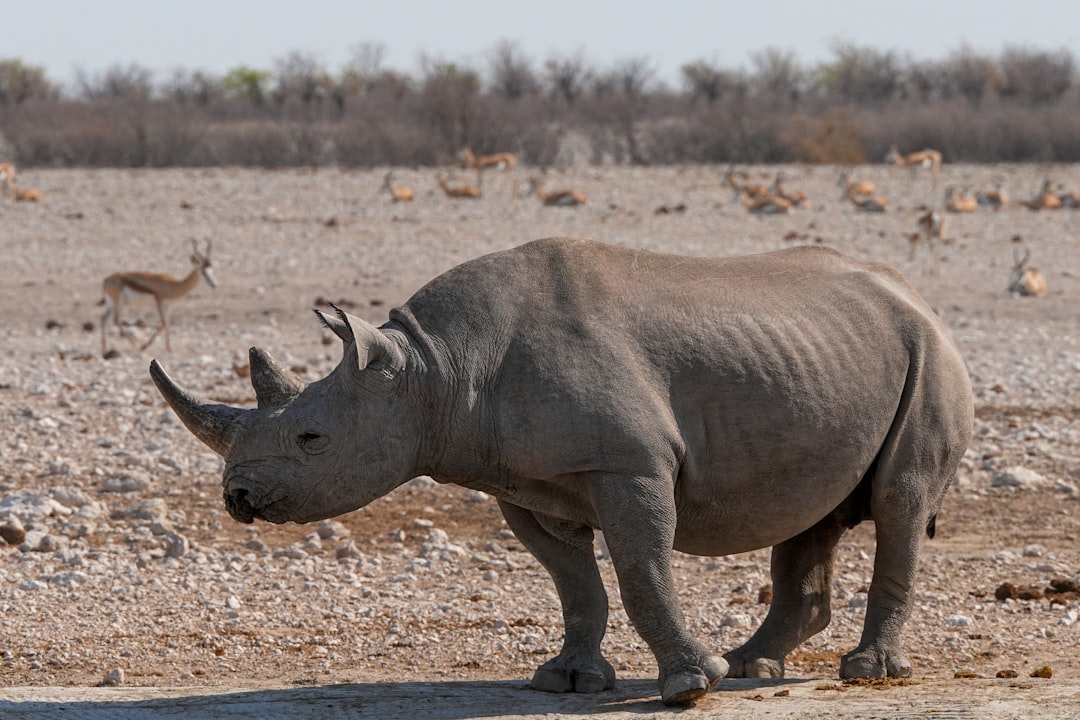
African elephants tower over their rhino counterparts with males weighing up to 15,400 pounds compared to the rhino’s maximum weight of around 5,700 pounds. Elephants reach heights of 10 to 12 feet, while rhinos stand nearly half as tall at 4 to 6 feet in height. Rangers often describe the size difference as the contrast between a freight train and a tank.
Yet size tells only part of the story. An adult elephant can weigh up to 6 tons compared to just 2 tons on average for an adult rhino. Picture standing next to both animals and you’d immediately understand why seasoned guides always keep extra distance from elephant encounters.
The Horn vs. Tusk Debate: Nature’s Ultimate Weapons
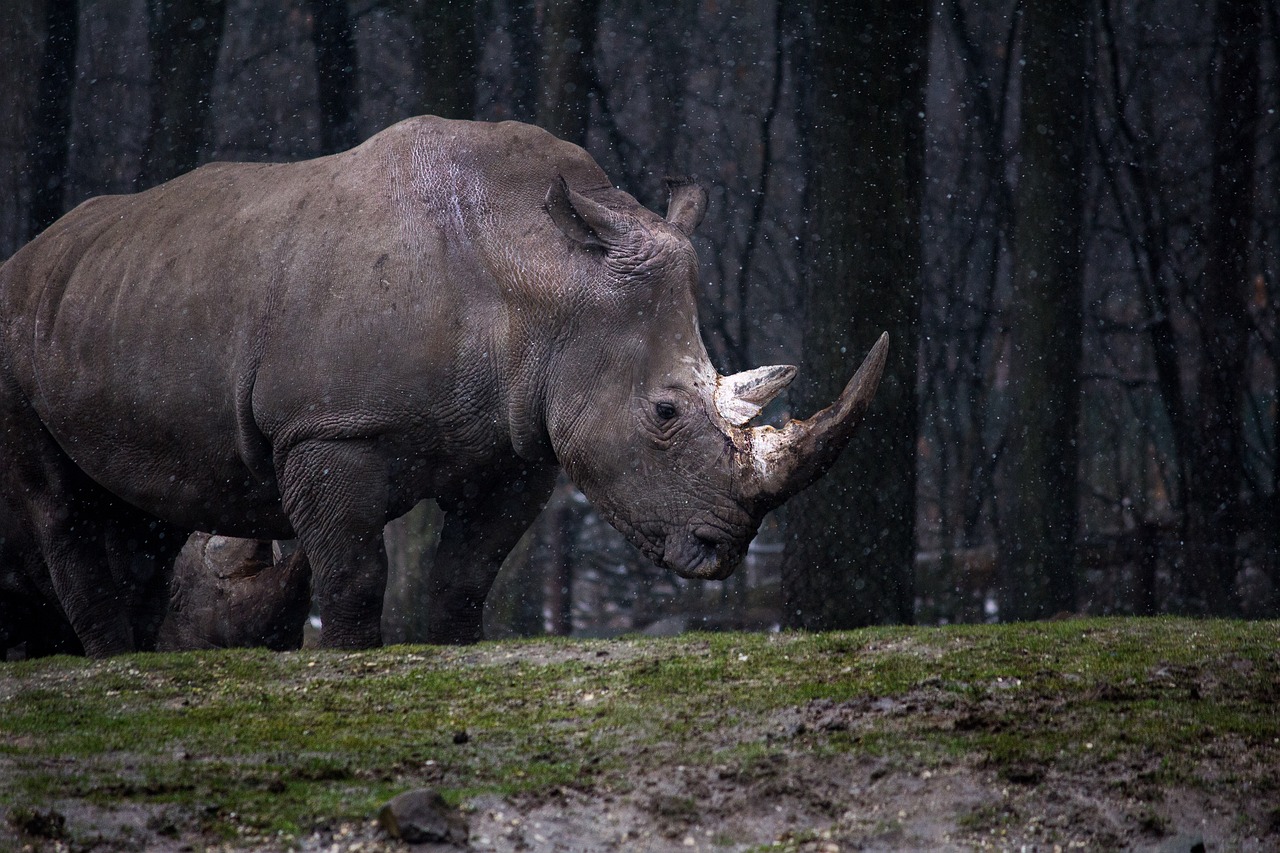
Elephants sport long white tusks that can reach 10 feet or more, wielding them like ancient swords in battle. Rhinos counter with two horns, the front one rising up to about 1.5 meters long. Rangers describe elephant tusks as versatile multi-tools, perfect for digging, stripping bark, and delivering devastating blows.
Rhino horns, however, are single-purpose missiles of destruction. With solid keratin construction, they can strike first with incredible sharpness. One veteran ranger from Kruger National Park put it perfectly: “Tusks are Swiss Army knives, but rhino horns are pure daggers.”
Intelligence Gaps: The Thinking Giant vs. The Charging Tank
Generally speaking, elephants are considered smarter than rhinos, exhibiting more complex cognitive abilities, social behaviors, and problem-solving skills. African elephants engage in more than 200 different known postures, helping them convey an array of emotions, from aggression to ambivalence. Rangers consistently marvel at elephants’ strategic thinking during confrontations.
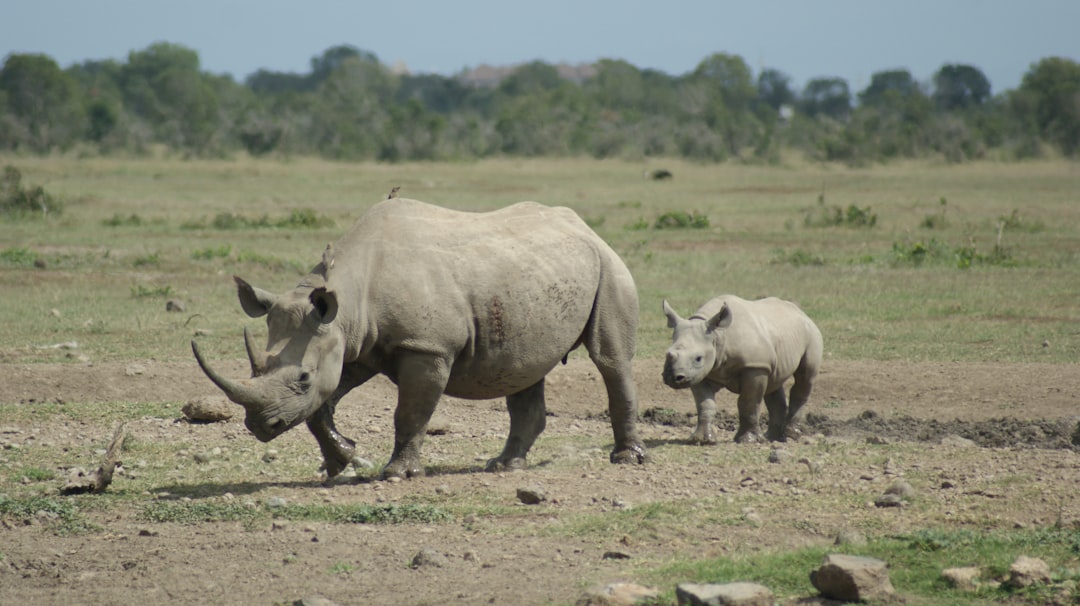
Rhinos are incredibly near-sighted and as such, a movement that might not seem like much to us will actually scare the life out of a rhino and that is why they charge. This creates a fascinating dynamic where intelligence meets pure instinct. Rhinos remain in a constant state of paranoia with the attention span of a goldfish.
Speed and Agility: The Surprising Truth About Giant Movement
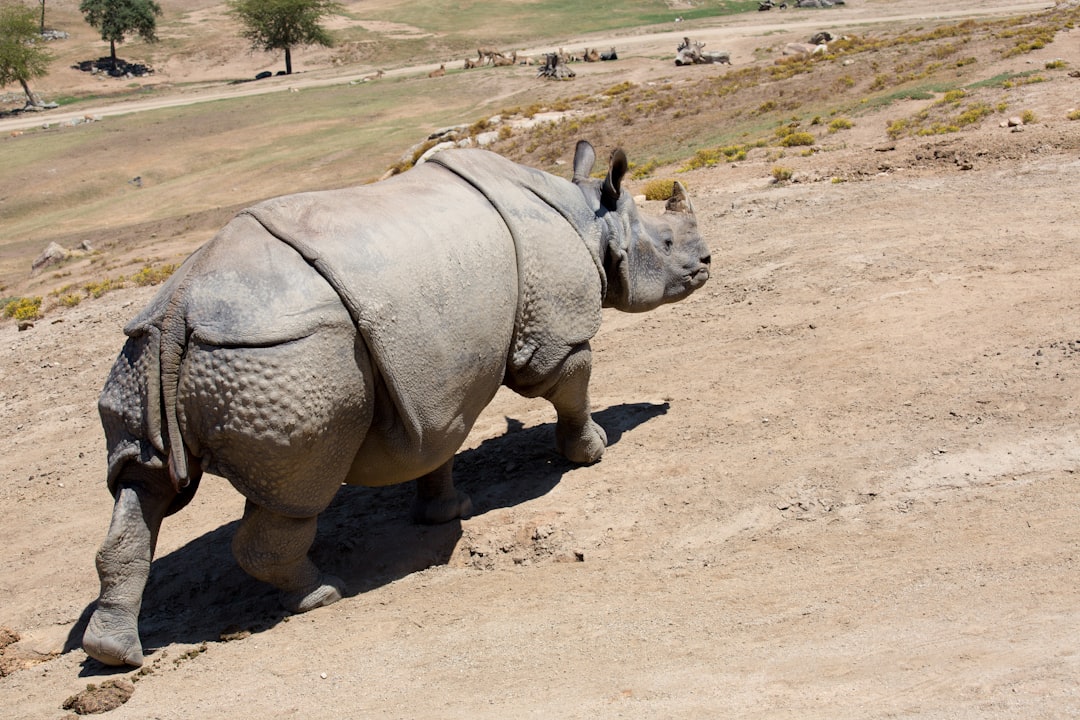
A rhino can run at up to 55 km/h, and with this considerable speed and agility, the rhino would be able to strike first. Rangers often express amazement at how something so massive can move with such explosive speed. African elephants can run at speeds up to 25 mph when charging their prey.
The speed advantage belongs to rhinos, but rangers know that raw speed without strategy often leads to disaster. Elephants compensate with superior maneuverability and the ability to change direction mid-charge. When these giants clash, it becomes a battle between reckless speed and calculated precision.
Social Structure: Family Units vs. Lone Warriors
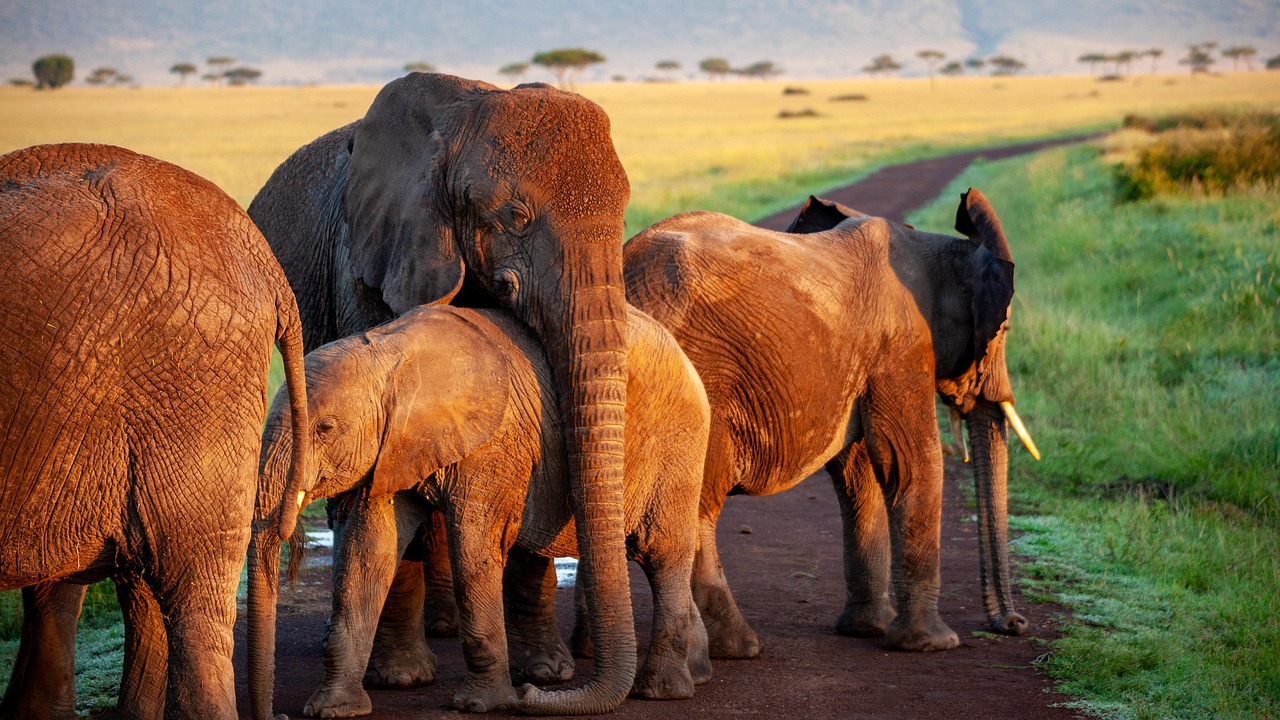
Elephants are social animals that live in herds and are known for their intelligence and emotional intelligence, while rhinos are solitary animals that are more aggressive and territorial. Rangers witness elephant families rallying together during threats, creating walls of protection around their young. Elephant societies are matriarchal and highly complex, exhibiting strong family bonds and cooperating in raising young.
Rhinos operate as lone fighters, relying purely on individual strength and aggression. The notion that needing no herd to validate strength makes rhinos superior ignores that in nature, social cooperation is the hallmark of advanced species. Rangers note that elephant herds create formidable collective power that single rhinos simply cannot match.
Real Encounters: What Rangers Actually Witness
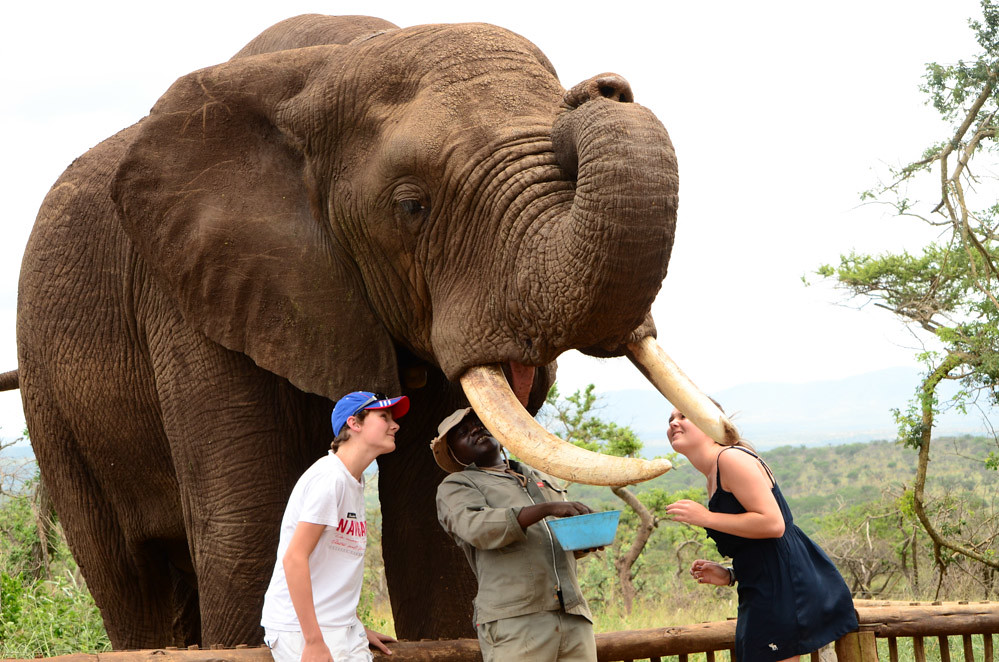
Cheeky adolescent elephants become increasingly intrigued by rhinos and run towards them, trunk blazing. Recent footage of an African elephant approaching a rhino was initially deemed aggressive by many viewers, but experts recognized it as an invitation to play. Rangers describe these encounters as tense negotiations where neither animal wants to escalate unnecessarily.
In one thrilling example at Hluhluwe-Imfolozi Park, an adult white rhinoceros charged an adult African bush elephant after an unexpected standoff, but the elephant swiftly turned tail and retreated from the rhino’s sharp horn. However, young male elephants have launched unprovoked attacks on white rhinos, demonstrating their lethal potential.
Combat Analysis: Who Actually Wins the Fight?
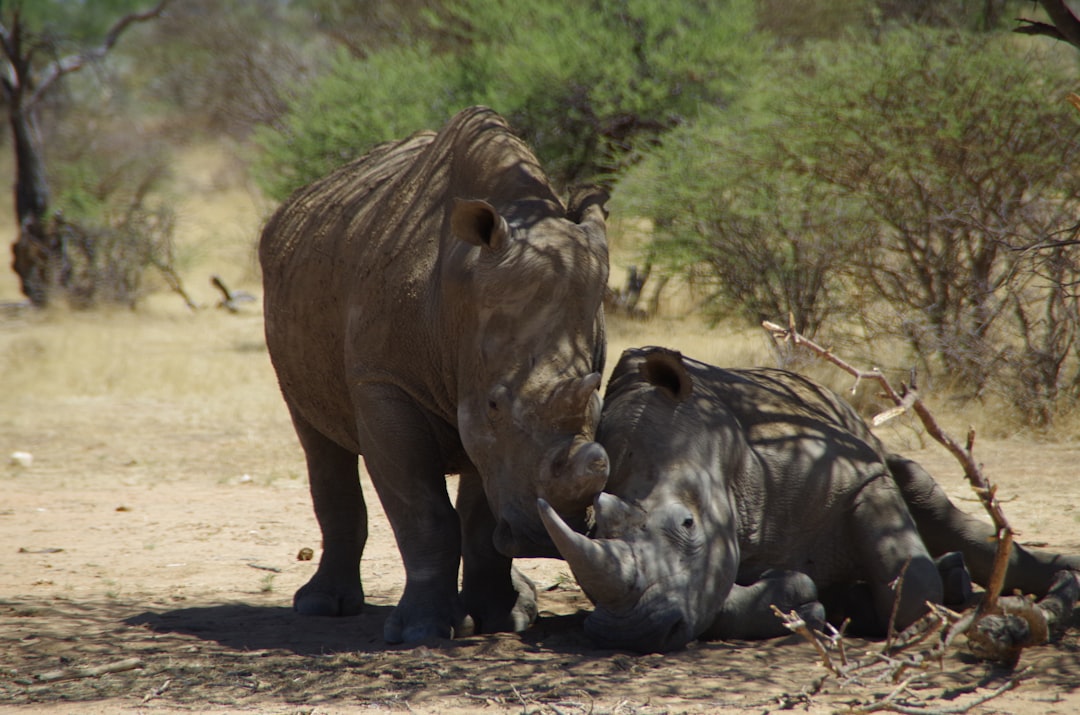
The African elephant would likely defeat both black and white rhinos in most confrontations, as elephants can reach over twice the weight of even the largest rhino species, and their tusks provide effective offensive weapons that rhinos lack. Rangers overwhelmingly favor elephants in theoretical matchups due to sheer mass advantage. If rhinos use their speed and horn effectively, elephants have a tough time preventing attacks.
The truth? Videos of confrontations show elephants trying to knock rhinos over and crush them, while rhinos defend with their horns, though the sheer size of elephants would probably overtake most rhinos. Yet if rhinos manage to penetrate an elephant’s underbelly with their horn, the elephant would struggle to recover from such a direct hit.
The Ranger’s Verdict: Respect for Both Titans
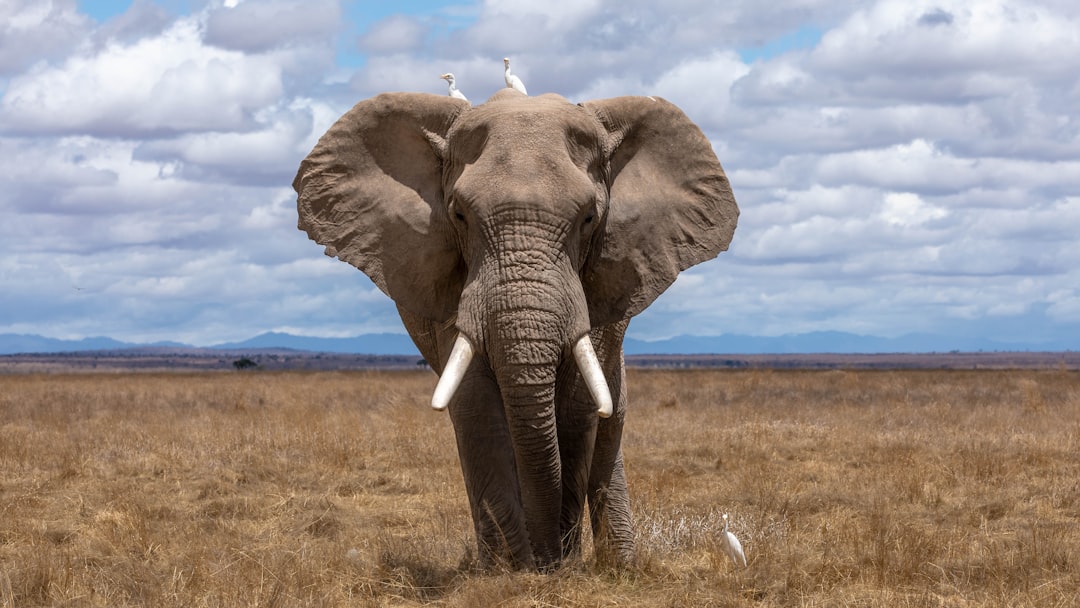
After decades of observations, rangers maintain deep respect for both species. Evidence strongly favors the African elephant as the victor in most head-to-head matchups due to massive size advantage and deadly tusks that can be used for both attack and defense. However, under certain circumstances like an elderly or weakened elephant facing a healthy adult rhino bull, the rhino could potentially win with a successful horn attack.
The reality is that both animals command ultimate respect in the wild. Rangers understand that these encounters rarely end in actual combat because both species recognize the devastating potential for mutual destruction. When giants face off, wisdom often trumps warfare.
Conclusion

The battle between elephants and rhinos represents more than just a clash of titans. Through rangers’ eyes, we see intelligence facing instinct, strategy meeting raw power, and social cooperation challenging solitary determination. While elephants hold the statistical advantage through size, intelligence, and weaponry, rhinos possess the speed and striking power to level any playing field.
These magnificent creatures remind us that nature’s greatest battles often end not in victory, but in mutual respect. What fascinates you more about these incredible giants? Tell us in the comments.

- 10 Ancient Ruins Hidden Deep Inside Dangerous Landscapes - August 12, 2026
- 15 Dog Breeds That Are Surprisingly Good with Cats (and 5 to Avoid) - August 12, 2026
- Why Some Dog Breeds Form Unbreakable Bonds with Their Human Families - August 12, 2026