
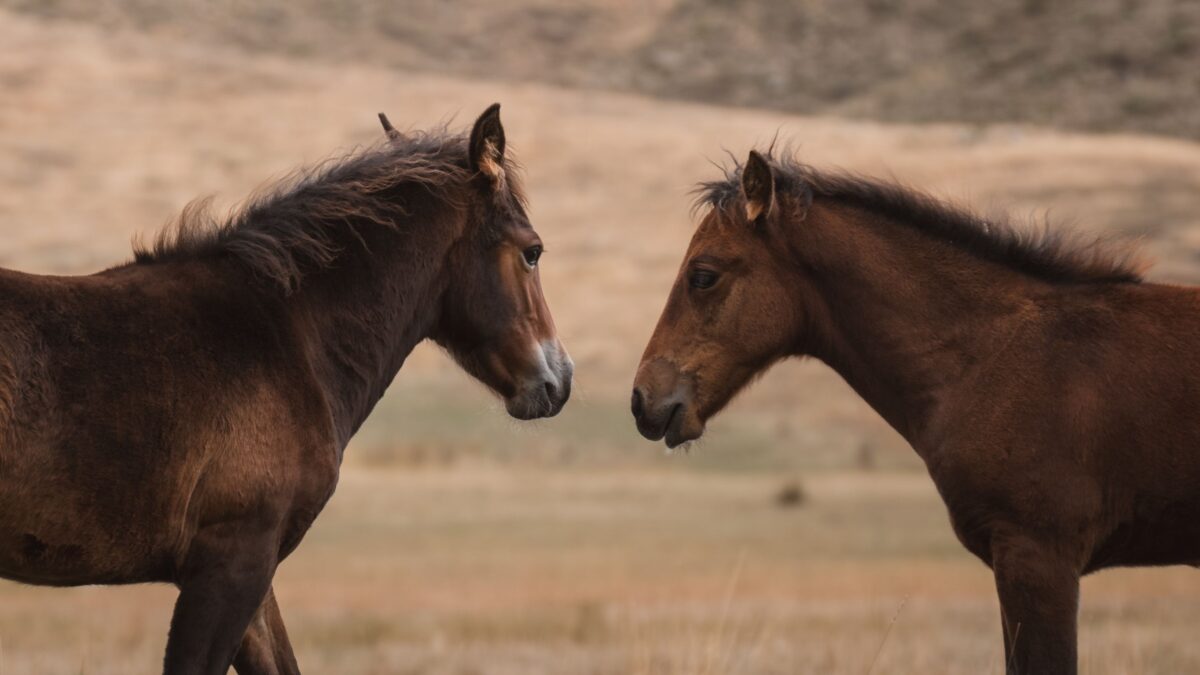
You’re grooming in the aisle, and your horse is staring hard at the far end of the arena. Yet one ear is angled back toward you, tilted like a tiny satellite dish. It’s an odd look, and it’s easy to wonder whether he’s ignoring you or secretly tuned in.
That split attention is common, and it’s more deliberate than it looks. Horses have a sensory setup that lets them keep tabs on several things at once, and the ears are one of the most visible parts of it. Once you know what to look for, you’ll start noticing it everywhere.
Ears That Work Like Separate Antennas
🔥 Would you like to save this?
We'll email this post to you, so you can come back to it later!
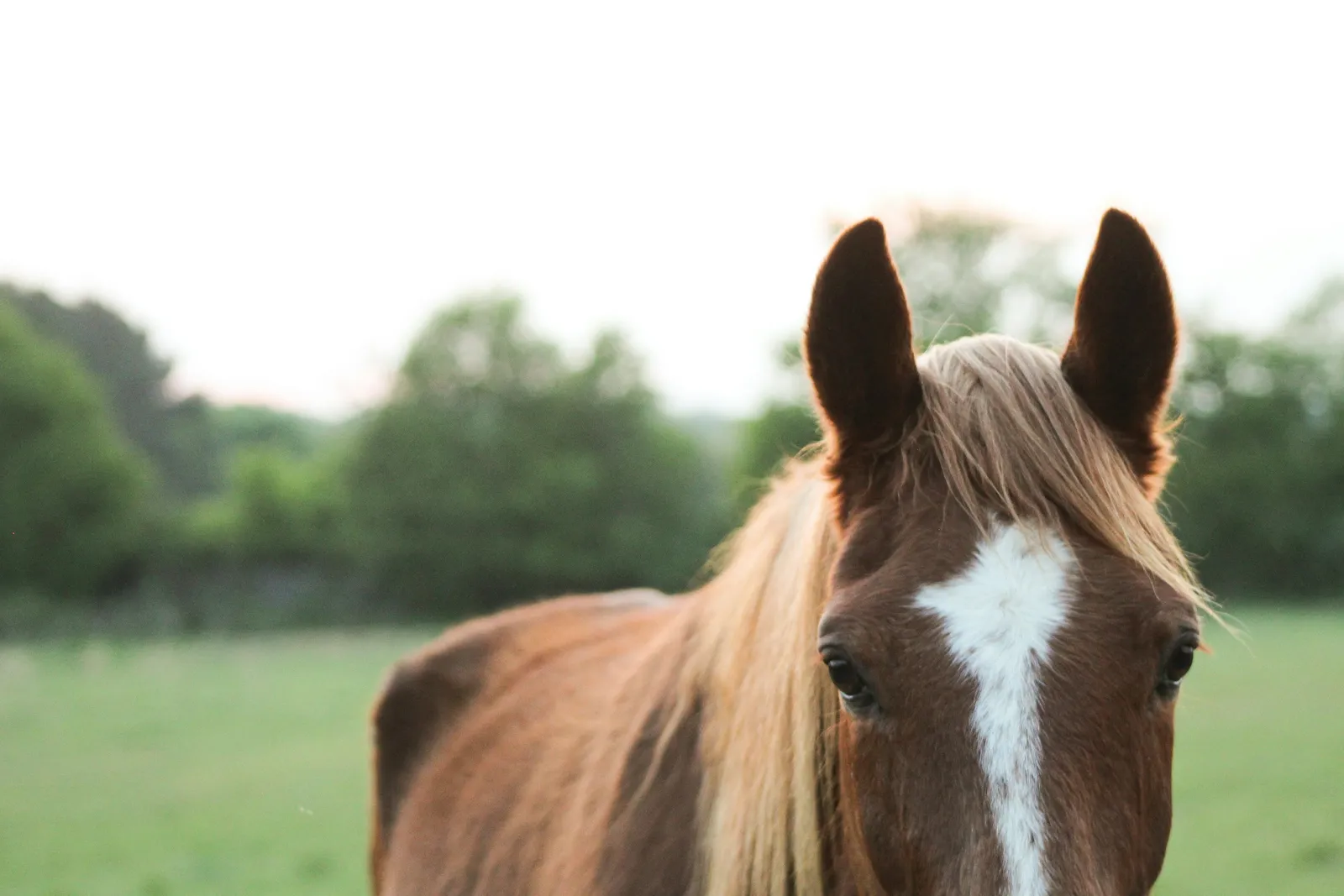
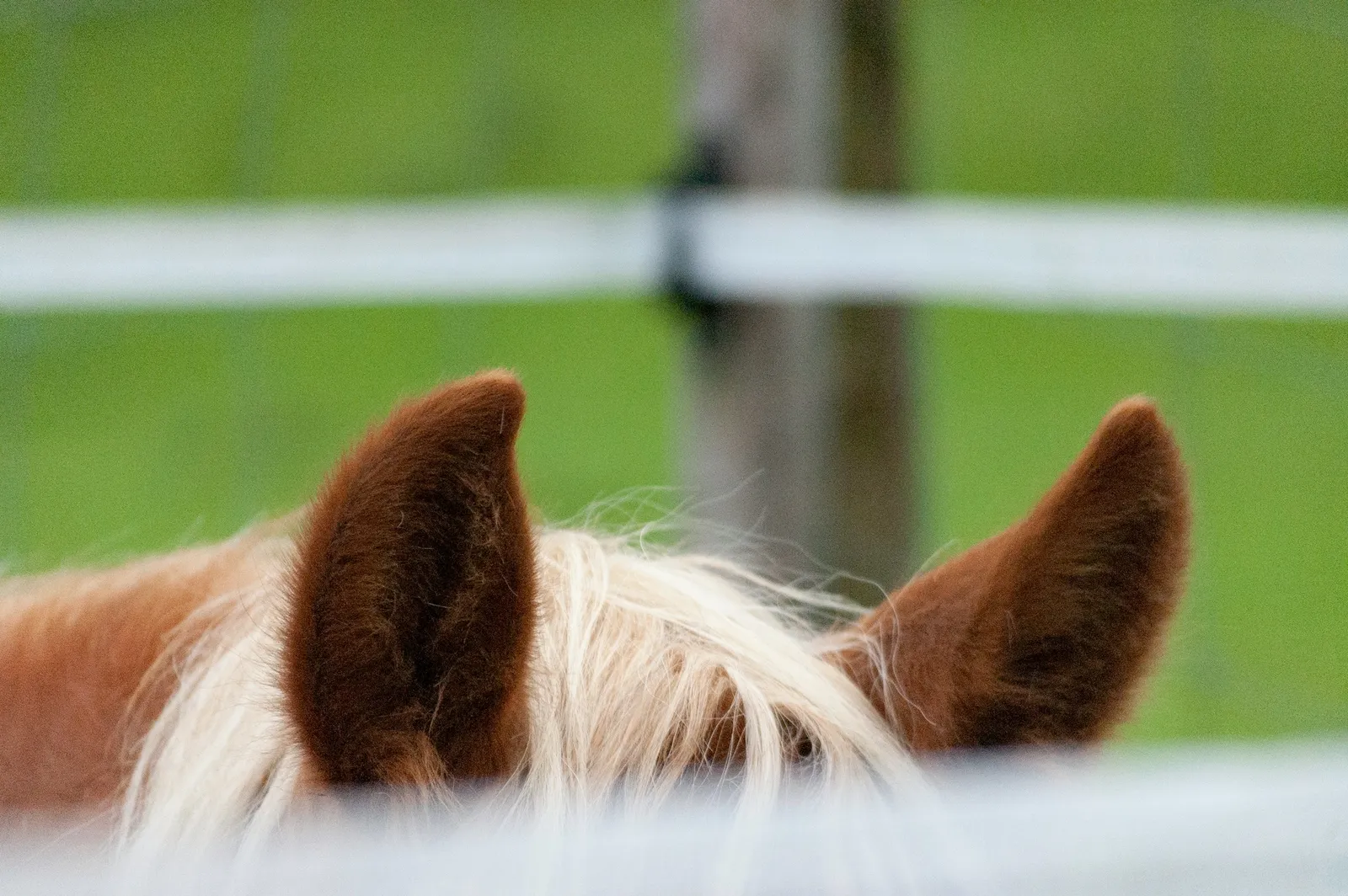
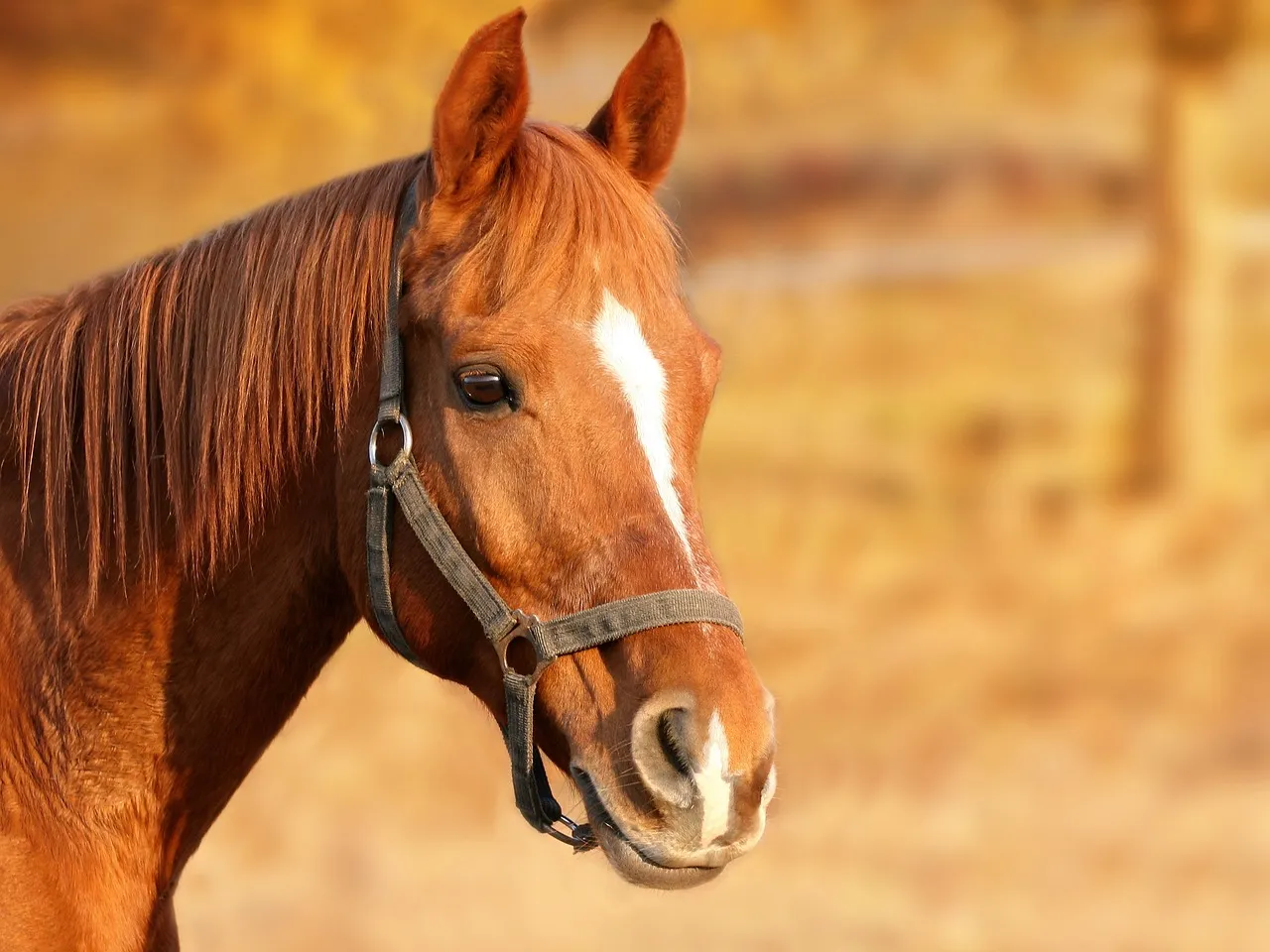
A horse’s ears are built for movement. Each one is controlled by a large set of muscles, and they can swivel through a very wide arc, close to a half circle. Better still, they can move independently, so the left ear can point one way while the right ear points somewhere else entirely.
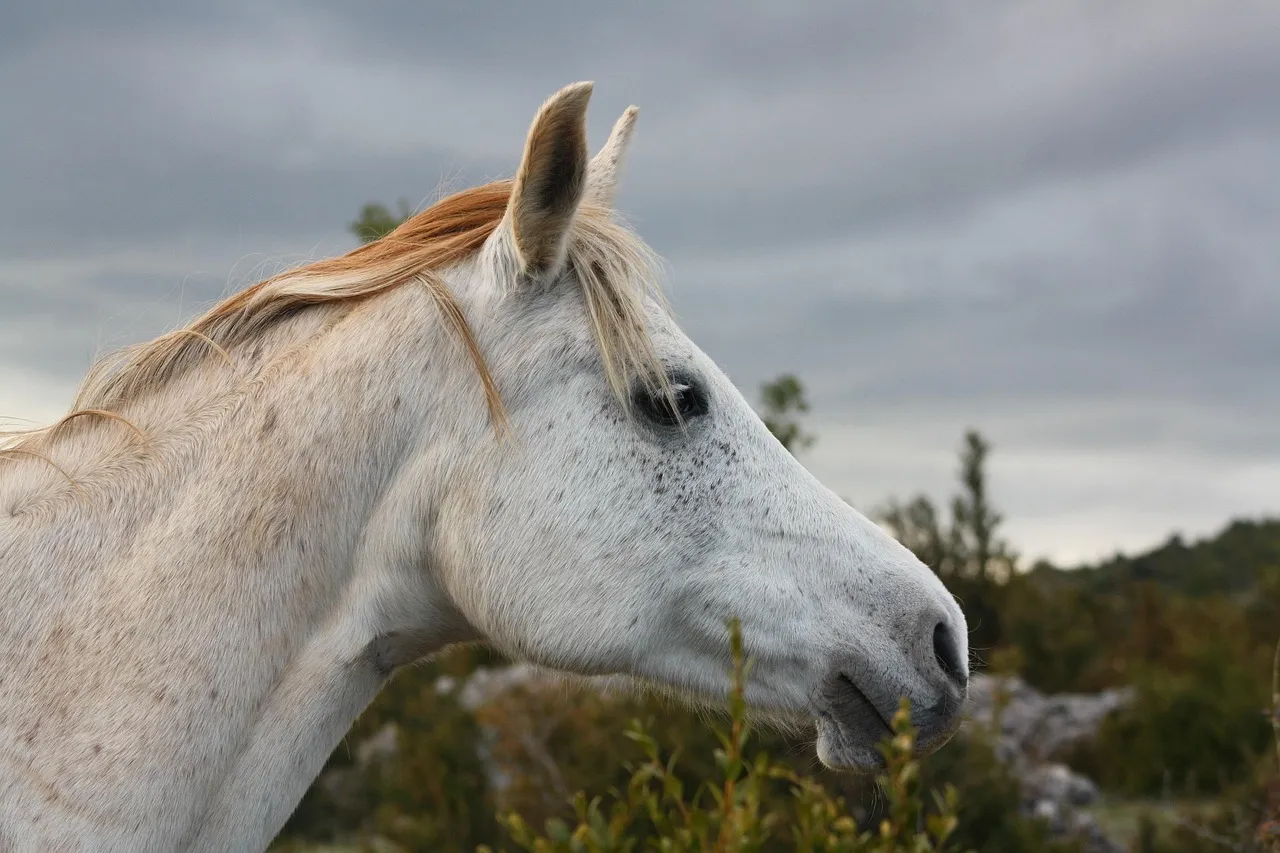
That independence is the foundation of the whole behavior. A person can’t aim a single ear at a sound without turning the head. A horse can leave his gaze where it is and quietly redirect his hearing to you, to a rustle in the hedge, or to a gate clanging two fields over.
Why a Prey Animal Needs to Multitask
🔥 Would you like to save this?
We'll email this post to you, so you can come back to it later!
Horses evolved as grazing animals in open country, where predators could appear from any direction. Survival depended on noticing small changes early. An animal that could only handle one input at a time would have been at a real disadvantage.
So the habit of splitting attention is old and deeply ingrained. Your horse isn’t being rude when he watches the trailer while listening to you. He’s doing what his ancestors did, scanning the environment while staying aware of the herd members nearby.
What the Eyes Are Doing While the Ear Listens
🔥 Would you like to save this?
We'll email this post to you, so you can come back to it later!
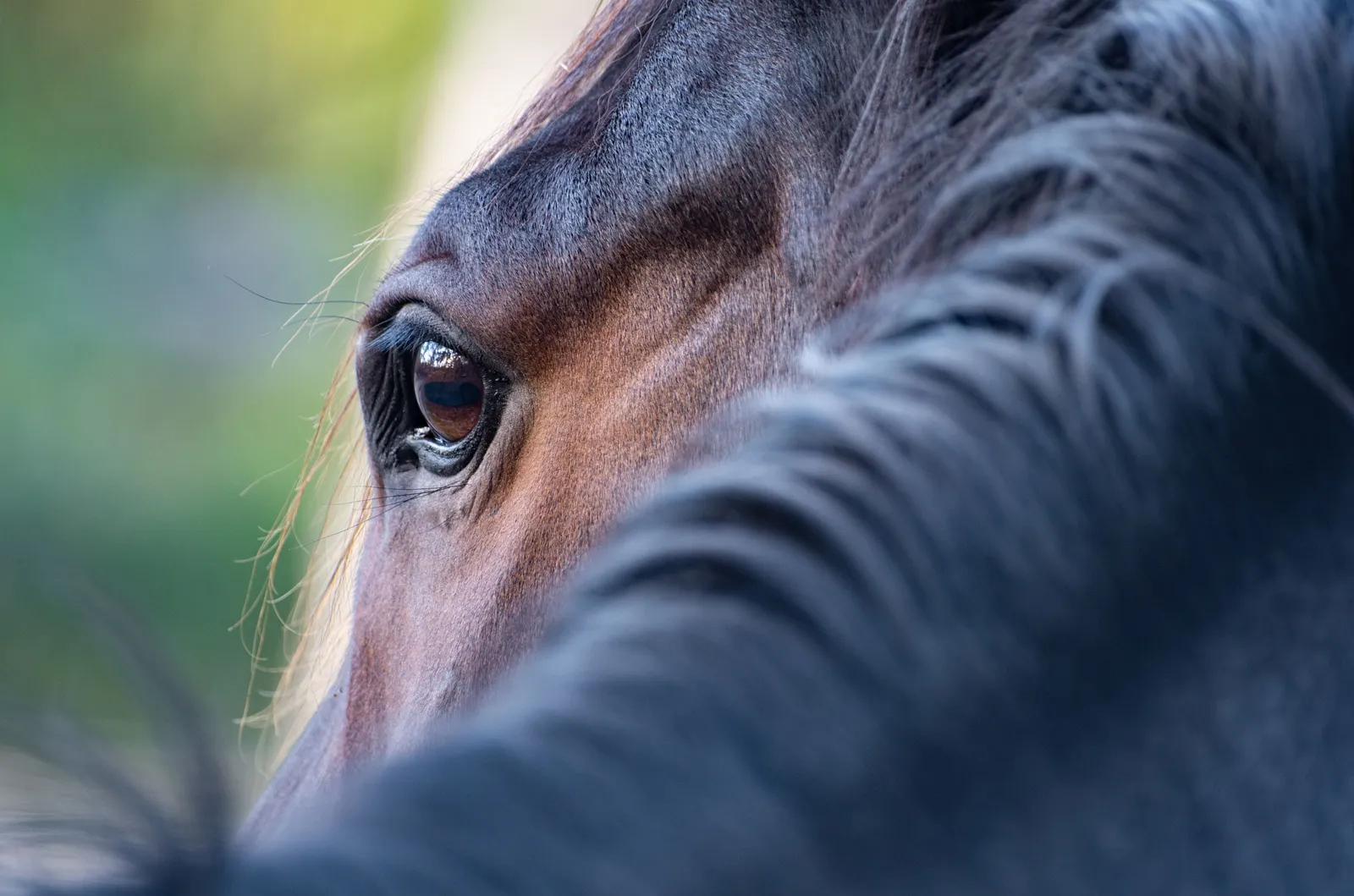
Horses have eyes set on the sides of the head, which gives them a very wide field of view, often described as roughly three hundred and fifty degrees. There are blind spots, mainly directly behind the body and right in front of the nose and lower face. That’s one reason a horse may swing an ear back when you approach from behind, since hearing helps cover what his eyes can’t.
The two senses complement each other. His eyes track the thing that looks interesting or threatening, and his ear stays on you as an audio check. Meanwhile his brain is comparing both streams, deciding whether anything needs a reaction.
What Research Tells Us About Ears and Attention
🔥 Would you like to save this?
We'll email this post to you, so you can come back to it later!
Researchers have looked at this directly. A well known 2014 study from the University of Sussex found that the direction of a horse’s ears and eyes works as a reliable signal of where its attention is aimed. In practical terms, other horses, and people who pay attention, can read where a horse is focusing just by watching those cues.
It’s worth keeping that finding in proportion. The research supports ears as attention indicators, but it doesn’t claim that every ear position carries a precise meaning. Think of it as a useful clue rather than a translation dictionary.
Reading the Whole Horse, Not Just One Ear
🔥 Would you like to save this?
We'll email this post to you, so you can come back to it later!
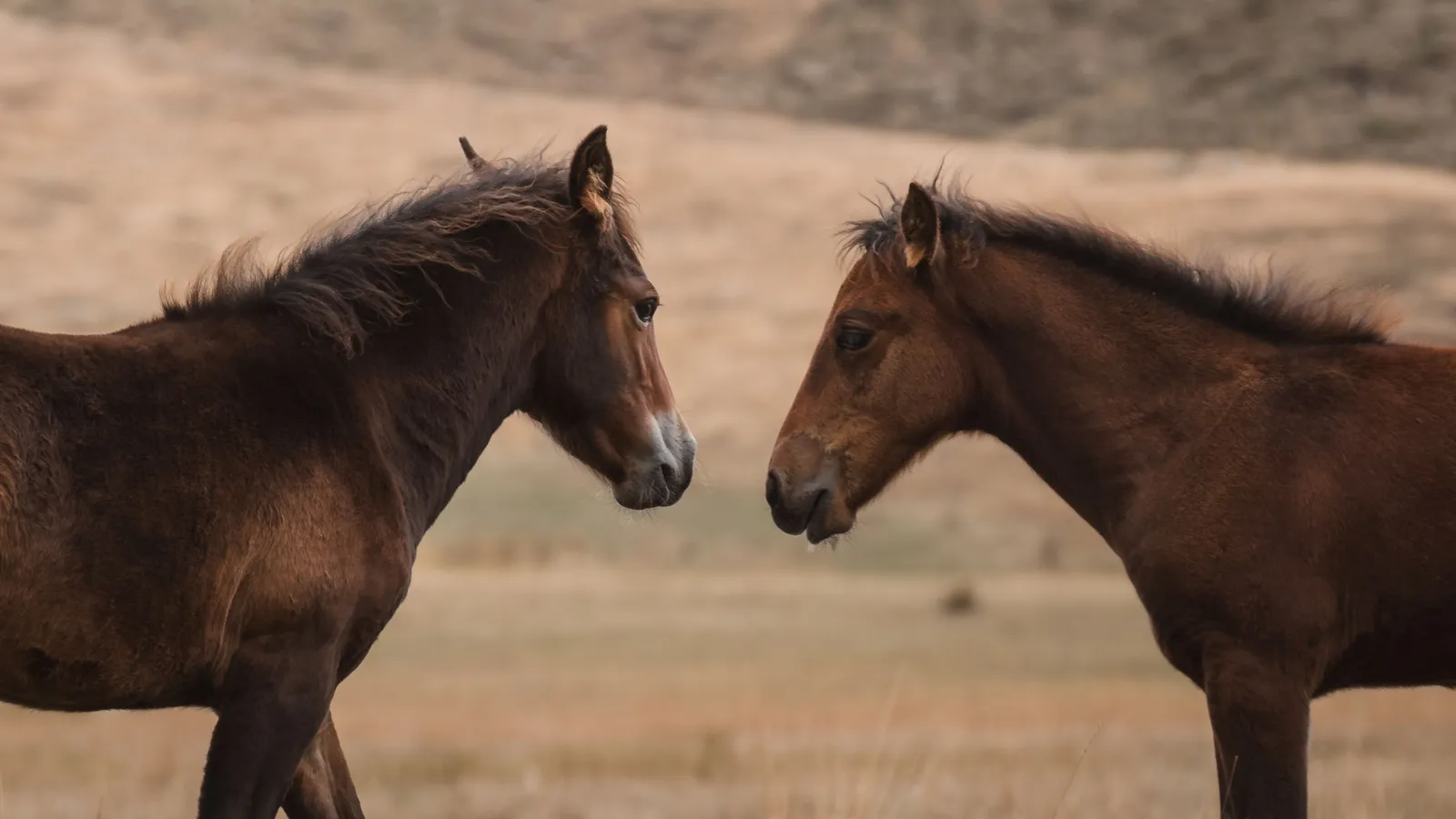
Context decides what a single turned ear really means. A relaxed ear angled toward you, with a soft eye, loose lips and a lowered neck, usually suggests a calm horse who is simply listening. Ears pinned flat against the neck, along with a tense face, are a different message, often signaling irritation or a warning.
Check the rest of the body before you decide anything. Is the tail swishing, is the head high, are the nostrils tight? A horse watching something with one ear on you may be perfectly relaxed, or he may be slightly worried and keeping you as an anchor, and the body language will usually tell you which.
Final Thoughts: Stop Taking It Personally
🔥 Would you like to save this?
We'll email this post to you, so you can come back to it later!
My view is simple. A horse who looks elsewhere with one ear tuned to you isn’t distracted in the way we usually mean it, and he certainly isn’t disrespecting you. He’s showing you that you’re part of what he considers important, even while the world competes for his attention.
I’d argue that’s something to appreciate rather than correct. Work with it by giving clear cues, letting him process what he’s watching, and rewarding the moment his attention comes back. Learn the ears, and you’ll find your horse has been talking to you all along.

- 7 Everyday Habits That Can Make Your Senior Dog Happier - November 5, 2026
- 10 Enigmatic Structures That Continue to Puzzle Scientists Today - November 5, 2026
- 10 Strange Ruins in the Americas That Challenge What We Know About Early History - November 5, 2026