

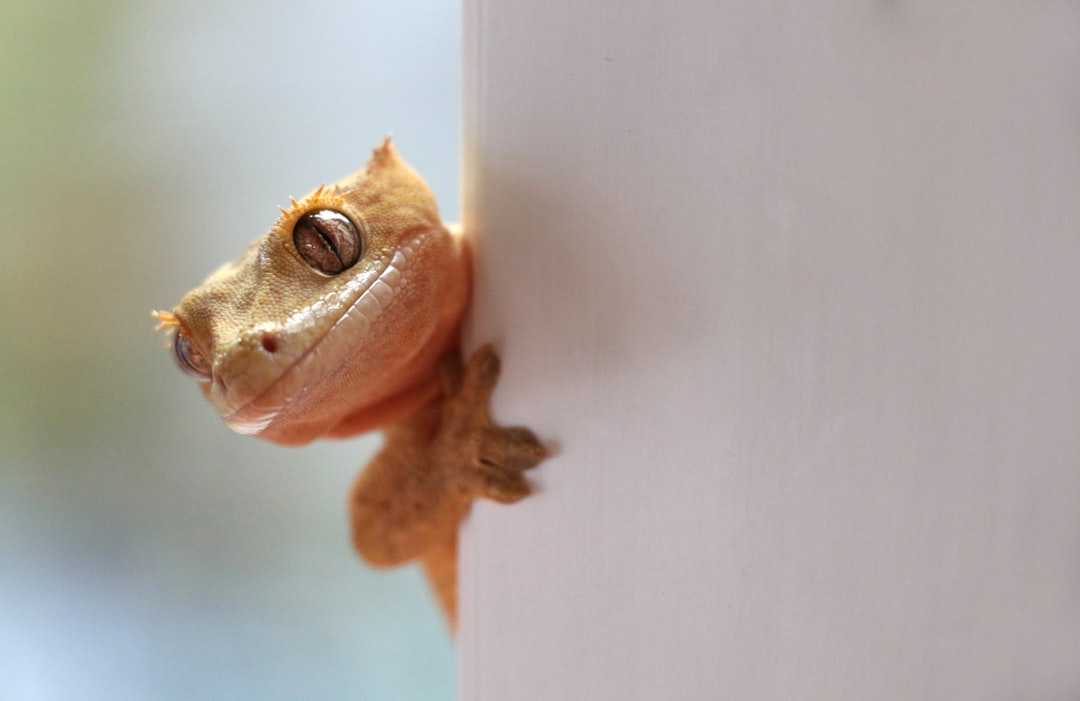

Understanding Crested Gecko Nutritional Needs (Image Credits: Unsplash)
Crested geckos, with their distinctive eyelash-like crests and vibrant hues, thrive when owners prioritize a balanced diet that mirrors their natural foraging habits.
Understanding Crested Gecko Nutritional Needs
These small reptiles, native to New Caledonia’s forests, consume an omnivorous mix of insects, fruits, and nectar in the wild, which supports their active lifestyles and striking colors.
Experts emphasize that captive geckos require similar variety to prevent deficiencies. A diet lacking in key nutrients can lead to issues like metabolic bone disease, characterized by weakened bones and deformities.
Owners often overlook how age influences needs; juveniles demand more protein for growth, while adults focus on maintenance.
Balancing macronutrients – proteins for muscle, fats for energy, and carbohydrates from fruits – ensures vitality.
Regular feeding schedules, typically every other day for adults, help maintain steady energy levels without overfeeding.
Selecting Top Commercial Diet Options
Modern reptile care has evolved beyond makeshift meals, with powdered complete diets now serving as the foundation for many crested gecko routines.
These formulas, designed by veterinary nutritionists, provide all essential vitamins and minerals when mixed with water to form a lickable paste.
Popular brands offer flavors like mango or pomegranate to encourage eating, and many geckos develop preferences for specific varieties.
Feeders should rotate options weekly to mimic natural diversity and stimulate appetite.
Preparation involves using distilled or dechlorinated water to avoid contaminants, ensuring the mixture remains fresh for up to a day.
Integrating Insects for Protein Boost
Insects form a crucial part of the diet, supplying the protein that powdered foods alone might not fully deliver.
Owners report that offering live prey two to three times weekly enhances hunting instincts and overall engagement.
Recommended choices include:
- Crickets, which provide hydration and are easy to gut-load with vegetables.
- Mealworms, valued for their fat content but best in moderation to avoid obesity.
- Dubia roaches, a nutritious, low-odor alternative that moves less aggressively.
- Small silkworms or dubia nymphs for variety and calcium richness.
Gut-loading insects 24 hours before feeding maximizes nutritional transfer.
Portion sizes should match the gecko’s head width to prevent choking or impaction.
Essential Supplements and Hydration Practices
While complete diets cover basics, supplements address gaps, particularly calcium to combat bone issues prevalent in low-UV setups.
Dusting insects lightly with calcium powder before offering ensures absorption, but overuse can cause imbalances.
Vitamin D3, often included in diets, aids calcium uptake; however, some enclosures benefit from low-level UVB lighting for natural synthesis.
Hydration remains simple yet vital – mist enclosures daily to allow drinking from leaves, and provide a shallow dish for soaking.
Dehydration signs, like lethargy or stuck sheds, signal the need for increased misting frequency.
Avoiding Pitfalls in Crested Gecko Feeding
Early keepers sometimes relied on inappropriate foods like baby food or yogurt, which lacked balanced nutrients and risked digestive upset.
Over-reliance on fruits alone deprives geckos of protein, leading to weight loss or faded coloration.
Monitoring intake prevents obesity in sedentary adults; uneaten food should be removed promptly to deter mold.
Seasonal adjustments, such as more moisture during shedding, support skin health without complicating the core diet.
Veterinary consultations help tailor plans for breeding females or recovering animals.
As crested gecko ownership grows, committing to informed nutrition unlocks years of companionship and those eye-catching displays of health.
Key Takeaways
- Base meals on complete powdered diets mixed with water for comprehensive nutrition.
- Incorporate dusted insects weekly to fulfill protein requirements and encourage natural behaviors.
- Supplement judiciously with calcium and maintain humidity to prevent common health setbacks.
What feeding strategies have worked best for your gecko? Share in the comments below.

- Urban Coyotes Show Remarkable Adaptability, Learning to Thrive in City Environments - July 22, 2026
- Beavers Are Nature’s Engineers, Creating Vital Habitats for Other Wildlife Species - July 21, 2026
- The Recovery of the California Condor Offers Hope for Other Critically Endangered Birds - July 21, 2026