
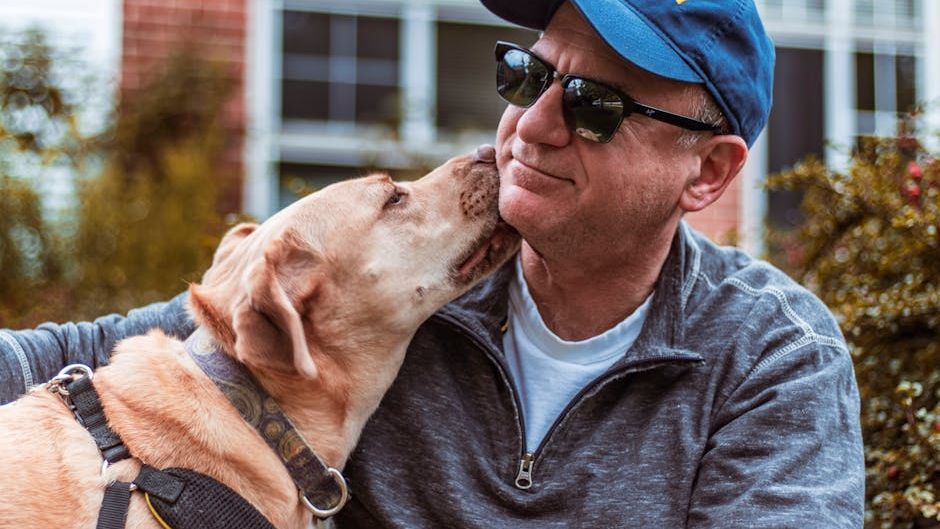
There is something quietly heartbreaking about watching your dog age. The dog who once bolted for the door at the mere rattle of a leash now takes a moment to get up. The eyes that once sparkled with mischief seem a little cloudier. It happens slowly, like a tide pulling back, and most owners don’t realize how much has changed until they look at an old photo and feel a sudden pang in their chest.
Here’s the thing – many of the most serious health issues in senior dogs are entirely manageable when caught early. The difference between a dog who spends their final years in comfort versus constant distress often comes down to one thing: how observant their owner is. It’s easy to notice the gray whiskers or slower pace on morning walks, but not every change in a senior dog is so obvious. Aging brings new health needs, and while many conditions can be managed, early recognition is key. Subtle shifts in behavior, appetite, or mobility are often the first signs of underlying disease. So if you love your dog and want to protect every tail-wagging moment you have left together, let’s dive in.
When Stiff Mornings Are More Than Just “Old Age”: Joint Pain and Mobility Changes
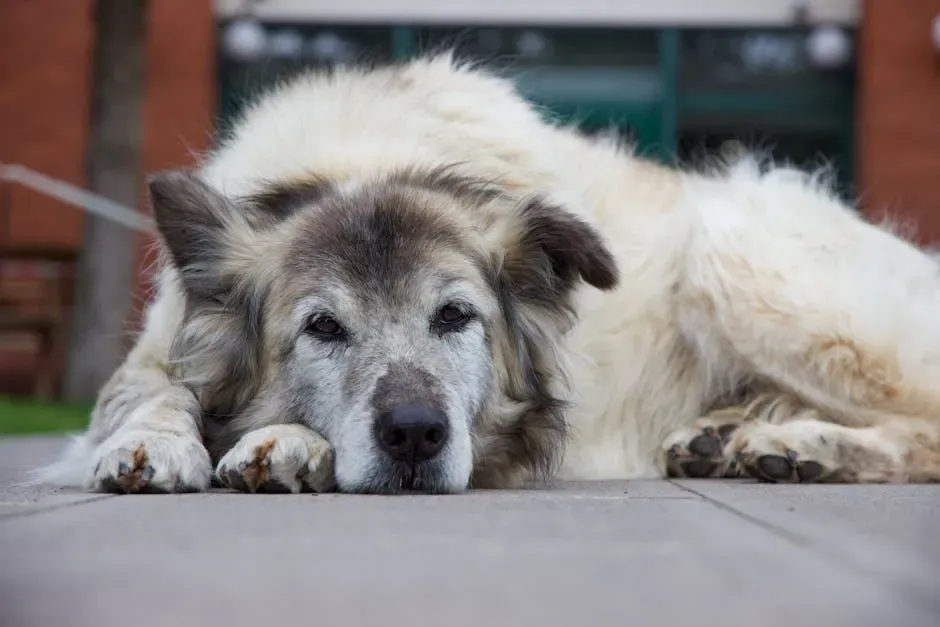
Most people assume a dog slowing down is simply getting old. That’s partly true. Honestly though, in many cases, the real culprit is pain. Think of it like this – if you woke up every morning with aching knees and a stiff lower back, you wouldn’t exactly sprint to the kitchen either.
One of the most common issues in aging dogs is arthritis. This degenerative joint condition can lead to chronic pain, stiffness, and difficulty with movement. If your dog hesitates to climb stairs, struggles to stand after lying down, or avoids long walks, arthritis might be the culprit. It’s not dramatic. It’s quiet suffering, and dogs are experts at hiding it.
Osteoarthritis is a degenerative joint disease that causes pain and decreased mobility in senior dogs. It’s caused by the deterioration of cartilage in your dog’s joints, which is unfortunately common after years of activity and adventure. The signs of OA can be treated and managed, so your dog can continue living a comfortable, productive life.
An older dog may have trouble with stairs, jumping into the car, or just getting up after a nap. You might notice weakness in their back legs. These are not signs to brush off. Look for orthopedic beds, consider low-impact exercise like swimming, and talk to your vet about supplements or anti-inflammatory medications. Small changes at home can make a genuinely transformative difference to your dog’s daily experience.
The Silent Threat Inside: Kidney, Heart, and Organ Decline
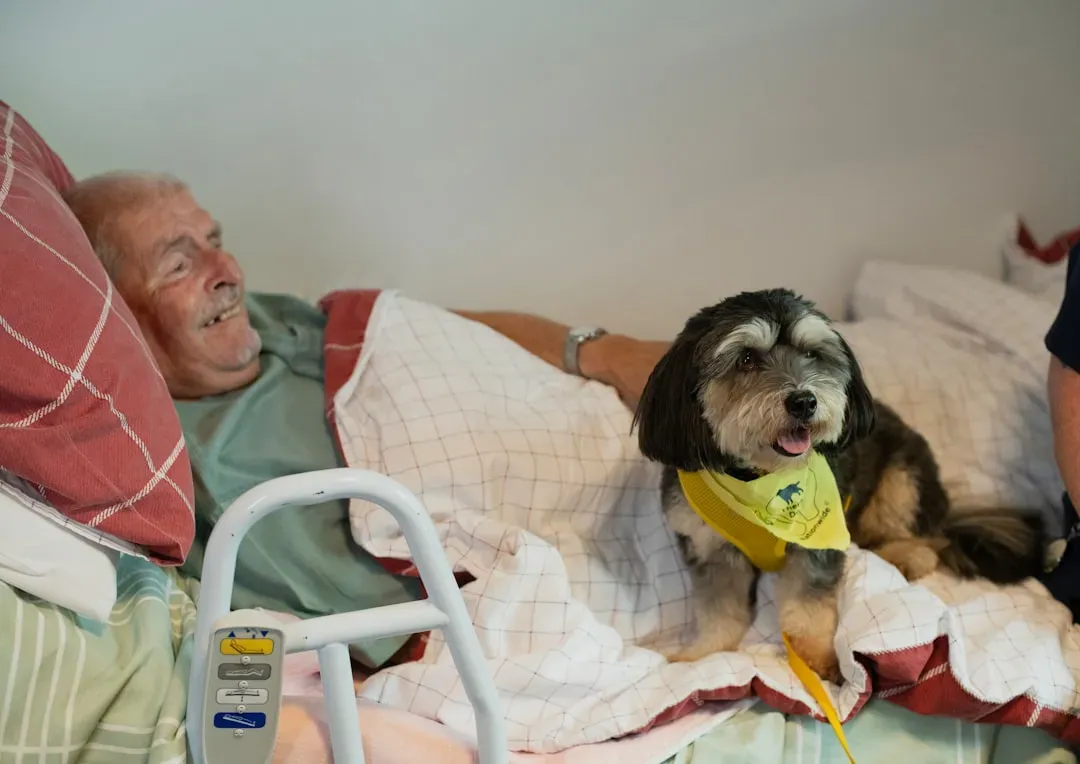
This is the one that sneaks up on owners the most. Organ disease in dogs is devastatingly quiet in its early stages. By the time you notice something is off, the condition has often progressed significantly. It’s a little like ignoring a slow leak in a pipe until the ceiling collapses.
Kidney and liver functions often weaken with age, and symptoms may not appear until the disease has progressed. Keep an eye out for signs like increased thirst, weight loss, vomiting, or any changes in urination. Regular bloodwork and urinalysis can catch early signs.
Coughing, fatigue, and reduced stamina may be signs of early heart problems that deserve attention. Heart disease is particularly common in older small breeds, but no dog is immune. With age, organs such as the heart, kidneys, and liver may not function as efficiently. This is why routine testing matters far more in a senior dog than at any other life stage.
Preventive testing for senior pets can uncover hidden conditions long before symptoms appear, giving you a head start on treatment. I think that one deserves repeating. Hidden. Before symptoms appear. Aim for twice-yearly vet visits to catch issues early and keep your dog as comfortable as possible. That’s not overly cautious – that’s just smart love.
The Mind Behind the Eyes: Cognitive Decline and Canine Dementia
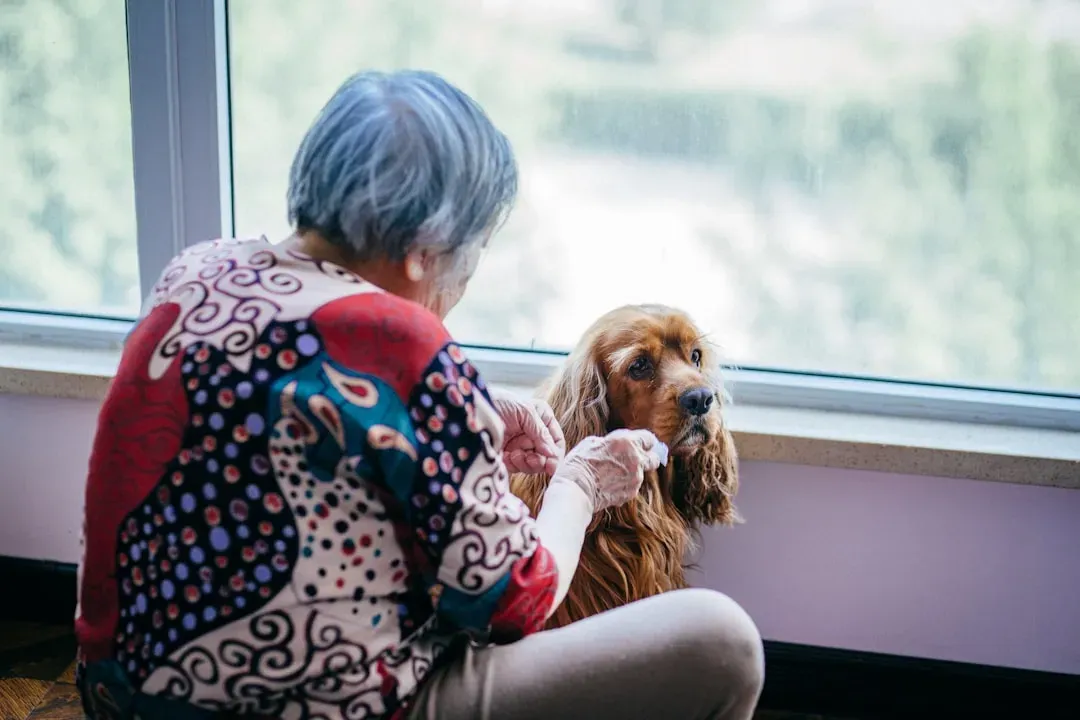
This is perhaps the most emotionally difficult sign to recognize. Your dog stares at a wall. They seem lost in a room they’ve lived in for a decade. They bark at nothing. They forget that they just came inside and ask to go out again five minutes later. Sound familiar?
Cognitive Dysfunction Syndrome (CDS) is often compared to dementia in humans. You may notice disorientation, changes in sleep, or loss of house training. It’s genuinely heartbreaking, and many owners initially mistake it for simple stubbornness or mood changes.
Senior dogs can also suffer from cognitive decline or senility, known as canine cognitive dysfunction (CCD), similar to Alzheimer’s. Often symptoms are first noticed as confusion, agitation, restlessness, and vocalization during the evening hours, known as “Sundowners Syndrome.” CCD is often referred to as “Sundowners Syndrome” in the early stages, as owners start to notice behavioral changes as the evening approaches.
Dogs with these signs may get stuck in corners and not intuitively know how to back out or go around things. They may not recognize familiar people or animals. Often, they seem lost. While there is not currently a cure for any form of cognitive dysfunction, some cases may benefit from medications or supplements. Early detection genuinely matters here – the sooner you act, the more quality time you can protect.
What Your Dog’s Mouth Is Trying to Tell You: Dental Disease in Senior Dogs
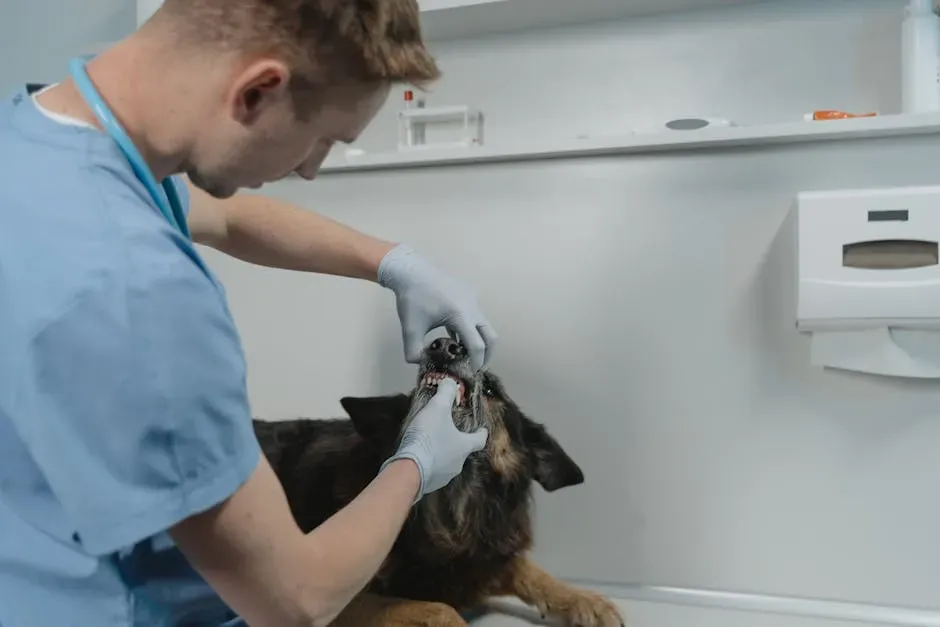
Let’s be real – most dog owners don’t spend nearly enough time thinking about their pet’s teeth. It feels like a minor concern compared to something like heart disease or cancer. The truth is, dental disease in older dogs is far more dangerous than most people realize, and it’s shockingly common.
Periodontal disease affects the vast majority of dogs over the age of 3, and nearly all senior dogs. It not only causes mouth pain and can affect your dog’s eating, but can also lead to more serious issues such as gum infections, bone loss, and may even affect your dog’s organs if plaque and bacteria get into the bloodstream.
Bad breath and visible tartar aren’t just cosmetic concerns. Dental disease can lead to pain, infection, and even affect the heart and kidneys. Think about that for a moment – something as seemingly simple as neglected teeth can compromise your dog’s internal organs. It’s the kind of connection that genuinely surprises people when they first learn it.
Dental issues are common in older dogs and can cause pain, bad breath, and difficulty eating. Regular dental care, including brushing your dog’s teeth and dental cleanings under anesthesia, are important for keeping your dog comfortable and healthy, even as a senior. If you haven’t checked inside your dog’s mouth lately, today is a good day to start.
Eyes, Ears, and the Body Map: Sensory Loss and What to Watch For
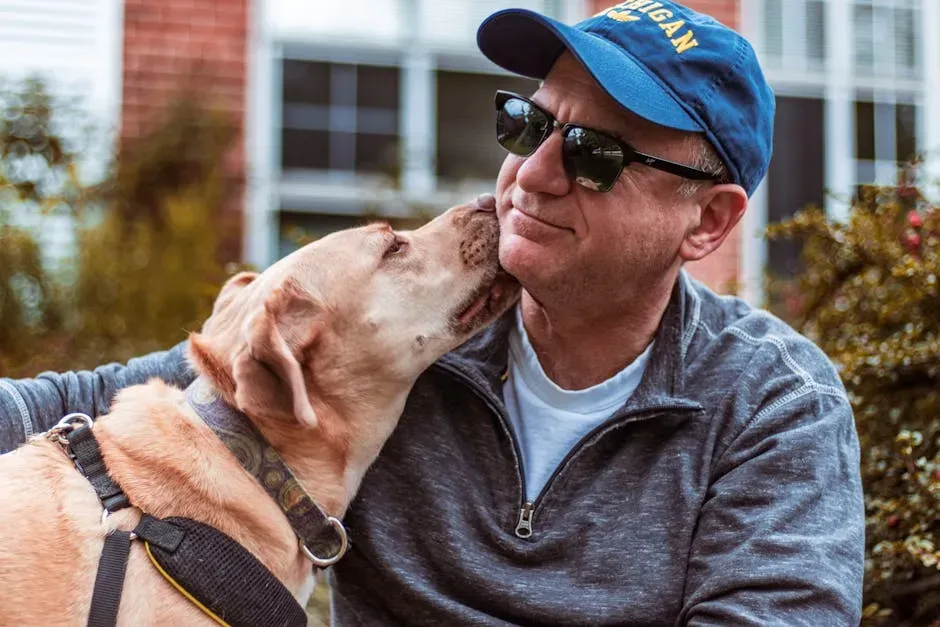
There’s something profoundly moving about watching a dog adapt. They lose their sharp hearing and start watching your face more intently. They lose a bit of vision and press closer to your leg on walks. Dogs are resilient in ways that honestly humble me. Still, recognizing sensory decline early allows you to protect your dog from unnecessary confusion and danger.
Hearing loss is common in senior dogs. You might notice your dog not responding to commands or sounds. Some dogs become startled easily when approached. Others may bark more because they can’t hear themselves. Many older dogs will experience hearing loss as the nerves in their ears degenerate, leading to a gradual loss of hearing. Unfortunately, there is nothing that can be done to treat this kind of hearing loss in senior dogs. Thankfully, the loss comes slowly, which gives both you and the dog time to adapt to the change.
Vision loss affects many older dogs too. Cataracts and other eye problems can develop. Dogs with poor vision might bump into things or seem hesitant in new places. They may have trouble finding toys or food bowls.
It’s important to support and comfort a senior dog experiencing vision or hearing loss by keeping the surroundings consistent, such as avoiding rearranging furniture and keeping food and bowls in the same place. If possible, use touch cues to replace verbal commands, and stomp lightly on the floor or tap the bed before touching your dog to avoid startling them. Use night lights and avoid clutter on the floors to keep pathways safe. These are small adjustments. But to a dog losing their senses, they are everything.
Conclusion: The Gift of Paying Attention
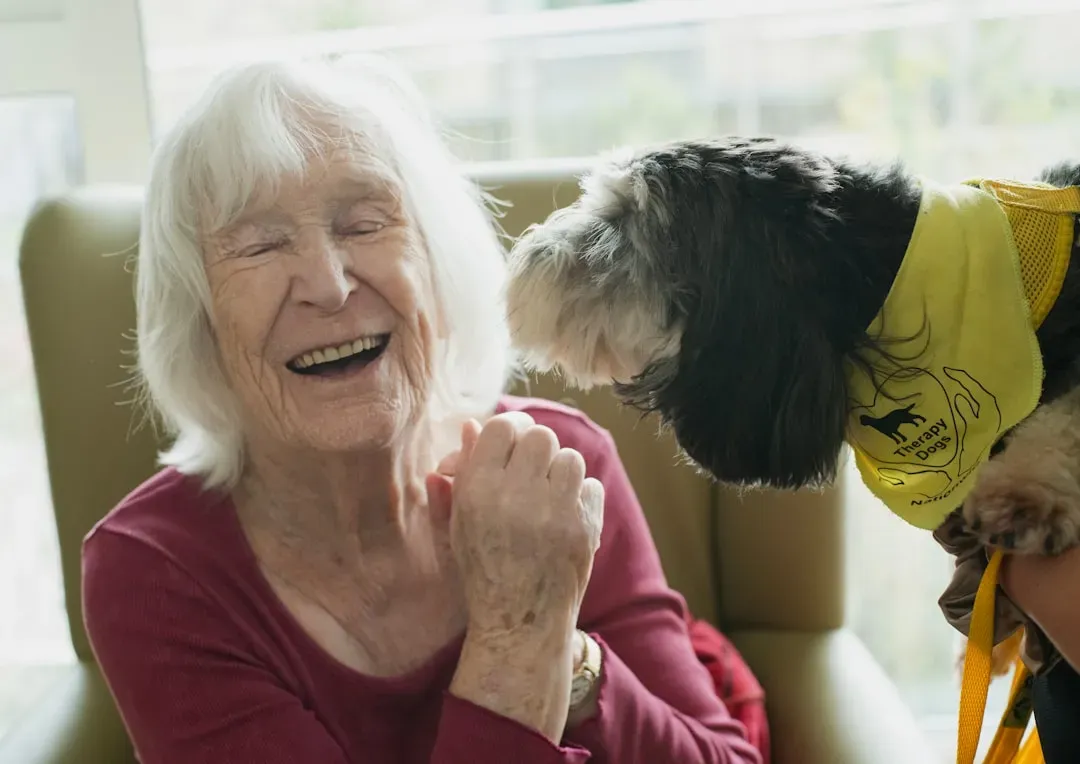
Your senior dog cannot tell you when something hurts. They can’t explain that their joints ache when it rains, or that their memory has started slipping, or that the food bowl just doesn’t smell as good anymore. What they can do is show you – through subtle changes in behavior, posture, appetite, and energy – that something has shifted.
Early intervention can make a big difference in your dog’s quality of life. That sentence is worth printing out and sticking somewhere you’ll see every day. With the right care and a proactive approach, your dog’s senior years can be full of life, comfort, and companionship. It’s not about preventing aging. That’s impossible. It’s about making every remaining moment as good as it can be.
The gray muzzle and slower gait are not signs of a dog giving up. They’re signs of a dog who has lived well and still has so much left to give – if you know how to look. Your job is simply to pay attention. What changes have you noticed in your senior dog lately? Share your experience in the comments – your story might be exactly what another dog owner needs to hear.

- Has Your Rescue Dog Finally Chosen You? 14 Signs It Sees You as Home. - July 22, 2026
- 8 of the World’s Rarest Raptors and Where You Might See Them - July 22, 2026
- The Rarest Bird in North America – Can It Still Be Saved? - July 22, 2026