
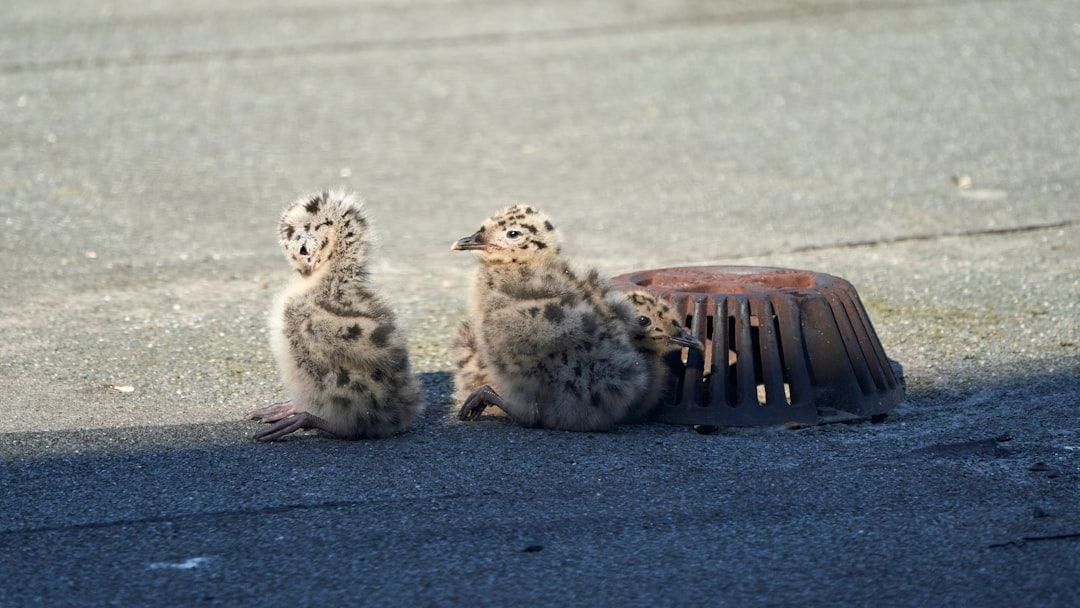
Most people go about their day without a second thought. They drive to work. They leave the lights on. They toss a plastic coffee cup into the nearest bin. Small acts, right? Completely harmless, surely. The uncomfortable truth, however, is that even the most mundane parts of modern life are quietly and profoundly rearranging the natural world around us.
From the food we eat to the glow of our phones at 2 a.m., human daily routines leave an ecological fingerprint far larger than most of us are willing to admit. Animals feel the consequences of choices made thousands of miles away. Ecosystems bend, crack, and shift in response to behaviors that feel entirely ordinary. This is the hidden story of the modern world, and it is far more dramatic than it sounds. Let’s dive in.
The Land Beneath Our Feet Is Disappearing Faster Than We Think
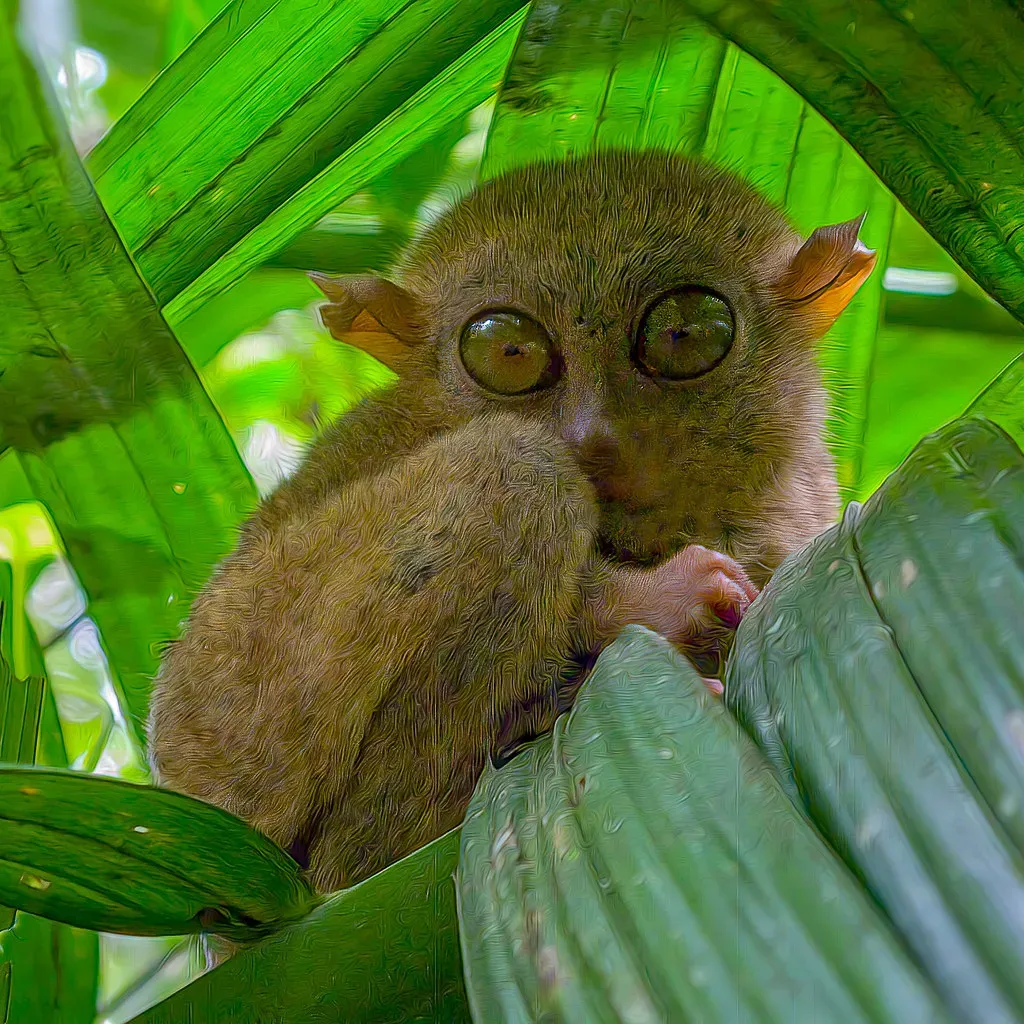
Here is a number that genuinely stops me in my tracks. The main direct cause of biodiversity loss worldwide is land use change, primarily driven by large-scale food production, which accounts for an estimated roughly a third of biodiversity decline globally. That is not some distant industrial catastrophe. That is breakfast. That is dinner.
The biggest threat to biodiversity so far has been the way humans have reshaped natural habitats to make way for farmland, or to obtain natural resources, and as climate change worsens, it will have a growing impact on ecosystems. Think of it like a massive game of musical chairs, only the chairs are disappearing and the animals have nowhere left to sit.
Whether humans are cutting trees, diverting water, searching for oil, or clearing land to build new homes, we are often destroying someone else’s home. Habitat loss takes three main forms: degradation, where an ecosystem becomes hostile to native species; fragmentation, where we break habitats into smaller pieces; and destruction. Fragmentation reduces available space and resources, restricts species movement, and creates new hazards.
A critical threat to many wild species is habitat fragmentation, not simply the loss of habitat area but the loss of continuous areas where animals can roam. The ability to roam, especially for large mammals such as elephants and tigers, is crucial for natural behaviors including foraging, hunting, and mating. Imagine trying to find food, a mate, and shelter while boxed in on all sides. That is the daily reality for more species than most of us would care to count.
Urban Growth Is Rewiring Animal Behavior in Real Time
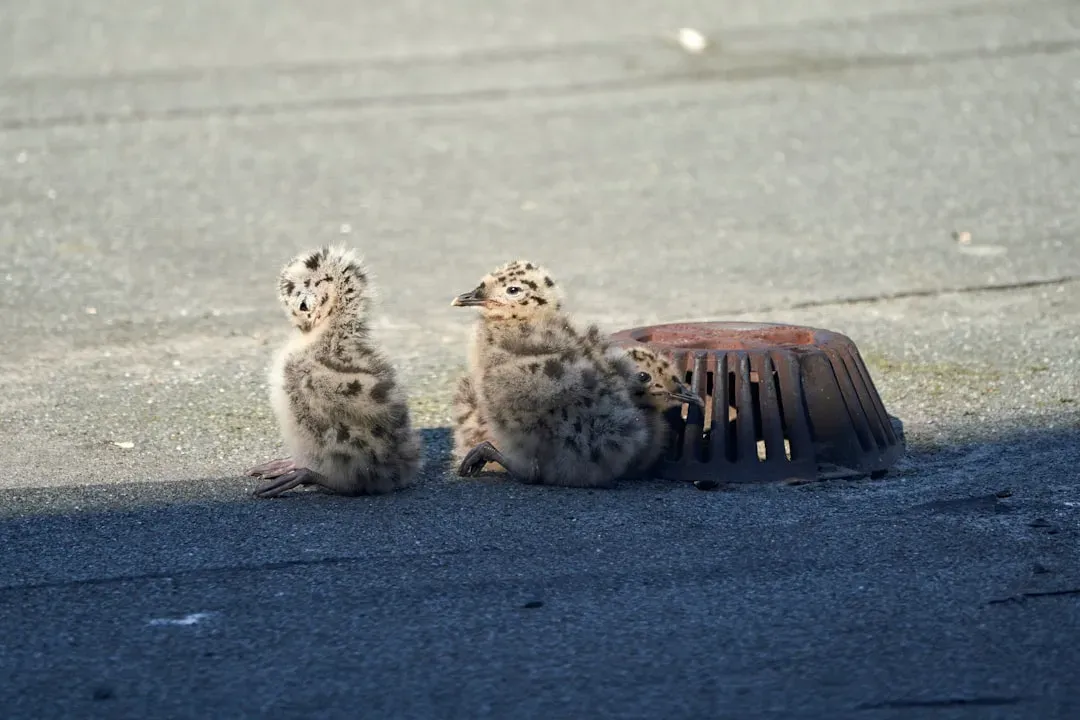
Let’s be real. Cities feel like the domain of humans. But they are not. Foxes, raccoons, crows, coyotes, and dozens of other species are quietly adapting their behavior to navigate streets, parks, garbage cans, and construction sites. The urban environment is not a biological wasteland. It is a laboratory for fast-tracked evolution.
Even small human settlements in rural areas can exert an ecological impact on a much larger area. The effect of rural homes on native species’ population dynamics can be felt tens to hundreds of kilometres away. That is a striking idea. A small suburb does not just affect the land it sits on. Its ripple effects stretch deep into surrounding wild territories.
In general, more dense urban environments tend to reduce overall diversity among smaller animals and plants, although those that do adapt, such as foxes and pigeons, can proliferate greatly. Suburbia, however, is a different story, combining open areas of parkland and woodland with the trappings of urbanization, adding to overall diversity.
Rapid evolution is becoming quite common, even though Darwin did not think it would be. It is usually caused by things like the invasion of new habitats, changes in natural competitors, and human activity, including accidentally or purposefully introducing organisms to new locations and modifying or fragmenting their habitats. We are, in a very real sense, pushing species to evolve on a timeline that nature never intended.
The Lights We Leave On Are Disrupting the Animal Kingdom
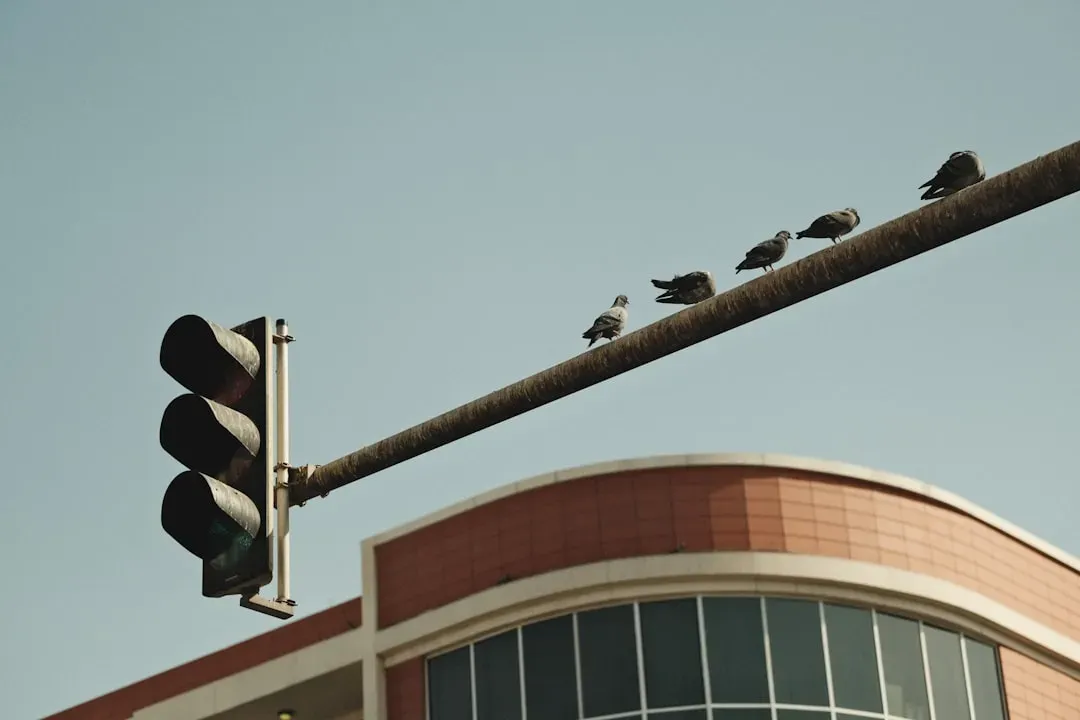
Honestly, this is the one that surprises most people the most. Leaving the porch light on seems harmless. Driving at night is just practical. Yet the collective glow of human civilization is quietly dismantling the natural rhythms that billions of years of evolution built into every living creature on earth.
For billions of years, all life has relied on Earth’s predictable rhythm of day and night. It is encoded in the DNA of all plants and animals. Humans have radically disrupted this cycle by lighting up the night. There is something almost poetic and deeply troubling about that.
Birds that migrate or hunt at night navigate by moonlight and starlight. Artificial light can cause them to wander off course and toward the dangerous nighttime landscapes of cities. Every year, millions of birds die colliding with needlessly illuminated buildings and towers.
Altered seasonal cycles of light because of light pollution can change the timing of activities such as migration, molt, hibernation, and the onset or termination of reproduction, and such changes can have knock-on effects on species interactions. Think about what that means for the food chain. A predator that emerges at the wrong time. A prey species that breeds too early. The entire web begins to misfire. Both light pollution and traffic noise can mimic natural stimuli. For example, artificial lights cover the glow of the moon, preventing birds or insects from detecting it, and traffic noise can mask the audio spectral frequency of bird song.
The Plastic We Throw Away Never Really Goes Away
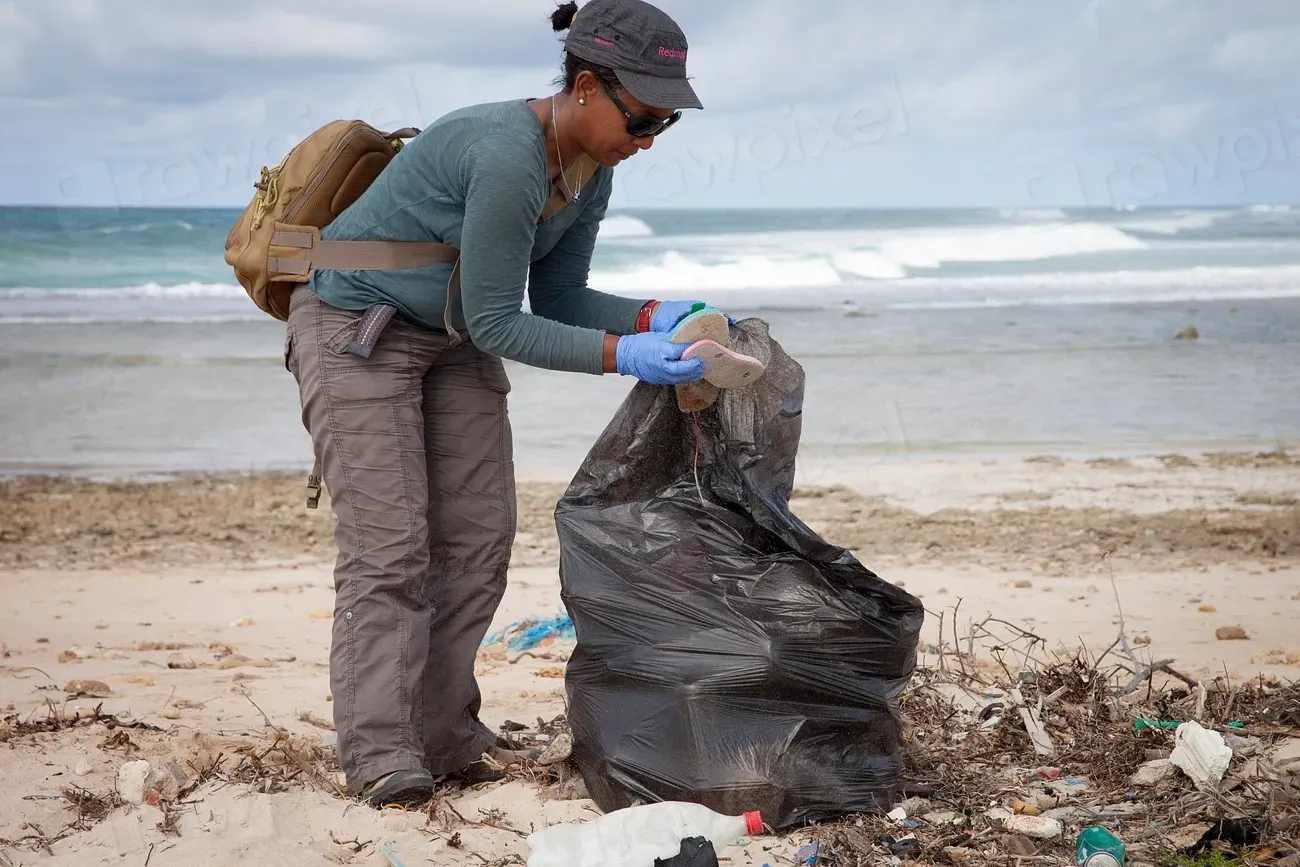
This is perhaps the most visible and visceral chapter in the story of human impact. We produce an almost incomprehensible volume of plastic. A 2025 United Nations report estimates that more than 400 million tonnes of plastic are produced each year. About half of this material is designed for single use, and less than roughly one in ten units is recycled. Without intervention, annual plastic production could triple by 2060.
Microplastics have infiltrated the entire marine ecosystem, from the sea surface to the seafloor, and these plastic particles are harming wildlife and disrupting critical ecological processes that regulate ocean health. It is not just a visible litter problem anymore. It is a molecular-level crisis.
Plastic pollution affects almost every species group in the ocean, from turtles, seabirds, and mammals to the plankton that underpin the marine food web. Scientists have identified a new fibrotic disease in seabirds called “plasticosis,” characterized by inflammation and scar tissue in the digestive tract resulting from ingestion of plastic.
Research has helped quantify the staggering amount of plastic, up to 10 million pieces a day, that blue, fin, and humpback whales on the California coast ingest through their prey. Ten million pieces. Per day. Per whale. I know it sounds crazy, but that is the reality we have created. In ocean ecosystems, microplastics interfere with natural carbon storage by affecting phytoplankton and zooplankton, organisms that are essential to carbon cycling. The chain reaction, in other words, does not stop with the whale.
Human Expansion Is Pushing Wildlife Into Direct Conflict With People
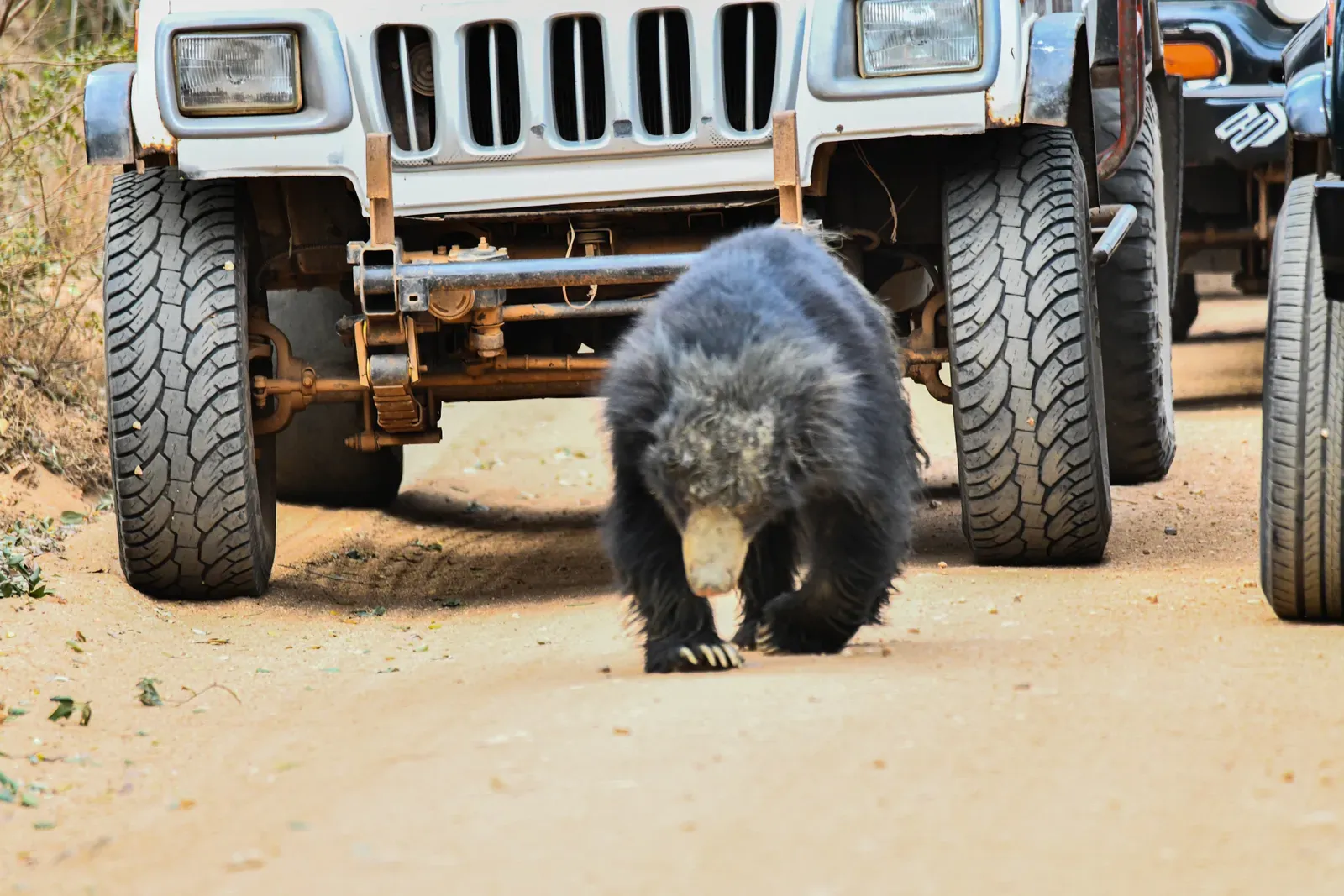
When animals lose their space, they do not simply vanish. They adapt. They move. They push back. Although people have lived with wildlife for as long as they have existed on the planet, human-wildlife conflict is increasingly common and widespread. Driven by escalating habitat loss and fragmentation, as well as other human activities, it is compounded by natural ecological shifts, including seasonal changes, wildlife movements, and the climate crisis.
The results can be startling, even deadly. Across India and Nepal, tiger attacks on humans surged as habitat loss and climate stress pushed the big cats into farmlands and villages. In India’s Mysuru district alone, three people were killed in tiger attacks within a single month, prompting authorities to suspend safaris in two major reserves.
In Japan, a different kind of crisis unfolded. More than 100 people have been injured and at least 13 killed in bear attacks across Japan. Experts say climate change is disrupting natural food cycles. Poor yields of wild acorns and beech nuts, staples in endemic bear diets, have left the animals desperate and foraging near homes, schools, and even hot spring resorts. Warmer winters are also delaying hibernation, keeping bears active for longer periods.
Retaliatory killings for loss of livestock or crops, or killing animals in self-defense, can impact already dwindling wildlife populations and drive species to extinction. Every species fulfills a role in its ecosystem, and the removal of a species usually has negative consequences for the whole system. It is a cascade that begins with a simple act of land clearing and ends with an entire ecosystem undone.
The Sixth Mass Extinction Is Already Happening Quietly Around Us
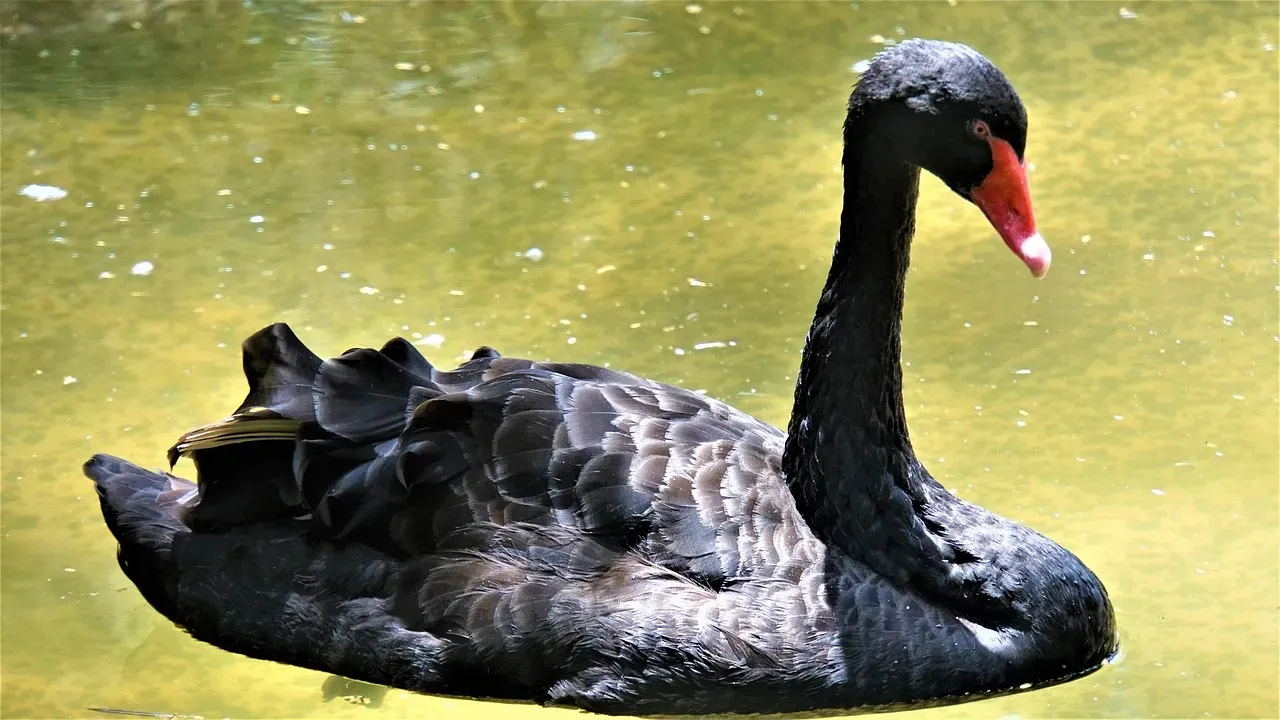
This section is the hardest to write, because the scale of what is happening is almost too large for the human mind to hold comfortably. Biodiversity is being lost at an unprecedented rate, described by some as a Sixth Mass Extinction. Currently, the IUCN Red List has more than 45,300 species threatened with extinction, including a staggering proportion of amphibians, sharks and rays, reef-building corals, mammals, and birds.
Research has revealed how human activities have put distinct pressure particularly on community composition, the measure of which species live where, ultimately causing biodiversity numbers to plummet. It is not just about the big, charismatic animals. Every insect, every soil microbe, every bird of the forest plays a role in a system that took millions of years to balance.
Agricultural-driven pollution and habitat changes, especially intensive arable farming with heavy pesticides and fertilizers, have proven to reduce species diversity and negatively alter ecosystems. Likewise, pollution, especially plastic, is a major driver of biodiversity loss and environmental degradation, critically impacting marine and terrestrial ecosystems.
According to IPBES, only roughly one quarter of land areas and one third of oceans remain relatively undamaged by human activity. That statistic deserves a moment of silence. Three quarters of the Earth’s land has already been touched, bent, or broken by human behavior. It is easy to forget that, as mammals, we are part of this changing world. It is also largely our activities that have spurred such swift degradation of the planet.
Conclusion: The Quiet Revolution We Did Not Know We Were Starting
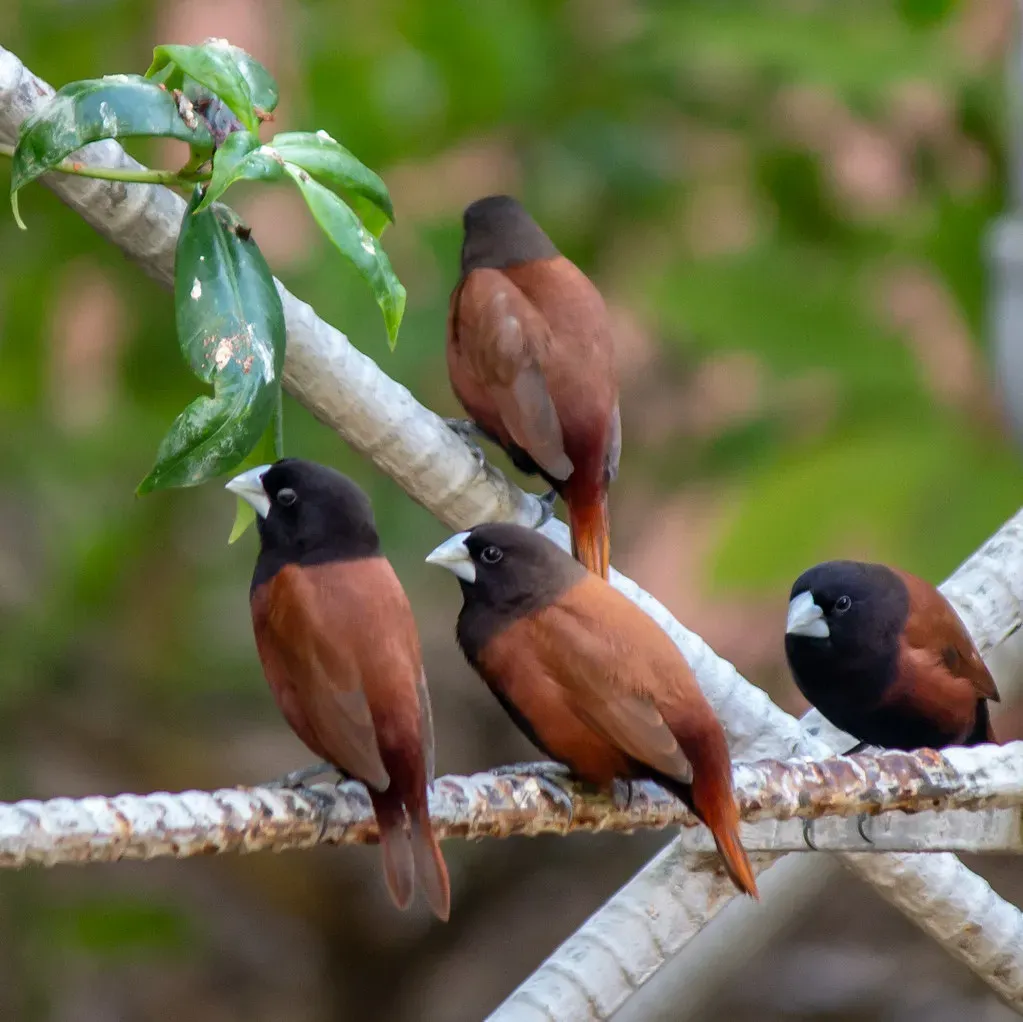
The most unsettling thing about all of this is not the scale. It is the silence. No dramatic explosion triggered these changes. No single villain is responsible. It was coffee cups, city lights, grocery runs, and morning commutes. The accumulation of billions of small, ordinary choices that together amount to the largest ecological transformation in human history.
As conservation scientists work to safeguard Earth’s biodiversity, some of the forces poised to reshape ecosystems arrive with little warning. To better anticipate these shifts rather than react to them after the fact, researchers conduct what are known as horizon scans, identifying emerging issues that could influence conservation long before they fully materialize.
Scientists are increasingly using animals to obtain data and gain a better understanding of complex ecosystems and the effects of climate change. The job of humans is to listen to and learn from these results, to improve stewardship and help species adapt and become more resilient.
The story is not over. Ecosystems are resilient. Species surprise us. Across Europe and around the world, rewilding is showing that large-scale nature recovery is not only possible, but profoundly beneficial for ecosystems, climate, and people. The tools for change exist. What remains is the will to use them, and the honesty to recognize that the problem lives not in faraway factories, but in the rhythms of our everyday lives.
What would you change about your daily routine if you knew the animal world was watching? Tell us in the comments.

- Has Your Rescue Dog Finally Chosen You? 14 Signs It Sees You as Home. - July 22, 2026
- 8 of the World’s Rarest Raptors and Where You Might See Them - July 22, 2026
- The Rarest Bird in North America – Can It Still Be Saved? - July 22, 2026