

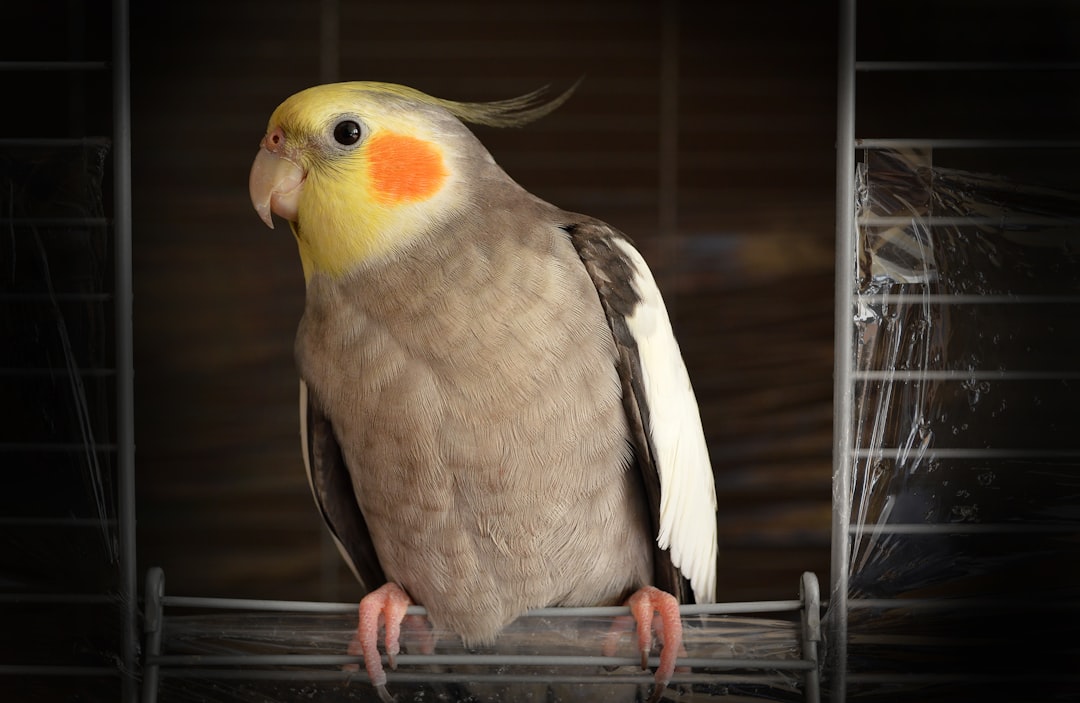

Unlocking Vitamin D Production Naturally (Image Credits: Unsplash)
Pet birds confined indoors miss out on essential ultraviolet B rays from sunlight, yet UVB lighting offers a practical solution to replicate those benefits.
Unlocking Vitamin D Production Naturally
Birds possess a unique biology that relies on UVB exposure to synthesize vitamin D3 directly through their skin. This process occurs when UVB rays penetrate featherless areas like the face and legs, converting provitamin D into active vitamin D3, which then facilitates calcium absorption from food.[1]
Without sufficient vitamin D3, even calcium-rich diets prove ineffective, leaving birds vulnerable to widespread health issues. Owners notice marked improvements in overall vitality once UVB lighting enters the routine, as it addresses this foundational nutritional gap.[1]
Warding Off Metabolic Bone Disease
Metabolic bone disease ranks among the most common yet preventable ailments in captive birds, stemming directly from vitamin D deficiency. Early signs include beak softening, leg deformities, reduced mobility, trembling, and in females, egg-binding complications.[1]
Regular UVB exposure strengthens bone density and muscle tone, restoring physical resilience. Breeding birds benefit further, producing eggs with firmer shells and healthier embryos thanks to optimized calcium metabolism.[1]
- Beak deformities or softening
- Fragile leg bones prone to fractures
- Hesitation to perch or fly
- Seizures in severe cases
- Reproductive challenges in hens
Elevating Feather Quality and Molting Cycles
UVB lighting contributes to superior feather condition, yielding more vibrant colors and smoother textures akin to wild specimens. Species such as macaws, conures, and African grey parrots display richer hues and defined patterns under proper illumination.[1]
During molting, UVB regulates hormones and supports skin health, preventing prolonged feather loss or stress-induced damage like pin feather retention. Birds undergo smoother transitions, emerging with robust plumage that enhances their appearance and insulation.
Boosting Behaviors and Psychological Well-Being
Birds perceive UVB wavelengths, sharpening color vision and environmental awareness, which sparks natural foraging and play. Owners observe heightened activity, vocalizations, and engagement with toys, alongside declines in feather picking and aggression.[1]
Alignment with circadian rhythms via timed lighting reduces stress, stabilizes sleep patterns, and fosters calmer dispositions. These changes promote emotional health, making daily interactions more rewarding for both birds and caregivers.
Setting Up UVB Lighting Effectively
Select bulbs designed specifically for birds, emitting UVB in the 290-320nm range, and position them 12-18 inches from perches to ensure safe exposure. Replace units every six to 12 months, as output fades invisibly over time.[1]
Aim for two to four hours of daily use, providing shaded areas for retreat. Supplement with brief outdoor sessions through UV-permeable screens when possible, avoiding glass barriers.[1]
- Choose avian-grade UVB bulbs
- Mount at proper distance
- Schedule timed sessions
- Monitor and replace regularly
- Offer rest zones
Key Takeaways
- UVB drives vitamin D3 synthesis for calcium uptake.
- It prevents bone disease and refines feathers.
- Behavioral enhancements follow consistent use.
Integrating UVB lighting elevates pet bird care from adequate to exceptional, fostering longer, healthier lives. What changes have you seen in your bird’s routine? Share in the comments.

- Beavers Are Nature’s Engineers, Creating Vital Habitats for Other Wildlife Species - July 21, 2026
- The Recovery of the California Condor Offers Hope for Other Critically Endangered Birds - July 21, 2026
- Bats Play a Crucial Role in Controlling Insect Populations Across the United States - July 21, 2026