

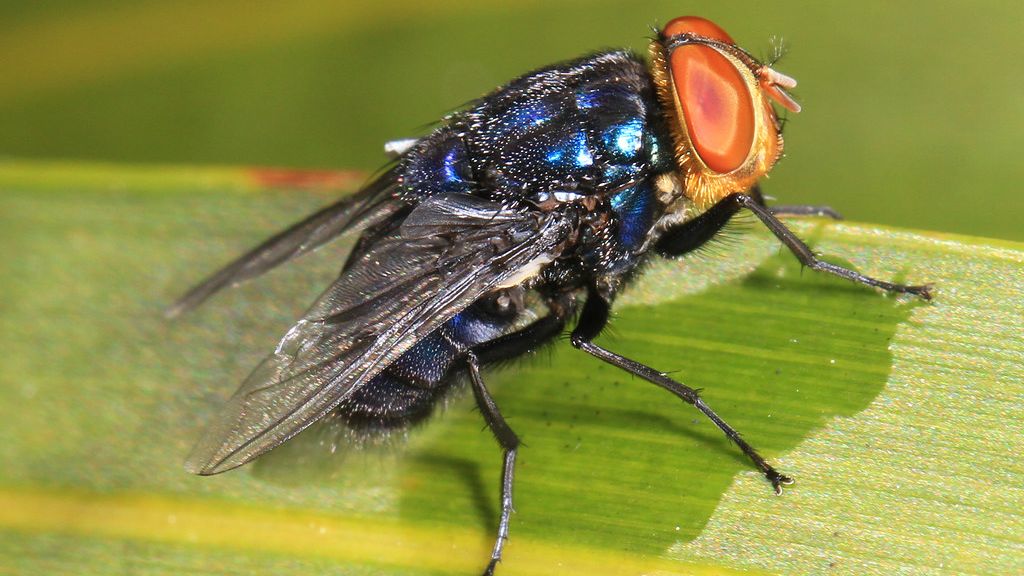
There’s something deeply unsettling about a parasite that literally eats living flesh. Not dead tissue. Living, warm, breathing flesh. The New World screwworm fly has long haunted the nightmares of livestock farmers across Central and South America, and for decades, the United States managed to keep it out. That streak may be coming to a very uncomfortable end.
This story is about more than just bugs. It’s about food security, international trade, the livelihoods of ranchers, and honestly, a biological threat that most Americans have never even heard of. The situation is evolving fast, and the details are equal parts fascinating and alarming. Let’s dive in.
What Exactly Is the New World Screwworm Fly?
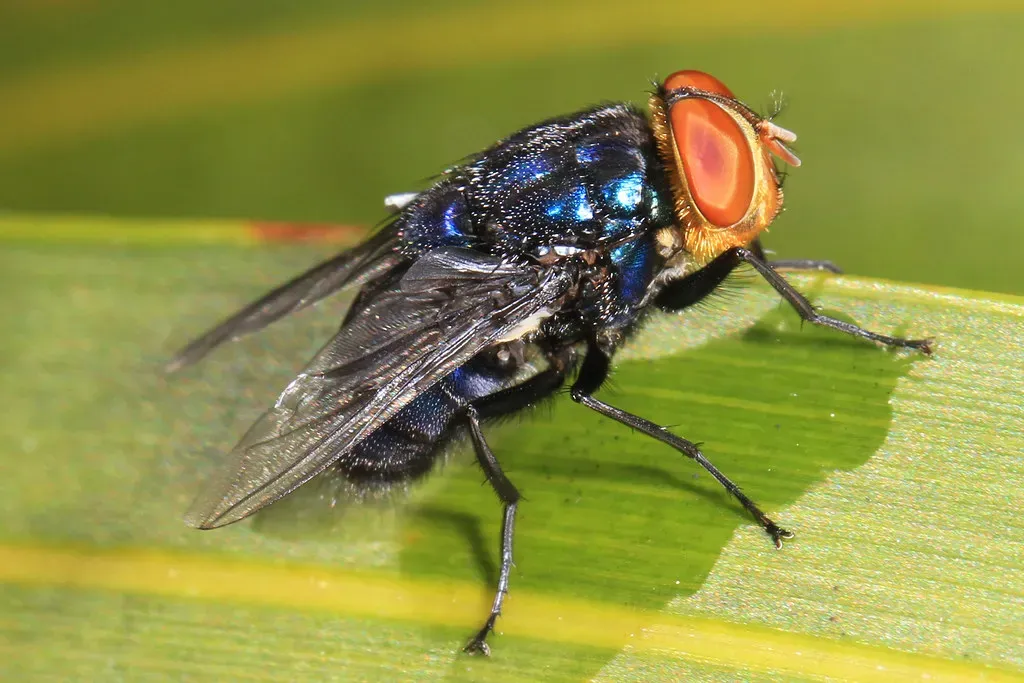
Most people have never heard of Cochliomyia hominivorax, which is its scientific name, and honestly, that’s probably been a good thing. This fly lays its eggs in the open wounds of warm-blooded animals, and when those eggs hatch, the larvae burrow into living tissue to feed. The name “screwworm” comes from the corkscrew-like motion the larvae use as they drill deeper into flesh.
What makes this parasite particularly terrifying is that it doesn’t need a massive wound to get started. Even a minor scratch, a tick bite, or a small cut can be enough of an entry point. Left untreated, an infested animal can die within days, consumed from the inside out. It can also infect humans in rare cases, which is the part that tends to make people deeply uncomfortable.
How Far Has It Already Spread Northward?
As of early 2026, the screwworm has been confirmed advancing through Mexico at a pace that has genuinely rattled agricultural authorities. The fly, which had previously been eradicated from the United States and Mexico through a massive joint sterile insect technique program in the latter half of the twentieth century, began resurging after detections in Panama in 2023. From there, it moved steadily north through Costa Rica, Nicaragua, Guatemala, and into southern Mexico.
The United States Department of Agriculture confirmed the fly’s presence in the Mexican state of Chiapas, which sits right at the border with Guatemala, and then in additional northern Mexican states dangerously close to the US border. That northward march, covering thousands of kilometers in roughly two years, is a pace that surprised even seasoned entomologists. Honestly, the speed of this spread is the part that should concern everyone most.
The Sterile Insect Technique and Why It Matters
Here’s the thing about the New World screwworm: it was actually beaten before. The United States declared itself screwworm-free back in 1966, and Mexico followed with eradication in 1991, largely through a method called the sterile insect technique. The process involves mass-rearing screwworm flies, irradiating the males to make them sterile, and then releasing them in massive numbers into the wild. Sterile males compete with fertile males, female flies mate with sterile males and produce no offspring, and the population collapses.
It’s a surprisingly elegant solution, almost like a biological Trojan horse. The problem is that maintaining this barrier requires constant infrastructure, funding, and international cooperation. When disruptions occur, whether through political friction, funding gaps, or logistical breakdowns, the barrier weakens. That is, in simplified terms, part of what allowed the screwworm to resurge after being largely confined to South America for years.
The US-Mexico Border Situation as of March 2026
By March 2026, US agricultural officials had raised the alarm to a level not seen in decades. The USDA began ramping up screwworm surveillance along the southern US border states, including Texas, New Mexico, Arizona, and California. Increased inspection protocols for livestock crossing from Mexico were put in place, though the challenge of monitoring every single animal crossing at busy ports of entry is genuinely enormous.
There were also serious concerns about wildlife acting as unmonitored vectors. Deer, feral hogs, and other wildlife do not stop at border checkpoints. They roam freely, and if they carry infested wounds across the border undetected, the screwworm could establish itself in US territory before anyone even realizes it. That scenario is the one that keeps USDA veterinary officials awake at night, and rightly so.
What This Means for American Livestock and the Economy
The United States cattle industry is enormous, and a screwworm incursion could cause damage running into the billions of dollars. Before eradication, the parasite was costing US livestock producers enormous sums annually, with some historical estimates suggesting losses in the hundreds of millions per year in pre-eradication times, adjusted figures would be dramatically higher today. The entire beef supply chain would be disrupted almost immediately if the fly established a foothold.
Beyond cattle, the screwworm can affect horses, sheep, goats, dogs, and even wildlife populations. Endangered species like the Florida Key deer would be especially vulnerable, given their small population size and limited habitat. I think it’s worth pausing on that for a moment. We’re not just talking about economic damage. We’re talking about potential ecological damage that could be very difficult to reverse.
International Cooperation and Political Complications
Eradicating or containing screwworm requires tight binational cooperation between the US and Mexico, the same kind of cooperation that produced the original eradication success in the twentieth century. The two countries have historically shared a screwworm eradication program, and reactivating it at full capacity is considered the most viable path forward. However, political tensions between the two nations in recent years have added a layer of complexity to what should be a straightforward scientific partnership.
Funding for the sterile fly production facility in Chiapas, which is a key operational center for releasing sterile insects, has reportedly faced pressures and logistical difficulties. Getting that facility back to full production capacity and ensuring a steady aerial release program is considered urgent by entomologists and agricultural scientists alike. The science is actually well understood here. The politics, as always, are the harder part.
What Comes Next and Why Every Day Counts
The window to stop this before it crosses into US territory is genuinely narrow. Every week the screwworm advances northward unchecked reduces the buffer zone available for intervention. Aerial sterile fly releases need to be massive and sustained, ideally beginning well south of the border to create an effective barrier rather than trying to stop the fly at the fence line itself. Trying to contain it at the border after it’s already arrived would be like trying to bail out a bathtub with the tap still running.
The USDA, in coordination with Mexican agricultural authorities known as SENASICA, has been working to accelerate those efforts. Travelers and ranchers along the border have been urged to report any animals showing signs of unusual wound infestations. It’s hard to say for sure how this will unfold over the coming months, but scientists are clear: early, aggressive action is the only strategy with a real chance of success. The screwworm came back once before. Stopping it from returning to the United States will require political will, funding, and cooperation at a scale that, right now, feels like a race against something very small but very determined.
Conclusion: A Tiny Fly With Enormous Consequences
Let’s be real, it’s strange that something as small as a fly could pose such a serious threat to an entire nation’s agricultural system. Yet here we are. The New World screwworm is advancing, the timeline is tight, and the consequences of failure are severe enough that this story deserves far more public attention than it’s currently receiving.
The most important takeaway is this: eradication worked before because people committed fully to it. Half-measures didn’t eliminate this pest in the twentieth century, and they won’t stop it now. The science exists. The question is whether the urgency is being matched by action at the speed required. What do you think it will take for this issue to get the attention it truly deserves? Tell us in the comments.

- Urban Coyotes Show Remarkable Adaptability, Learning to Thrive in City Environments - July 22, 2026
- Beavers Are Nature’s Engineers, Creating Vital Habitats for Other Wildlife Species - July 21, 2026
- The Recovery of the California Condor Offers Hope for Other Critically Endangered Birds - July 21, 2026