

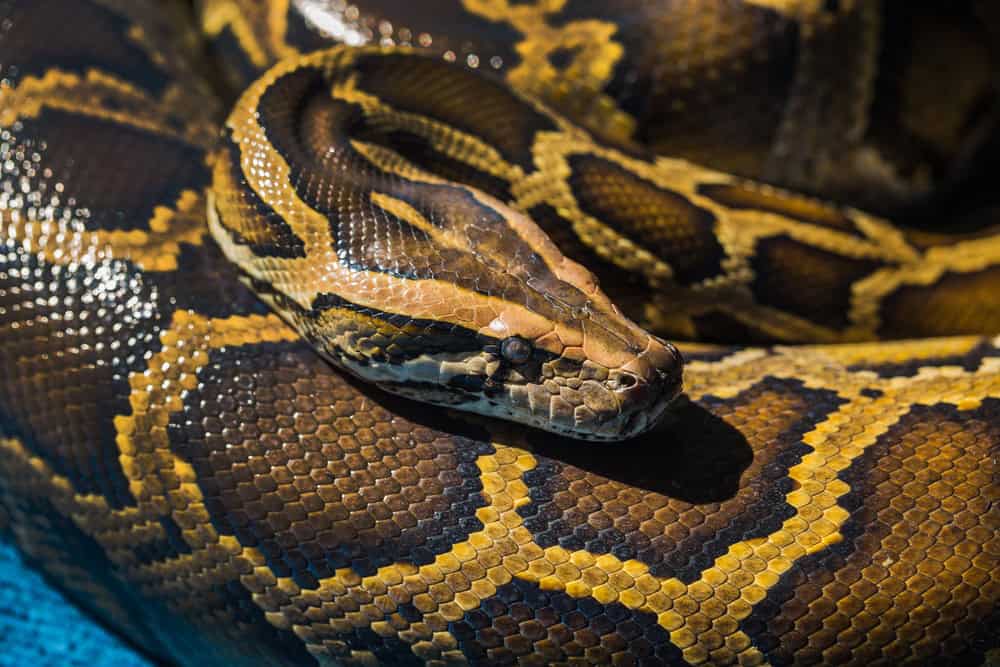
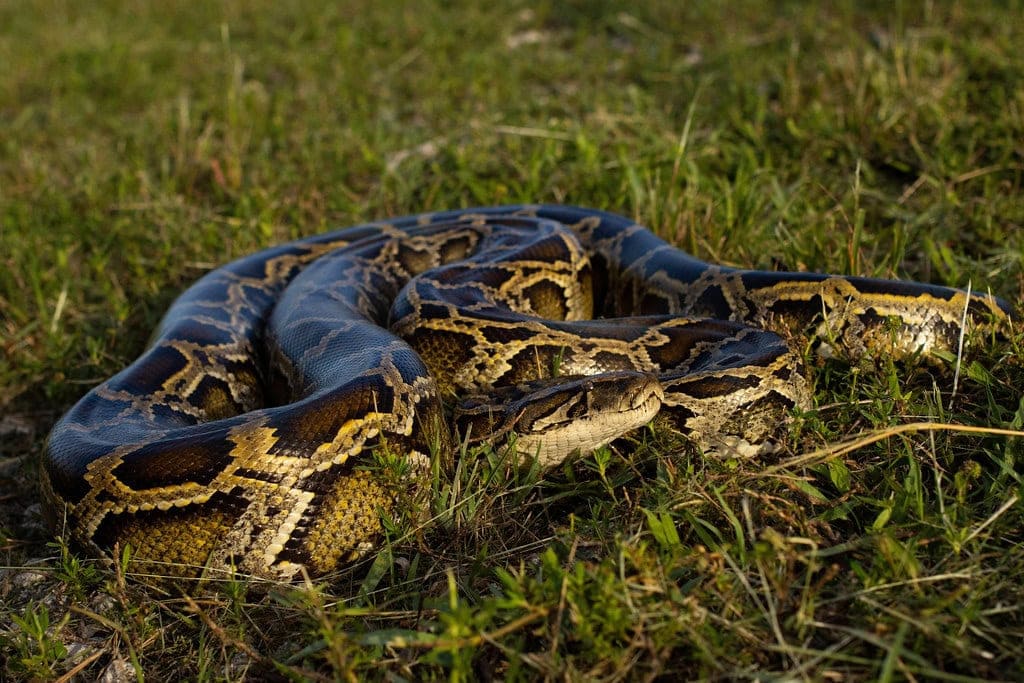
When biologists removed a record single-season haul of Burmese pythons from the Everglades, it marked a significant win in their 25-year struggle. Since 2013, they’ve removed 20 tons of invasive snakes—yet, the ecosystem war is far from over. These massive predators remain a looming threat to Florida’s fragile wilderness.
Building the Removal Program From Scratch

The effort began in 2013, spearheaded by the Conservancy of Southwest Florida. Using a groundbreaking approach—radioing male “scout” snakes to locate breeding females—teams have hunted relentlessly through a 200-square-mile zone of the Everglades. Over the last breeding season (Nov–Apr), they removed 6,300 lb of snakes—enough to thwart tens of thousands of eggs.
Vicious Predators in a Fragile Ecosystem
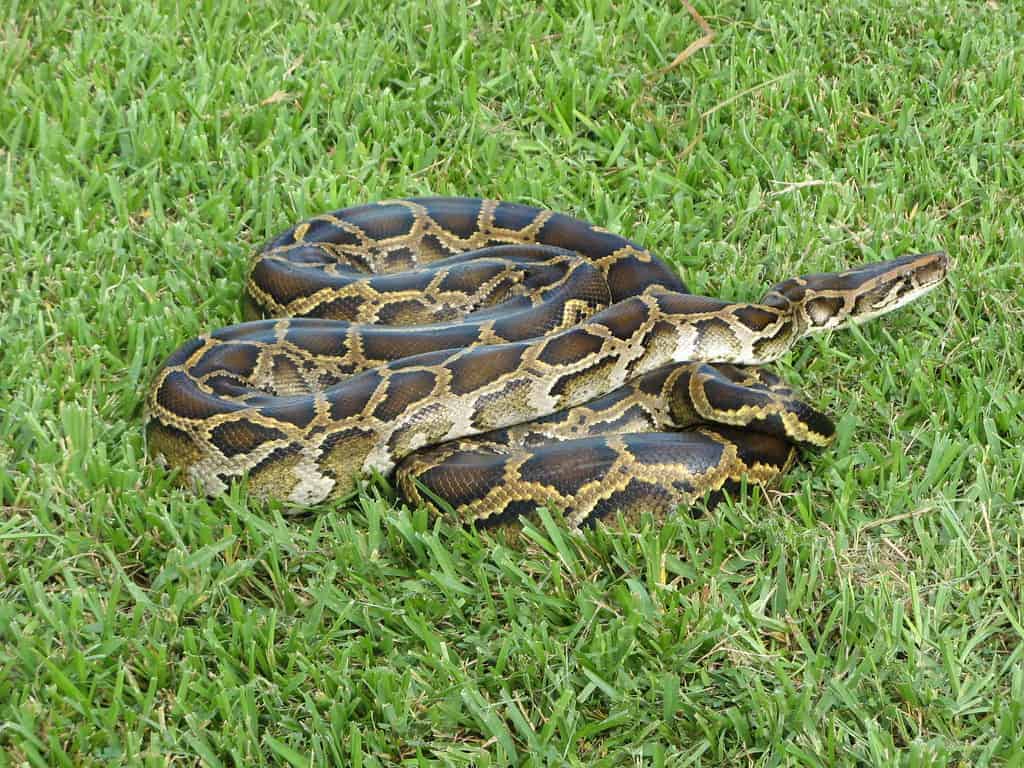
These Burmese pythons, outsiders from southeast Asia, have wreaked havoc on native wildlife. They prey on at least 85 species—including raccoons, opossums, marsh rabbits, and deer—causing catastrophic population declines. One female was recently found gargantuan—18 ft long, 215 lb—with 122 eggs in her belly.
Using “Scout Snakes” to Find the Breeders
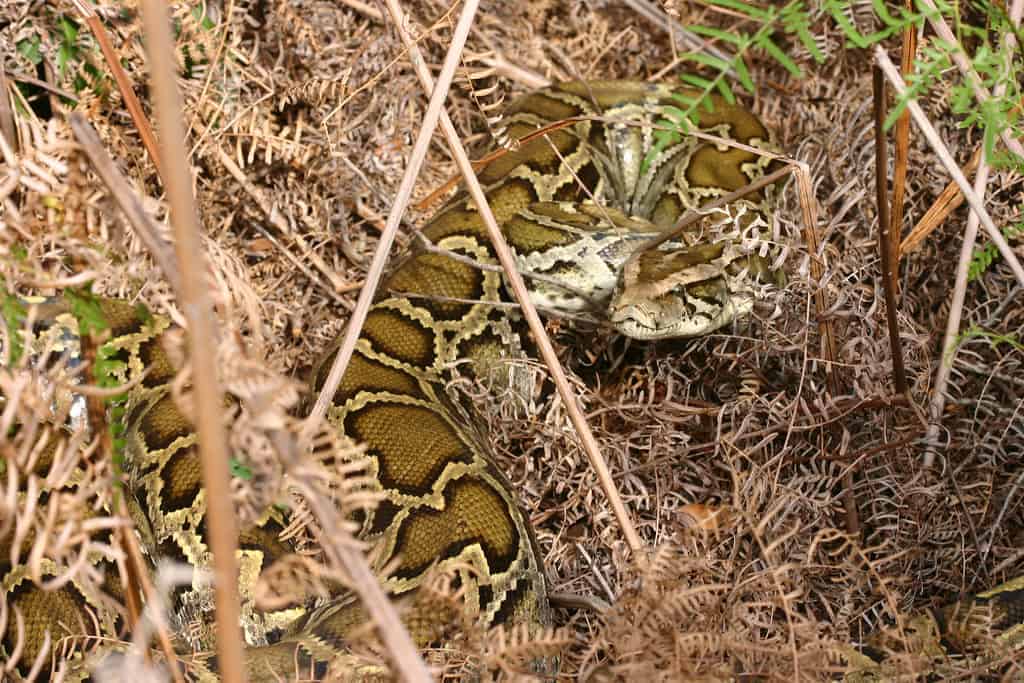
The most effective—and costly—tool in the arsenal is the radio-tagged male “scout snake.” These snakes naturally seek mating partners, leading biologists straight to gravid females. Although logistically challenging, requiring helicopters and remote field teams, the strategy is paying dividends.
Signs of Progress—but No End in Sight
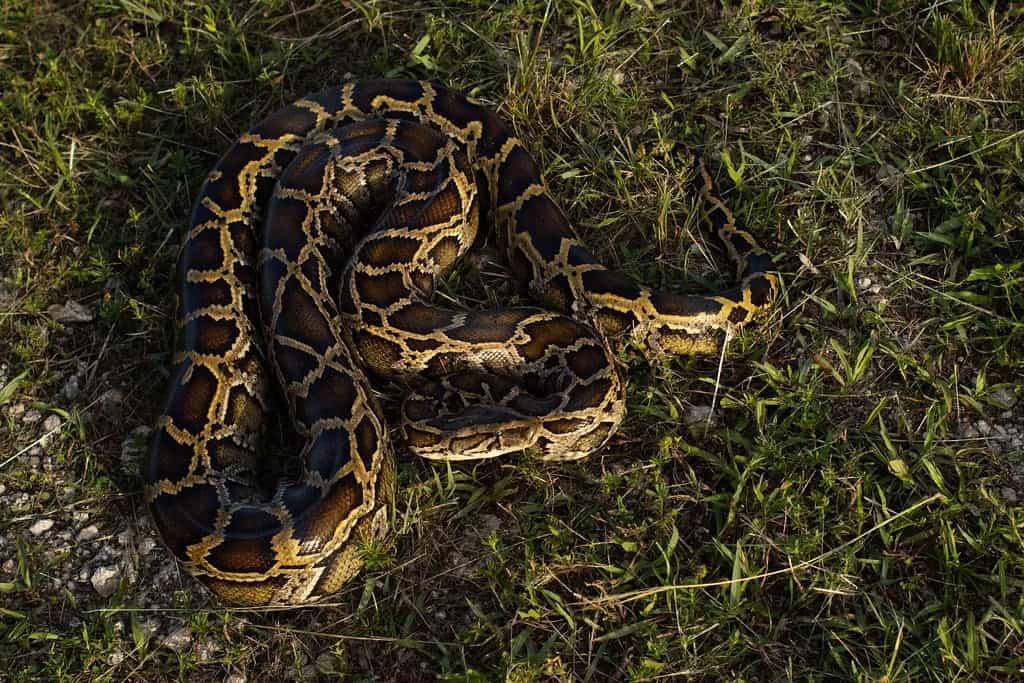
Ecologists are hopeful: demographic shifts now show fewer large pythons in hotspots, suggesting removal has had a measurable impact. Still, tens of thousands likely remain in the wider Everglades. Experts agree eradication is unlikely, but controlling key females can sharply reduce future hatchlings.
Engaging the Public
Public engagement has become integral. Viral videos and the annual Florida Python Challenge draw hundreds of hunters to remove snakes—last season 195 snakes were caught by 895 participants. Meanwhile, the Conservancy employs around 50 contracted hunters, boosted by frequent letters of volunteer interest.
A Long Game for Ecosystem Restoration

“This is a village effort,” says Conservancy biologist Ian Bartoszek. With science-based tracking, public hunts, and multi-agency cooperation, they’re slowly tipping the balance back toward native wildlife. Though full eradication isn’t realistic, the hope is that native species like deer, foxes, and raccoons will recover as snake numbers are controlled. While massive, this python haul is one turning point in a multi-front campaign—driven by innovation, public participation, and persistence.

adventuring, photography and videography. I am currently working towards a BSc in Biodiversity and Ecology at Stellenbosch University to go on to specialise in Marine Sciences one day.
Please send any feedback to Feedback@animalsaroundtheglobe.com