

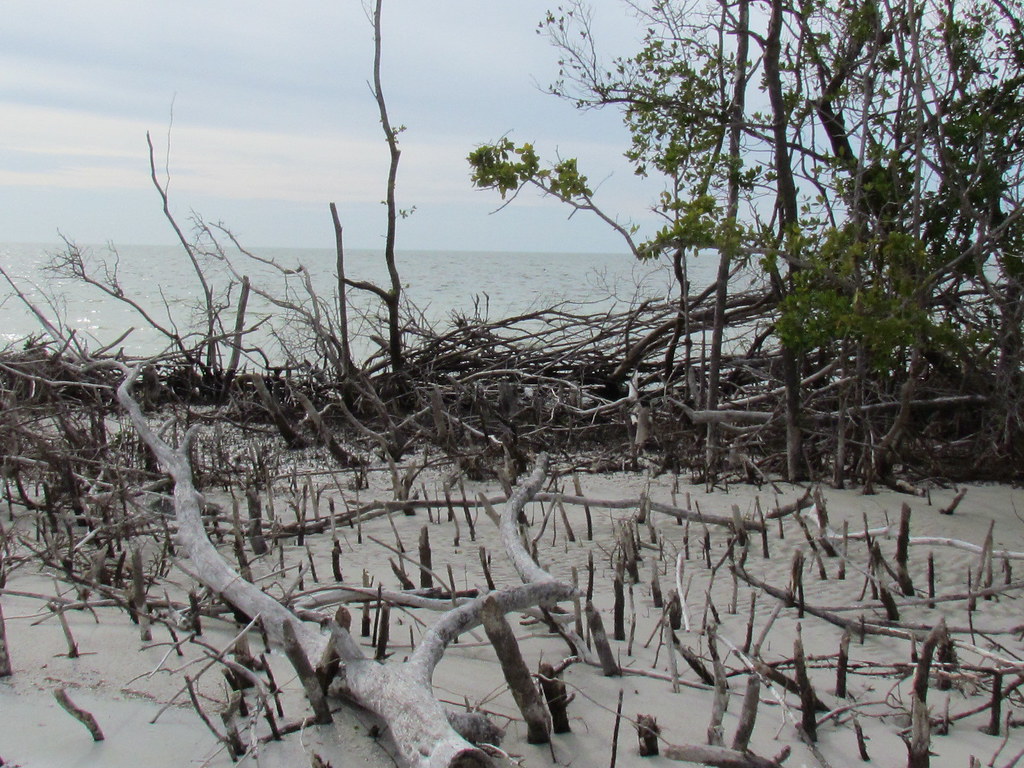

Unprecedented Cold Descends on the Sunshine State (Image Credits: Flickr)
Florida – A rare blanket of snow blanketed parts of the state this week, ushering in freezing temperatures that have caught both residents and ecosystems off guard.
Unprecedented Cold Descends on the Sunshine State
This marked the second consecutive year that snow dusted Florida’s landscape, a phenomenon driven by an Arctic air outbreak colliding with Gulf moisture. Temperatures plunged into the 30s across regions like Fort Myers and the Panhandle, lingering longer than typical winter dips. Wildlife managers reported immediate concerns as cold snaps disrupt the routines of species unaccustomed to such extremes. Conservationists mobilized quickly to assess vulnerabilities in habitats from coastal mangroves to inland wetlands.
The event echoed past incidents, such as the 2020 freeze that saw iguanas stiffen and tumble from trees, but this year’s snowfall added a layer of unpredictability. Officials noted that while human preparations included warnings for frost-sensitive agriculture, the focus shifted to protecting biodiversity hotspots. Early surveys indicated scattered impacts on bird populations and marine life in shallow bays, where native species faced heightened risks compared to hardier invasives.
Vulnerable Species Feel the Freeze
Reptiles like the invasive green iguana suffered dramatically, with reports of the cold-blooded lizards becoming immobilized and falling from perches amid the sudden chill. Though not native, their plight highlighted broader ecological ripples, as frozen carcasses could attract predators or alter food chains. Conservation efforts prioritized endangered shorebirds, including the Snowy Plover, whose breeding grounds in the Panhandle had already endured hurricane damage in prior years. This summer’s successful nesting season now faced a setback from the unseasonal cold, potentially affecting fledgling survival rates.
Marine and estuarine wildlife encountered challenges too, with freezing waters stressing fish and crustaceans in bays. Native seagrasses, vital for manatee foraging, risked die-offs under ice formation, complicating recovery plans for these gentle giants. Experts emphasized that while invasives like Burmese pythons might fare better in the cold, the imbalance could exacerbate pressures on endemic flora and fauna. Rescue operations ramped up for tortoises and amphibians seeking warmer microhabitats, underscoring the strain on limited resources.
Conservation Strategies in Action
Agencies like the Florida Fish and Wildlife Conservation Commission activated emergency protocols, including habitat monitoring and supplemental feeding in affected areas. Ranchers and volunteers sheltered livestock and released guidance for protecting backyard wildlife, such as providing unfrozen water sources for birds and small mammals. These measures aimed to mitigate short-term losses while informing long-term resilience planning against climate variability. Data from the event will bolster models predicting future cold events, which have grown more erratic.
Collaborations with groups like the Audubon Society focused on coastal birds, deploying teams to check nests and relocate vulnerable individuals. The cold also prompted reviews of invasive species management, as the freeze offered a natural check on populations like iguanas without chemical interventions. Still, conservationists warned that repeated anomalies could overwhelm adaptive capacities, calling for enhanced funding and habitat restoration.
Broader Implications for Florida’s Ecosystems
The snowfall’s rarity amplified concerns over shifting weather patterns, with implications for tourism-dependent conservation funding. Protected areas saw reduced visitor access during the freeze, delaying educational outreach on biodiversity. Researchers highlighted how such events test the interconnectedness of terrestrial and aquatic systems, where chilled runoff affects downstream salinity and species migration.
- Immediate rescues for reptiles and amphibians in urban zones.
- Monitoring of shorebird colonies for hypothermia risks.
- Assessment of seagrass beds for frost damage.
- Public advisories on avoiding interference with hibernating wildlife.
- Inventory of invasive species die-offs to evaluate ecological benefits.
Key Takeaways
- Rare cold snaps disproportionately harm native species, intensifying conservation needs.
- Invasive populations may decline naturally, offering temporary relief to ecosystems.
- Proactive measures like habitat warming and monitoring prove essential for resilience.
As Florida thaws from this unusual winter visitor, the event serves as a stark reminder of nature’s fragility in a warming world. Conservationists urge sustained investment in adaptive strategies to safeguard the state’s rich biodiversity. What steps do you believe should prioritize wildlife protection during extreme weather? Share your thoughts in the comments.

- The Role of Wolves in Reducing Coyote Populations - June 19, 2026
- The Best Ways to Protect Your Food From Wildlife While Camping - June 18, 2026
- The Best National Parks for Seeing Wildflowers in Spring - June 17, 2026