
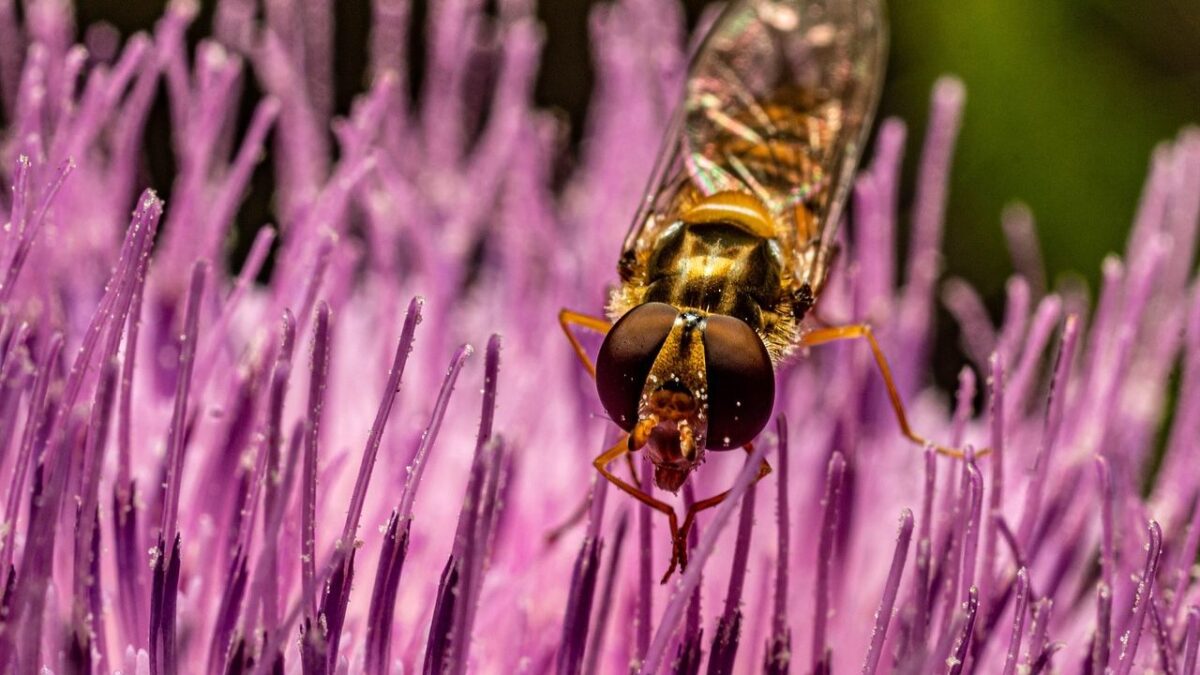
Bees dominate conversations about pollination. Their fuzzy bodies and tireless work on crops like apples and almonds earn them endless praise. Yet another insect quietly handles a massive share of the load, often overlooked amid the buzz.
This unsung hero visits flowers across the globe, supporting wild plants and key foods we rely on daily. While bees claim the top spot in many minds, evidence points to flies as the true powerhouse in sheer reach and reliability.[1]
Flies: Second to None in Pollination Power
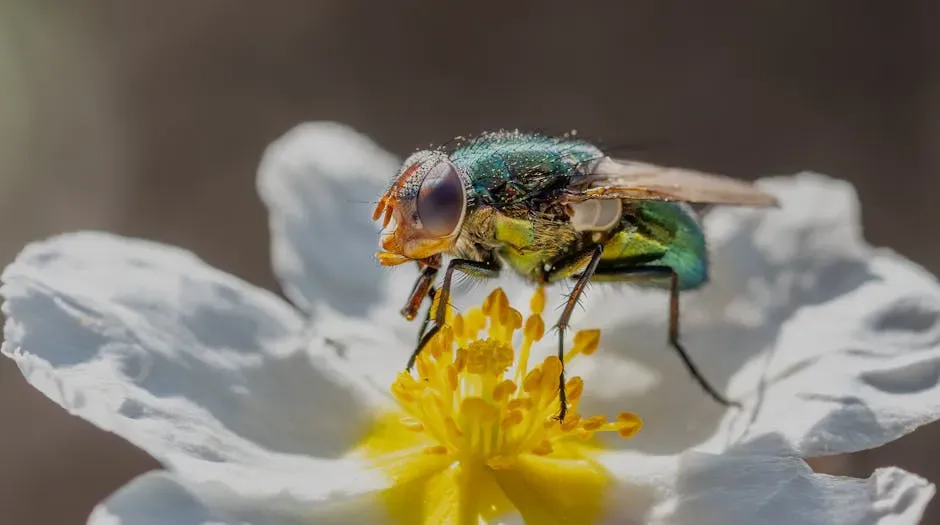
Flies rank as the second most important pollinating insects worldwide, right after bees. They visit over 70 percent of food crops in studies and pollinate hundreds of species, from ornamentals to staples. Their activity in cooler weather gives them an edge early in the season, when bees stay grounded.[1]
Unlike some pollinators, flies thrive in diverse habitats, from gardens to fields. They carry pollen effectively on hairy bodies, much like bees. This broad impact makes them indispensable for ecosystems beyond agriculture.[2]
Hoverflies Lead the Fly Charge
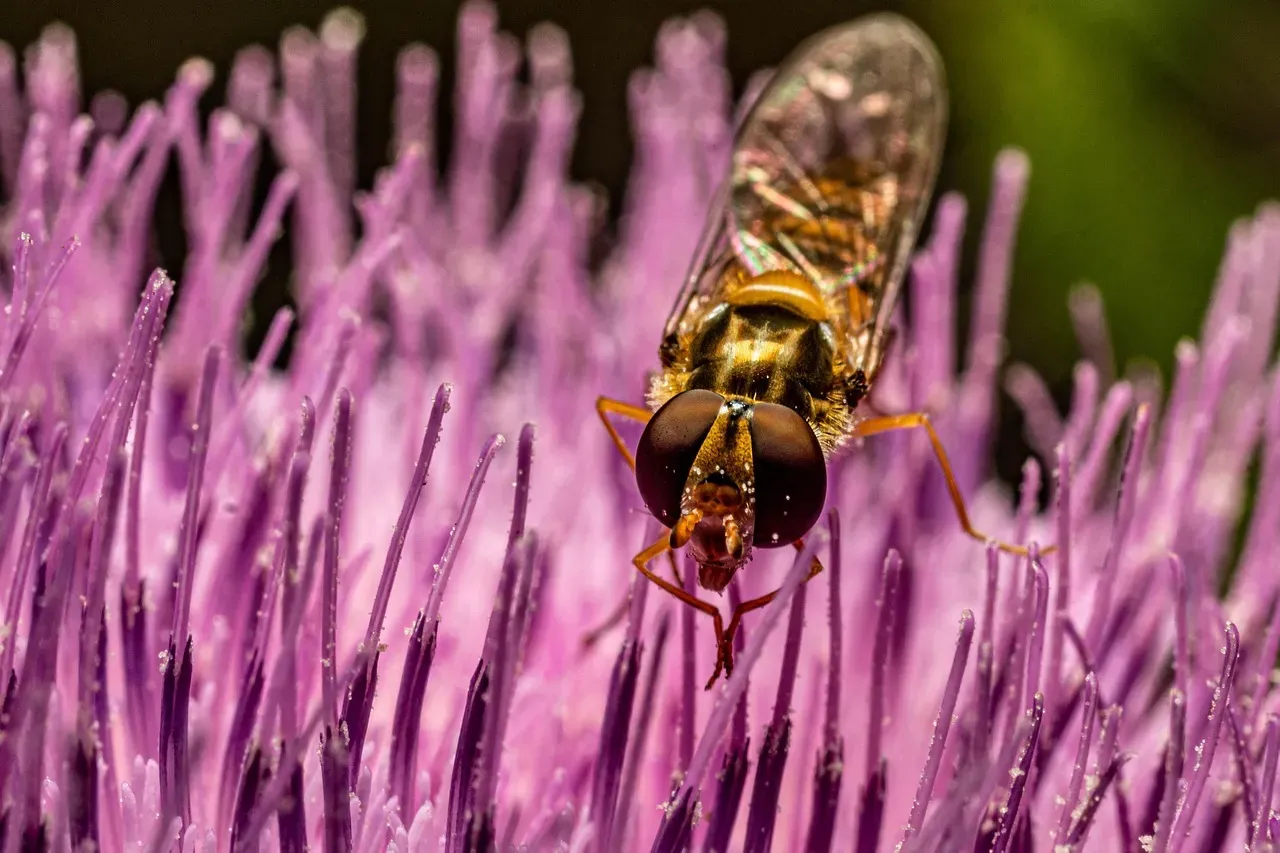
Hoverflies, or syrphid flies, stand out in the fly world. These mimics of bees and wasps buzz over 72 percent of global food crops and wildflowers. They travel long distances, up to 100 kilometers, spreading pollen far and wide.[3]
Their larvae even control pests, adding dual benefits to farms. Hoverflies favor open, pale flowers, ensuring steady service where others falter. No wonder experts call them prolific partners in plant reproduction.[3]
They outvisit bees on certain crops, proving their weight in pollination networks.
Crops That Depend on Fly Pollination
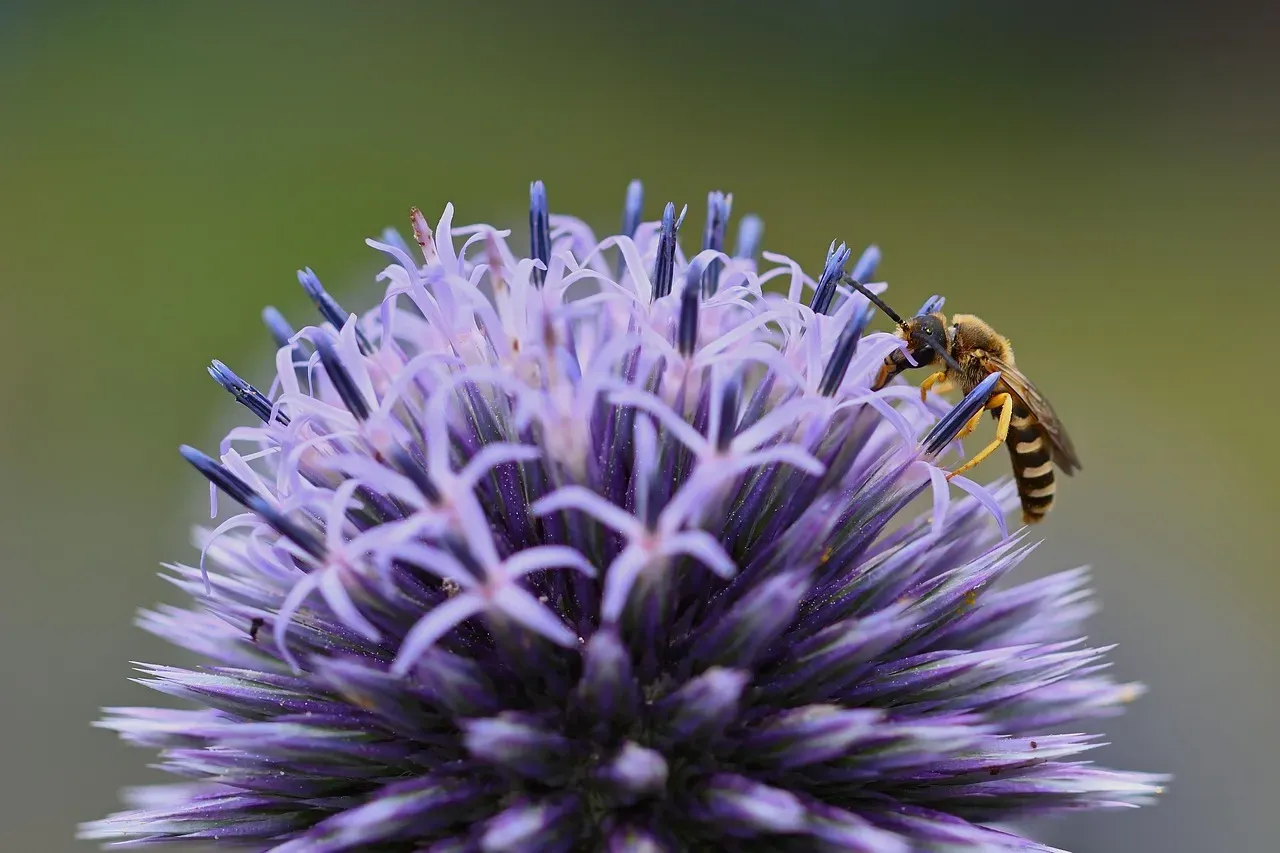
Chocolate lovers owe flies a nod, as midges alone pollinate cacao flowers too tiny for bees. Mangoes rely on bluebottle flies, while avocados and figs get help from various fly species. These examples show flies filling critical gaps.[1][4]
Flies support fruit like apples, pears, and berries too. Their role extends to wild plants in alpine areas, where cold limits bees. Without them, yields would drop sharply on these specialties.
Why Flies Often Outshine Bees
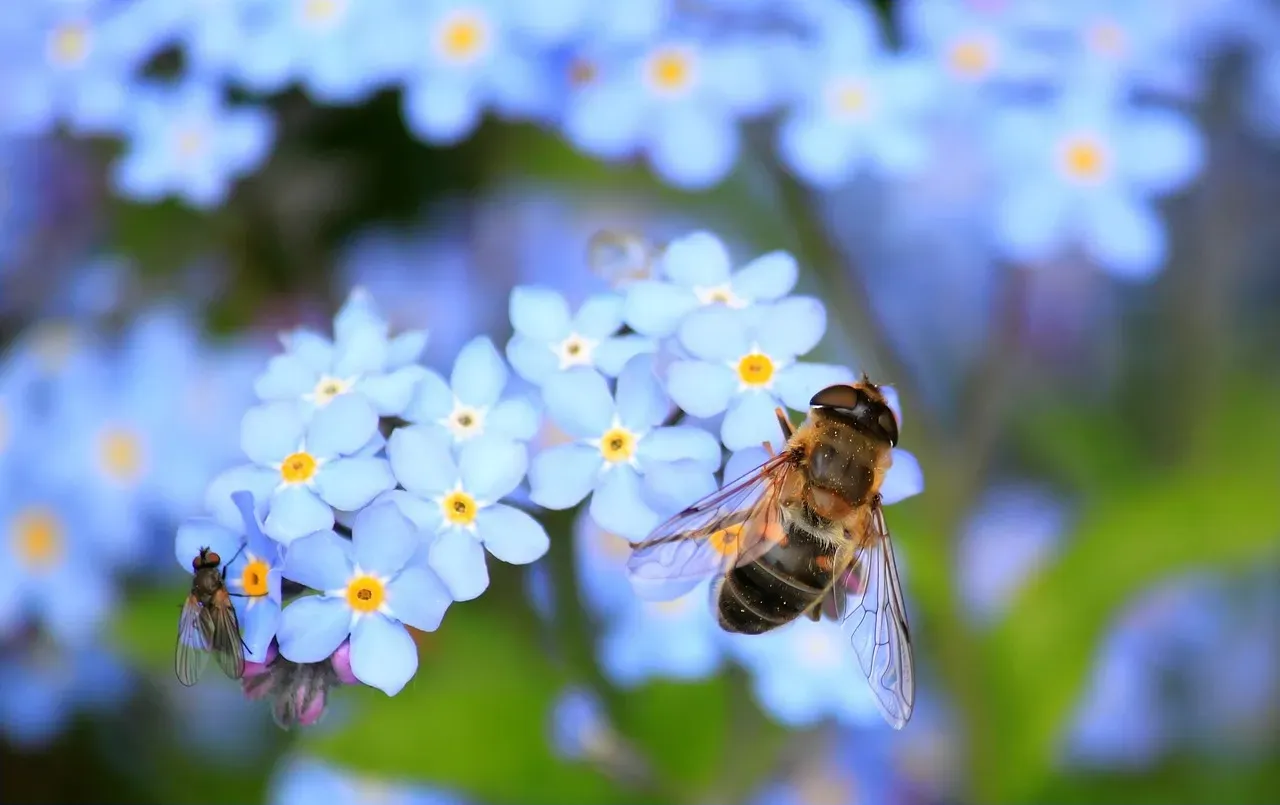
Bees excel at pollen collection, but flies match them in visits to many flowers. Studies show flies on 72 percent of crop species versus bees at 93 percent, yet flies provide consistency bees can’t always match. They handle putrid-scented blooms that deter fuzzier visitors.[1]
Flies operate in tough spots, like high altitudes or dawn hours. Their diversity, with nearly half of fly families flower-visiting, amplifies impact. Beetles trail behind in temperate zones, while flies hold steady.[2]
Threats Facing Fly Pollinators
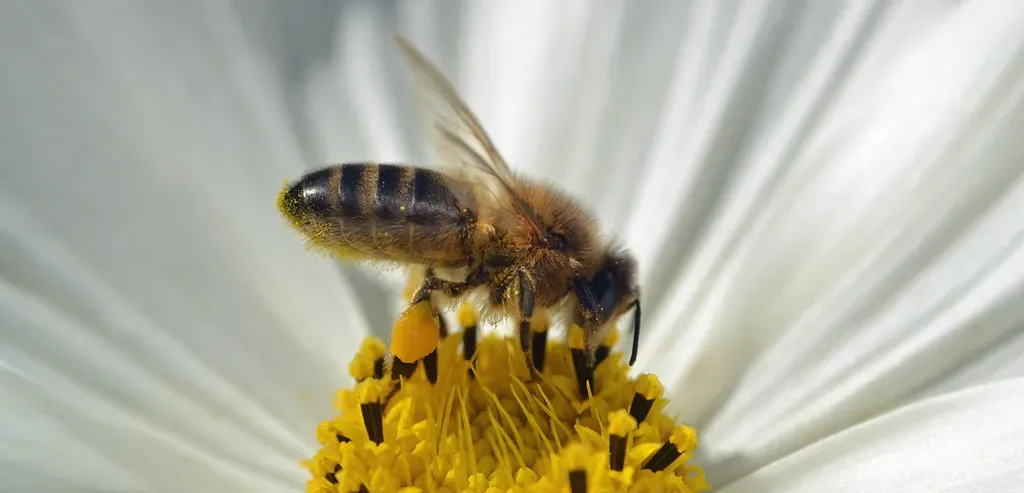
Habitat loss hits flies hard, just like bees. Pesticides and monocrops reduce their numbers, threatening crop security. Climate shifts alter bloom times, disrupting fly schedules.
Conservation means diverse gardens with pale flowers and aphid hosts for larvae. Avoiding broad sprays helps both flies and plants thrive. Simple changes amplify their quiet work.
Conclusion
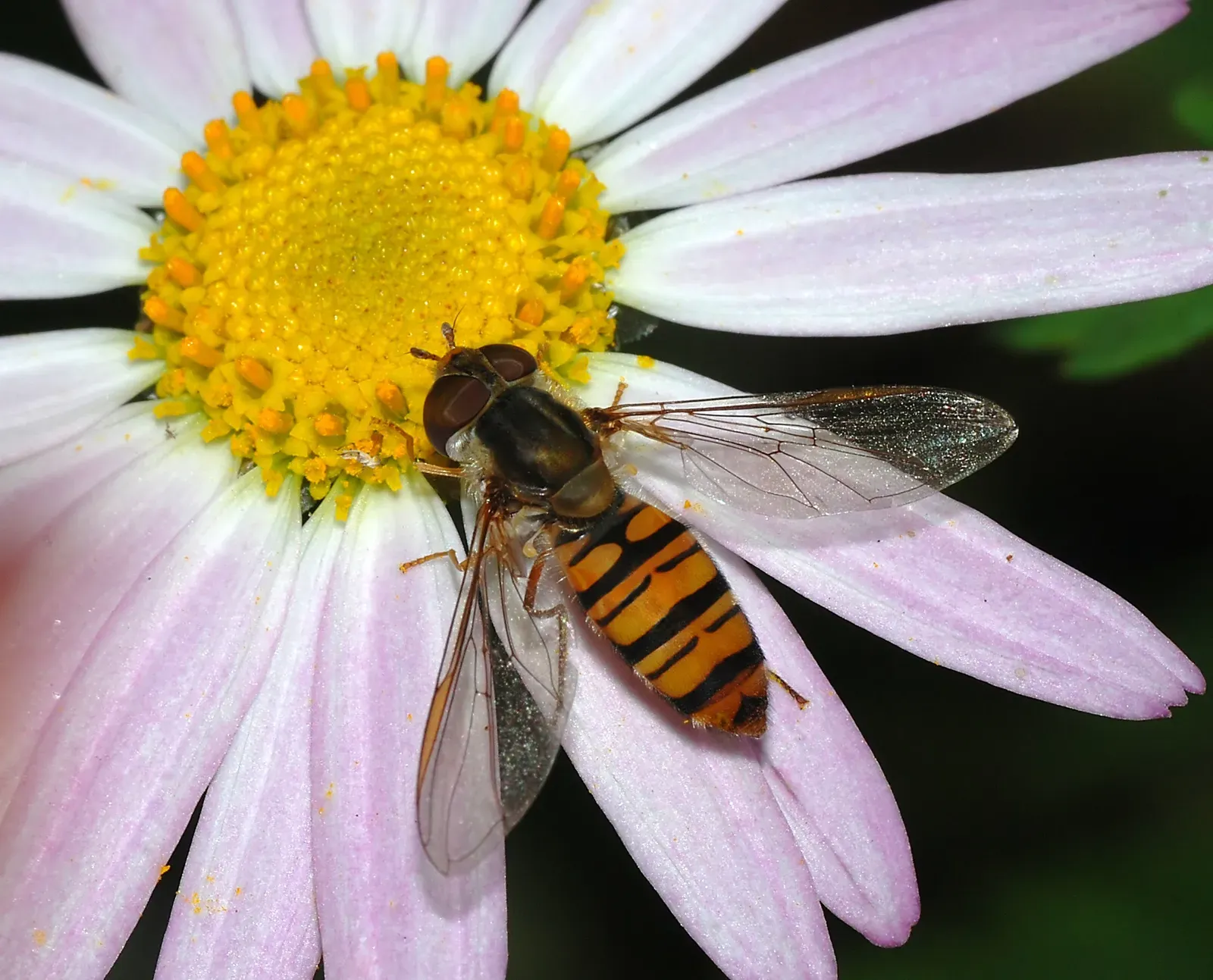
Flies prove pollination thrives beyond the bee spotlight. Their vast reach secures foods from chocolate to mangoes, reminding us of nature’s backups. Next time you spot a hoverfly, tip your hat, it might just be the real MVP keeping gardens alive.

- 10 Worst US Cities for Major Earthquakes - June 23, 2026
- The Biggest Single Snowstorm to Hit New York City - June 23, 2026
- 7 Facts About Grand Lake O’ the Cherokees - June 23, 2026