

Deep within the Earth’s geological record lies a fascinating story about the transformation of our planet’s seasons. Recent discoveries of fossilized flowers have provided unprecedented insights into when and how Earth’s first true spring emerged. These ancient botanical remains, preserved in rock for hundreds of millions of years, are offering scientists a window into a pivotal moment in our planet’s climatic evolution. Before these seasonal patterns we take for granted today, Earth operated on vastly different rhythms. The story of how our familiar four seasons came to be—particularly spring, with its explosion of floral life—is a remarkable tale of planetary change, climate evolution, and botanical adaptation.
The Ancient Earth Before Seasons
Before delving into the emergence of spring, we must understand what Earth was like without distinct seasons. For much of our planet’s early history, Earth did not experience the clear-cut seasonal changes we know today. The early Earth, forming around 4.5 billion years ago, was a tumultuous place with extreme volcanic activity, meteorite bombardments, and a gradually stabilizing atmosphere. Climate zones certainly existed, but the regular, predictable cycle of spring, summer, autumn, and winter as we understand them today was absent. Instead, environmental conditions were dictated by more chaotic patterns, with weather shifts that lacked the reliable seasonal rhythm modern plants and animals have evolved to depend upon. During this time, plant life was limited to simple forms like algae, which didn’t require seasonal cues for reproduction and growth.
The Geological Timekeepers
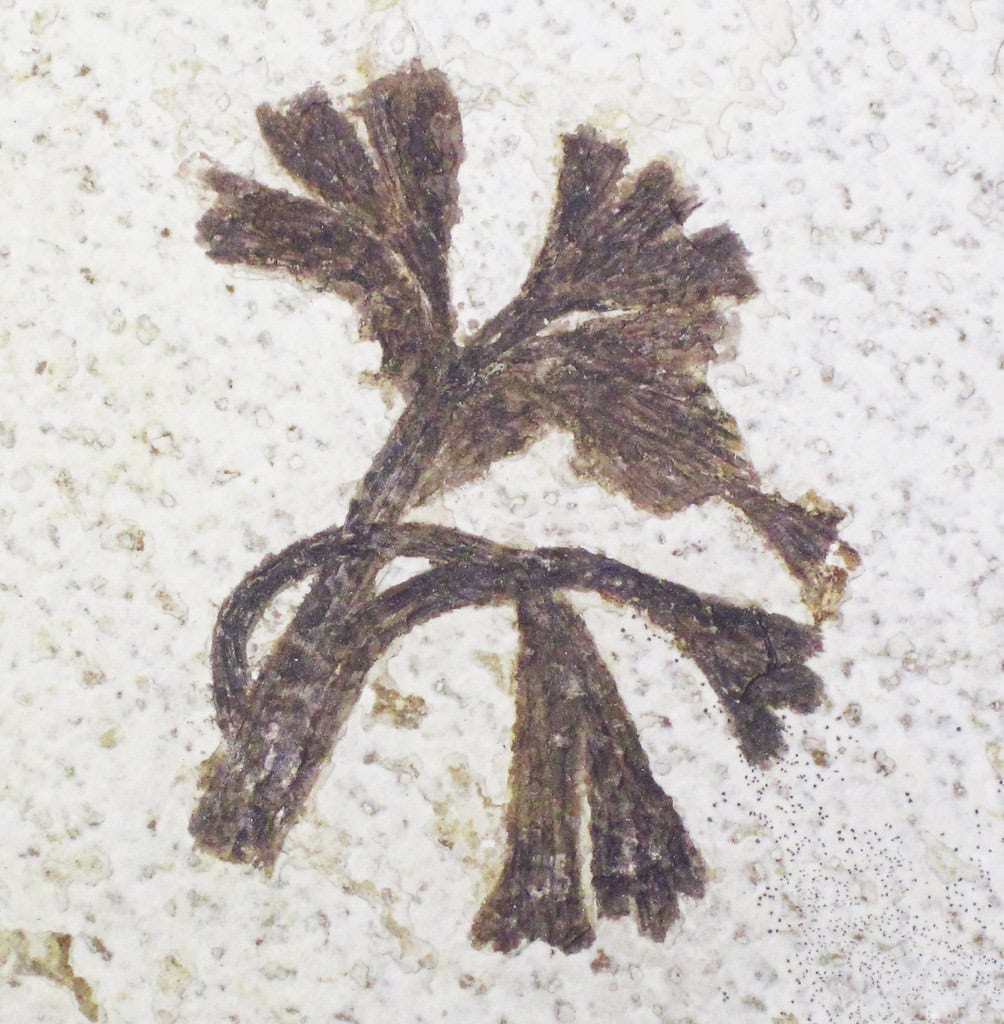
Fossils serve as Earth’s timekeepers, preserving snapshots of life through the ages. Plant fossils are particularly valuable for understanding ancient climate patterns because plants are exquisitely sensitive to environmental conditions. Unlike animals that can migrate or adapt behaviorally to changing conditions, plants must weather environmental changes in place, making them excellent climate indicators. Fossilized flowers are especially informative because flowering is typically a seasonal response—plants flower when conditions are favorable for reproduction. The process of plant fossilization occurs when plant material is quickly buried in sediment, preventing decomposition and allowing minerals to gradually replace organic materials. Through these preserved remains, scientists can reconstruct ancient ecosystems and climate patterns with remarkable accuracy, reading the Earth’s climatic history like pages in a book.
The Breakthrough Discovery

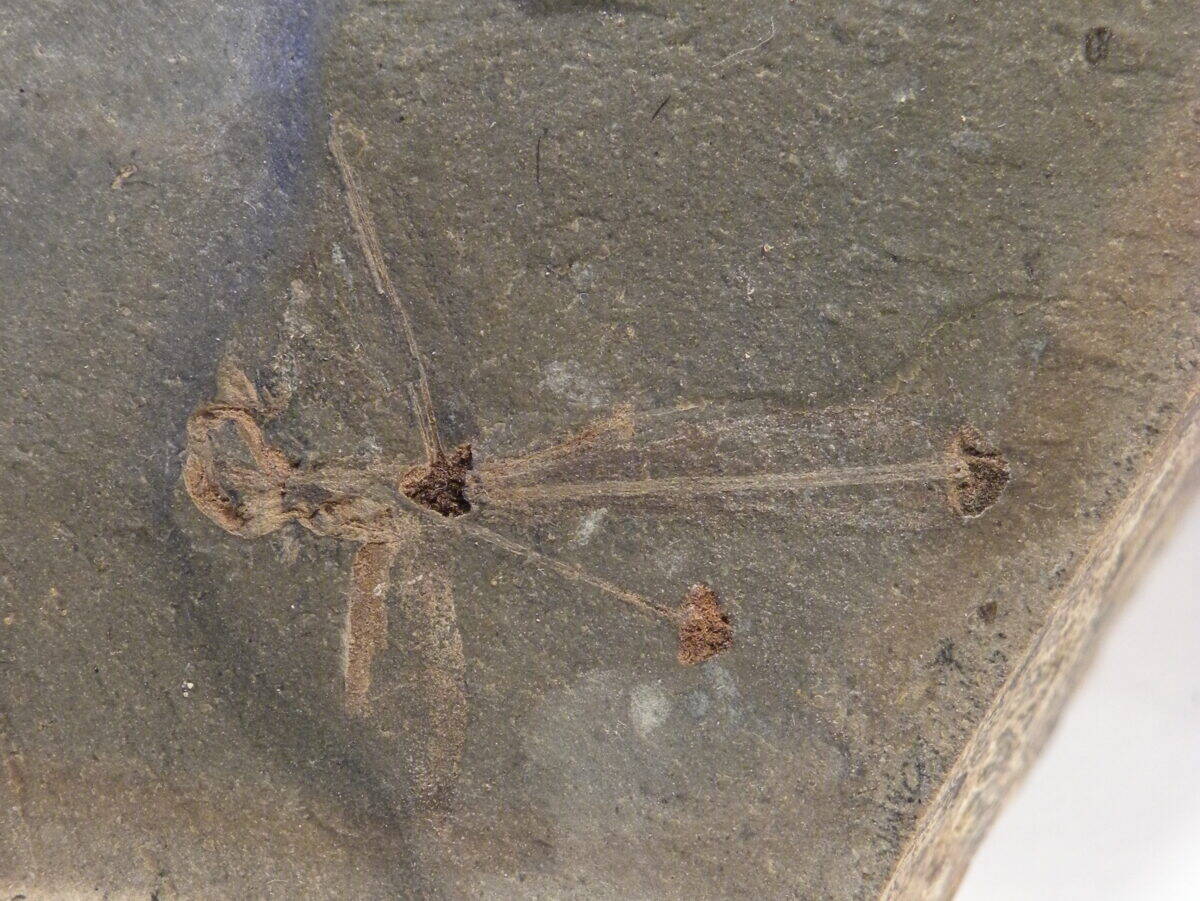
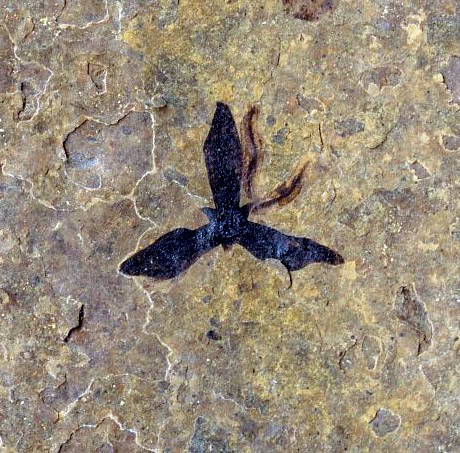
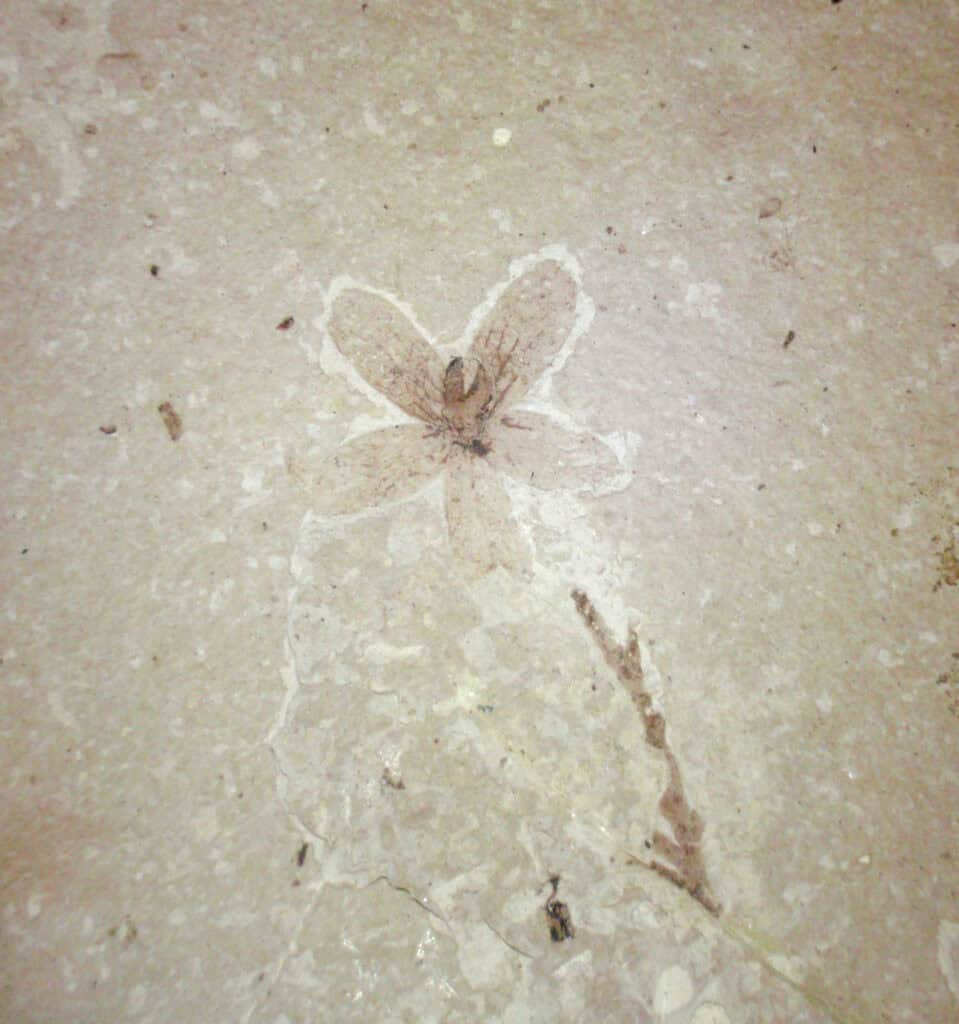
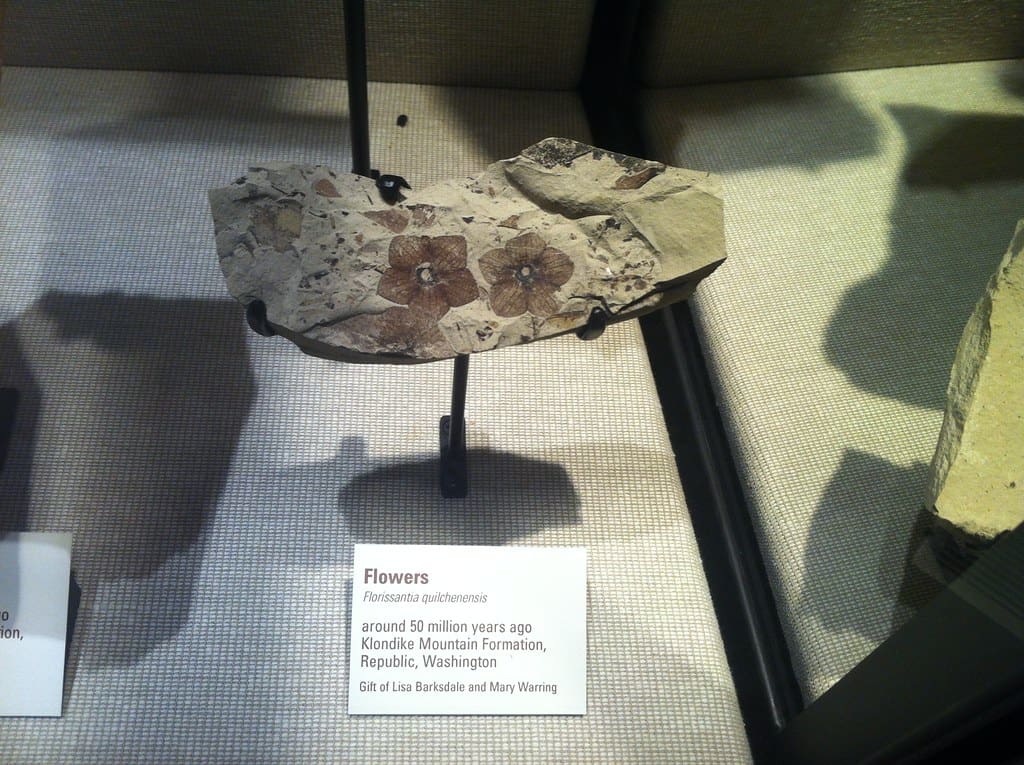
The game-changing discovery came from fossilized flower specimens found in rock formations dating back to the middle Cretaceous period, approximately 115 million years ago. These fossils, recovered from sites spanning different ancient continents, showed remarkable preservation of delicate flower structures, including petals, stamens, and pollen. What made these findings revolutionary was the clear evidence of synchronized flowering patterns across widespread geographical areas—a hallmark of seasonal triggers rather than localized environmental responses. The specimens represented angiosperms (flowering plants) that showed adaptations specifically evolved for seasonal growth cycles. Through advanced analysis techniques including scanning electron microscopy and chemical composition studies, researchers were able to determine that these plants responded to climate patterns that strongly resembled our modern spring season, with increasing daylight hours and warming temperatures triggering coordinated flowering events.
Earth’s Axial Tilt: The Season Maker
Central to understanding the emergence of seasons on Earth is the planet’s axial tilt. Earth rotates on an axis tilted approximately 23.5 degrees relative to its orbital plane around the sun. This tilt is the primary driver of our seasons, as it causes different parts of the planet to receive varying amounts of sunlight throughout the year. However, Earth’s axial tilt hasn’t remained constant throughout geological history. Studies suggest that in Earth’s early history, the axial tilt may have been significantly different or even unstable. Evidence from paleomagnetic studies and computer modeling indicates that the stabilization of Earth’s axial tilt to near its current angle occurred gradually, with significant stabilization happening during the late Mesozoic Era. This stabilization coincides remarkably with the fossil evidence of the first true seasonal flowering patterns, suggesting that the reliable axial tilt we experience today was a prerequisite for the emergence of spring as we know it.
Climate Patterns That Birthed Spring

The emergence of a true spring season required specific climate conditions to develop and stabilize. Paleoclimate reconstructions based on fossil evidence, sedimentary analysis, and computer modeling reveal that the middle Cretaceous period saw significant climate reorganization. Global temperatures during this time were considerably warmer than today, with estimated average temperatures 4-11°C higher than present. Crucially, however, the climate began showing more predictable annual variations. Carbon isotope analyses from both marine and terrestrial fossils indicate the development of regular annual climate cycles with distinct warming periods following cooler intervals. The key development wasn’t merely temperature change but the establishment of predictable, cyclical patterns of temperature, precipitation, and sunlight that organisms could adapt to and anticipate. Ocean circulation patterns also stabilized during this period, further contributing to more predictable seasonal weather patterns across continental areas.
The Evolution of Flowering Plants
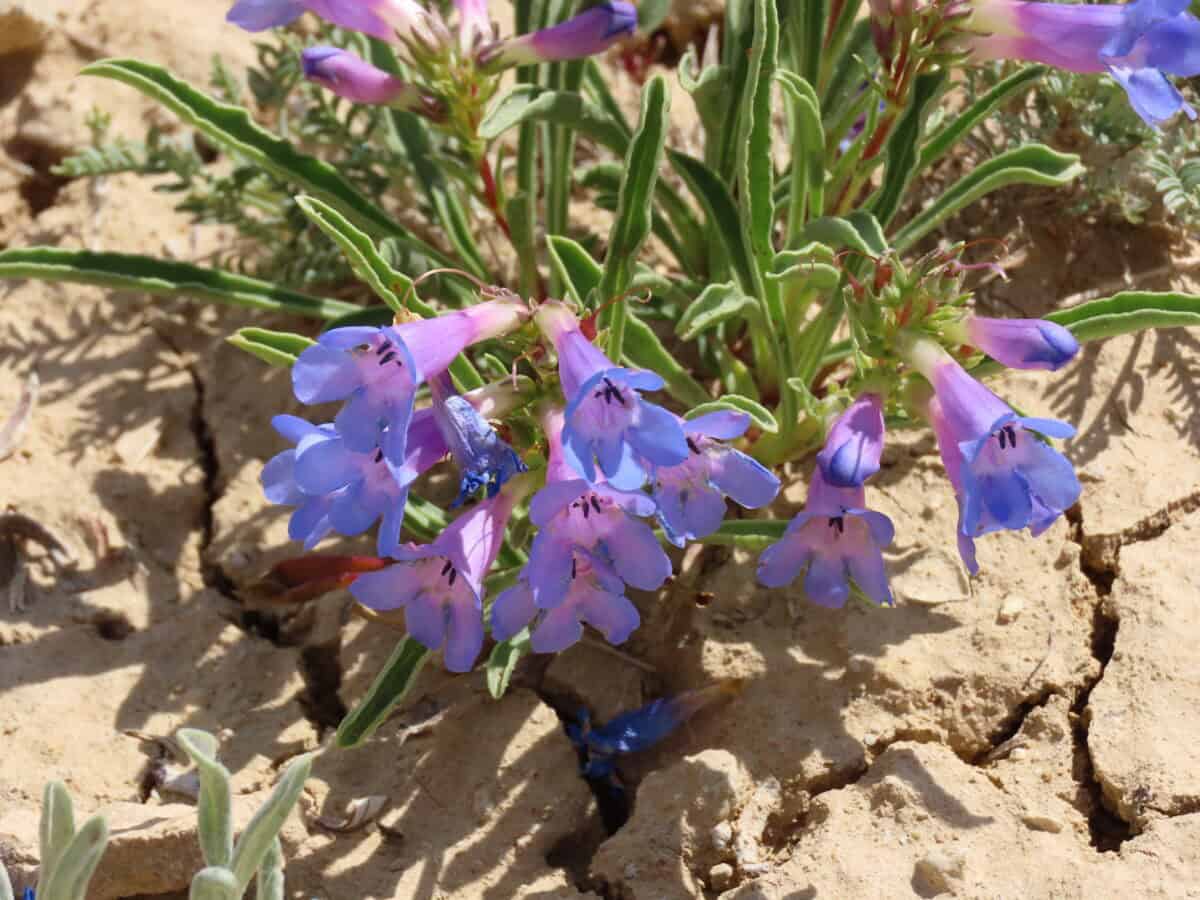
The story of Earth’s first spring is inextricably linked to the evolution of flowering plants (angiosperms). Flowering plants first appear in the fossil record approximately 135 million years ago during the Early Cretaceous period. Their explosive diversification—called “Darwin’s abominable mystery” due to its apparent suddenness—transformed Earth’s landscapes. Unlike their predecessors, angiosperms evolved sophisticated reproductive strategies that often relied on seasonal cues to coordinate flowering. The fossilized flowers that revealed Earth’s first spring show anatomical features specifically adapted for seasonal growth cycles, including dormancy mechanisms, specialized bud structures, and efficient pollination strategies timed to seasonal insect activity. These adaptations allowed flowering plants to take maximum advantage of favorable growing conditions during spring, with its combination of increasing light, warming temperatures, and often abundant moisture. This evolutionary innovation proved remarkably successful—angiosperms now comprise approximately 90% of all plant species on Earth, their success built upon the seasonal strategies first developed during Earth’s initial spring seasons.
Dating Earth’s First Spring
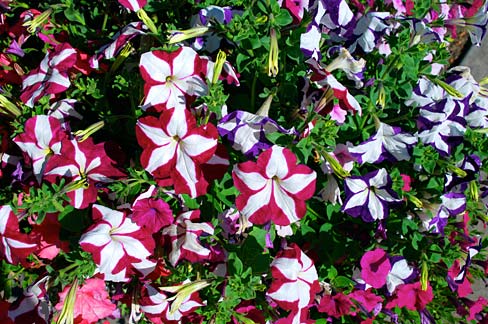
Through precise radiometric dating techniques applied to the rock formations containing these fossilized flowers, scientists have narrowed down Earth’s first true spring to approximately 115-105 million years ago during the mid-Cretaceous period. This dating relies on analyzing radioactive isotopes in the surrounding rock layers, particularly using potassium-argon and uranium-lead dating methods. Supporting evidence comes from analyzing ancient pollen assemblages preserved in sedimentary rocks from the same period, which show patterns consistent with seasonal flowering cycles. The timing aligns with what paleoclimatologists call the “mid-Cretaceous thermal maximum,” a period of particularly warm global temperatures that was followed by the establishment of more defined climate zones and seasonal patterns. This timeframe also corresponds with major evolutionary radiations of insect pollinators, suggesting a co-evolutionary relationship between seasonal flowering patterns and the animals that facilitated plant reproduction—a relationship that continues to define spring landscapes today.
Reading the Seasonal Signals in Fossils
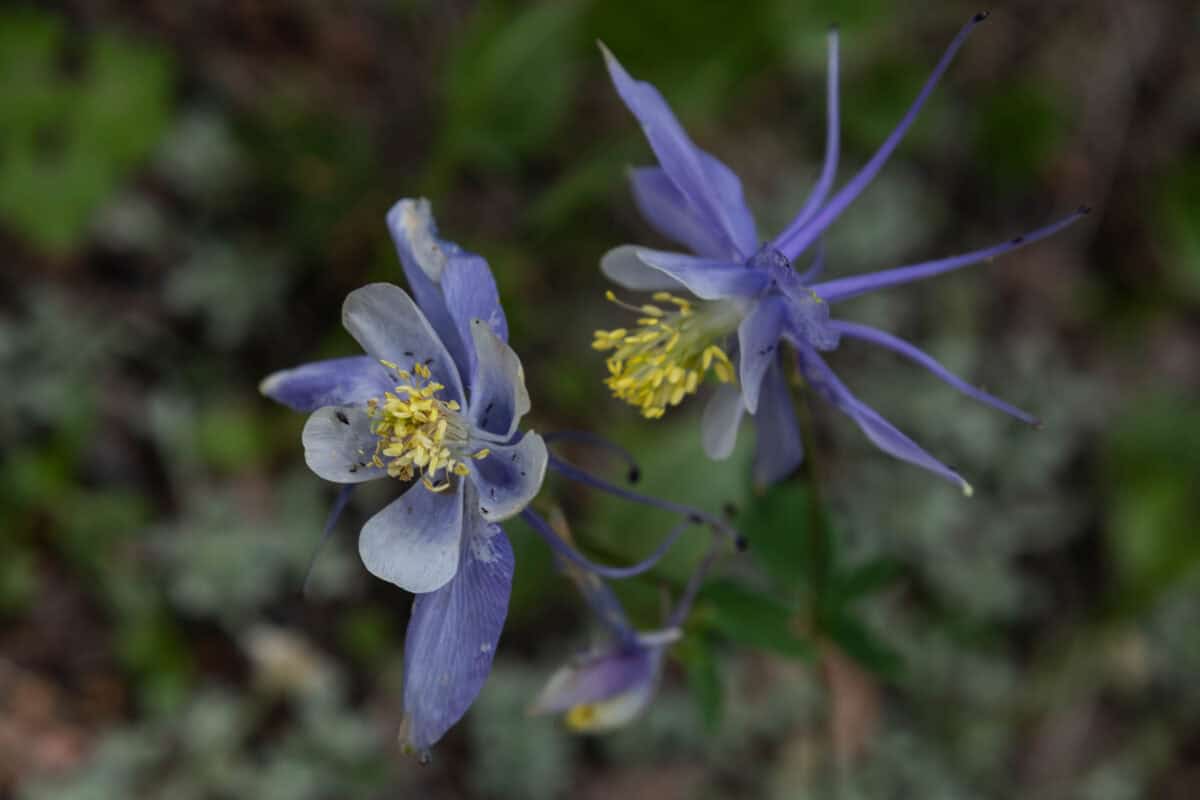
Determining seasonal patterns from fossilized plants requires sophisticated analytical approaches. Scientists examine growth rings in fossilized wood, which form distinctly in seasonal environments with alternating growing and dormant periods. In the flower fossils that revealed Earth’s first spring, researchers identified specialized cellular structures associated with breaking dormancy—a key indicator of seasonal adaptation. Chemical analysis of preserved plant tissues also provides vital clues, as the ratios of certain elements and isotopes vary based on growth conditions and can indicate seasonal patterns. Particularly telling are the distributions of preserved pollen grains, which show evidence of synchronized release timed to seasonal conditions. The density and arrangement of vascular tissues within stems and flower structures further reveal adaptations to seasonal resource availability. Even the preserved positions of flower buds on stems can indicate whether plants experienced predictable favorable growing periods that would warrant investing energy in reproductive structures at specific times—a hallmark of seasonal adaptation.
Global Variations in the First Spring
Earth’s first spring did not arrive uniformly across the planet. The fossil record indicates that seasonal patterns emerged at different times and with varying characteristics depending on latitude, proximity to ancient oceans, and local topography. Regions near the ancient equator experienced less pronounced seasonal changes, while areas at higher paleolatitudes show stronger evidence of distinct growing seasons. Coastal areas likely experienced moderated seasonal transitions due to the temperature-buffering effect of oceans, while continental interiors show evidence of more extreme seasonal variations. The fossilized flower record also suggests that spring arrived earlier and lasted longer in some regions compared to others, much as it does today. This geographical variation in seasonality drove different evolutionary adaptations among flowering plants, contributing to the tremendous biodiversity we see in angiosperms today. Some fossil deposits show evidence of flowering patterns synchronized with monsoonal climate systems rather than temperature-driven seasons, indicating that different regional climate drivers could produce variations of “spring” conditions.
The Ecological Cascade
The establishment of a true spring season triggered profound ecological changes that rippled throughout ancient ecosystems. As flowering plants adapted to take advantage of predictable favorable conditions, animal species evolved in response. The fossil record shows a diversification of pollinating insects coinciding with the emergence of seasonal flowering patterns. Evidence of specialized feeding structures in insect fossils from this period suggests co-evolution between plants and their pollinators. Vertebrate animals also responded to this new seasonal rhythm, with fossil evidence indicating changes in migration patterns, breeding behaviors, and dietary adaptations. The predictable annual burst of plant growth during spring provided a reliable food pulse that could support larger and more diverse animal communities. This ecological cascade fundamentally restructured food webs and energy flows through ecosystems. The emergence of spring essentially created a new ecological niche—a predictable window of abundant resources that countless species evolved to exploit, leading to increased biodiversity and more complex ecological relationships.
Spring Through Earth’s History
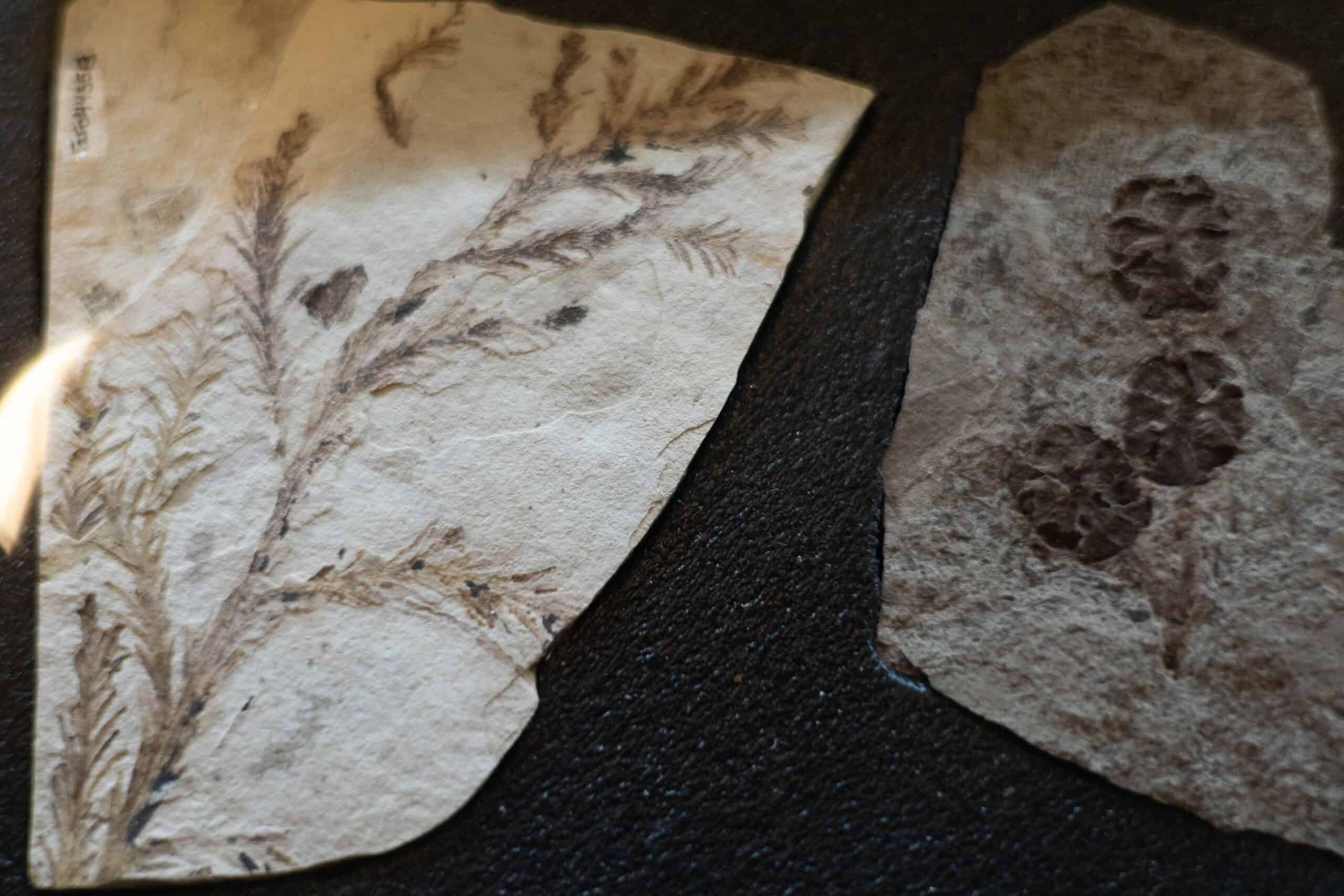
Since its first appearance approximately 110 million years ago, spring has not remained constant. The fossil record reveals that the character of spring has fluctuated dramatically through Earth’s history. During the warm greenhouse periods of the late Cretaceous, spring transitions were likely more subtle in temperature but marked by changing light conditions. The global cooling that began in the Cenozoic era led to more pronounced temperature-driven springs. The onset of the Pleistocene ice ages approximately 2.6 million years ago created extreme seasonal contrasts, with springs that arrived suddenly after harsh winters. Pollen records from ancient lake beds and peat deposits show how spring flowering assemblages have shifted with changing climates, with different plant species becoming spring dominants as conditions changed. Even in more recent times, spring characteristics have continued to evolve—research on fossilized pollen from the past 20,000 years shows significant changes in spring timing and plant community composition during the transition from the last ice age to our current interglacial period, demonstrating the dynamic nature of this season throughout Earth’s history.
Modern Implications and Future Research
The discovery of Earth’s first spring holds significant implications for understanding both Earth’s history and its potential future. By establishing when predictable seasonal patterns first emerged, scientists gain insights into a major evolutionary driving force that shaped modern biodiversity. This research also provides important context for understanding current climate change impacts. As human activities alter global climate patterns, we are effectively conducting an unintended experiment with Earth’s seasons—changing their timing, duration, and intensity. The fossil record of Earth’s first spring and subsequent seasonal variations offers valuable perspectives on how ecosystems might respond to these changes. Future research directions include more precise mapping of seasonal emergence across different ancient regions, better understanding the interplay between seasonality and major evolutionary innovations, and developing improved computer models that can simulate ancient seasonal patterns. These models, calibrated against the fossil record, could help predict ecosystem responses to ongoing and future climate alterations, making ancient flowers not just windows to the past but possible guides for navigating our planetary future.
Conclusion: Blossoms Through Time
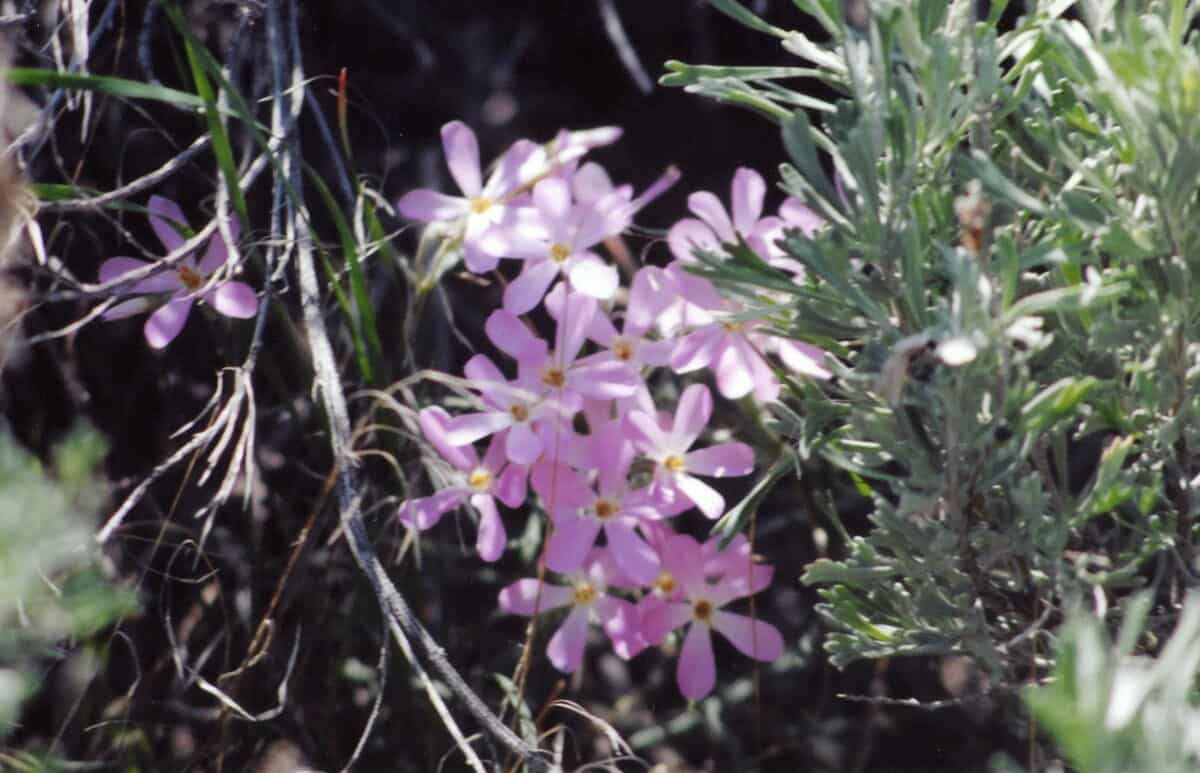
The discovery of fossilized flowers that reveal Earth’s first true spring represents a remarkable scientific achievement that bridges paleobotany, climatology, geology, and evolutionary biology. These ancient blooms, preserved in stone for over 100 million years, tell us not just about plants that once existed but about the fundamental rhythms of our planet that shaped all life as we know it today. The emergence of spring—with its predictable patterns of warming, increased light, and biological awakening—created new evolutionary opportunities that transformed Earth’s ecosystems and set the stage for modern biodiversity. As we experience each modern spring, with its explosion of flowers and renewal of life, we are witnessing the continuation of a planetary pattern that has been recurring, albeit with variations, for over 100 million years. In these ancient fossilized flowers, we find not just scientific data but a profound connection to Earth’s deep history—a reminder that the seasonal cycles we sometimes take for granted represent one of our planet’s most significant and enduring innovations.

- Why a Single Blue Whale Can Reshape an Entire Ecosystem - July 22, 2026
- The Truth About Giraffes’ Silent Communication Skills - July 22, 2026
- 10 Fierce Animals That Match Elon Musk’s Fearless Ambition - July 22, 2026