
Most people who spend time around horses eventually notice something odd. Two riders can work with the same animal, use the same tack, and ask for the same movements, yet the horse responds to each of them in a completely different way. The gap often has little to do with skill alone.
It has to do with trust, and trust is built in small moments that most of us barely notice. Some of those moments happen long before anyone puts a foot in a stirrup. Here are six areas that shape whether a horse sees you as a stranger, a boss, or something closer to a partner.
Learn to Speak Horse Before Asking Them to Speak Human
🔥 Would you like to save this?
We'll email this post to you, so you can come back to it later!
Horses are prey animals, and their whole communication system is built around staying safe in a herd. They talk mostly through posture, ear position, eye softness, breathing, and movement. A tight jaw, a raised head, or a swishing tail can tell you far more than any vocalization.
Spend some time just watching, ideally in a pasture where horses interact with each other. Notice who moves whom, who stands relaxed, and who keeps one ear turned back. The more fluently you read those signals, the less likely you are to misinterpret fear as stubbornness.
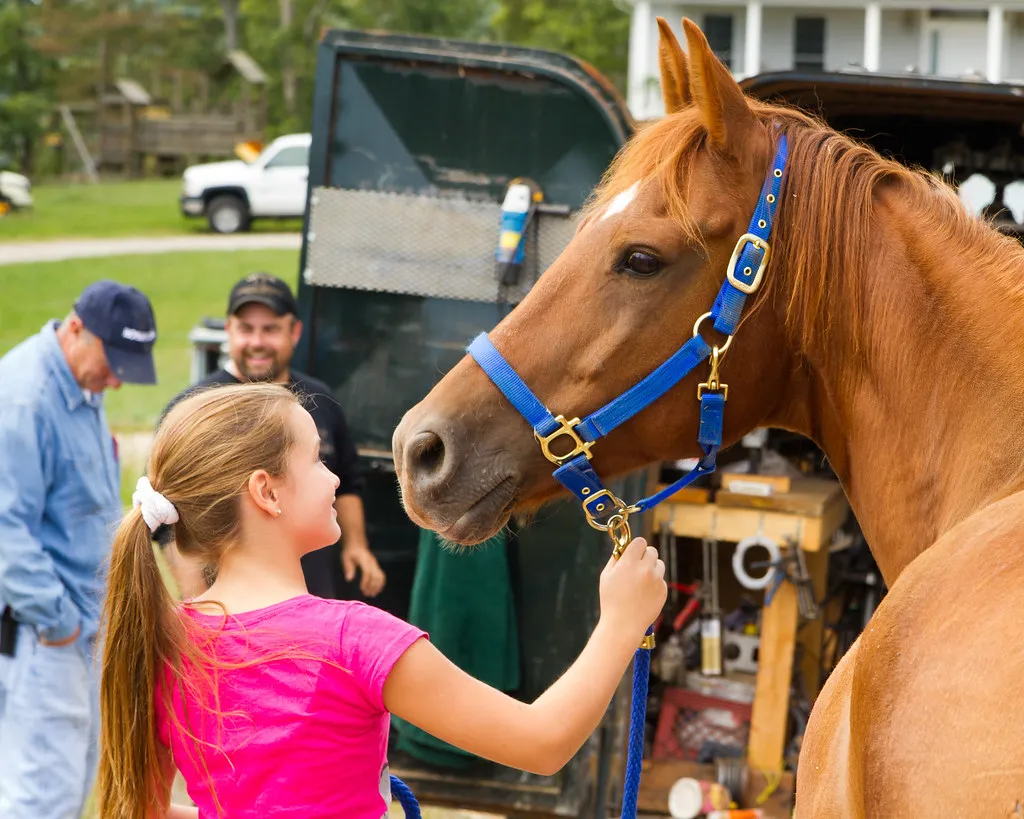
Your own body is speaking too, whether you mean it to or not. Horses are very sensitive to tension, rushed movements, and held breath. Slowing down, softening your shoulders, and exhaling deliberately can change how an animal reads you within a few minutes.
Make Trust Out of Ordinary Daily Moments
🔥 Would you like to save this?
We'll email this post to you, so you can come back to it later!
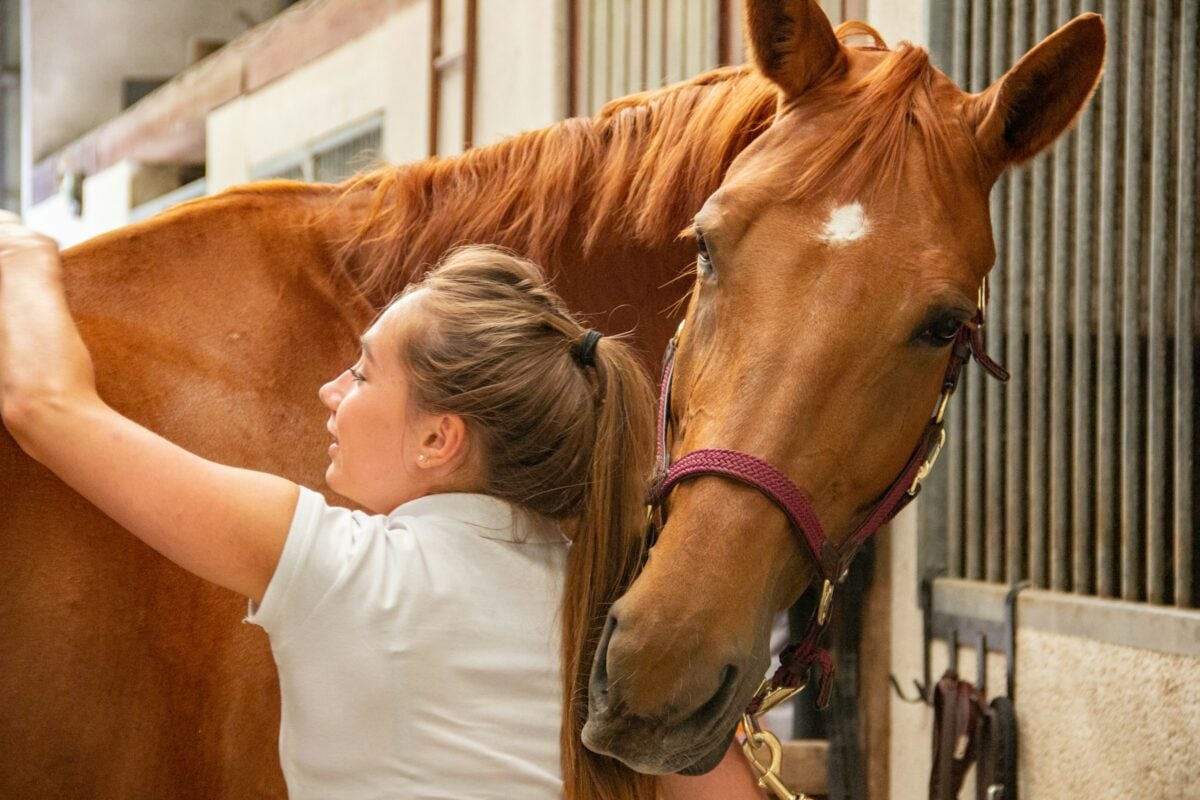
Bonding doesn’t need grand gestures. It tends to grow out of routine care: grooming, hand walking, picking hooves, hosing off after a ride. These tasks give you repeated chances to be calm, predictable, and kind, which is exactly what a flight animal looks for in a companion.
Consistency matters more than intensity. A horse that knows what to expect from you at the gate, in the cross ties, and at feeding time can relax in a way that an unsure horse can’t. Even ten quiet minutes of grooming with no agenda can do more than an hour of tense drilling.
Respect Their Boundaries Without Losing Your Own
🔥 Would you like to save this?
We'll email this post to you, so you can come back to it later!
A strong bond isn’t the same as a horse that never says no. Good partnerships include clear, fair limits on both sides. A horse that crowds your space or pins its ears needs a calm, consistent response, not anger and not a shrug.
Equally, listen when your horse is telling you something. Pain, ill fitting tack, dental trouble, or sore backs often show up as behavior problems. If a usually willing horse suddenly resists, it’s worth ruling out a physical cause with your vet, saddle fitter, or equine bodyworker before assuming a bad attitude.
Use Training That Rewards Curiosity and Calm
🔥 Would you like to save this?
We'll email this post to you, so you can come back to it later!
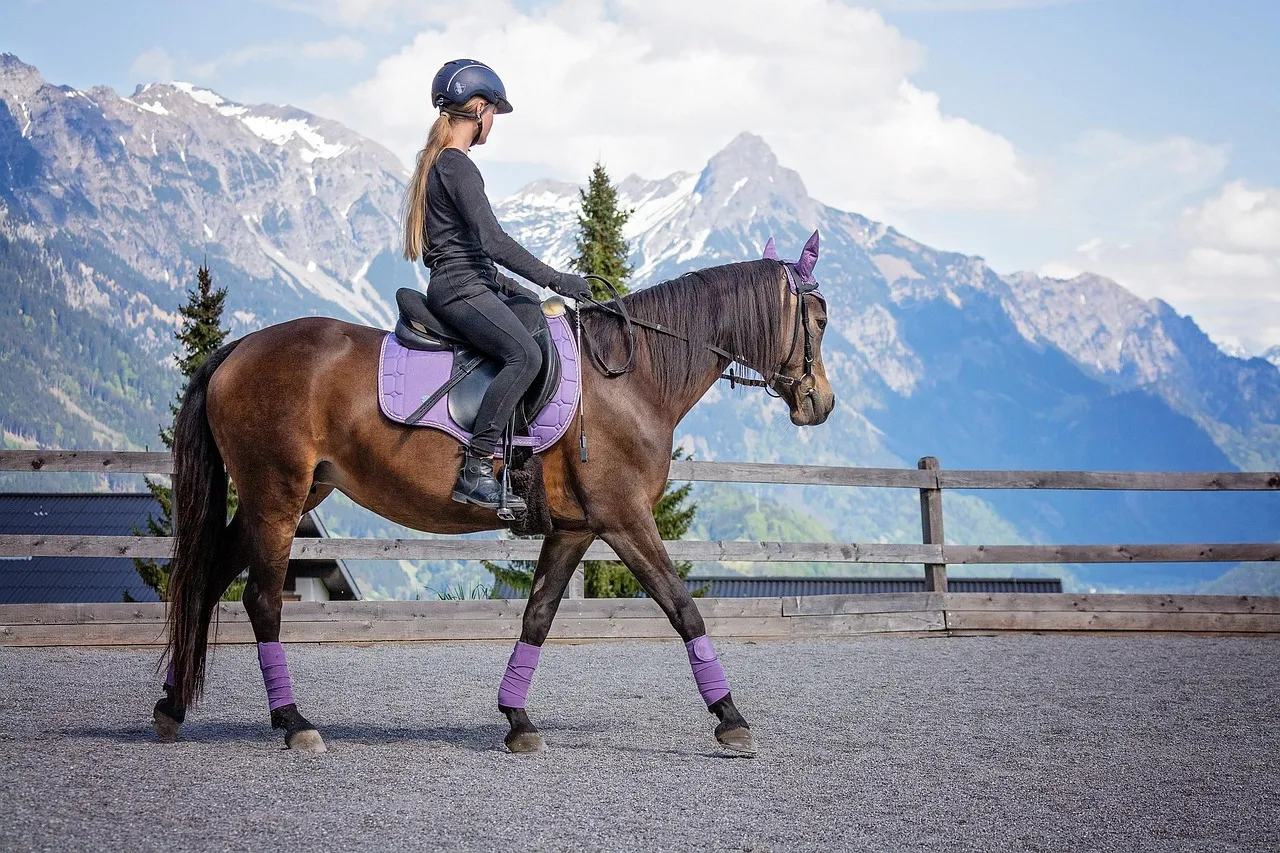
Modern horse training leans increasingly on understanding how animals learn. Releasing pressure at the right moment, rewarding try, and keeping sessions short all help a horse understand what you want without feeling cornered. Many trainers also use positive reinforcement, such as food rewards, for certain tasks, though approaches vary and horse people debate the details.
Whatever method you favor, aim for clarity and fairness. End sessions on a good note, even if that means asking for something small. A horse that leaves the arena feeling successful is more likely to walk up to you the next day.
Give Them a Life That Fits Being a Horse
🔥 Would you like to save this?
We'll email this post to you, so you can come back to it later!
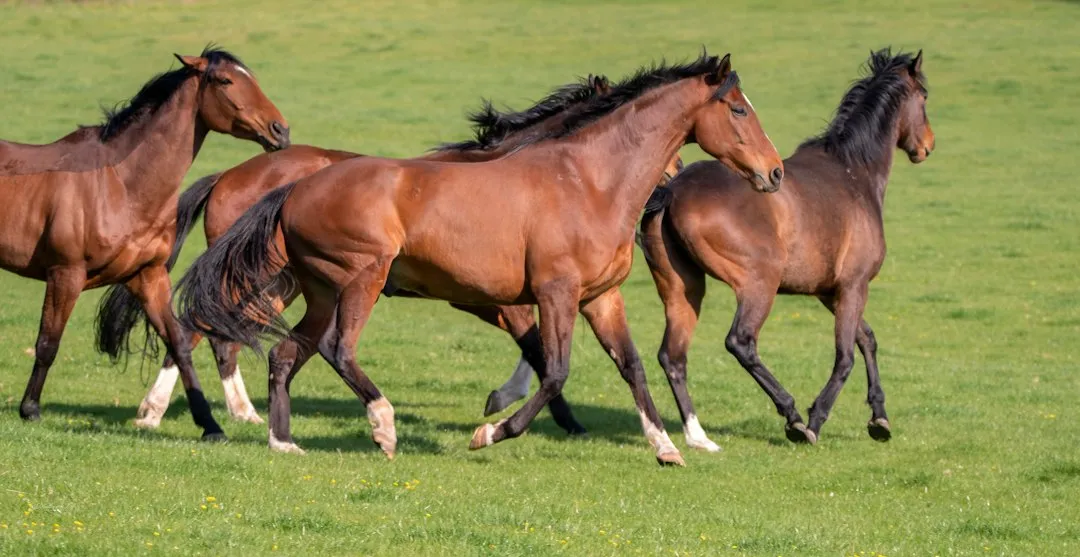
Horses are built to move, graze, and live alongside other horses. Plenty of turnout, forage available for much of the day, and social contact with other horses support both physical health and mental ease. A horse that is stressed, isolated, or bored will find it harder to focus on you.
Your own care shows up in small ways too. Regular hoof care, dental checks, sensible feeding, and fitted tack all tell your horse, in a language it understands, that you’re paying attention. Over time that attention becomes part of why they trust you.
Be Patient, Because Real Bonds Take Time
🔥 Would you like to save this?
We'll email this post to you, so you can come back to it later!
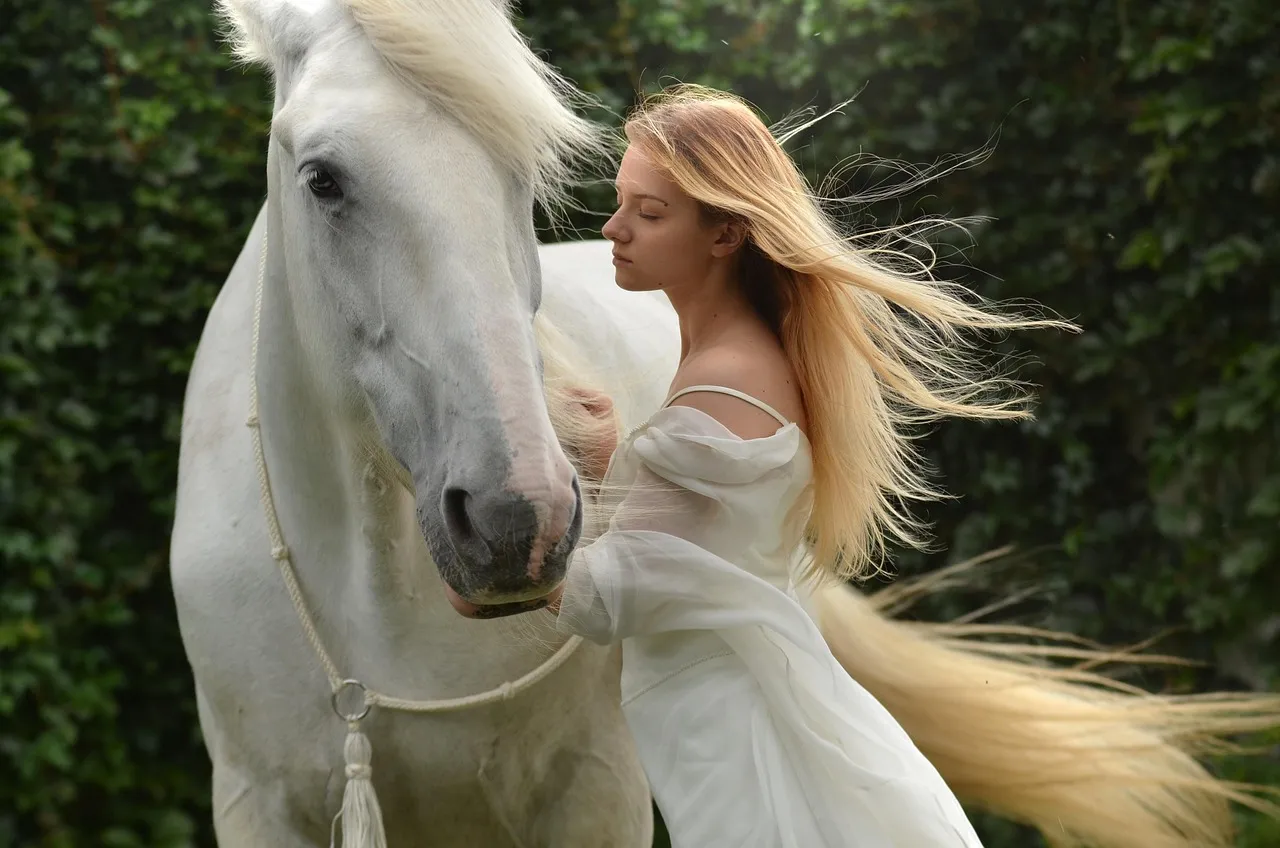
There’s no fixed timeline for connection. A rescue with a rough past may need months before it lets its guard down, while a confident young horse might seem friendly on day one but still need time to truly rely on you. Setbacks are normal and don’t erase progress.
Watch for the quiet signs. A horse that nickers when you arrive, lowers its head, sighs, or chooses to stand near you in the field is showing real comfort. Those small moments are the best measure you’ll get.
Final Thoughts
🔥 Would you like to save this?
We'll email this post to you, so you can come back to it later!
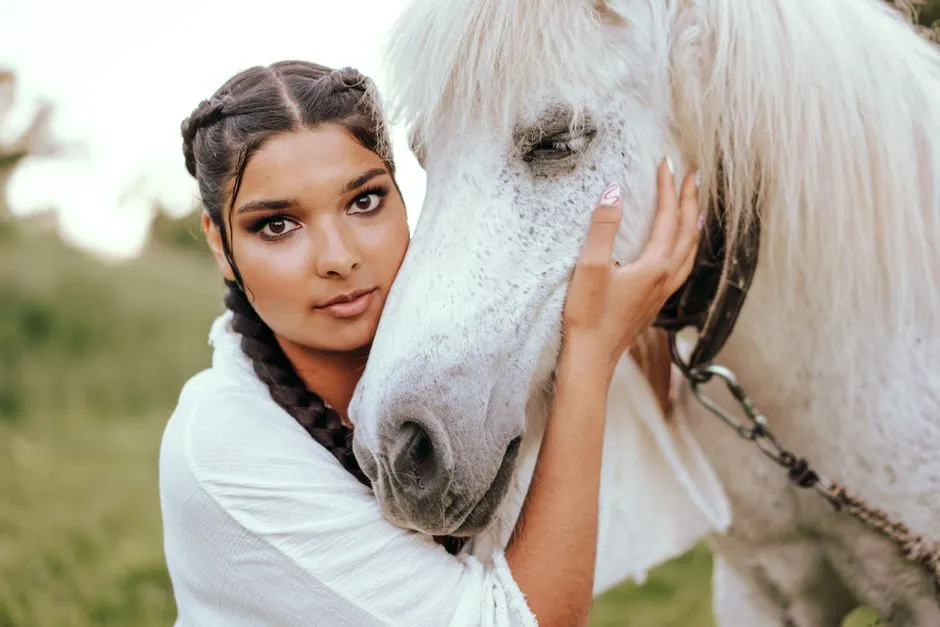
I’ll say it plainly: the bond people want with their horses is rarely won through gadgets, shortcuts, or dominance. It comes from attention, patience, and a willingness to admit that the horse often knows something you don’t. If a partnership is struggling, the most useful question is usually what the horse is trying to tell you, not how to make it comply.
That shift is humbling, and it’s also where the best relationships begin. Show up calmly, listen closely, and keep your promises. The horse will notice long before you do.

- 7 Everyday Habits That Can Make Your Senior Dog Happier - November 5, 2026
- 10 Enigmatic Structures That Continue to Puzzle Scientists Today - November 5, 2026
- 10 Strange Ruins in the Americas That Challenge What We Know About Early History - November 5, 2026