

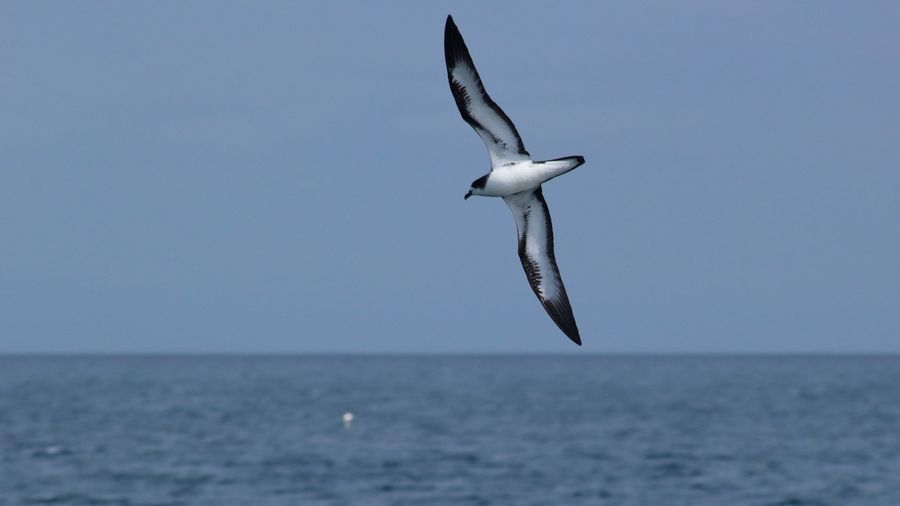
Galápagos Islands — Private landowners across the archipelago now hold a pivotal role in shielding the critically endangered Galápagos petrel from oblivion. These seabirds, which vanish into the vast Pacific for most of their lives, return to remote highland burrows only to face voracious invasive predators and habitat loss. Conservationists have long waged a determined campaign against these threats, but a fresh initiative aims to enlist thousands of locals in fortifying the petrels’ fragile nesting sites. The stakes could not be higher for a species teetering on the brink.
A Life Spent in Shadows
Even though it is an oceanic bird, the Galápagos petrel rarely graces human sight. These seabirds dedicate the bulk of their existence to the open ocean, pursuing squid and fish across endless waves. They descend to land solely for breeding, choosing mist-shrouded highlands cloaked in dense vegetation on islands including San Cristóbal, Floreana, Santa Cruz, Isabela, and Santiago.
Paola Sangolquí, marine conservation coordinator with the Ecuadorian NGO Jocotoco, highlighted this elusiveness during a recent interview. Nesting occurs in burrows or natural crevices far from settlements, and the birds’ nocturnal habits render them nearly invisible. Foggy, misty conditions in these elevated zones further obscure their presence, turning detection into a challenge for researchers and protectors alike.
Plummeting Numbers Signal Alarm
The Galápagos petrel population has dwindled dramatically over the past six decades, with a sharp drop through the 1980s. The latest assessment from the IUCN Red List pegs the remaining individuals at around 15,000, though discoveries of new colonies suggest the figure might reach 20,000. Invasive species rank as the primary culprits, preying directly on eggs, chicks, and adults while ravaging the burrowed habitats essential for survival.
These outsiders disrupt an ecosystem evolved in isolation, amplifying every disturbance. Rats, cats, and other invasives feast unchecked in the absence of natural controls, driving nest failure rates skyward. Habitat degradation compounds the issue, as altered vegetation exposes burrows and erodes the moist soil petrels rely on for digging.
Refined Strategies from Years of Effort
Conservation measures spanning decades have evolved into targeted defenses against these perils. Early interventions focused on eradicating invasives from key sites, yielding measurable recoveries in protected zones. Biosecurity protocols now guard against reinvasion, while habitat restoration replants native species to reclaim highland refuges.
Monitoring technologies, from acoustic lures to camera traps, have sharpened population tracking despite the birds’ secrecy. These tools reveal breeding success and pinpoint hotspots, allowing resources to flow where needed most. Success stories from islands like Santa Cruz demonstrate that sustained pressure on threats can stabilize local colonies, offering a blueprint for broader application.
Empowering Locals for Lasting Protection
A bold new program seeks to engage thousands of Galápagos private landowners, transforming them into frontline stewards. Many nesting areas fall on private holdings, making owner buy-in essential for comprehensive safeguards. Participants receive training in invasive control, burrow fencing, and vegetation management, fostering skills that benefit both petrels and their properties.
This community-driven approach builds on proven models but scales up dramatically. Landowners gain incentives like certification programs that highlight their conservation role, potentially boosting eco-tourism appeal. Early adopters report heightened awareness of the petrels’ plight, with some altering land use to prioritize burrows over grazing.
- Training in predator trapping and removal techniques.
- Installation of protective barriers around active nests.
- Restoration of native ferns and shrubs for camouflage and soil stability.
- Community monitoring networks to share sightings and data.
Toward a Stable Future
These combined efforts mark a turning point for the Galápagos petrel, blending scientific precision with grassroots resolve. While challenges persist, the convergence of refined tactics and landowner commitment offers real hope. Islanders, long tied to the archipelago’s unique biodiversity, now carry forward a legacy of protection that could secure these seabirds for generations. The petrels’ survival hinges on this human alliance, a reminder that isolated islands demand collective vigilance.

- Urban Coyotes Show Remarkable Adaptability, Learning to Thrive in City Environments - July 22, 2026
- Beavers Are Nature’s Engineers, Creating Vital Habitats for Other Wildlife Species - July 21, 2026
- The Recovery of the California Condor Offers Hope for Other Critically Endangered Birds - July 21, 2026