
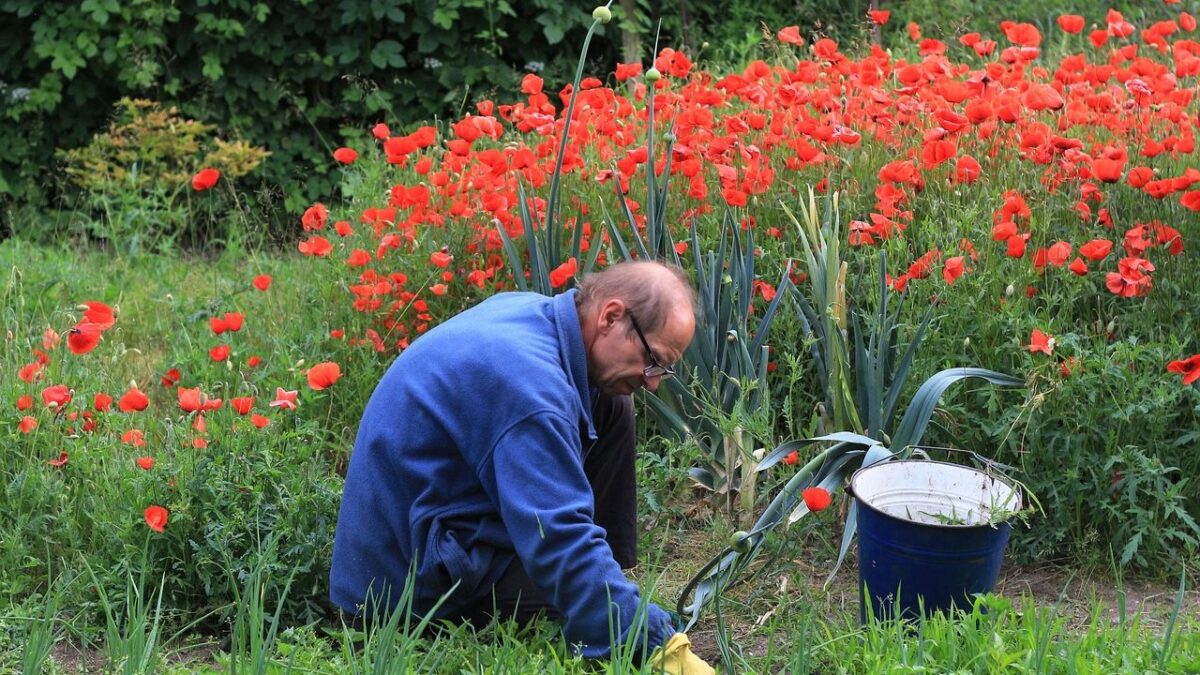
is one of the most rewarding months in the garden. Everything is pushing upward, the beds are full, and the longer days give you more time to tend to it all. It’s easy to feel like things are simply taking care of themselves.
The trouble is, this sense of momentum can lull you into skipping the small but important tasks that keep a garden genuinely healthy. is an exciting month because everything is getting in full swing and growing well, but there is so much going on that it’s easy to forget some important jobs in the rush to get everything done. The mistakes that follow are among the most common, and thankfully, nearly all of them are straightforward to fix once you know what to look for.
Getting Watering Wrong – Timing, Depth, and Direction
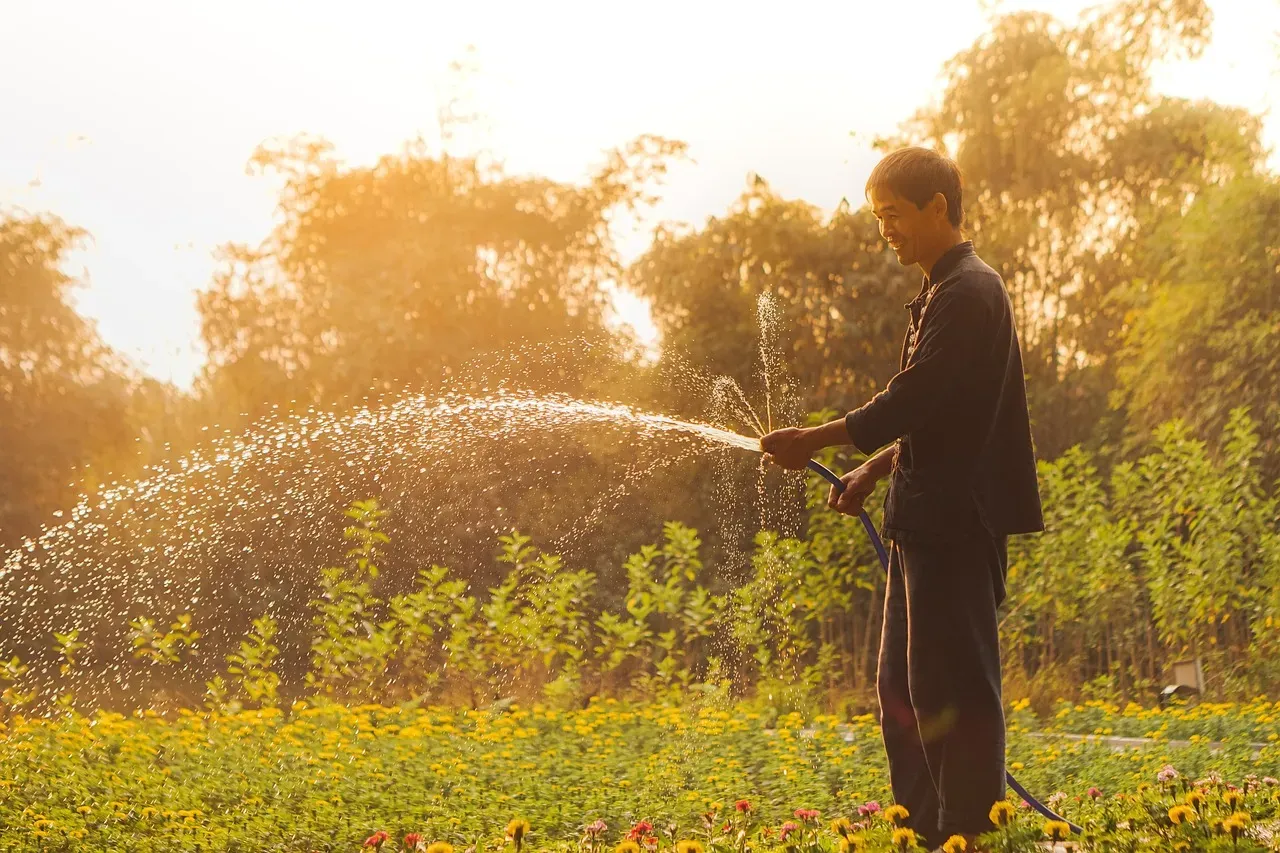
Watering seems simple until you realize how many ways it can quietly go wrong. The best time to water your garden in summer is from 5 am to 9 am, before the heat of the day sets in, giving the soil plenty of time to absorb water and allowing any moisture on leaves to dry off before nightfall.
Watering in the blazing heat of midday is one of the most counterproductive mistakes you can make. When water is applied during peak sun, it can evaporate almost instantly or even cause a burn effect on more delicate plants.
It is better to give the soil a really good drenching two or three times a week than to water lightly every day. Deep watering encourages roots to follow moisture downward, which makes plants more drought-resilient over time.
In intense heat, watering from above can scorch leaves, waste water through evaporation, and increase the risk of fungal diseases like powdery mildew and black spot. Many gardeners use an overhead hose for years without connecting this habit to the disease problems they keep seeing. Aim at the base of each plant whenever you can.
Plants that experience a rollercoaster of thirst and flooding pay a real price for it. Blossom end rot, cracked fruit, and stunted growth are all signs that moisture levels are swinging too wildly. Consistency matters far more than the exact amount of water you use each time.
Letting Weeds Get the Upper Hand
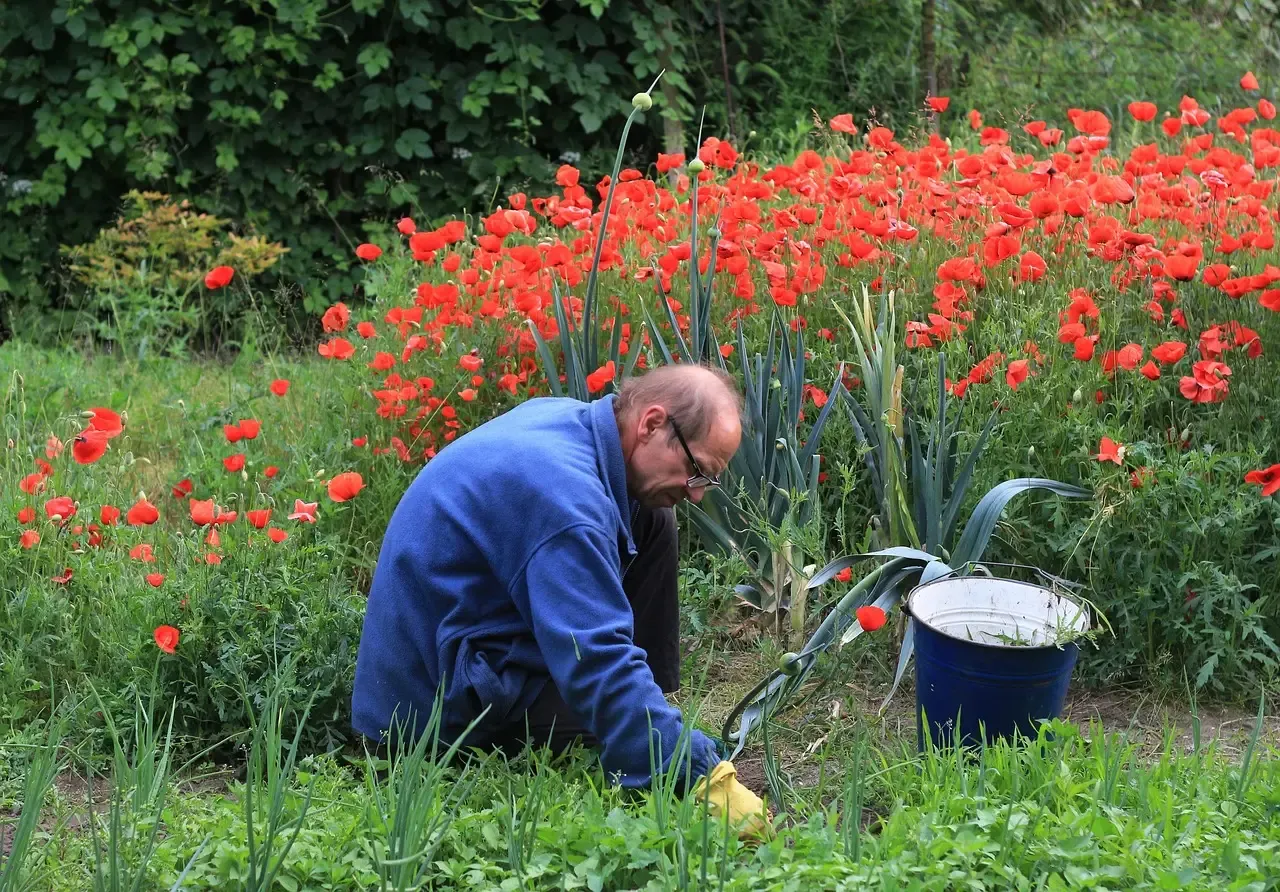
Putting off weeding “until tomorrow” is a huge June gardening mistake because invasive weeds will happily take advantage of good summer weather and out-compete plants, stealing food, water, and light. A few days of procrastination can translate into a significant problem by the end of the month.
Heat allows weeds to grow quickly, and many common weeds are well-adapted to warm conditions. Try to get out every couple of days to remove weeds from your garden, as they are much easier to remove when they are small.
Keep in mind that weeds are also using precious water, so by removing them, you’ll reduce some of the competition for your garden plants. The goal isn’t a perfect, weed-free bed every single day. It’s simply staying consistent enough that weeds never get the chance to establish themselves fully.
Keep on top of weeds during early summer when they are small and easy to pull. If you keep garden plants well-watered and fertilized, they will quickly fill in bare spaces and give weeds fewer places to grow. Mulching bare soil between plants is another effective way to slow weed germination considerably.
Overcrowding Plants and Ignoring Spacing
It’s a trap almost every gardener falls into at least once. The transplants look tiny in early June, the bed looks spacious, and the temptation to squeeze in just a couple more is almost irresistible. One common error that many enthusiastic gardeners make is getting carried away and planting too close together. If plants don’t have enough space, they can’t reach their full potential because they will be competing for food, water, and light.
A crowded border also reduces airflow around plants, making them more susceptible to fungal diseases such as rose black spot and powdery mildew. Plants growing shoulder-to-shoulder also provide a convenient pathway for pests, making it easy for unwanted critters to move from one to the other.
Spacing recommendations on seed packets are based on how large the plant will actually become at maturity. Crowded plants compete for sunlight, water, and nutrients, and air circulation suffers too, which can invite disease.
Resist the urge to over-plant. One healthy, well-spaced plant will outperform several crowded ones every time. It’s a lesson that takes most gardeners a full season or two to properly internalize, but once learned, it rarely needs repeating.
Pruning at the Wrong Time or Skipping Deadheading
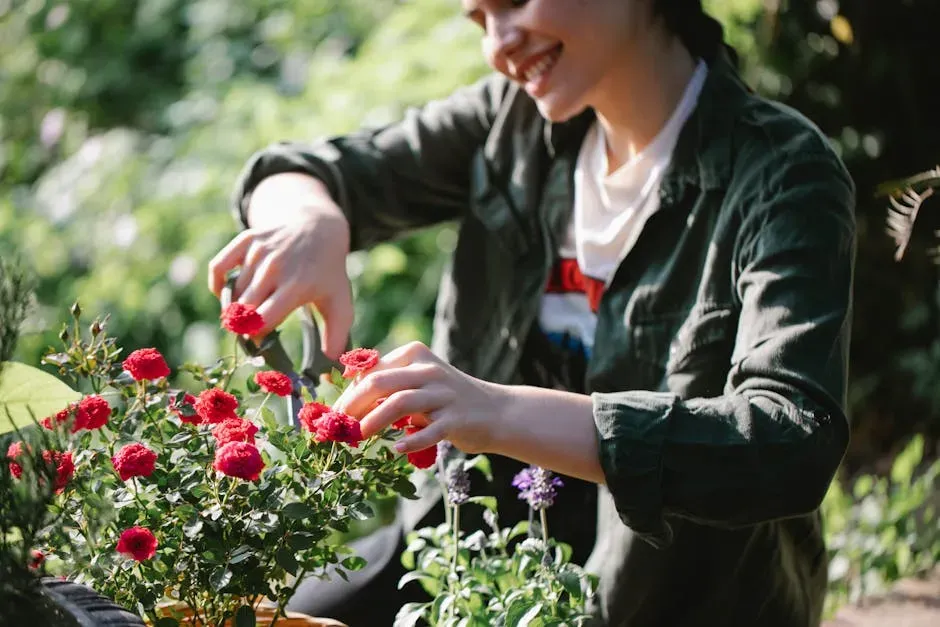
June involves a fair amount of pruning decisions, and getting the timing wrong is easy. The most common results of pruning mistakes are overgrown shrubs, lack of flowers, and excessive leafy growth. It’s worth checking a plant’s pruning needs before making any cuts.
While June is often an ideal time to prune certain plants, keep in mind that when it’s extremely hot outside, your plants are already stressed. Pruning is another stressor, so if possible, try to wait until conditions have cooled slightly before trimming your plants.
Only prune when there is no rain in the forecast and humidity is low. This limits the likelihood of infection as the plants heal the wounds left by pruning. Pruning on damp days, particularly for boxwood or roses, can actively spread fungal problems rather than prevent them.
Beyond pruning, deadheading is a June job that many gardeners skip when busy. Removing spent blooms prevents plants from putting energy into seed production and keeps flowering going for far longer through the summer. One classic mistake gardeners make relates to sweet pea tying and harvesting. Gardeners tend not to do it often enough, and regular harvesting is essential to keep the plants producing.
Ignoring Pests Until the Damage Becomes Obvious
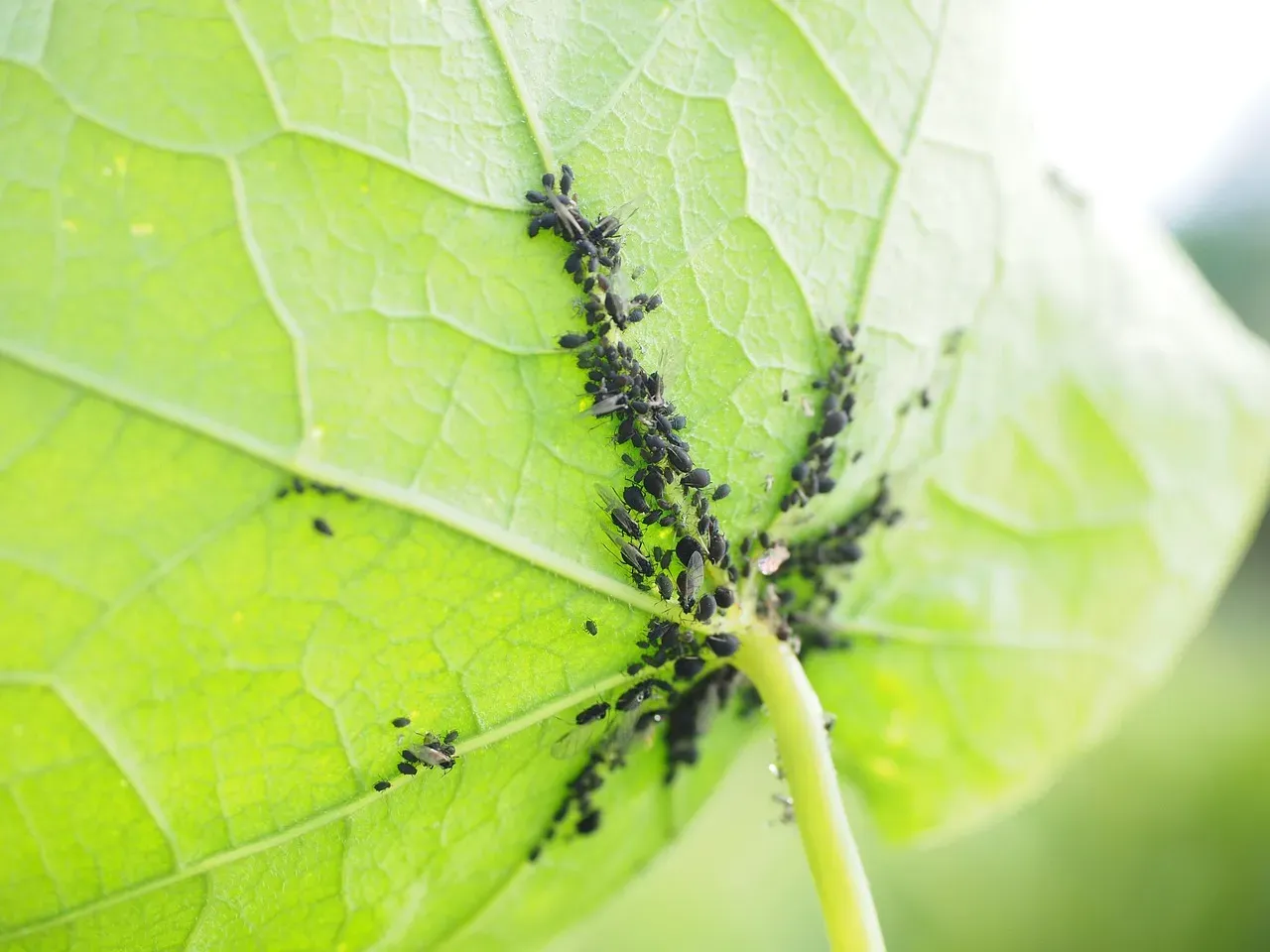
A few aphids on a leaf don’t seem like a crisis, but pest populations can explode in warm weather. By the time you notice significant damage, the infestation may be well established and much harder to manage. Early detection is genuinely one of the most valuable habits a gardener can build.
Letting aphids or squash bugs get established is asking for trouble. Ignoring hornworms on tomatoes can result in half the foliage being devoured before you even notice they’re there. A few minutes of close observation on a regular basis is far less work than managing an entrenched infestation.
Walking the beds for a few minutes most mornings and checking the undersides of leaves for aphids is a practical habit. If you find them, start gently: prune the worst leaves, give a strong blast of water, and let ladybugs and lacewings do their work.
It’s easy to ignore the first signs of pests or diseases, but doing so can cost you the plant entirely. Check regularly for any unusual spots, holes, or chewed leaves. If anything looks abnormal, take action to identify and correct the problem right away. Whether it’s handpicking pests, applying organic pest controls, or pruning infected foliage, early intervention is the key to maintaining a healthy garden.
A Closing Thought
June sets the tone for everything that follows. The beds you tend carefully now, the weeds you pull today, the spacing choices you commit to this week – all of it compounds through July and August into either a garden that thrives or one that struggles.
None of these mistakes are dramatic or irreversible. Most are simply a matter of attention and timing. The gardeners who do well in summer aren’t necessarily the ones with the most experience or the biggest plots. They’re the ones who show up consistently, observe closely, and make small corrections before small problems grow large.
June rewards that kind of steady presence more than almost any other month in the calendar.
