

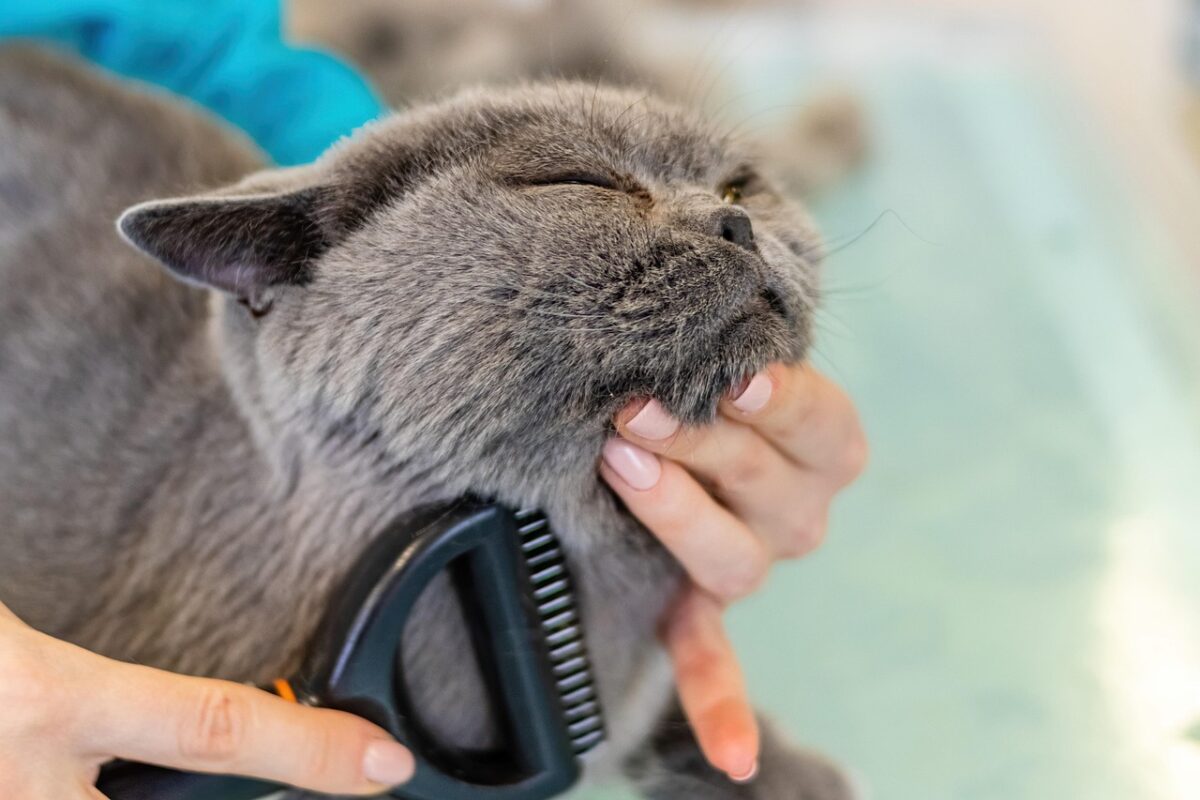

Decoding Feline Grooming Aversion (Image Credits: Pixabay)
Cat owners frequently encounter resistance during grooming sessions, yet tailored approaches can turn these moments into calm routines that maintain healthy coats.
Decoding Feline Grooming Aversion
Cats develop strong dislikes for brushes primarily from physical discomfort. Hard bristles or forceful strokes tug at the skin, creating pain that prompts defensive reactions. Overstimulation quickly follows in prolonged sessions, overwhelming sensitive nerves.
Stress amplifies the issue when cats feel confined or restrained. Past negative encounters, such as rough handling, further entrench fear. Owners notice signals like tail flicking, flattened ears, or sudden swats, which serve as clear warnings to pause.
- Hissing or growling during touch
- Ear pinning or dilated pupils
- Attempted bites or scratches
- Rapid skin rippling
Opting for Softer Grooming Tools
Grooming gloves with rubber or silicone bristles mimic petting motions, capturing loose fur without pulling. These tools allow cats to remain in familiar positions, like lounging on a sofa. Soft-bristle brushes or silicone-tipped options provide gentle massages that loosen shedding hair.
For extreme sensitivity, a dampened hand or unscented pet wipe offers an even subtler start, removing surface debris through simple strokes. Such alternatives prioritize comfort over speed, fostering tolerance over time. Nail clippers also prove essential, shortening claws to minimize scratches during handling.
Building Trust with Micro-Sessions
Positive associations form the foundation of successful grooming. Owners begin by placing tools near food bowls or play areas, letting cats investigate without pressure. Short encounters follow, lasting mere seconds on relaxed cats, paired immediately with high-value treats like tuna.
Sessions expand gradually to one or two minutes, always ending on a high note before discomfort arises. Calming pheromone diffusers enhance relaxation in the environment. Consistency rewards patience, shifting grooming from ordeal to routine interaction.
- Introduce tool visually during meals.
- Stroke once or twice with glove on favored spots.
- Deliver treat and retreat.
- Repeat daily, increasing duration slightly.
- Monitor body language closely.
Addressing Mats in High-Risk Areas
Long-haired breeds prone to tangles require preventive focus on vulnerable spots. Areas behind ears, under collars, armpits, bellies, and hindquarters collect knots rapidly, trapping dirt and causing irritation. Gloves or soft brushes tackle these in brief passes, holding fur near the skin to cushion pulls.
Fingertip techniques detangle minor snarls effectively. Resistance signals the need to stop immediately. Regular vacuuming of surroundings and washing of bedding further reduces loose hair buildup.
Recognizing Limits and Seeking Experts
Severe mats close to the skin demand professional attention to avoid injury. Groomers employ specialized clippers and restraints safely, often with sedation from vets if necessary. Post-procedure care includes monitoring for soreness and using collars to deter licking.
Behaviorists assist with persistent fears through desensitization. Short daily habits, like glove strokes during lap time, sustain progress afterward. Skin checks during sessions reveal issues like flakes or redness, prompting veterinary visits.
Key Takeaways
- Prioritize soft tools and brevity to rebuild comfort.
- Watch for stress cues and end sessions proactively.
- Combine prevention with professional help for mats.
Patience transforms grooming challenges into bonding opportunities, ensuring healthier coats and happier cats. What techniques have worked for your feline friend? Share in the comments.

- Urban Coyotes Show Remarkable Adaptability, Learning to Thrive in City Environments - July 22, 2026
- Beavers Are Nature’s Engineers, Creating Vital Habitats for Other Wildlife Species - July 21, 2026
- The Recovery of the California Condor Offers Hope for Other Critically Endangered Birds - July 21, 2026