

Ever wondered why some people describe themselves as “lone wolves” while others identify as “night owls”? These animal metaphors have become so deeply embedded in our language that we rarely stop to think about their true meaning. Here’s what’s fascinating: wolves and owls represent two completely different approaches to life, yet both have become symbols for personality types that feel misunderstood by mainstream society.
Think about it. When someone calls themselves a lone wolf, they’re usually trying to explain why they prefer working independently or need space to recharge. Meanwhile, night owls proudly claim their late-hour productivity and different energy cycles. Yet these animals couldn’t be more different in their actual behavior and social structures. So which creature truly matches the traits we see in introverts versus extroverts?
The Surprising Social Truth About Wolves
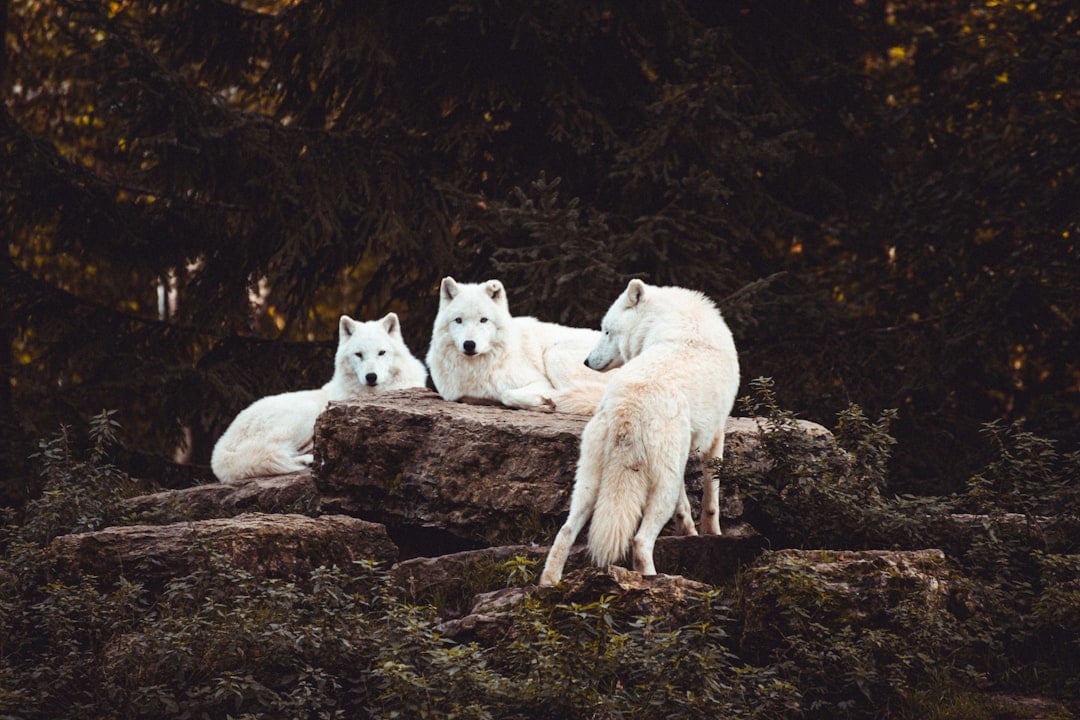
Wolves are complex, highly intelligent animals who are caring, playful, and above all devoted to family, with pack living facilitating the raising and feeding of pups, coordinated hunting, and defense of territory. This reality shatters the popular “lone wolf” image completely.
Wolves, males and females alike, may go through periods alone, but they’re not interested in lives of solitude – a lone wolf is a wolf that is searching, and what it seeks is another wolf, because everything in a wolf’s nature tells it to belong to something greater than itself: a pack. The famous “lone wolf” behavior isn’t about preferring isolation at all.
Why Wolves Actually Match Extroverted Personalities
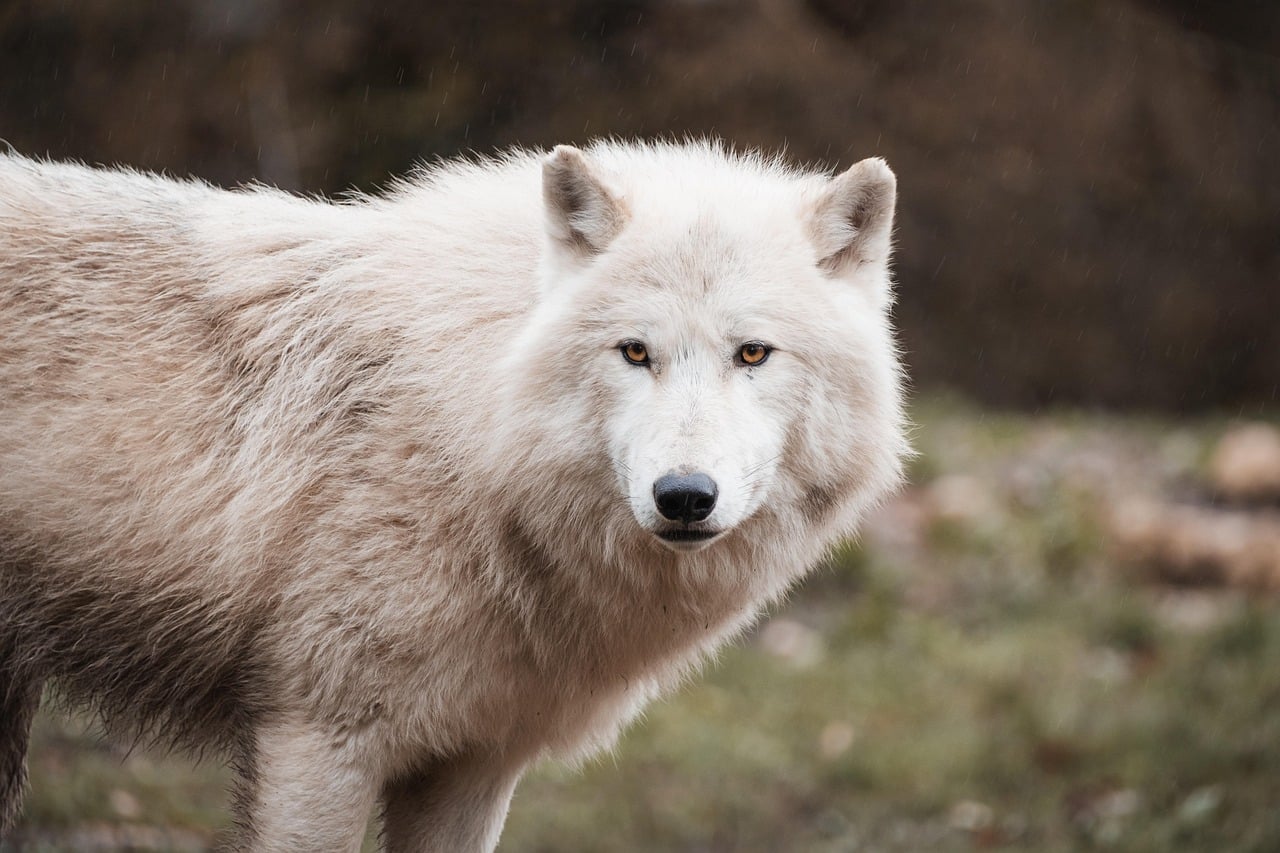
The strongest impression wolves can make on an observer is how friendly they are, with adults being friendly toward each other and amiable towards pups, displaying an innate good feeling happening between them. This sounds remarkably similar to classic extroverted behavior patterns.
The wolf’s strongest personality trait is its capacity for making emotional attachments to other individuals, with such attachments forming quickly and firmly from just a few weeks old, resulting in the formation of the pack as the unit of wolf society. Extroverts show similar patterns of forming social connections and thriving in group dynamics.
The Real Nature of Owl Behavior
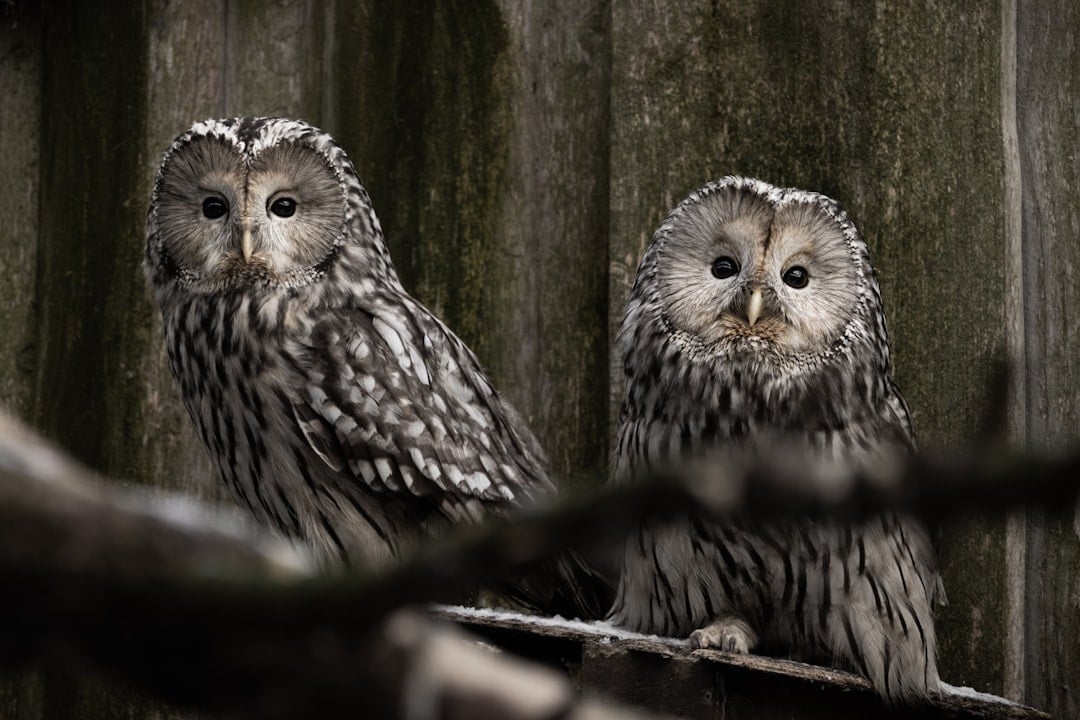
Owls are mostly solitary and nocturnal birds of prey, with many owls living alone most of the year in what is called ‘solitary’ life. This immediately aligns more closely with introverted tendencies toward solitude and independence.
The solitary nature of owls is closely tied to their hunting habits, as primarily nocturnal predators needing large territories to ensure sufficient prey, making territorial behavior a key aspect of their personality. This territorial independence mirrors how introverts often need their own space to function effectively.
How Introverts Mirror Owl Characteristics
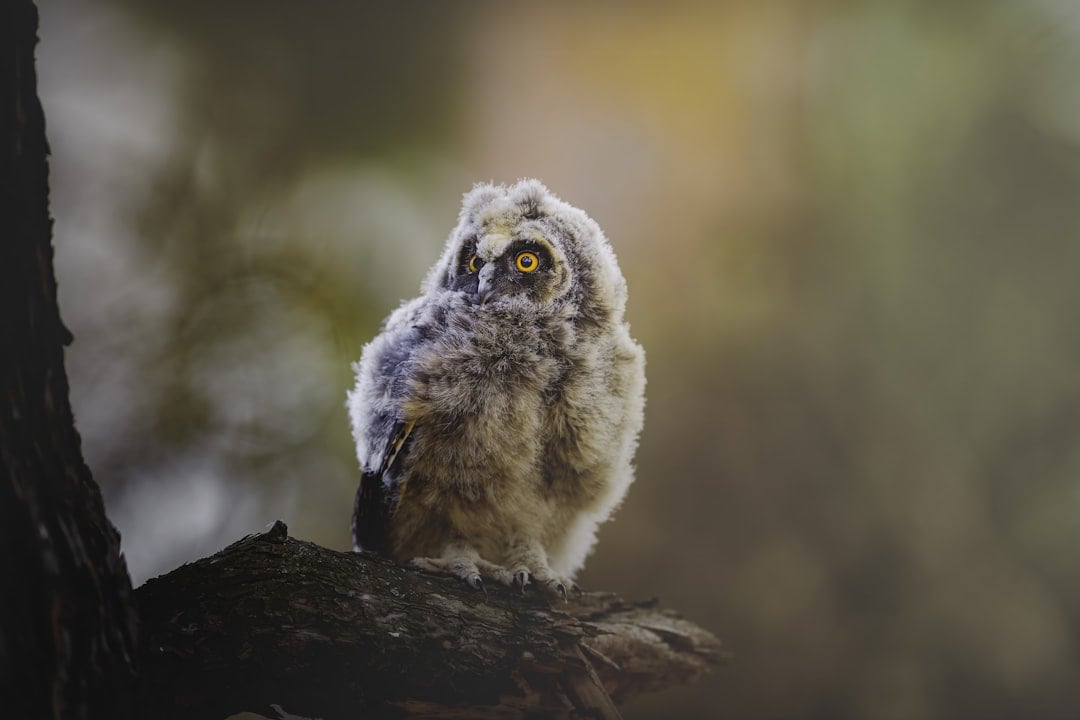
Introversion is characterized by reserve, passivity, thoughtfulness, and a preference to keep emotional states private, with introverts feeling more comfortable and energized in solitary or low-stimulus environments, often finding excessive social interactions draining. These traits perfectly match owl behavior patterns.
Owls spend much of their time in solitary pursuits, liking to hole up in quiet working environments and venture out only when necessary, considering themselves excellent company and being quite happy spending time in their own active minds. This describes many introverts perfectly.
The Pack Mentality That Defines Extroverts
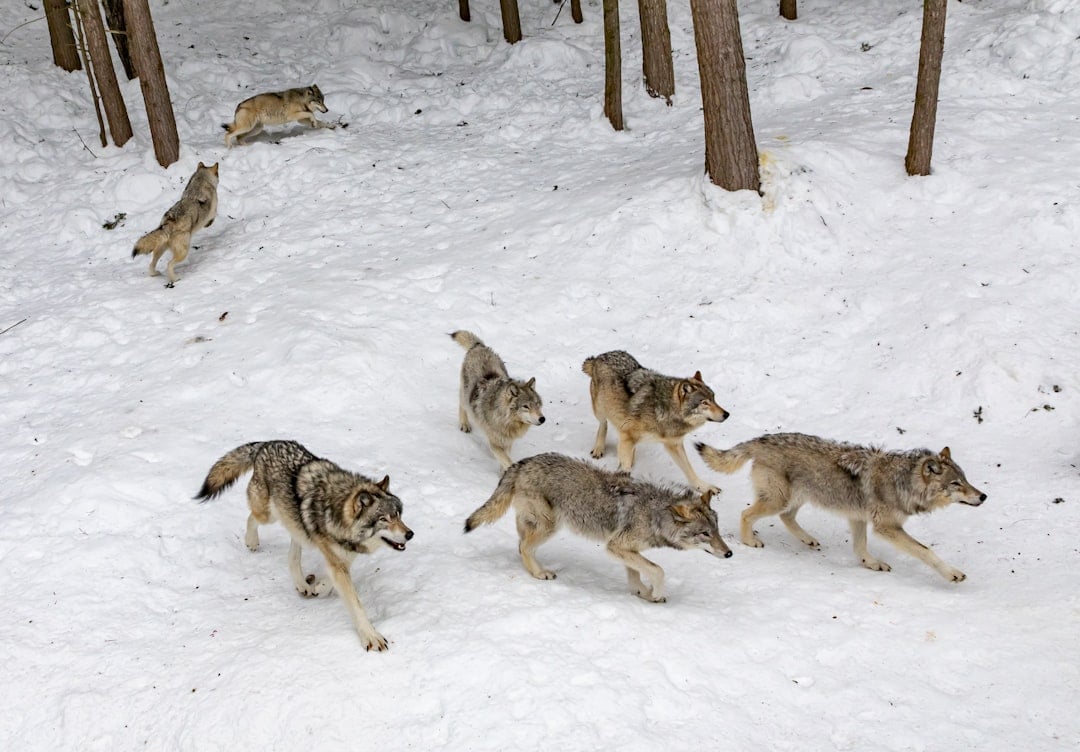
Extraverts are interested in engaging with their environment and feed off the responses of people and events around them, enjoying pushing limits and seeing what the world can do. This mirrors wolves’ approach to their social environment within their pack structure.
Dogs have become more socially tolerant and attentive than wolves through domestication, with these characteristics being crucial for cooperation to occur. Yet even wild wolves demonstrate the fundamental extroverted trait of thriving through social cooperation and group interaction.
Why Night Owls Aren’t Actually Like Owls
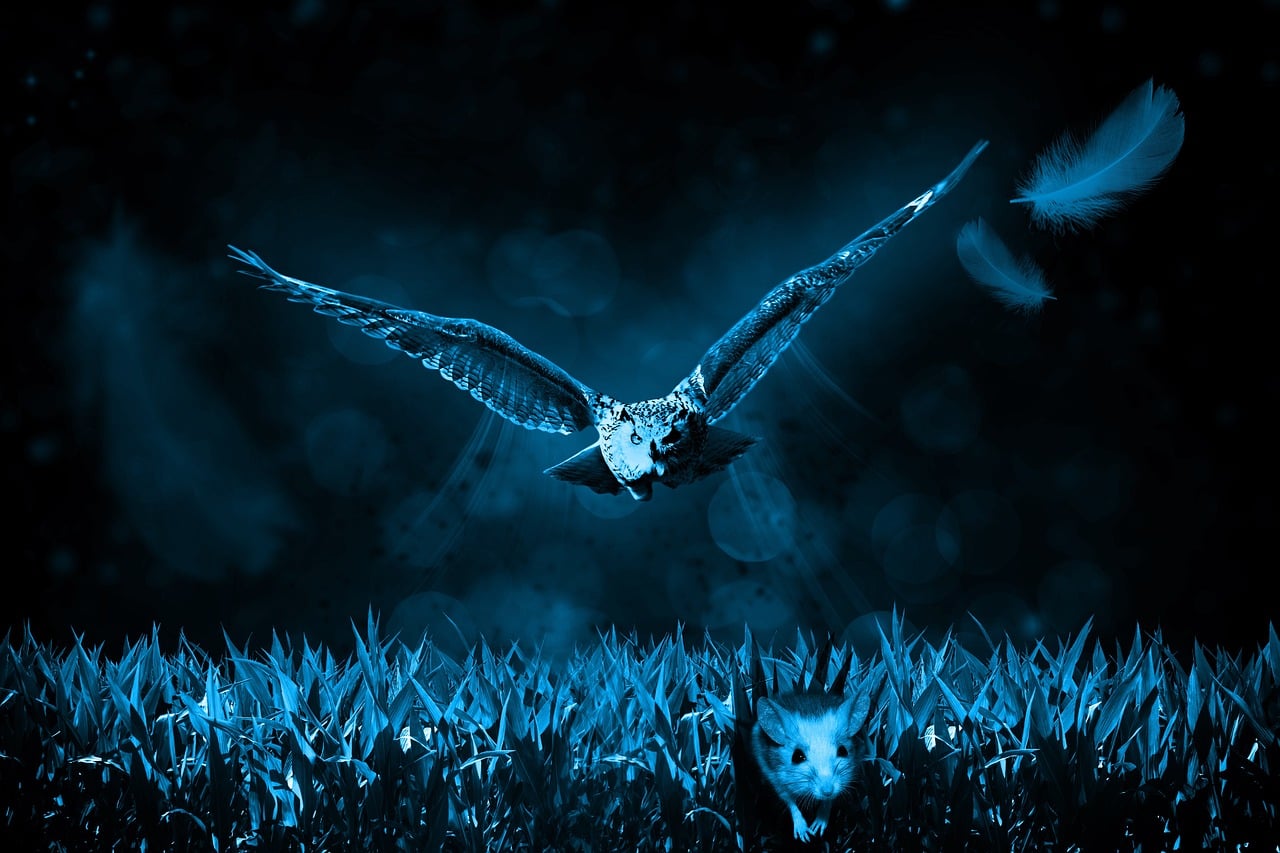
Evening people tend to be more extravagant, temperamental, impulsive and novelty-seeking, with a higher tendency to explore the unknown. These traits don’t match the patient, methodical hunting style of actual owls at all.
American Barn Owls are ghostly pale and normally strictly nocturnal, silent predators that roost in hidden, quiet places during the day and hunt on buoyant wingbeats in open fields at night. Real owls are far more methodical and solitary than human “night owls” typically are.
The Patience Factor in Both Owls and Introverts
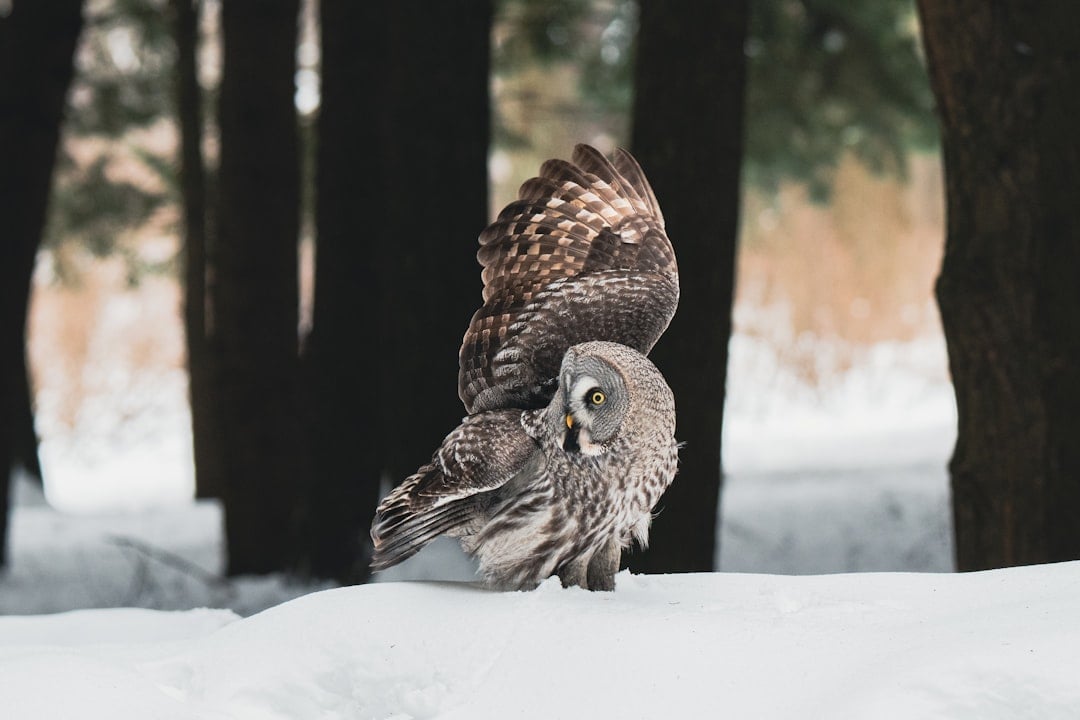
One hunting technique owls use is called perch and pounce, where owls perch comfortably until they see their prey, then glide down upon it. This patient, methodical approach mirrors how introverts often prefer to observe before acting.
Introverts’ tendency to be reserved helps these personality types pace themselves, they’re likely to listen to others more carefully, and being very introspective, they enjoy more focused “alone time” leading to deeper insights. Both owls and introverts share this quality of patience and careful observation.
Social Energy Patterns Reveal the Truth
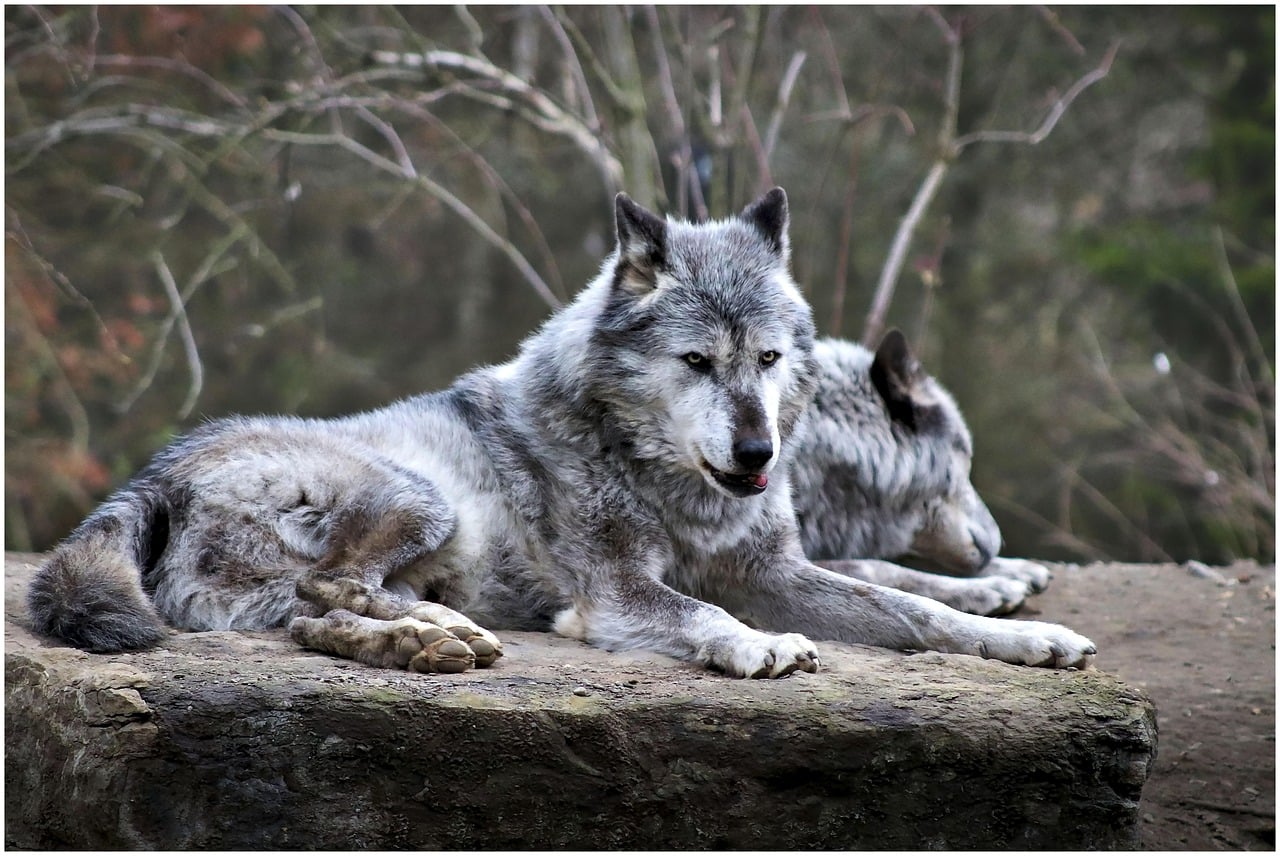
Introverts prefer solitude and find energy in alone time, while extroverts thrive on social interaction and seek external stimulation. Wolves clearly fall into the latter category with their pack-based lifestyle and cooperation needs.
Extroverts tend to recharge by being around people, while introverts tend to recharge by being alone, with introverts preferring to process information internally whereas extroverts prefer to process information by interacting with the outside world. This fundamental difference in energy sources perfectly separates the wolf-extrovert and owl-introvert connections.
Communication Styles That Match the Animals
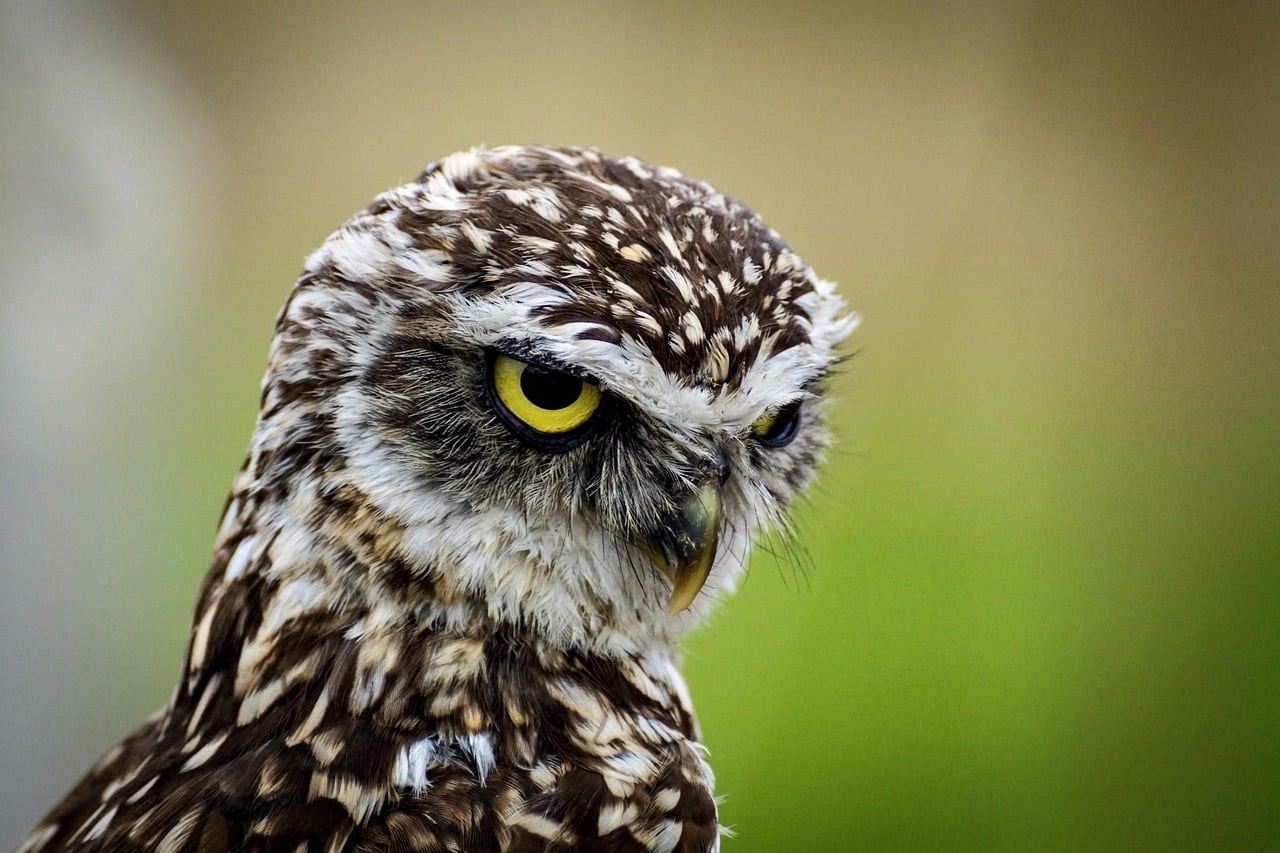
Owls rely heavily on vocalizations to communicate with limited visibility at night, with their haunting hoots and calls serving as vital communication tools for territorial warnings and mating calls. However, their communication is strategic and purposeful, not constant social chatter.
Wolves are noted for their distinctive howl, which they use as a form of communication before and after hunts, to sound alarms, locate pack members when separated, and warn other wolves to stay out of their territory. This group-oriented communication system mirrors how extroverts use frequent social interaction to maintain their connections.
The Leadership Paradox
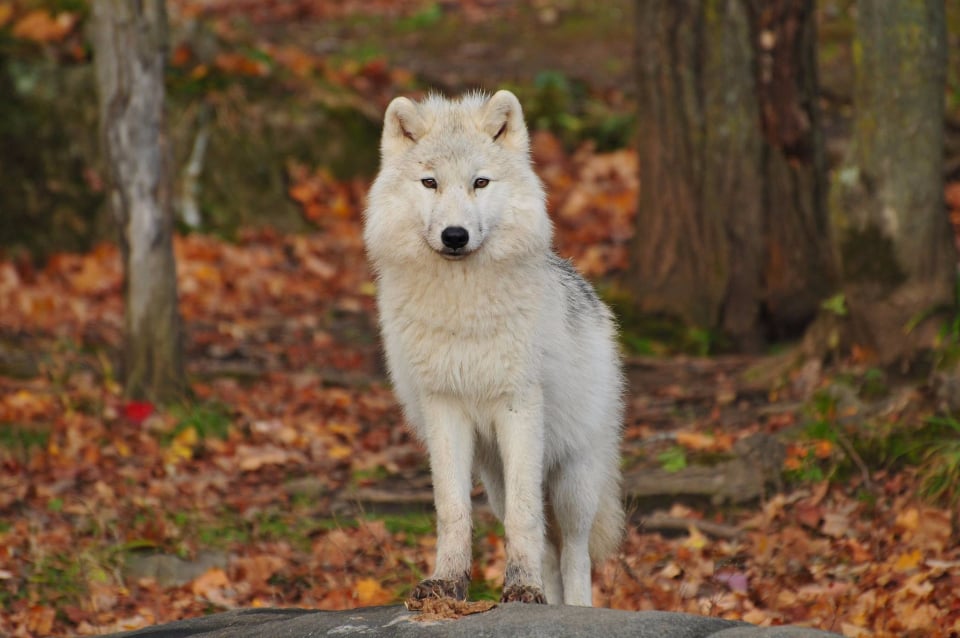
Wolves are intensely ambitious and never shy from hard work, being socially adept and functioning well in leadership, with an innate understanding of the value of teamwork and always ready to take their place in the chain of command. This natural leadership tendency aligns with extroverted personality patterns.
As astute observers of human nature, owls are eminently suited to be judges or diplomats, with their trustworthiness and dependability making them perfect for positions of responsibility, taking their responsibilities seriously and accepting public office with grace and skill. Introverts can certainly lead, but their leadership style tends to be more thoughtful and less socially driven than wolves’ pack-based approach.
Looking at the evidence, it becomes clear that we’ve had it backwards all along. Wolves, despite the “lone wolf” stereotype, are fundamentally social creatures whose pack mentality and cooperative nature align perfectly with extroverted traits. Meanwhile, owls embody the true introvert spirit with their solitary lifestyles, patient observation skills, and preference for quiet, methodical approaches to life. Perhaps it’s time we started calling ourselves “social wolves” and “solitary owls” instead. What do you think about this surprising role reversal? Tell us in the comments.

- 6 Common Animal Behaviors That Are Often Misunderstood by Humans - July 18, 2026
- American Crocodiles Are Expanding Their Range in Florida’s Warm Waters - July 18, 2026
- 9 Common Myths About Wild Animals That Are Simply Not True - July 18, 2026