Have you ever noticed your backyard buzzing with unusual activity just before a storm hits?-feature image/Unsplash
For generations, our ancestors observed that certain animals exhibit distinctive behaviors ahead of major weather changes. These natural indicators, often more reliable than early meteorological tools, provided crucial warnings of impending storms or shifts in weather. Let’s explore 11 backyard animals whose actions can signal upcoming weather changes.
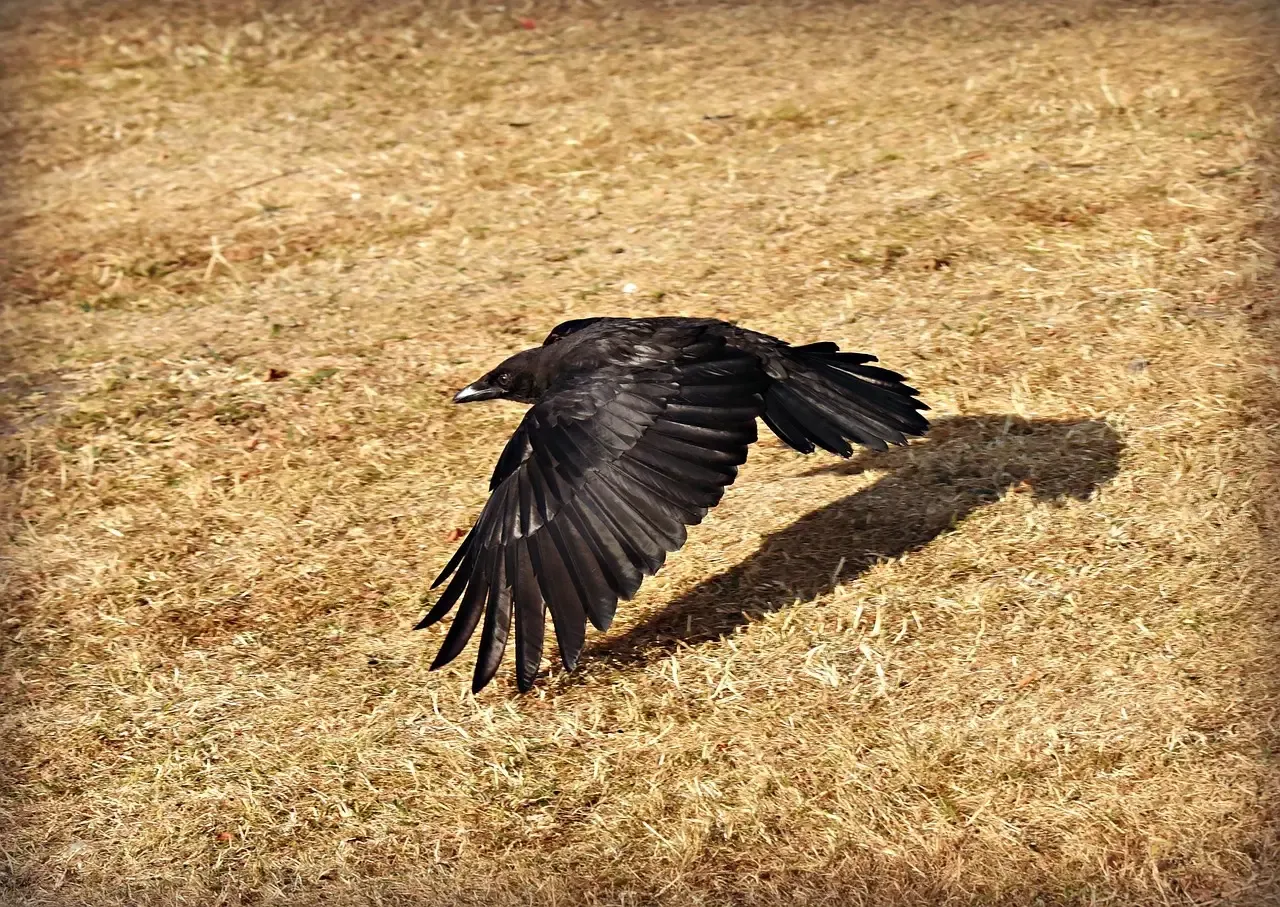
Birds Flying Low
Birds Flying Low (Image Credits: Pixabay)
Ever seen birds swooping close to the ground before a storm? This behavior isn’t random. As atmospheric pressure drops ahead of bad weather, insects, which birds feed on, are forced to fly lower. Consequently, birds adjust their flight patterns to stay close to their food source. Observing birds flying unusually low can be a natural cue that rain or storms are on the horizon.
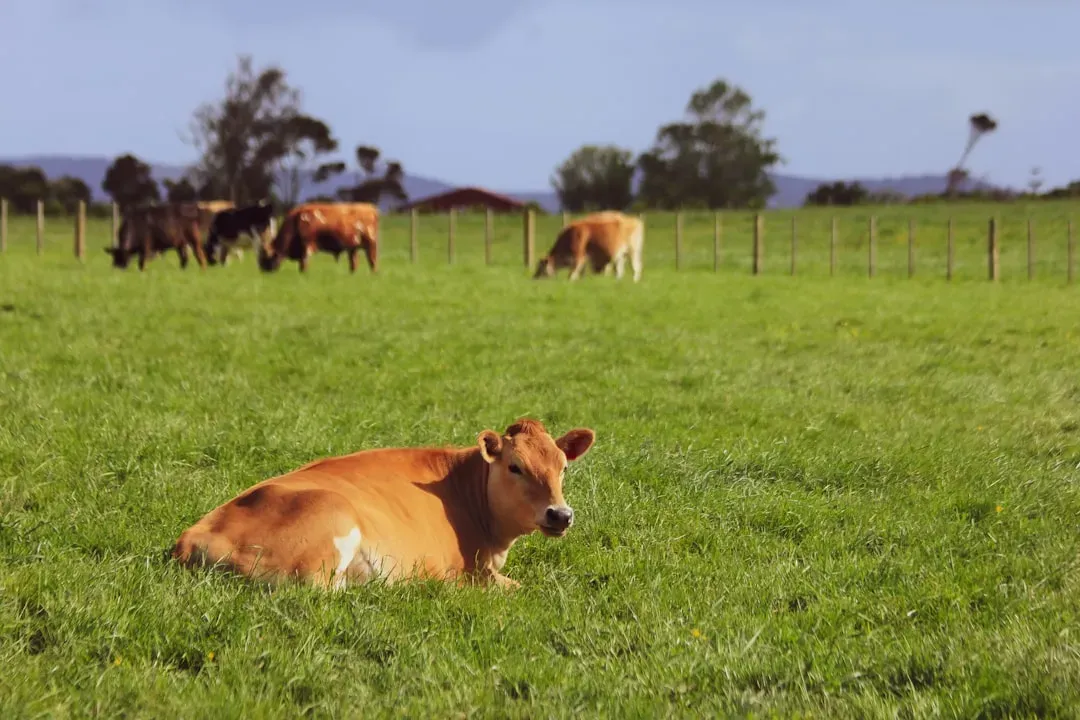
Cows Lying Down
Cows Lying Down (Image Credits: Unsplash)
The old saying, “Cows lie down before it rains,” has some truth to it. Cows are sensitive to changes in barometric pressure and humidity. When they sense an approaching storm, they often lie down, possibly to keep a patch of grass dry or to conserve body heat. So, if you notice a field of cows taking a collective rest, it might be time to grab an umbrella.
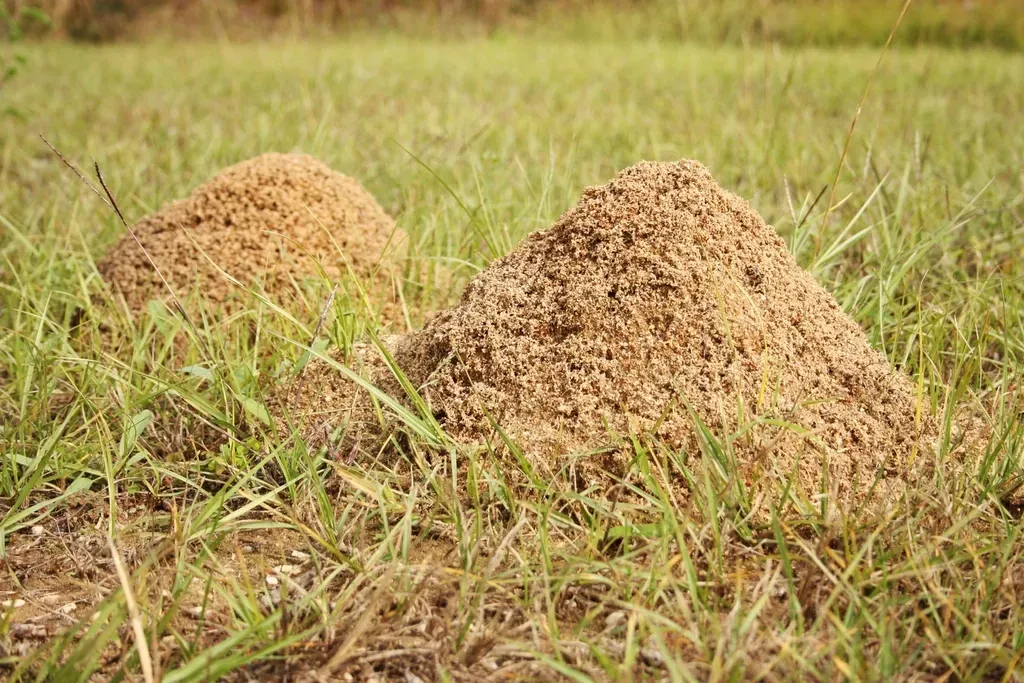
Ants Building Mounds
Ants Building Mounds (Image Credits: Rawpixel)
Ants are industrious creatures, and their mound-building activities can serve as a weather indicator. Before heavy rains, ants often build up their mounds or cover the entrances to their nests. This behavior helps protect their colonies from flooding. An increase in ant activity or the appearance of taller mounds in your yard can signal that wet weather is approaching.
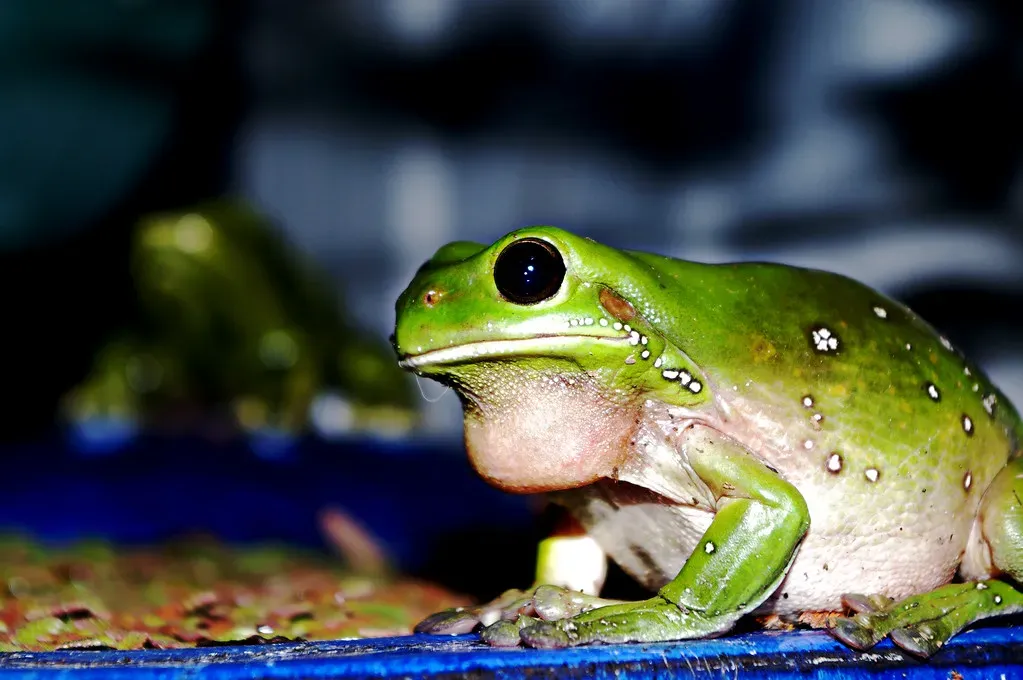
Frogs Croaking Loudly
Frogs Croaking Loudly (Nico Nelson, Flickr, CC BY 2.0)
A chorus of frogs croaking loudly is more than just a nighttime symphony; it’s a sign of impending rain. Frogs are more active and vocal when the air is moist and warm, conditions that precede rainfall. Their croaking is a mating call, and the increased humidity signals an ideal environment for laying eggs. So, a noisy night from your local frog population often means rain is on the way.
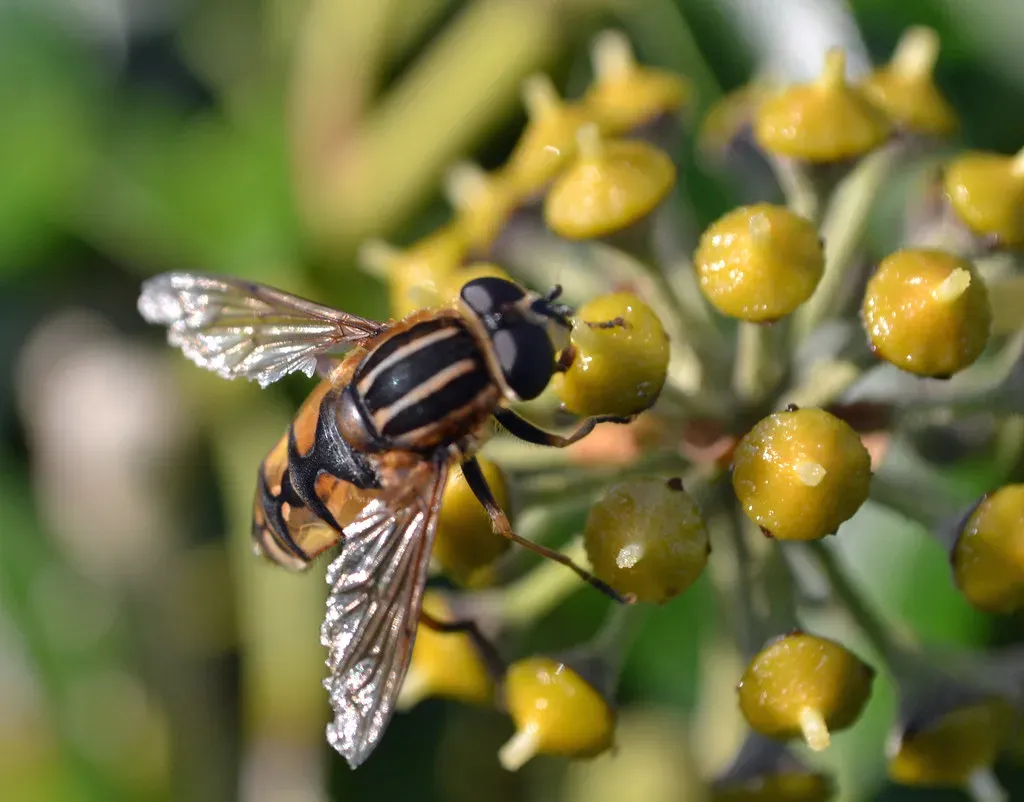
Bees and Butterflies Disappearing
Bees and Butterflies Disappearing (conall.., Flickr, CC BY 2.0)
Bees and butterflies are fair-weather foragers. When they sense an approaching storm, they return to their hives or seek shelter. This behavior protects them from being caught in adverse conditions. If your garden suddenly seems devoid of these pollinators, it’s a good indication that bad weather is imminent.
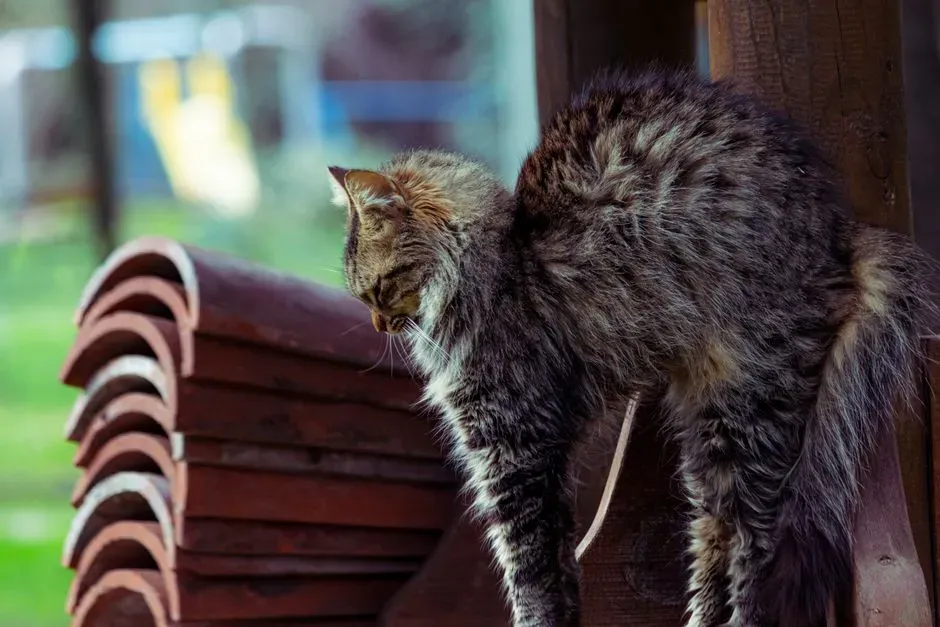
Cats Acting Restless
Cats Acting Restless (Image Credits: Pexels)
Cats are known for their keen senses, and many cat owners have observed their pets acting restless or hiding before a storm. Cats can detect changes in atmospheric pressure and may hear distant thunder long before humans do. Their behavior changes, such as seeking shelter or becoming more agitated, can serve as a subtle warning of approaching storms.
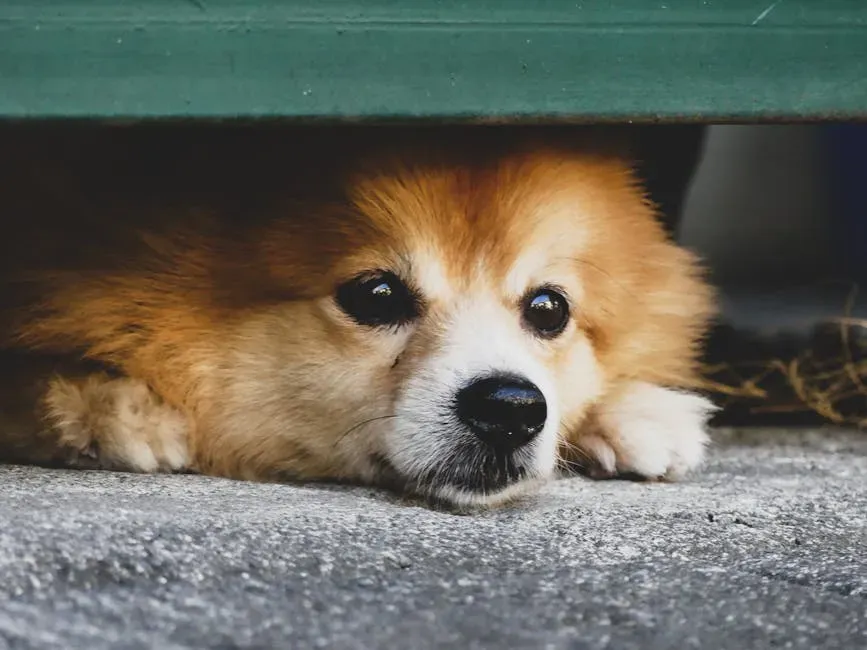
Dogs Becoming Anxious
Dogs Becoming Anxious (Image Credits: Pexels)
Dogs often become anxious or clingy before a storm. They can sense changes in barometric pressure and may hear the low-frequency sounds of thunder before humans can. This heightened sensitivity can cause them to seek comfort from their owners or hide in safe spaces. Paying attention to your dog’s behavior can provide an early warning of incoming bad weather.
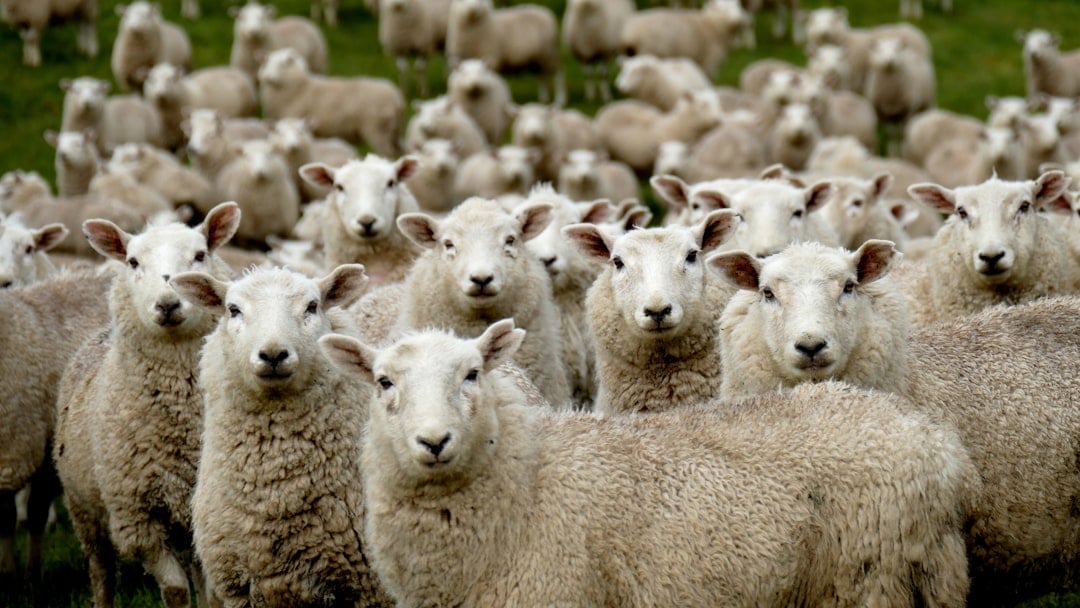
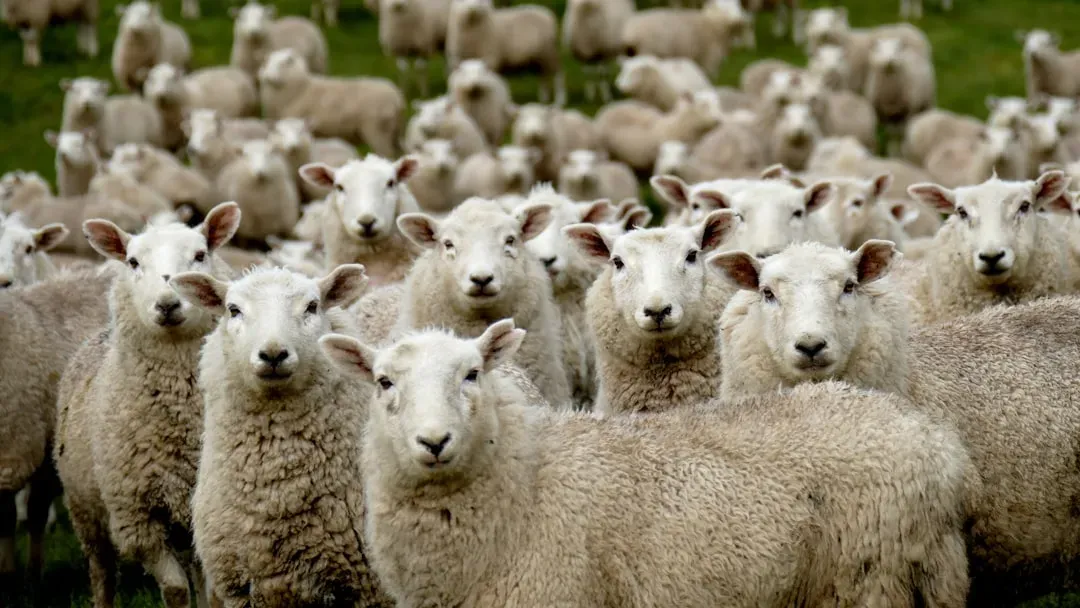
Sheep Huddling Together
Sheep Huddling Together (Image Credits: Unsplash)
Sheep have a tendency to huddle together when they sense bad weather approaching. This behavior helps them conserve body heat and protect themselves from the elements. If you notice sheep gathering closely and facing the same direction, it’s likely that rain or a storm is on the way.
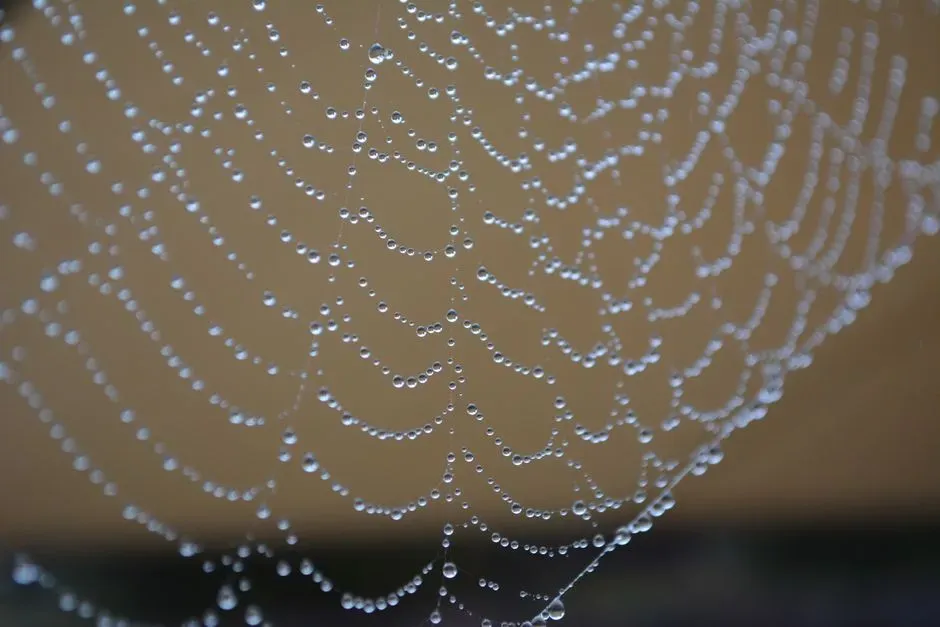
Spiders Spinning Larger Webs
Spiders Spinning Larger Webs (Image Credits: Pexels)
Spiders are sensitive to humidity and atmospheric pressure changes. Before rain, they often spin larger webs to catch more prey, anticipating that their hunting opportunities will be limited during the storm. Observing an increase in spider web activity can be a sign that wet weather is approaching.
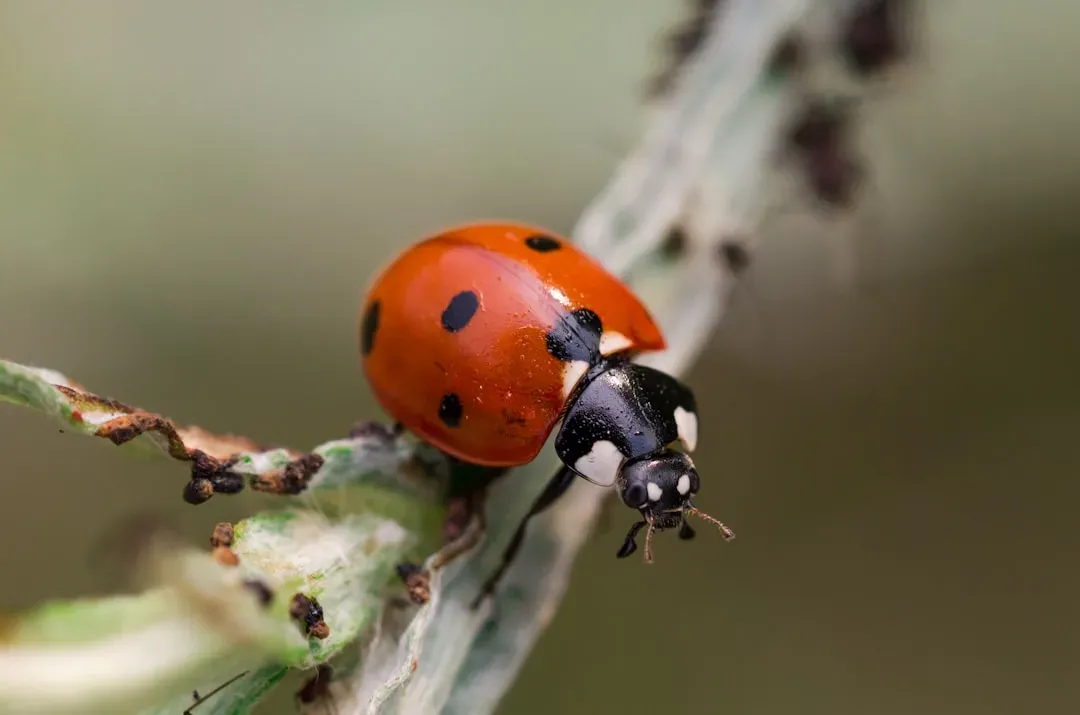
Ladybugs Seeking Shelter
Ladybugs Seeking Shelter (Image Credits: Unsplash)
Ladybugs are known to seek shelter before cold or wet weather. If you notice an influx of ladybugs entering your home or gathering in sheltered areas, it’s a sign that they are seeking protection from impending adverse weather conditions.
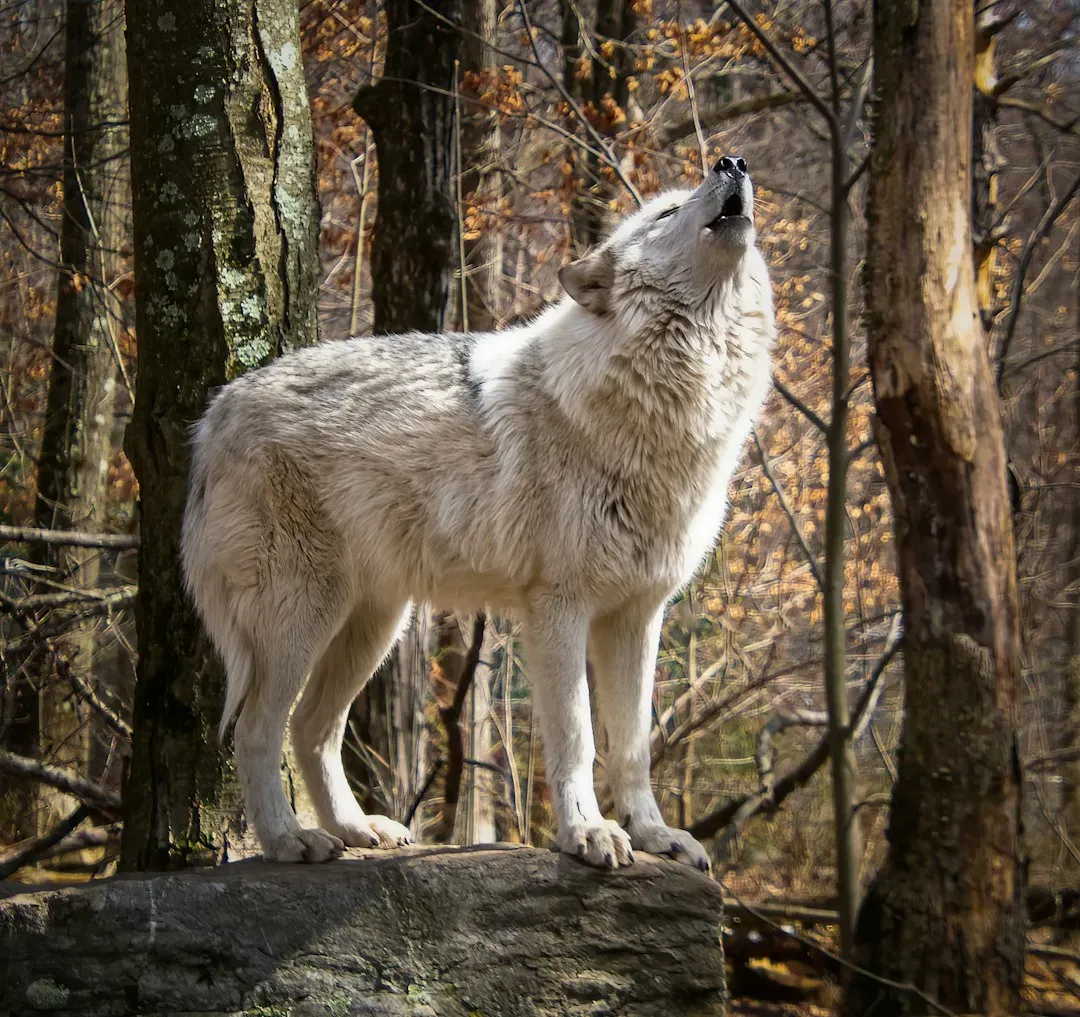
Wolves Howling More
Wolves Howling More (Image Credits: Unsplash)
Wolves are known to howl more before a storm. This behavior is believed to be a response to changes in barometric pressure and serves as a way to communicate with the pack about the approaching weather. In areas where wolves are present, increased howling can indicate that a storm is on the way.
Observing the behaviors of backyard animals can provide valuable insights into impending weather changes. While modern technology offers precise forecasts, these natural indicators, honed over generations, remind us of the deep connection between wildlife and the environment. By paying attention to these signs, we can better prepare for the weather ahead.
Did you find this helpful? Share it with a friend who’d love it too!
Gargi is an MA in History and a B.Ed graduate from India, with a deep passion for animals and wildlife awareness. As an article writer and editor at Animals Around The Globe, she combines her love for storytelling with her dedication to educating readers about animals, conservation, and responsible pet care. A devoted dog lover, Gargi enjoys creating engaging and informative content that inspires compassion and awareness toward the natural world.