

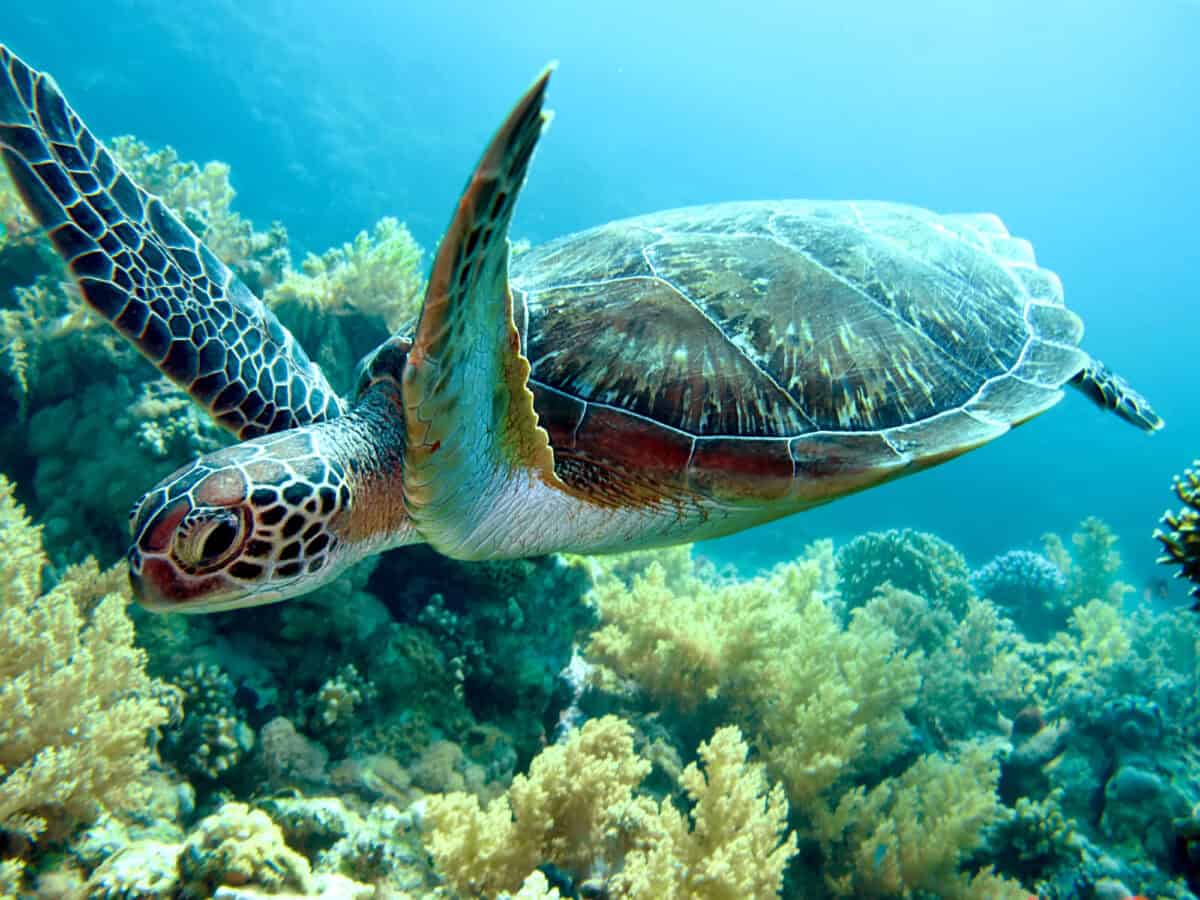
Hawksbill turtles (Eretmochelys imbricata) are among the most iconic and ecologically pivotal sea turtles thriving in tropical coral reefs. With their beautifully patterned shells and vital contribution to marine environments, these reptiles are often referred to as the “guardians of coral reefs.” As the world contends with various environmental challenges, understanding and preserving the role of hawksbill turtles is more critical than ever.
The Unique Characteristics of Hawksbill Turtles

Hawksbill turtles are easily distinguishable by their sharp, beak-like mouths, which resemble the bill of a hawk, and their strikingly colourful, overlapping scales on their shells called scutes. These physical traits allow them to efficiently forage and navigate through coral reefs, where they primarily reside. Hawksbill turtles are relatively small compared to other sea turtle species, typically weighing between 100 to 150 pounds and growing up to three feet in length. Their agility and size make them well-suited to life among the crevices and crannies of vibrant coral ecosystems.
The Ecological Importance of Hawksbill Turtles
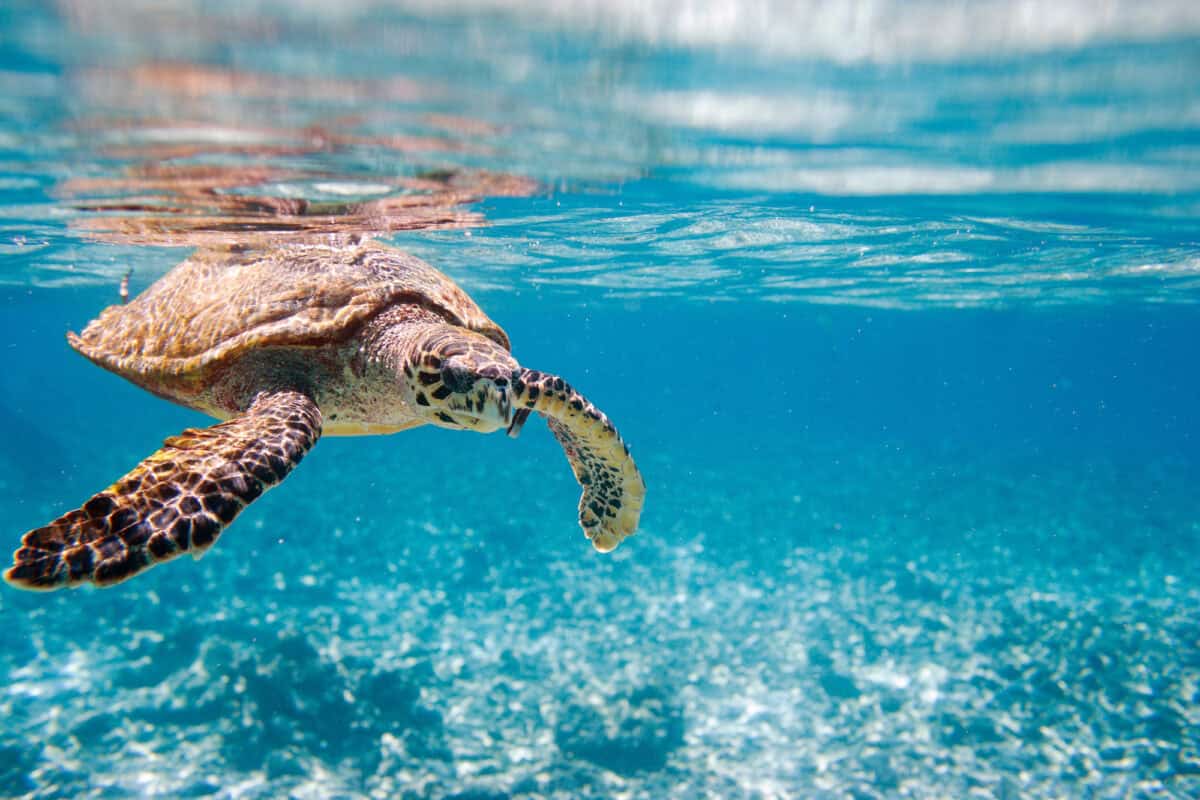
Hawksbill turtles are critical to the health of coral reefs, primarily due to their specialized diet. They feed on sponges, algae, and other invertebrates that grow on the reefs, playing a significant role in maintaining a balanced ecosystem. By consuming sponges, hawksbill turtles help prevent these organisms from overtaking the reefs, which allows for the growth of coral. This process enhances the biodiversity of the reef systems, supporting a wide range of marine life, from fish to crustaceans.
Challenges and Threats Facing Hawksbill Turtles
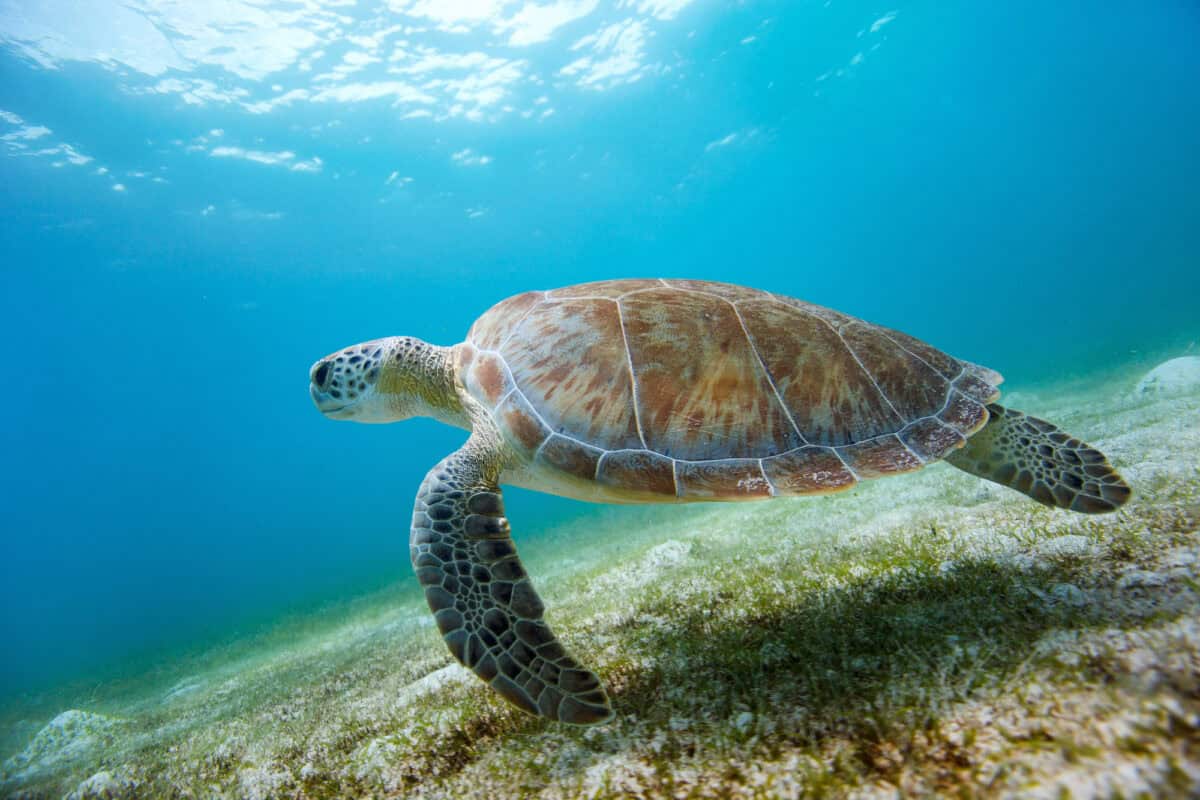
Despite their importance, hawksbill turtles are critically endangered, facing numerous threats that jeopardize their survival. Human activities, such as illegal poaching for their beautiful shells, which are highly sought after for making tortoiseshell products, pose a significant risk. Additionally, habitat destruction from coastal development, pollution, and climate change—leading to coral bleaching—has further exacerbated their plight.
Marine debris, particularly plastic pollution, represents another grave threat. Hawksbill turtles, like many other marine animals, often mistake plastic bags and other debris for jellyfish or other food sources, leading to ingestion and entanglement, which can be fatal. Climate change also threatens their nesting sites, as rising sea levels and increased storm activity can destroy beaches where turtles lay their eggs.
Conservation Efforts and How You Can Help

Efforts to conserve hawksbill turtles and their habitats have been gaining momentum around the globe. International regulations, such as the Convention on International Trade in Endangered Species of Wild Fauna and Flora (CITES), have banned the trade of hawksbill turtle shells and products. Moreover, marine protected areas (MPAs) have been established to safeguard critical habitats and nesting sites.
Community-based initiatives are also crucial in these conservation efforts. Education and public awareness campaigns aim to reduce poaching and encourage sustainable tourism practices. Local communities are often engaged in conservation activities, including beach clean-ups, nest monitoring, and hatchling releases, contributing to the broader goal of safeguarding these reptiles.
As individuals, we can contribute by supporting organizations working to protect sea turtles, reducing plastic use to minimize marine debris, and advocating for policies that address climate change and environmental protection. Responsible travel and conscious consumer choices can also play a significant role in preserving the delicate balance of coral reef ecosystems that hawksbill turtles help maintain.
The Future of Hawksbill Turtles and Coral Reefs

The survival of hawksbill turtles is intricately linked to the health of coral reef ecosystems. Protecting these remarkable creatures ensures the continued vibrancy and resilience of coral reefs, which serve as vital marine biodiversity hotspots and provide essential resources and protection to coastal communities. Through concerted global efforts and increased awareness, we can hope for a future where hawksbill turtles continue to thrive as the guardians of coral reefs, enriching our planet’s biological heritage.

As a little kid, I fell in love with nature, wildlife, and animals. Living in the USA, South Africa, Italy, China and Germany gave me the opportunity to discover the world's Wildlife. My favorite animals are Mountain Gorillas, Siberian Tigers, and Great White Sharks.
I'm a certified PADI Open Water Diver, went to Everest Base Camp and Trekked Gorillas in Uganda. I hold a Master of Science in Economics and Finance.
Please send any feedback to feedback@animalsaroundtheglobe.com
- 10 Most Unique Reptiles You will See in the US - July 21, 2026
- 3 Dangerous Invasive Species the USA Must Eradicate - July 21, 2026
- 10 Things That Calm Cats And 4 That Make Them Nervous - July 21, 2026