

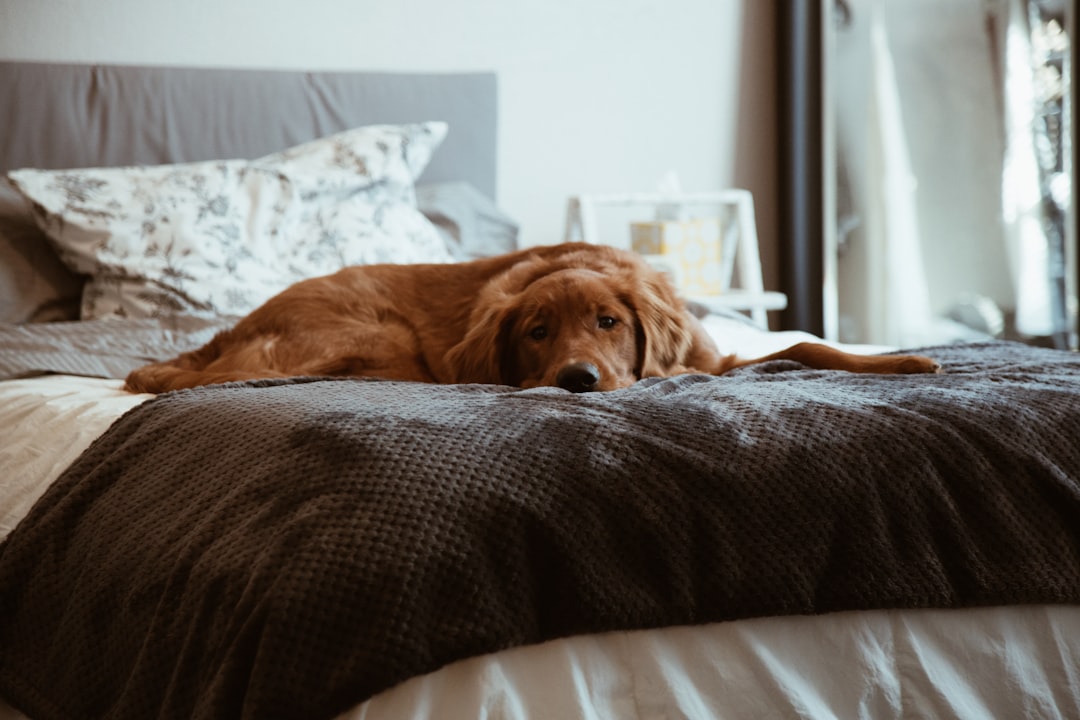

A Wake-Up Call for Pet Safety (Image Credits: Unsplash)
Dogs thrive on exploration, turning ordinary spaces into playgrounds of scents and textures, yet this instinct often exposes them to unseen threats lurking in familiar surroundings.
A Wake-Up Call for Pet Safety
Recent reports highlight how even well-intentioned homes can harbor risks for canine health. Veterinary experts note a rise in incidents where curious pups ingest or inhale toxic substances, leading to emergency visits. One startling case involved a dog that failed to recognize its owner after exposure to a scented diffuser, underscoring the subtlety of these dangers.
Owners frequently overlook items designed for human convenience, assuming they pose no issue to pets. However, dogs’ smaller bodies and unique metabolisms amplify the impact of even minor exposures. Awareness remains the first line of defense, allowing families to safeguard their four-legged members without constant vigilance.
By identifying common culprits, pet parents can implement simple changes to create a safer environment. This knowledge not only prevents heartache but also fosters stronger bonds through proactive care.
Cleaning Supplies and Chemicals
Household cleaners top the list of overlooked threats, with ingredients like bleach and phenols causing burns or respiratory distress upon contact or inhalation. Dogs may lick residues from floors or chew on containers, accelerating harm.
Alcohol-based wipes and certain disinfectants irritate the gastrointestinal tract if swallowed. Essential oils in natural products, while appealing to humans, can lead to vomiting or neurological symptoms in pets. Storing these in high cabinets and ensuring thorough rinsing after use mitigates risks effectively.
Toxic Foods and Sweeteners
Everyday snacks like chocolate contain theobromine, which dogs cannot process, resulting in seizures or heart issues. Grapes and raisins, popular human treats, trigger kidney failure even in small amounts.
Xylitol, found in sugar-free gum and candies, causes rapid blood sugar drops and liver damage. Salty foods provoke excessive thirst and potential sodium poisoning, while onions and garlic in meal scraps damage red blood cells over time. Keeping counters clear and educating family members about these no-go items proves essential.
10 Key Household Items to Watch
Beyond broad categories, specific objects demand attention. Here’s a rundown of ten prevalent hazards, drawn from veterinary advisories and recent pet safety alerts:
- Chocolate and Caffeine Products: These stimulants overload a dog’s system, leading to hyperactivity followed by collapse.
- Xylitol-Containing Goods: From gum to baked items, this sweetener induces hypoglycemia swiftly.
- Grapes and Raisins: Seemingly innocuous fruits that can cause acute renal failure.
- Onions and Garlic: Common in cooking, they weaken blood cells and impair oxygen transport.
- Bleach-Based Cleaners: Fumes alone irritate lungs; ingestion corrodes tissues.
- Essential Oil Diffusers: Inhaled vapors, especially cinnamon or eucalyptus, provoke disorientation and poisoning.
- Human Medications: Pain relievers like ibuprofen inflame stomachs and harm kidneys.
- Batteries: Leaking acid from chewed units burns mouths and internals.
- Scented Candles and Air Fresheners: Phenols and fragrances cause skin reactions or breathing difficulties.
- Antifreeze: Sweet-tasting coolant, often from car leaks, devastates kidneys if lapped up.
Each of these items illustrates how proximity breeds peril. Regular home audits reveal vulnerabilities, prompting timely adjustments.
Prevention Strategies That Work
Securing cabinets with childproof locks keeps chemicals and meds out of reach. Opt for pet-safe alternatives, such as vinegar-based cleaners, to minimize exposure.
Supervise playtime near potential hazards, and train commands like “leave it” to curb investigative urges. In winter, avoid cinnamon-scented decor, as these oils heighten toxicity risks.
For outdoor threats, fence off garage areas where antifreeze might spill. These steps, though straightforward, significantly reduce incident rates according to animal welfare organizations.
Key Takeaways
- Store all cleaners and foods in elevated, locked spaces to prevent accidental access.
- Consult vets immediately if ingestion occurs – early intervention saves lives.
- Choose unscented, pet-friendly products to maintain a harmonious home.
Protecting dogs from household hazards demands ongoing attention, yet the reward – a healthier, happier companion – far outweighs the effort. Simple habits transform potential tragedies into non-events, ensuring tails wag without worry. What steps have you taken to dog-proof your home? Share your tips in the comments.

- Urban Coyotes Show Remarkable Adaptability, Learning to Thrive in City Environments - July 22, 2026
- Beavers Are Nature’s Engineers, Creating Vital Habitats for Other Wildlife Species - July 21, 2026
- The Recovery of the California Condor Offers Hope for Other Critically Endangered Birds - July 21, 2026