


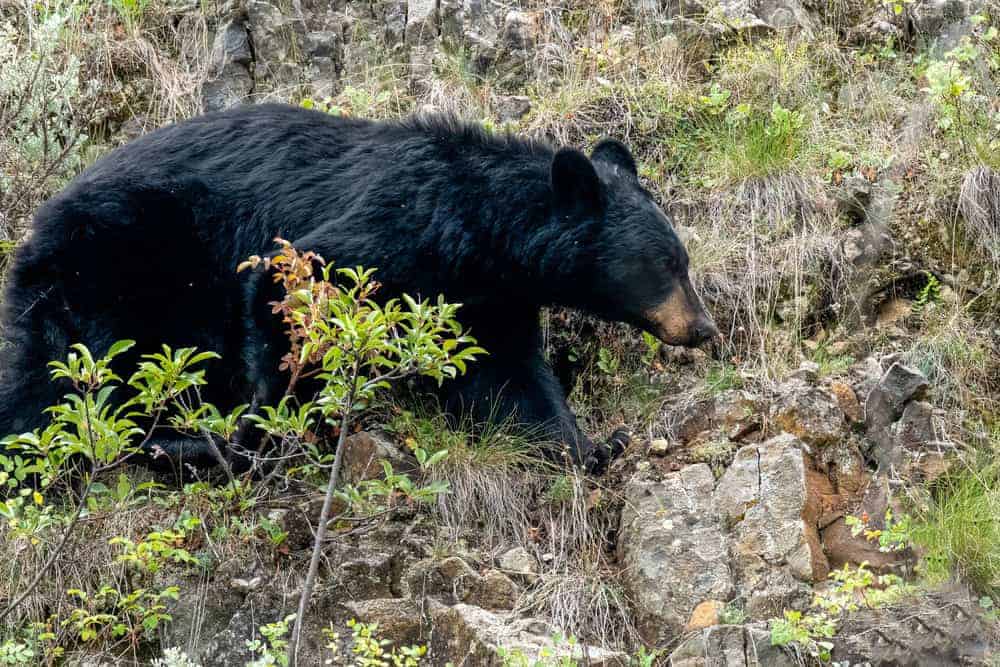
On a hiking trail, a brave hiker defended his children from a big black bear that began following their footsteps! This showed the importance of quick thinking in the wild.
Introduction

🔥 Would you like to save this?
We'll email this post to you, so you can come back to it later!
In a nerve-wracking encounter, a hiker bravely defended his children from a grizzly bear that began following them while hiking.
Parental Instincts on the Trail

🔥 Would you like to save this?
We'll email this post to you, so you can come back to it later!
The family, enjoying a day in the wilderness, suddenly found themselves in a dangerous situation as the bear appeared behind them.
Intimidation Tactics Save the Day

🔥 Would you like to save this?
We'll email this post to you, so you can come back to it later!
To protect his family, the hiker attempted to intimidate the bear by making loud noises, waving his arms and maintaining a dominant stance.
Quick Thinking

🔥 Would you like to save this?
We'll email this post to you, so you can come back to it later!
His quick thinking and assertive actions eventually persuaded the grizzly to back off, allowing the family to safely continue their hike.
How Fast Can a Black Bear Run?

🔥 Would you like to save this?
We'll email this post to you, so you can come back to it later!
Black bears are surprisingly fast runners despite their bulky appearance. They can reach speeds of up to 30 miles per hour (48 kilometers per hour) over short distances. This agility helps them escape predators, chase prey, and navigate their often rugged, forested habitats.
Bear Conservation

🔥 Would you like to save this?
We'll email this post to you, so you can come back to it later!
Bears face threats from habitat loss, climate change, and human-wildlife conflict. Conservation efforts aim to protect their habitats and reduce human-bear conflicts.
Staying Safe Near Bears
🔥 Would you like to save this?
We'll email this post to you, so you can come back to it later!
People can stay safe by carrying bear spray, making noise to avoid surprising bears, storing food properly, and respecting bear habitats by keeping a safe distance.
Misconceptions About Bears

🔥 Would you like to save this?
We'll email this post to you, so you can come back to it later!
A common misconception is that bears are naturally aggressive towards humans. But, they only attack when they feel threatened or when they are protecting their young.
Bear Monitoring & Protection

🔥 Would you like to save this?
We'll email this post to you, so you can come back to it later!
Wildlife agencies use different methods to monitor grizzly bear populations. These include tracking, tagging, and using remote cameras.
Wrapping Up

🔥 Would you like to save this?
We'll email this post to you, so you can come back to it later!
Overall, the brave actions of a parent hiker in defending his children from a grizzly bear shows us the unpredictable nature of wildlife encounters. Understanding the physical characteristics and behaviors of grizzly bears is essential for ensuring safety and coexistence in bear country.

For any feedback please message Feedback@animalsaroundtheglobe.com
- Venomous Spiders Found in America - November 5, 2026
- Top 10 Best Spots for Whale Watching in the US - November 4, 2026
- Alaskan Malamute Vs. Bearded Collie - November 2, 2026